Inconel 600 or UNS N06600 is a common engineering material, which is applied in the field when the material is required to be resistant to corrosion and heat.UNS N06600 chemical composition is essential in industries that work in highly extreme environments.It is an alloy of nickel-chromium which is to be used in general purposes at medium temperature, either cryogenic or high. This alloy offers high strength and excellent workability. The material resists many organic and inorganic compounds and provides superior performance in reducing conditions.
Kalpataru piping is one of the main producers and suppliers of high performance nickel alloys that deals with a full variety of Inconel products such as Inconel 600, 625, 800 and 825 in pipes, tubes, sheets, plates, bars and fittings.Our technical know-how provides true material chemistry and approved provision of essential industries.
This guide discusses the Inconel 600 composition in greater detail, mechanical and physical properties, and forms of the product, as well as other alloys.There is also information concerning pricing and sourcing considerations.In order to get a better insight into how the fundamental properties of Inconel 600 compose with the corresponding properties, refer to our in-depth guide on Inconel Material Properties Grades Composition.
What is Inconel 600 (UNS N06600)?
Inconel 600 or UNS N06600 is a nickel-chromium-iron superalloy. It is a standard engineering material for applications requiring resistance to heat and corrosion. The alloy 600 also has brilliant mechanical properties and presents a desirable combination of high strength and good workability. It is non-magnetic and hardened only by cold work. The high nickel content of Inconel 600 alloy enables the alloy to retain exceptional resistance to reducing environments and chloride-ion stress-corrosion cracking. As a prominent supplier of alloys like Inconel 600, we provide a wide range of certified nickel alloy solutions. Explore our full offering here.
Chemical Composition of Inconel 600
The specific chemical balance of this alloy defines its capabilities. Adhering to these standards is necessary for material tracking and performance consistency. The general Inconel 600 chemical composition follows standards like ASTM B166 and B168.
A quick look at Alloy 600 composition
| Element | Weight Percentage (wt. %) |
|---|---|
| Nickel (Ni) | 72.0% min |
| Chromium (Cr) | 14.0 – 17.0% |
| Iron (Fe) | 6.0 – 10.0% |
| Carbon (C) | 0.15% max |
| Manganese (Mn) | 1.0% max |
| Silicon (Si) | 0.50% max |
| Sulfur (S) | 0.015% max |
| Copper (Cu) | 0.50% max |
Role of Each Element (Chemical Analysis of Inconel 600)
The knowledge of the role of each of the main components can be used to explain how Inconel 600 can resist stress such as its special Inconel 600 composition.
- Nickel: Nickel is the core of the alloy contained in at least 72%. This large content of nickel provides Inconel 600 with a lot of protection against a wide range of organic and inorganic substances. It is immune to chloride-ion stress corrosion cracking that is a common phenomenon in stainless steels. The metal is also resistant to reducing conditions.
- Chromium: The 14-17% content of chromium is used to offer resistance to sulfur compounds and other oxidizing environment under high temperature. Chromium forms a layer of oxide on the surface forming a stable layer that protects the metal against destruction.
- Iron: Iron is used as a stabilizing component in the matrix. It adds internal structural integrity and cost-effectiveness of the alloy without affecting the performance of considerable performance. This ratio plays a major role in comprehending the entire Alloy 600 chemical composition.
- Trace Elements (C, Mn, Si, Cu, S): Carbon gives hardness and strength. During the melting, deoxidation is done using Manganese and Silicon to enhance workability. To facilitate resistance in certain corrosive conditions, copper is used in small quantities. The entire Inconel 600 material composition is characterized by all these elements.
Decoding Melting Temperature of Inconel 600
The melting point of an alloy will occur at a single point seldom. In the case of Inconel 600, the information about the melting range is important in any process that involves heat, such as in welding, casting, or heat treatment.
The melting point of Inconel 600 is 1354-1413 deg C (2470-2575 degF). At 1354 deg C, melting starts. The alloy melts completely at 1413 degrees Celsius. This spectrum is of great importance to makers. It informs them of the appropriate temperatures of welding so that they can achieve good fusion without excessive overheating. It serves also to cast molds to full. These processes are controlled by heat transfer properties of nickel based alloys.
The thermodynamic characteristics include the following:
- Other heat qualities influence the behaviour of Inconel 600 in service other than melting.
- Its thermal conductivity is relatively low, approximately 14.9 W/m
- Its thermal conductivity is rather low, approximately 14.9 W/m*K at room temperature. This comes in handy in applications that require the inclusion of heat such as furnace linings or heat shields because it prevents the release of heat.
- The thermal expansion rate is also important. It demonstrates the extent to which the material will expand or contract due to changes in temperature.
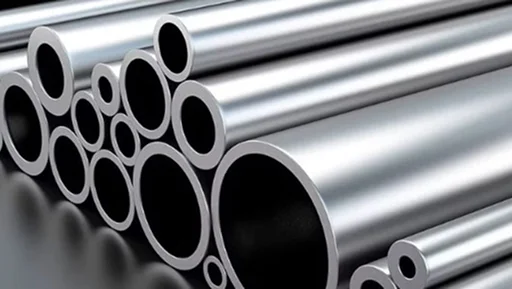
Available Forms and Products in Inconel 600
We supply this alloy in various forms to suit different industrial requirements.
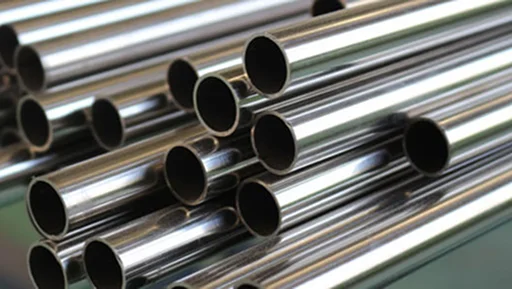
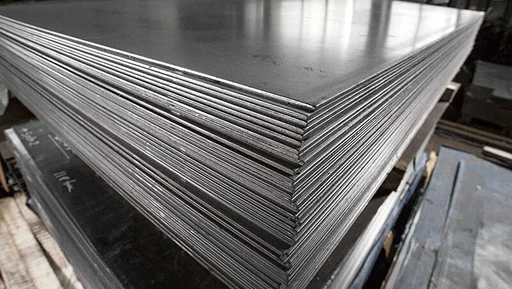
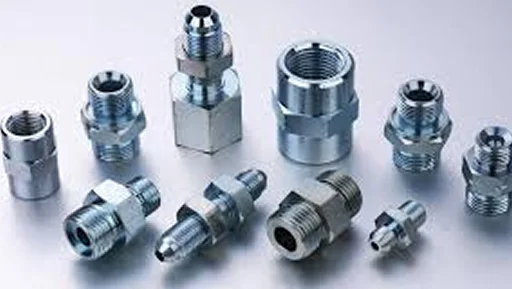
How Inconel 600’s Composition Affects Performance & Applications?
Certain chemical composition has a direct effect on fabrication and service life.
- Weldability and Fabrication: Alloy 600 is weldable and not easily brittle as other alloys due to its large percentage of nickel.Standard welding procedures can be used in joining the material.
- High-Temperature Performance: The chromium-oxide coating enables the alloy to be used in continuous application at temperatures as high as 1093degC in oxidizing conditions.It is resistant to spalling and does not become mechanical unstable in high temperatures.
- Corrosion Resistance in Service: The composition has alkaline resistance and halogen resistance.It is commonly applied in chemical treatment to treat caustic soda.It is not subjected to chloride-ion stress corrosion cracking.
Comparison: Inconel 600 vs Other Nickel Alloys
Inconel 600 vs Inconel 625
Inconel 625 has Molybdenum and Niobium that are not found in Inconel 600.This provides 625 with a higher tensile strength and increased resistance to pitting and crevices corrosion.When pitting is of less concern, Inconel 600 is cheaper to use in general high temperatures.
Inconel 600 vs Incoloy 800
Compared to 600, Incoloy 800 will be rich in iron and low in nickel.Although 600 is superior in minimizing the environment and extreme corrosion, 800 is commonly applied when the resistance against oxidation and carburization is needed at a reduced cost value.
Table 2- A Quick Comparison:
| Alloy | Key Composition Differences | Strengths | Typical Use Cases |
|---|---|---|---|
| Inconel 600 | High Ni (72%), No Mo | SCC resistance, Reducing environments | Furnaces, Chemical processing |
| Inconel 625 | Added Mo & Nb | High Strength, Pitting resistance | Marine, Aerospace, Pollution control |
| Inconel 800 | Lower Ni, Higher Fe | Oxidation resistance, Cost-effective | Petrochemical, Power generation |
Inconel 600 Price (Pricing, Procurement & Supplier Considerations)
Several factors influence the Inconel 600 price. The Nickel market in the world is one of the major drivers since the alloy is composed more than 72% of nickel.Costs also depend on alloying elements such as Chromium.The product shape and size are also a factor because smooth pipes or thick plates can be charged with a high cost of processing.
Procurement Tips: When you have a chance always check mill-test certificates so that you are sure that the chemical analysis is undertaken as per ASTM requirements.Check batch traceability and supplier quality audit.Logistics and lead times are issues to consider by international buyers.When you purchase at a reliable supplier such as Kalpataru Piping then you are assured of authenticity of material and adherence to international standards.
Typical Applications & Industries Using Inconel 600
Inconel 600 is used in industries and in typical applications:
- Aerospace: exhaust liners and jet engine parts.
- Chemical Processing: Fatty acid heaters, fatty acid stills, fatty acid bubble towers and fatty acid condensers.
- Heat Treating: Furnace muffles, retorts and baskets.
- Nuclear Engineering: Vessels and heat exchanger tubing.
- Pulp and Paper: Equipment that needs resistance to abietic acid.
The Bottom Line
Inconel 600 has a superior performance, which is directly related to the Inconel 600 chemical composition, which is carefully controlled giving a special mixture of high nickel and chromium content.This alloy 600 provides unparalleled stress corrosion crack resistance and oxidation at high temperatures.Knowledge of the purpose of every component ensures that purchasers and engineers will be able to decide on the most suitable material to suit the most challenging industrial needs.
Ready to move forward? Discuss your project requirements with us. Request current availability and a personalized quote of Inconel 600 pipe, bars, plates, sheets and fittings: