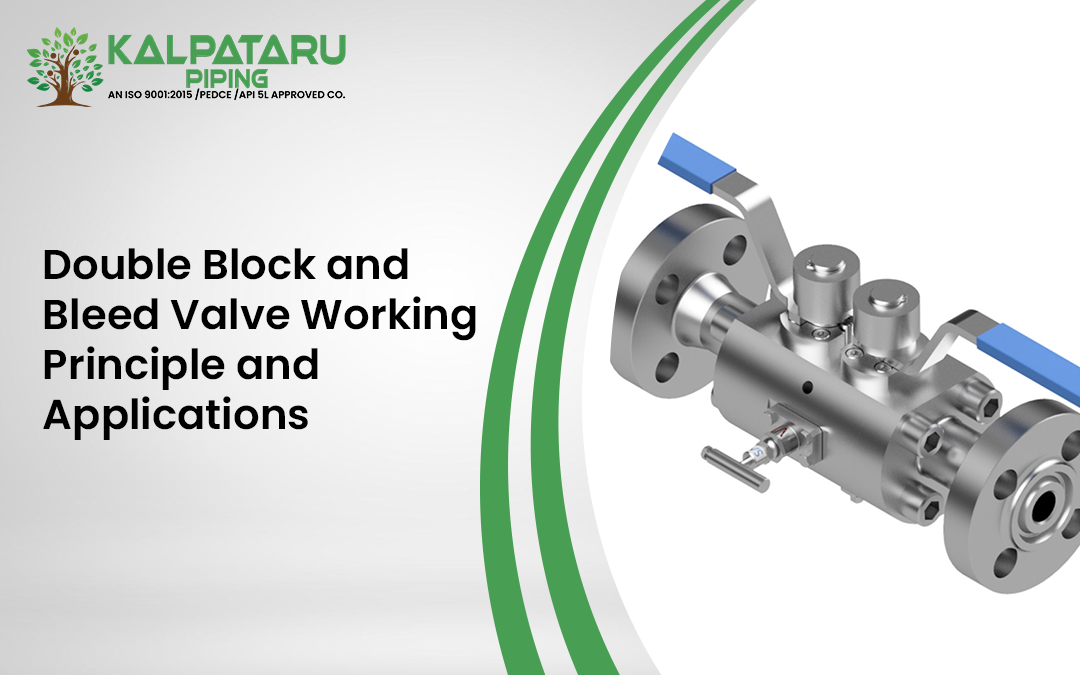
A double block and bleed (DBB) valve is a valve that seals one area of pipe with a second valve and then vents between the valves to allow the pressure to drop and checks the valve seals prior to beginning maintenance. There is no such check with one closed valve. According to the definitions, an API 6D valve is a DBB valve, whereas OSHA-style practice refers to two valves with a bleed valve between them. A double isolation and bleed (DIB) valve provides an additional seal against pressure that comes from one side. This guide explains a double block and bleed valve’s operation, and its relationship to a DIB valve, its primary configurations and applications, and how to specify the valve size, pressure and material.
What Is a DBB Valve?
A DBB valve arrangement consists of two sealing surfaces and a bleed point in between. The cavity can be vented with both barriers shut and if it is still flowing, then a seat is leaking. That check is the reason why it’s more useful than just a single block valve before maintenance or inspection. API 6D defines a DBB valve as a single body with two seats which can close either end from the cavity between them, provided that there is a vent in between. The OSHA-style arrangement is equivalent to the above with two block valves and a bleed valve.
How Does DBB Isolation Work, Step by Step?
A double block and bleed (DBB) valve isolates a section of pipe using two barriers, while the bleed valve helps check whether the isolation is holding. The exact operating steps depend on the valve design and site safety procedures, but the basic process is as follows.
- Close the upstream block valve. This stops fluid from entering the isolated section.
- Close the downstream block valve. Both barriers are now closed, trapping any fluid between them.
- Open the bleed valve. The trapped fluid or pressure is released through a designated safe discharge point.
- Check for leakage. If fluid continues to escape or pressure builds again, one of the barriers may be leaking. The isolation must be investigated before work proceeds.
- Complete the work and restore the system. Close the bleed valve and reopen the block valves according to the approved site procedure.
The bleed point is important because it allows operators to check the integrity of the two barriers rather than relying on a single closed valve. However, a dry bleed alone does not guarantee safe isolation; the required verification and safety checks must still be completed.
Double Block and Bleed vs Double Isolation and Bleed
This is the question people ask next, and it is where confusion causes expensive mistakes. A standard DBB valve gives two seats and a bleed. A double isolation and bleed (DIB) valve goes a step further, by adding an extra barrier against pressure from one side only. Under the API view, a DBB valve alone does not guarantee double isolation when only one side of the valve is pressurised.
|
Feature / Criterion |
Double Block and Bleed (DBB) |
Double Isolation and Bleed (DIB) |
|
Seats |
Two seats, each able to seal against pressure from the line side |
Two seats, each sealing against pressure from a single source, adding a separate barrier |
|
One sided pressure |
Does not give positive double isolation when only one side is pressurised (API view) |
Gives an extra barrier against one sided pressure |
|
Cavity relief |
Usually self relieving seats vent cavity pressure |
Cannot relieve cavity pressure past the seats, so external relief is needed |
|
Typical use |
General isolation, transmission and storage, meter calibration |
Where leakage tolerance is very low or fluid cleanliness matters |
|
Typical valve styles |
Ball, gate, plug with two seats |
Trunnion ball, expanding plug or expanding gate designs |
DIB valves also come in classes, such as DIB-1 and DIB-2. The class changes how the seats are required to seal, so check the exact class on the valve datasheet and in the governing standard rather than assuming. If the specification says DBB and your application needs the extra barrier, or the reverse, raise it before ordering.
Types and Configurations
Double block and bleed arrangements come in a few common forms. The right one depends on line size, space, and how the isolation point will be used.
|
Configuration |
Description |
Typical Use |
|
Integral DBB valve |
One body with two seats and a bleed port |
Pipelines, compact skids, weight and space savings |
|
Two valves plus bleed valve |
Separate block valves with a vent valve between them (the OSHA style arrangement) |
Plant isolation points and flanged spool pieces |
|
Instrumentation DBB valve or manifold |
Small bore block valves with a bleed or vent, often with needle valves |
Isolating pressure gauges, transmitters and sample points |
|
Flanged, threaded or welded end versions |
End connection chosen to match the line |
Matches pipe class and maintenance needs |
A double block and bleed ball valve is a common integral choice on process lines, because ball valves seal well and are quick to operate. A double block and bleed instrumentation valve or manifold is the compact, small bore version used at instruments. It is normally built from tube-compatible stainless steel or alloy parts. For the fittings that connect to those valves, see our guide to the types of instrumentation tube fittings and our range of stainless steel instrumentation valves.
Where Are DBB Valves Used?
DBB valves are used wherever a line must be made safe before someone works on it, and where a leaking valve seat would be dangerous or costly.
- Oil and gas: pipeline launchers and receivers, mainline isolation, and wellhead and manifold systems.
- Petrochemical and chemical processing: isolating reactors, heat exchangers and instruments during turnarounds.
- Storage and transmission: tank farm and terminal isolation.
- Instrument isolation: pressure transmitters, gauges and sample lines, where a DBB instrument valve or manifold lets you remove the instrument safely.
- Meter proving and calibration: the closed valves must seal drop tight, so leakage does not distort the results.
- LNG and natural gas processing: isolation of cryogenic and gas lines.
Material depends on the service fluid. The selection table in the next sections lists the common options.
Benefits and Limitations
Benefits
- Safer maintenance, because isolation can be verified before work starts.
- An integral DBB valve can replace the three valves, flanges and tee pieces of a traditional fabricated arrangement, which cuts leak paths and installation time.
- Fewer joints and leak paths in integral designs.
- Space and weight savings compared with two separate valves and a spool.
Limitations
- Higher cost than a single valve.
- The operating sequence has to be followed correctly for the isolation to be valid.
- A DBB valve alone does not give double isolation when only one side is pressurised.
- The bleed outlet must be piped to a safe location, which adds design work.
Selecting the Right Valve: Size, Rating and Material
Use this checklist when writing a valve specification or reviewing a datasheet.
- Size and bore. Decide between full bore and reduced bore, and check instrument size against line size.
- Pressure and temperature rating. Match the valve class to the pipe class and the valve rating standard. Our guide on how flange ratings work explains how classes relate to pressure and temperature.
- Seat and sealing design. Decide between DBB and DIB, and which cavity relief approach the project needs.
- Body and trim material. Match the service fluid and corrosion risk (table below).
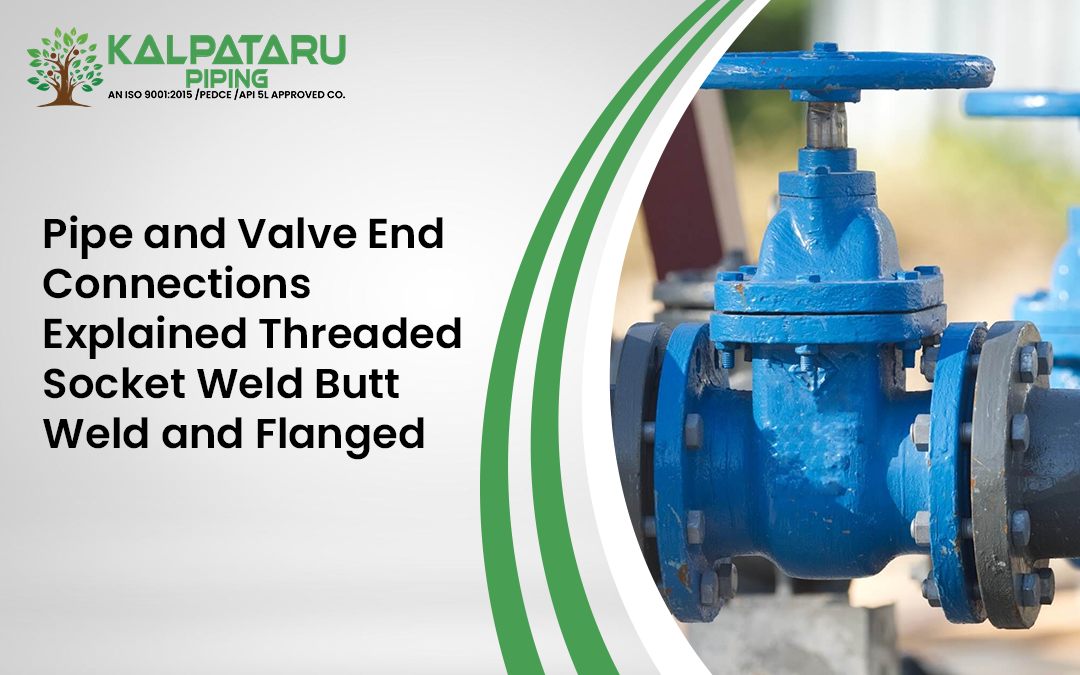
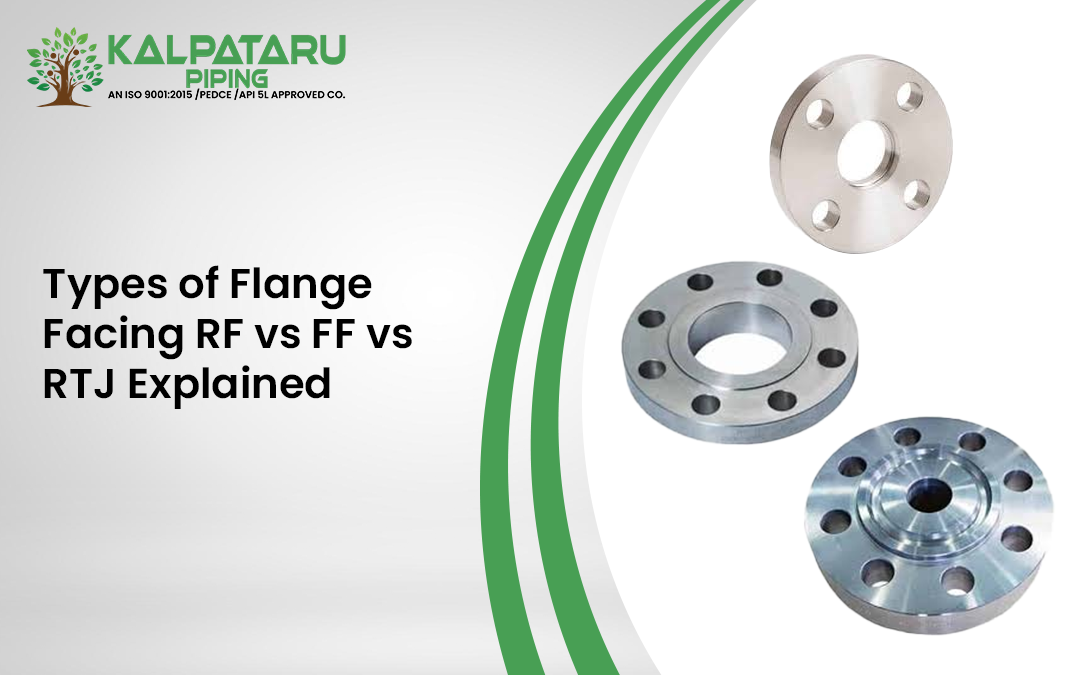
- End connections. Flanged, threaded or butt weld, matched to the line. See socket weld vs butt weld connections and our supply of flanges.
- Special requirements. Fire safe design, sour service and low emission needs.
- Operation. Manual, gear operated or actuated.
|
Service Condition |
Material Direction |
Notes |
|
General water, air, hydrocarbons |
Carbon steel or stainless steel 304 and 316 instrumentation valves |
Most common choice |
|
Chloride, offshore, high strength need |
Duplex or super duplex instrumentation valves |
Higher pitting resistance |
|
Strong acids and severe corrosion |
Hastelloy instrumentation valves / nickel alloy instrumentation valves, Alloy 20 |
Match alloy to the chemical |
|
Seawater and marine |
Copper nickel, titanium instrumentation valves, super duplex |
Verify temperature limits |
This table is a starting point, not a selection guarantee. For stainless options, see our stainless steel 304 and 316 instrumentation valves. For corrosive duty, see nickel alloy instrumentation valves. For background on material choice, read our guide on preventing corrosion in industrial piping.
Standards and Testing
A few standards come up again and again in DBB valve specifications.
- API 6D: the pipeline valve standard, which covers DBB and DIB valve definitions and testing.
- ASME B16.34: valve pressure and temperature ratings and design requirements.
- Other references to check on the datasheet: ASME B16.5 for flanges, API 607 or ISO 10497 for fire safe testing, and NACE MR0175 or ISO 15156 for sour service. ISO 14313 is the international counterpart of API 6D.
The project specification and the valve datasheet always override a general guide like this one, so use them as the final word on class, testing and materials.
Conclusion:
A DBB valve gives two sealing barriers and a bleed point, so a line section can be isolated and the seals checked before work starts. The point to carry away is that DBB, DIB and the two-valve arrangement are not interchangeable: confirm which one the specification calls for, then match size, pressure class, material and cavity relief to the service. If you are comparing DBB and DIB options for a specific line or instrument, you can share the service conditions with Kalpataru Piping and our team will go through the options with you.
Frequently Asked Questions
What is a double block and bleed valve?
It is a valve arrangement with two sealing barriers and a bleed or vent point between them. It lets you isolate a line section, drain the trapped media and confirm that both barriers hold before maintenance begins.
How does a double block and bleed valve work?
You close the upstream block, close the downstream block, then open the bleed to drain the space between them. If the bleed stays dry or pressure free, both barriers are holding and the section is safe to work on.
What is the difference between DBB and DIB?
A DBB valve has two seats and a bleed. A DIB valve adds an extra barrier against pressure from one side. DBB designs often relieve cavity pressure through the seats, while DIB designs usually need external relief.
What is the bleed valve used for?
The bleed valve drains trapped media from the cavity between the two barriers. It also acts as a check, because continued flow or pressure at the bleed shows that a barrier is leaking.
Is a double block and bleed valve the same as a double isolation valve?
No. They are related but different. A double isolation and bleed valve provides an extra barrier against one sided pressure. Check the class on the datasheet, since DIB valves come in classes such as DIB-1 and DIB-2.
Where are double block and bleed valves used?
They are used in oil and gas, petrochemical and chemical plants, storage and transmission, LNG and gas processing, meter proving, and at instruments such as pressure transmitters, gauges and sample points.
What materials are DBB valves made from?
Common choices are carbon steel and stainless steel 304 or 316. Duplex and super duplex suit chloride and offshore duty. Hastelloy, Inconel, Monel and alloy 20 suit severe corrosion, and copper nickel or titanium suit seawater.
How do I choose a DBB valve for an instrument line?
Match the size, pressure rating, end connection and material to the line and the fluid. Decide whether you need a single valve or a manifold, and confirm the bleed outlet can be piped to a safe location.