
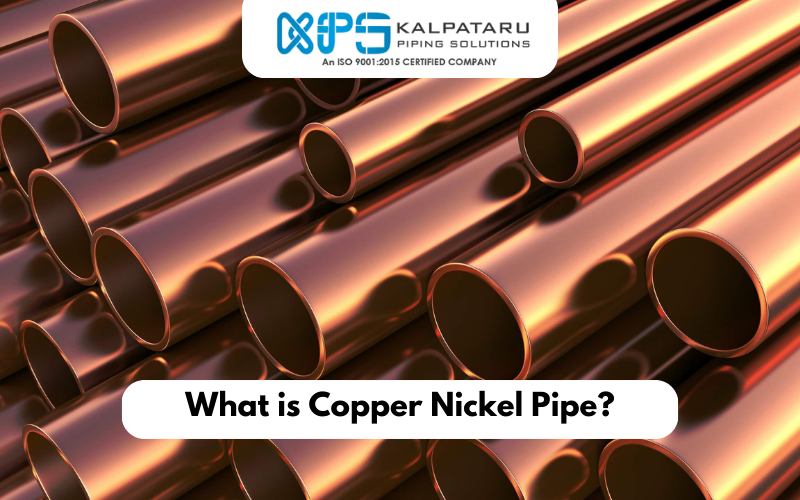
What is Copper Nickel Pipe?
Copper nickel alloys are composed of copper with a significant percentage of nickel and, in some cases, other elements like copper. These alloys are known for their excellent corrosion resistance, especially in marine applications. They are commonly used in various...
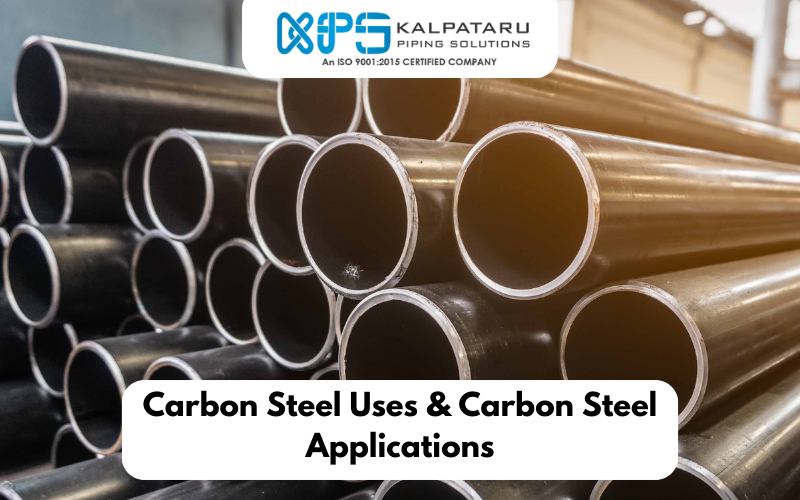
Carbon Steel Uses | Carbon Steel Applications
Carbon steel products are a type of steel that is primarily composed of carbon and iron, with small amounts of other elements such as manganese, silicon, sulfur, and phosphorus. The carbon content in carbon steel typically ranges from 0.05% to 2.0%. The level of...
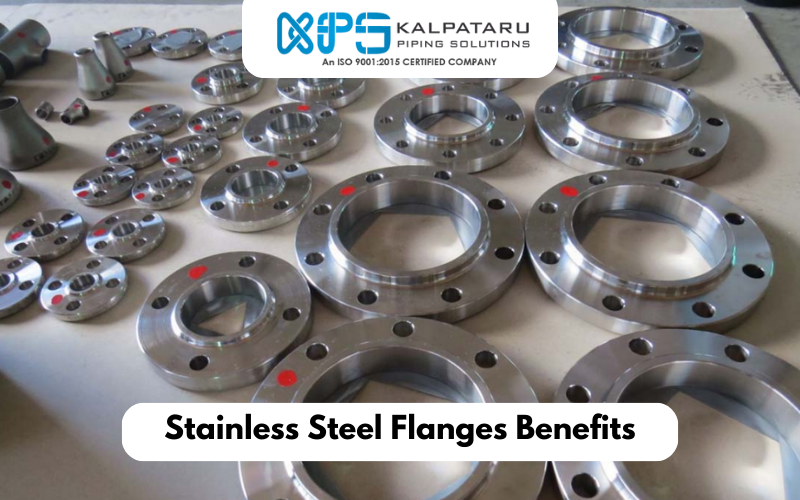
Stainless Steel Flanges Benefits
Kalpataru Piping Solutions is a leading manufacturer of stainless steel flanges, renowned for its commitment to excellence and unwavering dedication to quality. Our unwavering focus on crafting high-precision stainless flanges including stainless steel 304, stainless...
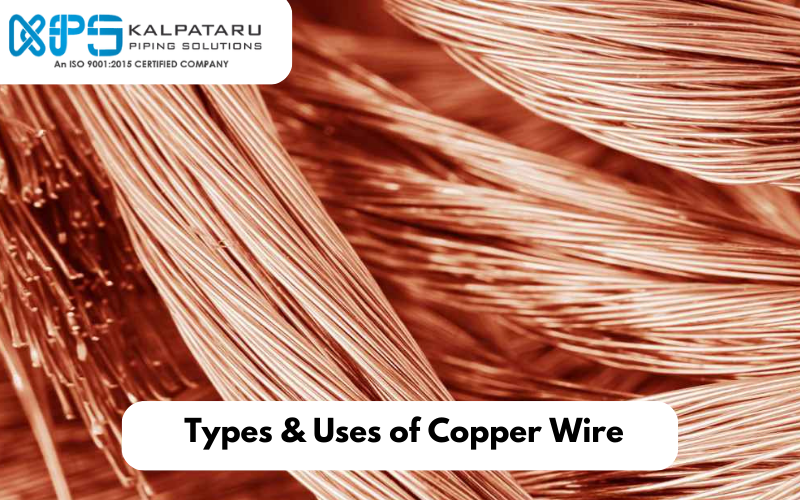
Types | Uses | Benefits Of Copper Wire
Copper wire, an essential electrical conductor employed in various applications, is common in residential, commercial, and industrial settings. Comprising either single or multiple strands of pure copper, it is safeguarded by insulation materials like polyvinyl...
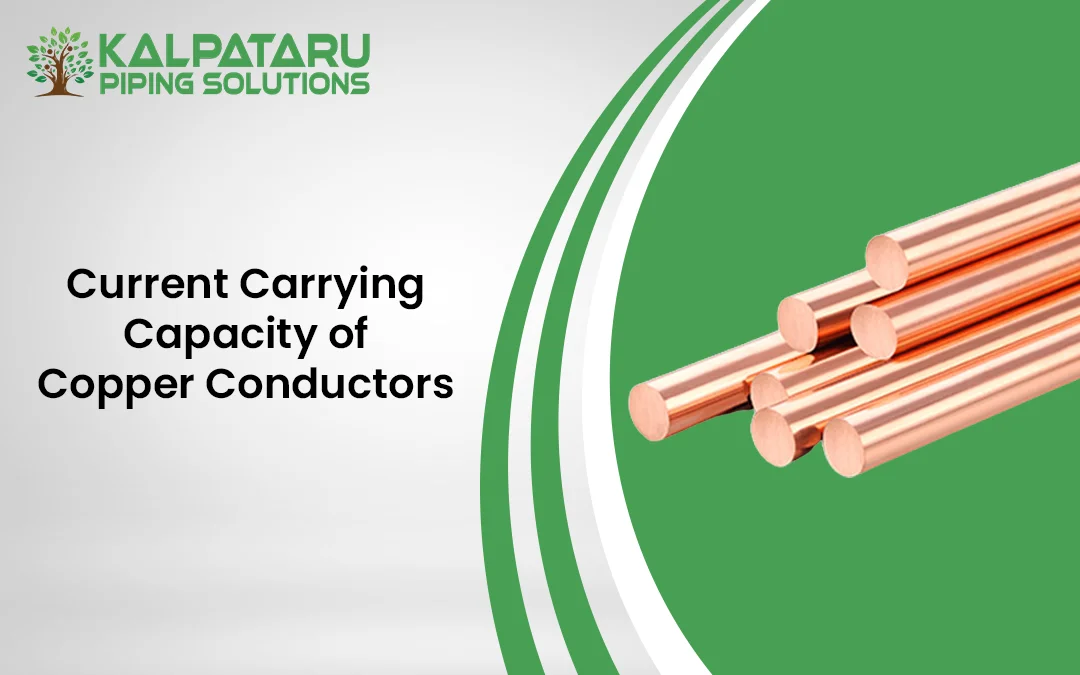
Current Carrying Capacity of Copper Conductors
Current carrying capacity of copper conductors is a measure of the maximum current (in amperes) which a wire can safely carry without overheating, and destroying its insulation. The conductor heat is produced when an electrical current passes through it. The amount of...
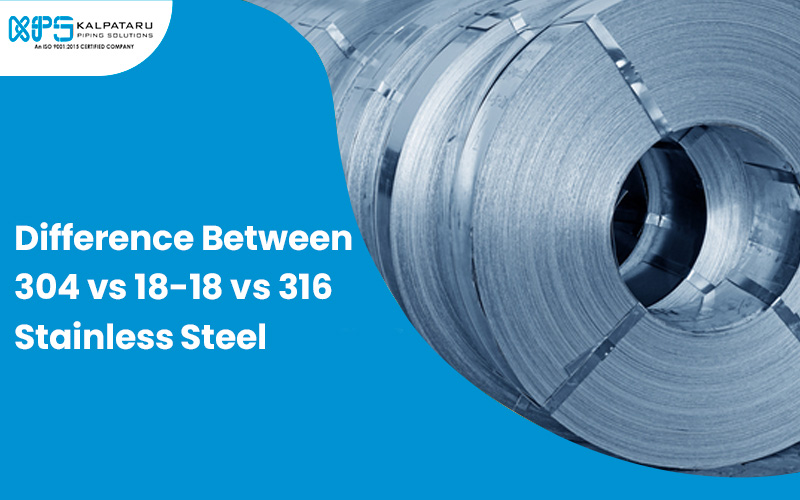
What Is The Difference Between 304, 18-8 and 316 Stainless Steel?
When dealing with stainless steel, it becomes imperative to distinguish between the various grades, such as 18-8, 304, and 316, particularly in relation to their suitability for different applications. It's essential to ensure that the chosen grade aligns with the...
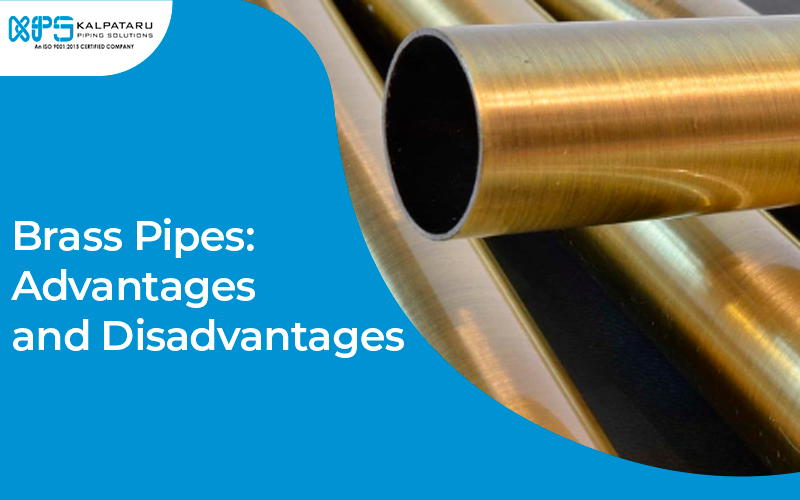
Brass Pipes: Advantages and Disadvantages
5 Advantages of Brass Pipes Brass Pipes Durability: Brass pipes offer an unparalleled advantage in terms of durability. Composed of an exceptionally strong metal, brass can withstand the ravages of corrosion, rust, and various environmental factors for extended...
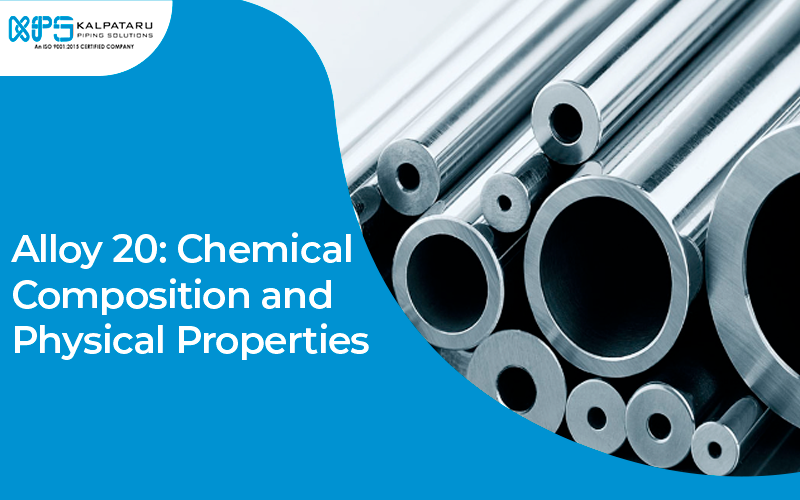
Alloy 20 / UNS N08020
Austenitic alloy - Alloy 20 is based on nickel, iron, and chromium and has high corrosion resistance in settings including sulfuric acid and other hostile fluids. This alloy is stabilized with niobium to stop intergranular corrosion. When carefully compared to higher...
Difference Between Duplex and Super Duplex Stainless Steel
What is the Difference Between Duplex and Super Duplex Stainless Steel? Significant difference between Super Duplex Stainless Steel and Duplex Stainless Steel. Super Duplex variants are characterized by a higher alloying addition of 25% chromium, in contrast to Duplex...
Hastelloy C276: Chemical Composition, Mechanical Properties
Hastelloy C276 (UNS N10276 / DIN 2.4819) is the most widely specified nickel-molybdenum-chromium alloy in severe corrosion service. Developed specifically to resist the broadest possible range of aggressive chemical environments, from strongly reducing acids to...
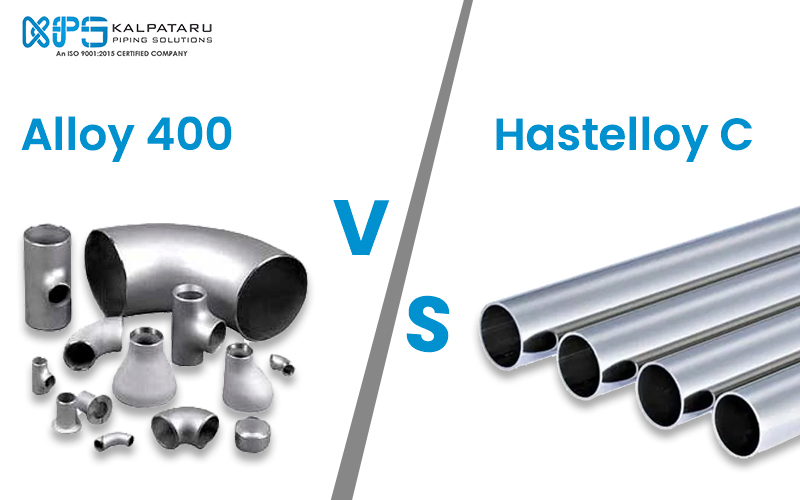
Difference Between Alloy 400 and Hastelloy C
Industries such as aerospace, chemical processing, and petrochemicals depend greatly on corrosion-resistant alloys to guarantee the longevity and strength of their equipment. Two prominent alloys in the market, namely Alloy 400 and Hastelloy C, have earned a...

Heat Treatment of Copper and Copper Alloys
Heat treatment of copper alloys is performed to enhance the mechanical & physical properties of copper alloys. These materials are good at conducting electricity, resist corrosion and easy to shape to use in many industrial applications. The strength, hardness...