Latest Blogs

Pipe and Valve End Connections Explained: Threaded, Socket Weld, Butt Weld and Flanged
Pipe connections are mainly classified into four types: threaded, socket weld, butt weld, and flanged. The choice of the kind of connection should be determined by such factors as pipe size, working pressure, operating conditions, and frequency of disconnections. It...
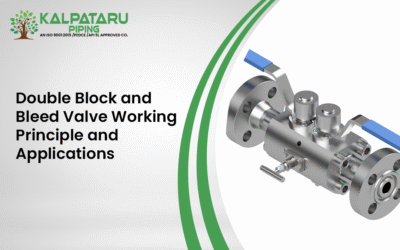
Double Block and Bleed Valve: Working Principle and Applications
A double block and bleed (DBB) valve is a valve that seals one area of pipe with a second valve and then vents between the valves to allow the pressure to drop and checks the valve seals prior to beginning maintenance. There is no such check with one closed valve....
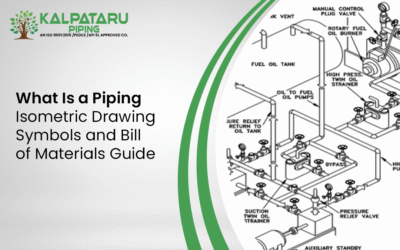
What Is a Piping Isometric Drawing? Symbols and Bill of Materials Guide
A piping isometric drawing is a single-lined, three-dimensional drawing of one pipe line, prepared on an isometric grid and not to scale. This drawing includes pipe line, dimensions, fittings, welds, and bill of materials (BOM). This guide will include the components...
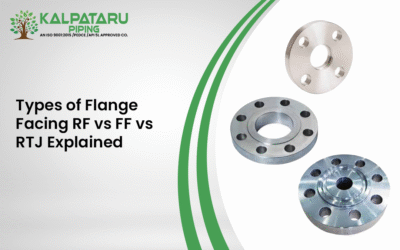
Types of Flange Facing: RF vs FF vs RTJ Explained
The types of flange facing are raised face, flat face and ring type joint, plus two special faces called tongue and groove and male and female. Every face refers to the machined surface that holds the gasket. The design determines how the joint will function. If the...
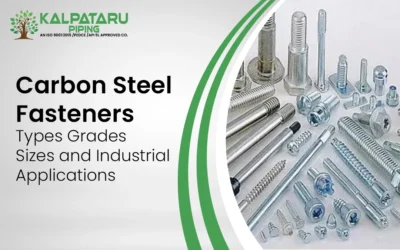
Carbon Steel Fastener: Types, Grades, Sizes and Industrial Applications
Carbon steel fasteners are widely used in the construction and manufacturing industry to connect parts. In selecting carbon steel fasteners, certain aspects are taken into account, including material grade, strength, size, thread specifics, applicable standards, as...

Weld Neck Flange vs Slip On Flange: Key Differences, Advantages and Uses
When you are tasked with selecting between either a weld neck or a slip on flange then it is important to remember that the type of flange considered affects the connection being made and the overall cost. Not only is it true that choosing between a weld neck and a...
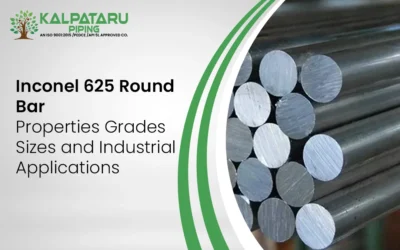
Inconel 625 Round Bar Properties, Grades, Sizes and Industrial Applications
The Inconel 625 round bar is a bar made from a nickel-based chromium-molybdenum-niobium alloy that is used in applications where corrosion resistance and strength and reliable performance are paramount in challenging operating environments. The governing material...
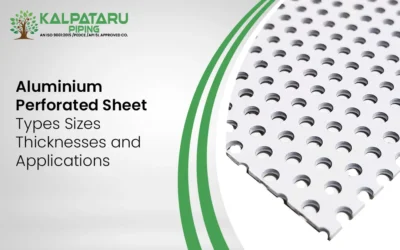
Aluminium Perforated Sheet Types, Sizes, Thicknesses and Applications
Aluminium perforated sheets are flat sheets of aluminium with a specific arrangement of holes. The holes can be geometric shapes such as circular, square, rectangular, and hexagonal, or can be customized according to the needs of the users. The combination of...
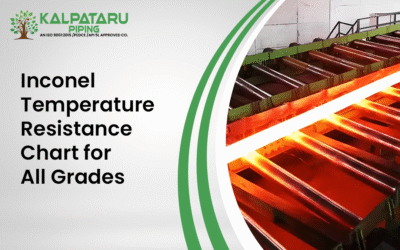
Inconel Temperature Resistance Chart for All Grades
The most important thing about Inconel from a specs point of view is its ability to maintain strength and resist oxidation at high enough temperatures that would otherwise cause other stainless steels to become soft or scale. one heat limit. Grade 625 tops out well...
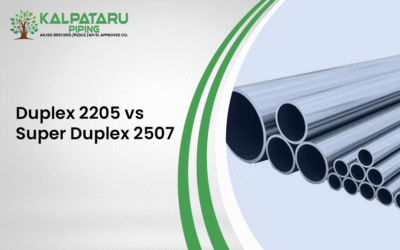
Duplex 2205 vs Super Duplex 2507: Key Differences and How to Choose
Duplex 2205 and Super Duplex 2507 are on the same spec sheet for pressure vessels, offshore piping, seawater systems, and the choice between them really comes down to one question: how much chloride exposure.The duplex workhorse is 2205, the one sold and priced for...