In the case of constructing a reliable system of piping oil and gas, petrochemicals, power plant or pharmaceutical, the quality of your stainless steel flanges will make or break the whole installation. Here’s the plagiarism-free version with all headings retained and keywords naturally included:
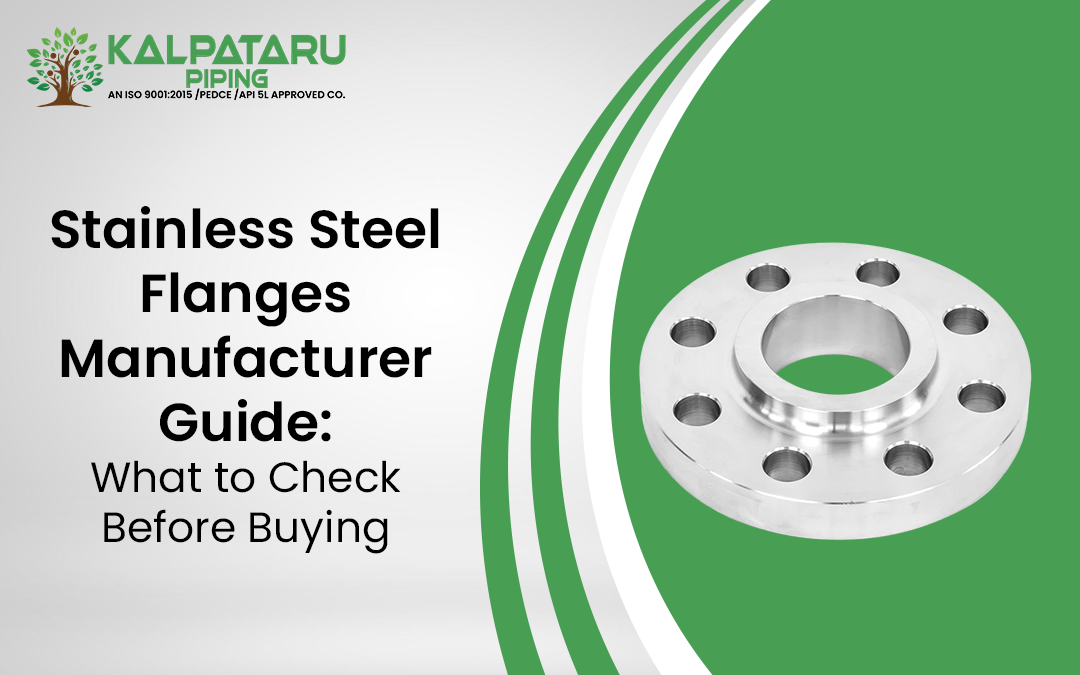
A stainless steel flange is a highly-designed ring element that is utilized to fix pipe sections, or hook up mechanical assemblies that require a secure and leak-free association. It would be necessary to learn about the stainless flanges prior to ordering it because it comes in a broad range of sizes, dimensions, shapes, and pressure ratings to meet the different project needs.
Since there are a large number of configurations to choose, choosing the correct steel flange is reduced to matching your selection to individual requirements in the field of application, and the standards available. The choice of materials and design when ordering stainless steel flanges is conditioned by a number of important factors, and the knowledge of each of them can make a considerable contribution to the performance and cost-effectiveness in the long term.
Selection of Various Types of SS Flanges Available:
Based on your project requirement, here are the types of stainless flanges that you can buy:
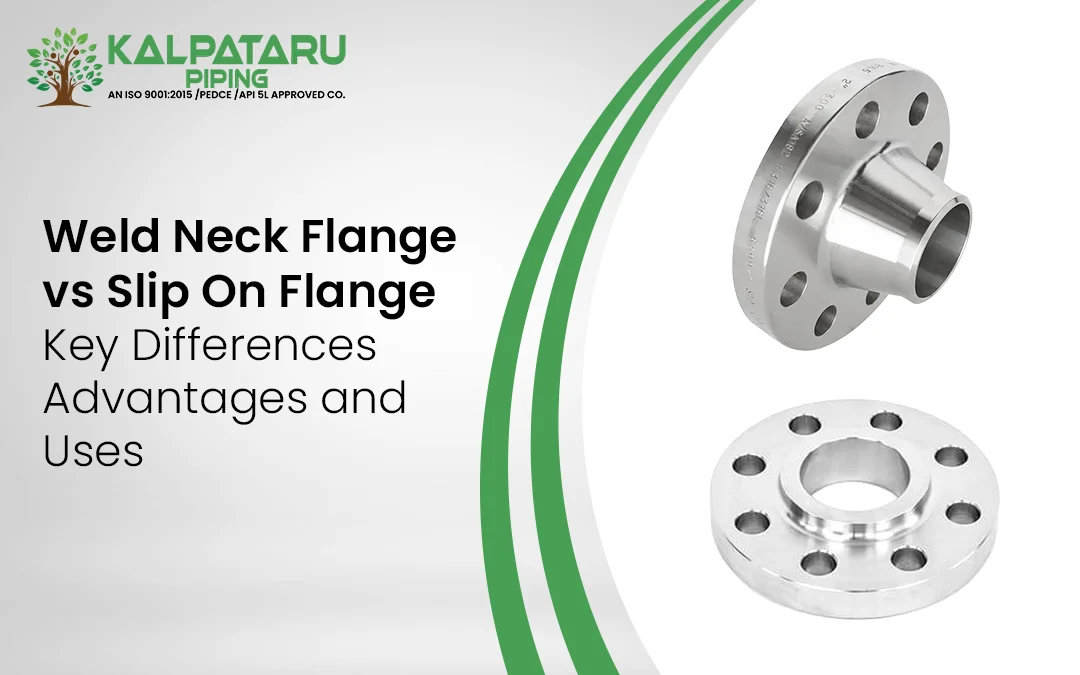
- SS Slip-On Flanges: Slip-on flange is one of the most cost effective stainless flanges, which have a bore diameter that is marginally bigger than the pipe and as such, can be easily slipped over the pipe. They are highly adapted to low pressure systems, and they are usually selected where the use of weld neck flanges is not feasible due to the budget constraints or space constraints.
- SS Weld Neck Flanges: Weld neck flanges are identifiable by their unique tapered neck which is designed to withstand harsh working conditions such as low temperatures, high pressure conditions and excessive thermal swings. Steel flange bore coincides perfectly with the bore of the pipe forming a robust and smooth connection that reduces turbulence and internal erosion.
- SS Blind Flanges: Blind stainless steel flanges are used to characterize the end of a piping system and thus they are the best when there is need in regular inspection or maintenance access. They can withstand a great deal of mechanical stress due to internal fluid pressure, and are generally applied in blanking pipelines, valves, and pressure vessels.
- SS Threaded Flanges: These are stainless flanges that are installed without welding and therefore can be easily dismantled and re-installed. They do not usually work well in a system which is prone to bending stress, high temperatures or high-pressure environments. To provide extra security, a seal weld can be used with the threaded connection. These may be provided without a hub or in surface-treated carbon steel in order to reduce costs.
- SS Lap Joint Flanges: It is a variation of the slip-on variety, lap joint stainless steel flanges are often employed in low-alloy or carbon pipe systems where serviceability is of concern. Whereas they appear visually the same as slip-on flanges, they have a curved interior edge at the flange face thus fitting a stub end.
- SS Socket-Weld Flanges: The smaller-diameter, high-pressure flanges are used in steam line service, and offer internal welds to improve the connection life of the flanges. The bore and flange bore are exactly the same and thus the path of flow is smooth and efficient through the joint.
- SS Orifice Flanges: Orifice stainless flanges are designed so that the orifices serve to offer controlled entry points to liquids or gases inside a pipeline. They exist in all normal size scales and can be used in conjunction with the vast amount of stainless steel flange materials which makes them very versatile in flow measurements.
- SS Forged Flanges: Forged flanges are made of stainless steel that is forged to join two mechanical parts and provide a higher level of strength and structural integrity than cast products. They are easy to inspect, clean and modify the system. Forged stainless flanges are available in various configurations depending on the need of the application in the industry and are usually given in high-pressure industrial applications.
How to Choose the Stainless Steel Flange
The first thought when choosing stainless flanges is the determination of the exact diameter of the pipe you will need on your system. It is also necessary to know the type of connected pipes whether they are seamless or welded and this also determines the type of flange that is best applied. Stainless steel flanges are discs or rings which are joined to the ends of pipes to enhance structural support and an increase in system strength. They are normally welded or threaded. These parts may be designed to suit the specifications of the customer, which frequently makes a personalized answer more feasible than choosing to utilize off-the-shelf criterion items.
The ASME B16.5 standard regulates the pressure-temperature rating, size, material and marking of the stainless steel flanges that are 24 inches in diameter or less. ASME B16.47 contains the equivalent specifications to larger diameter use, and has much greater coverage of heavy duty industrial systems.
Choose Flanges Based on Design of the Project
Stainless steel flanges are produced in a variety of grades and the correct selection must indicate the nature of operation as well as cost factors. Although more advanced materials might have a higher initial price attached to them, they offer higher stability and longer serviceability. Both SS 304 and SS 316 are chromium-nickel iron alloys, both alloys containing about 95 percent alloy composition, providing solid resistance to daily corrosion, exposure to chemicals and other types of material corrosion and degradation. The low-carbon equivalents of these, SS 304L and SS 316L, are used in welded assemblies. SS 317 stainless flanges contain more additions of chromium and nickel that contain low carbon content, and thus can be used in more aggressive conditions.
Key Industries That Rely on Stainless Steel Flanges
Stainless steel flanges are extensively used in many industries like:
- Oil & Gas: The high pressure pipelines and subsea equipment where the resistance to corrosion is very important.
- Petrochemicals & Refineries: Aggressive chemicals, acids and hydrocarbons when in the high temperatures.
- Power Generation: Steam pipelines and heat exchangers which are subject to thermal cycling and high pressure.
- Pharmaceutical/ Food Processing: Sanitary grade flanges, which are hard to contaminate and are straightforward to clean.
- Chemical Processing: Processing of corrosive media such as acids, alkalis and solvents.
- Shipbuilding & Marine: SS 316 or duplex steel flanges are required when in contact with salt water.
Buy Stainless Flanges From Kalpataru Piping
Buying stainless steel flanges is not a one-size-fits-all decision. The correct product relies on a keen consideration of the pipe diameter, grade of material, type of flange, pressure category, type of face, standards to be applied and your unique operating environment. Adhering to the rules presented in this purchasing document, you will be able to minimize the chances of errors in specifications, excessive rework, and system crashes to a considerable degree.
At Kalpataru Piping, we are here to help you make the right choice. Our experienced team offers technical guidance, competitive pricing, and fast delivery across India and international markets. Reach out today to get started.