What is a Duplex Pipe?
Duplex pipes are a specialized type of stainless steel pipe known for their exceptional strength and corrosion resistance. They derive their name from their unique microstructure, which consists of two distinct types of stainless steel: ferritic and austenitic.
- Ferritic Layer: This inner layer is rich in chromium, providing excellent resistance to corrosion, particularly in harsh environments like those containing chloride ions.
- Austenitic Layer: The outer layer, with its finer grain structure and higher carbon content, contributes to the pipe’s exceptional strength and durability.
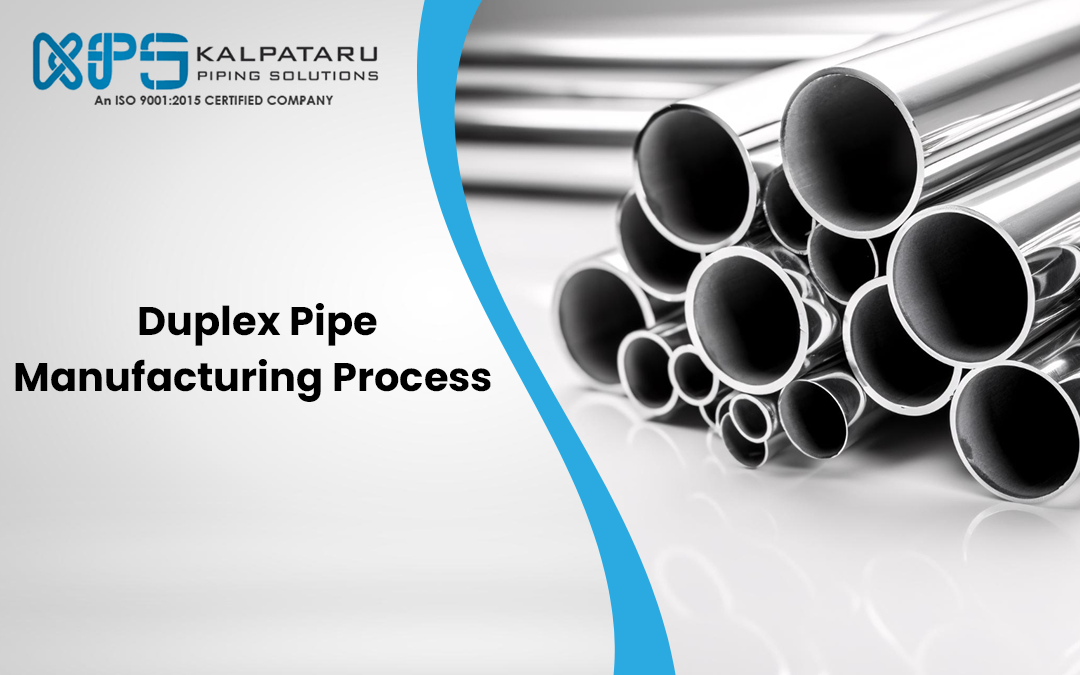
Duplex Pipe Manufacturing Process
Duplex pipes are manufactured through a multi-stage process involving steelmaking, forming, and heat treatment. The process typically begins with the melting of scrap steel and alloying elements in an electric arc furnace. The molten steel is then transferred to an argon-oxygen decarburization (AOD) converter, where impurities are removed and the desired chemical composition is achieved. The duplex pipe price is higher due to the complexities of their manufacturing process, particularly cold forming and heat treatment.
Cold Forming Challenges:
- High Forming Forces: Duplex stainless steels exhibit significantly higher strength than austenitic grades, necessitating significantly greater forming forces. This translates to:
- Increased equipment demands: More powerful machinery is required for bending, drawing, and other forming operations.
- Higher energy consumption: Increased force translates to higher energy consumption during the manufacturing process.
- Work Hardening: Duplex steels exhibit pronounced work hardening during deformation, leading to a rapid increase in strength. This necessitates careful consideration of forming limits to prevent equipment overload and ensure consistent product quality.
- Lower Ductility: Compared to austenitic stainless steels, duplex grades have lower ductility. This necessitates:
- Larger bending radii: To avoid cracking and ensure successful forming.
- Intermediate annealing: Frequent heat treatments are required during complex forming operations to prevent work hardening and maintain formability.
Heat Treatment Considerations:
- Solution Annealing: After each cold forming operation, a complete solution annealing treatment is crucial to:
- Restore the optimum microstructure.
- Ensure optimal mechanical properties and corrosion resistance.
- Temperature and Time: Solution annealing requires precise temperature control and sufficient holding times to fully dissolve intermetallic phases.
- Rapid Quenching: Rapid water quenching is essential after solution annealing to stabilize the desired microstructure.
Applications of Duplex Pipes
- Oil and Gas Industry: Duplex pipes are extensively used in offshore and onshore oil and gas pipelines, particularly in corrosive environments.
- Chemical Processing: The excellent corrosion resistance makes them suitable for handling various chemicals and acids in process plants.
- Desalination Plants: Duplex pipes are used in seawater desalination plants due to their resistance to chloride-induced corrosion.
- Marine Applications: The combination of strength and corrosion resistance makes them ideal for shipbuilding and marine structures.
- Pulp and Paper Industry: Duplex pipes are used in the pulp and paper industry to handle corrosive chemicals and slurries.
Conclusion
Duplex SS pipes have emerged as a game-changer in various industries, offering great features of strength, corrosion resistance, and cost-effectiveness. Duplex stainless steel boasts a unique microstructure, combining austenitic and ferritic phases. This synergistic interplay provides exceptional resistance to a wide range of corrosive environments.
Kalpataru Piping Solutions is a leading manufacturer of high-quality duplex steel pipes in India and South Africa. We offer a diverse range of duplex steel products in various grades and sizes, catering to diverse industry needs. Our expertise extends to custom manufacturing, ensuring we can deliver best solutions to meet your specific requirements. Contact us today to explore our product range and discuss your project needs.
FAQs
What is a Duplex Pipe?
A duplex pipe is a type of stainless steel pipe that possesses a unique microstructure. It is composed of two distinct phases: austenite and ferrite, existing in roughly equal proportions within the metal.
How thick is a duplex pipe?
The thickness of a duplex pipe can vary significantly depending on the specific application and required strength. Round duplex pipes can have outer diameters ranging from 6 mm to 630 mm, with wall thicknesses ranging from 0.5 mm to 30 mm.
What is the pressure rating of a duplex pipe?
The pressure rating of a duplex pipe is influenced by several factors, including pipe diameter, wall thickness, the specific grade of duplex steel, and the operating temperature. To determine the precise pressure rating should consult relevant industry standards with these factors.