
Latest Blogs
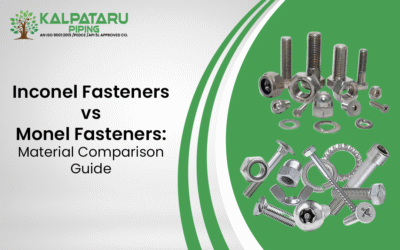
Inconel Fasteners vs Monel Fasteners: Material Comparison Guide
When it comes to high-performance fastening solutions in the demanding industrial environment, there are always two materials that are shining through them, and these are Inconel Fasteners and Monel Fasteners. Both alloys are nickel
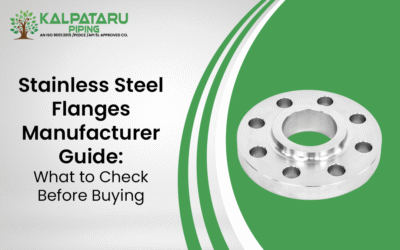
Stainless Steel Flanges Manufacturer Guide: What to Check Before Buying
In the case of constructing a reliable system of piping oil and gas, petrochemicals, power plant or pharmaceutical, the quality of your stainless steel flanges will make or break the whole installation. Here's the plagiarism-free version with all headings retained and...
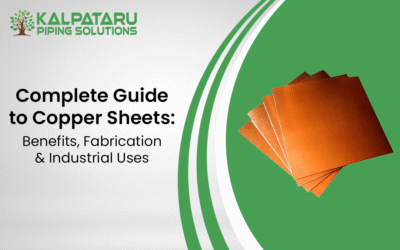
Complete Guide to Copper Sheets: Benefits, Fabrication & Industrial Uses
Copper is a rare metallic element that is naturally present in a formable state, and it has continued to be a pillar of modern-day manufacturing. Copper sheets can be found everywhere, in the complexity of phone circuits, to the rough exterior of an industrial heat...
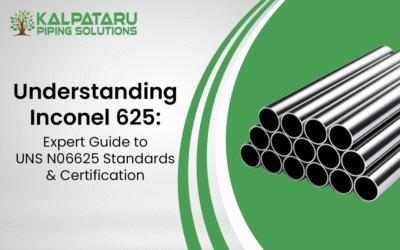
Understanding Inconel 625: Expert Guide to UNS N06625 Standards & Certification
Alloy 625 is often desirable when the engineers need to choose the material to be used in the environment where zero failure is required. The nickel superalloy is famous because it can be subjected to high levels of stress, oxidation, and corrosive conditions as low...
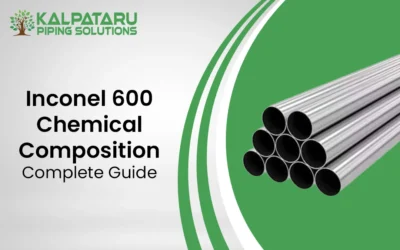
Inconel 600 Chemical Composition — Complete Guide
Inconel 600 or UNS N06600 is a common engineering material, which is applied in the field when the material is required to be resistant to corrosion and heat.UNS N06600 chemical composition is essential in industries that work in highly extreme environments.It is an...
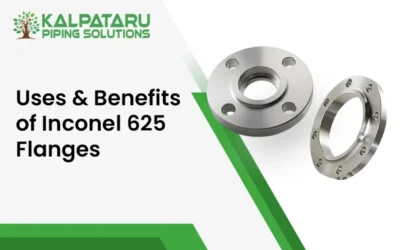
Uses & Benefits of Inconel 625 Flanges
Inconel Flanges are not selected using the strength of the material only; it is a promise of reliability in its operations and lower costs of life. In the case of industries in which the failure of components equates to catastrophic safety risks and costly downtime, this alloy, with its excellent combination of corrosion protection and elevated temperature stability,
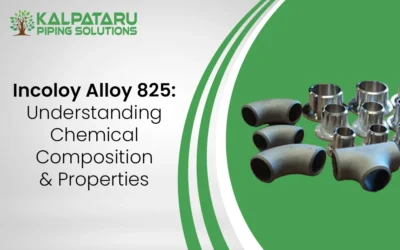
Incoloy Alloy 825: Composition, Properties & Applications
Incoloy 825, also known as alloy 825, is a material that is designed to last as long as possible in the most extreme conditions. The alloy of this 825 is primarily employed in highly diffusive chemical process, pollution control and oil and gas industry due to...
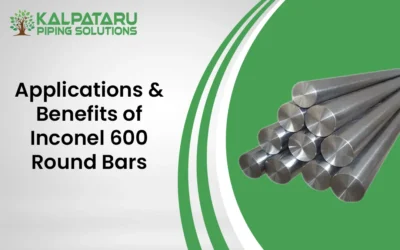
Application & Benefits of Inconel Alloy 600 Round Bars
What is Inconel 600 Material? Inconel 600 is a high-performance nickel-chromium alloy that is highly stable chemically and can find application in high-temperature and corrosive conditions. The production of this alloy was based on the high standard, like ASTM B166...
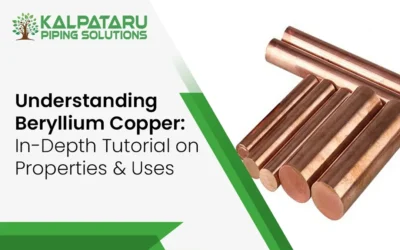
Comprehensive Guide to Beryllium Copper (BeCu) Properties
Imagine a material that offers the resilience of a high-strength alloy while maintaining the conductivity and workability of copper, that’s precisely what beryllium copper delivers. Beryllium copper also known as BeCu, spring copper, copper beryllium or beryllium...
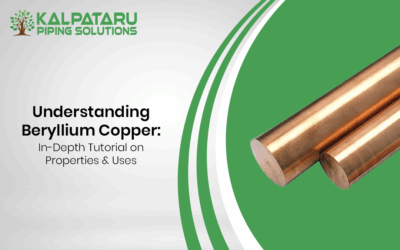
Understanding Beryllium Copper: In-Depth Tutorial on Properties & Uses
What is Beryllium Copper? Beryllium copper (BeCu) is a high performance copper alloy which is a combination of copper and 0.5 to 3 percent beryllium forming a material that is characterized by high level of strength, non-magnetic and non-sparking. The specific grade...