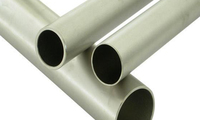
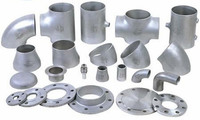
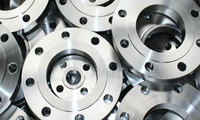
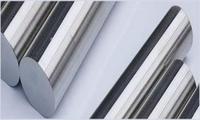
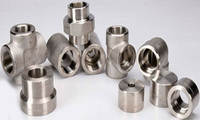
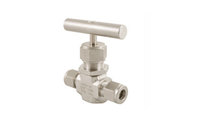
Kalpataru Piping provides a complete range of Hastelloy products in grades C-276, C-22, C-2000, B-2, B-3, and X. Our products contain Hastelloy pipes, tubes, buttweld fittings, forged fittings, flanges, fasteners, round bars, wires, plates, and sheets used in corrosion-resistant service applications. Dedicated forms of the product are selected for C-276 Hastelloy, C-22 Hastelloy, and Hastelloy B2; as well as for forged fittings, plates, and sheets made from Hastelloy and round bars and wires.
For piping requirements, we supply Hastelloy C22 seamless pipes and tubes, while C276 options are available across multiple product forms and specifications. Products can be supplied to applicable ASTM, ASME, DIN, EN and JIS requirements, subject to the specific product and project specification.
Every consignment is supplied with EN 10204 3.1 MTC, PMI verification and full heat traceability, with NACE MR0175 compliance where specified. Materials are inspected and tested against applicable technical requirements, and customized sizes, dimensions and specifications can be provided according to drawings or project requirements
Table of Contents
- What is Hastelloy?
- Hastelloy Products We Supply
- Hastelloy Round Bar Specifications
- Hastelloy Buttwelded Fittings Specifications
- Properties of Hastelloy Alloy
- Hastelloy Alloy ASTM Standard
- Hastelloy Composition
- Hastelloy Equivalent
- Hastelloy Temperature Range
- Hastelloy Alloy Applications & Uses
- Corrosion Cracking Comparison
- Seawater Resistance Comparison
- Hastelloy Hardness Full Form
- FAQ’s About Hastelloy
What is Hastelloy?
Hastelloy is a family of nickel based alloys with outstanding corrosion resistance, strength and durability in harsh industrial applications. Each grade has different properties as a result of the different quantities of nickel, chromium, molybdenum, iron, tungsten and other alloying elements found in each grade.
Common grades include Hastelloy C-276, C-22, C-4, B-2, B-3, C-2000 and X. These alloys are chosen depending on the necessary corrosion resistance, temperature and working conditions.
Hastelloy products are popular in the chemical processing, oil and gas, pharmaceutical, power generation, marine and pollution control industries. They can be made in the form of pipes, tubes, fittings, flanges, plates, sheets, bars and forgings.
The correct Hastelloy grade will depend on the application, chemical environment, operating and temperature conditions.
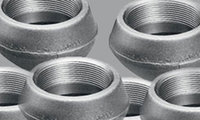
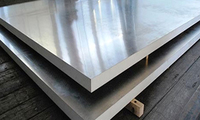
Hastelloy Products We Supply
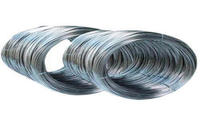
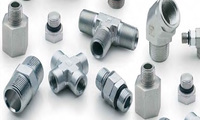
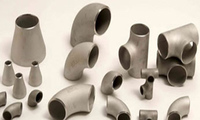
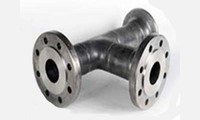
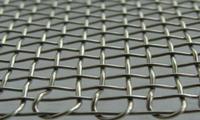

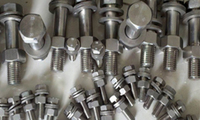
Hastelloy Round Bar Specifications
| Parameter | Details |
|---|---|
| Specifications | ASTM B574 / ASTM SB574 |
| Dimensions | EN, DIN, JIS, ASTM, BS, ASME, AISI |
| Size | 5 mm to 500 mm |
| Diameter | 0.1 mm to 100 mm |
| Length | 100 mm to 3000 mm long & above |
| Finish | Black, Bright Polished, Rough Turned, No.4 Finish, Matt Finish, BA Finish |
| Tolerance | H8, H9, H10, H11, H12, H13, K9, K10, K11, K12 or as per client's requirement |
| Form | Round, Square, Hex (A/F), Rectangle, Billet, Ingot, Forging etc. |
Hastelloy Buttwelded Fittings Specifications
| Parameter | Details |
|---|---|
| Specifications | ASTM B366 / ASME SB366 |
| Size | Seamless Butt Weld Fittings: 1/2″ – 10″, Welded Butt Weld Fittings: 1/2″ – 48″ |
| Standards | ASME/ANSI B16.9, ASME B16.28, MSS-SP-43 |
| Thickness | 5s, 10s, 40s, 80s, 10, 20, 40, STD, 60, 80, XS, 100, 120, 140, 160, XXS — available with NACE MR 01-75 |
| Type | Seamless / Welded / Fabricated |
Corrosion Resistance Comparison
Critical pitting and crevice corrosion temperatures in acidified 6% FeCl₃, across common alloy grades.
| Alloy | Critical Pitting Temp °F | Critical Pitting Temp °C | Critical Crevice Temp °F | Critical Crevice Temp °C |
|---|---|---|---|---|
| 316L | 59 | 15 | 32 | 0 |
| 254SMO | 140 | 60 | 86 | 30 |
| 625 | 212 | 100 | 104 | 40 |
| C-276 | >302 | >150 | 131 | 55 |
| C-22® | >302 | >150 | 176 | 80 |
All values are for acidified 6% FeCl₃ test conditions. Higher critical temperatures indicate greater resistance to localized corrosion.
Hastelloy Alloy ASTM Standards
| Alloy | UNS | Bars | Pipes |
|---|---|---|---|
| C-4 | N06455 | ASTM B574 / B575 / B619 | B622 / B619 / SB619 / B626 / SB626 |
| C-22 | N06022 | ASTM B564 / B472 / B574 | B622 / B619 / SB619 / B626 / SB626 |
| C-2000 | N06200 | ASTM B564 / B472 / B574 | B622 / B619 / SB619 / B626 / SB626 |
| G-30 | N06030 | ASTM B472 / B581 | B622 / B619 / SB619 / B626 / SB626 |
| G-35 | N06035 | ASTM B564 / B472 / B574 | B622 / B619 / SB619 / B626 / SB626 |
| C-276 | N10276 | ASTM B564 / B472 / B574 | B622 / B619 / SB619 / B626 / SB626 |
| Hastelloy X | N06002 | ASTM B564 / B472 / B574 | B622 / B619 / SB619 / B626 / SB626 |
| HAYNES® HR-120, NAS H38X | N08120 | — | B407 / B514 / B515 |
Hastelloy Products Chemical Composition
Nominal chemical composition (%) by alloy type.
| Alloy Type | Cr% | C% | Co% | W% | Mo% | V% | Al% | Ti% | Nb% | Fe% | Cu% | Ni% | Other % |
|---|---|---|---|---|---|---|---|---|---|---|---|---|---|
| Alloy B | 0.6 | 0.1 | 1.25 | – | 28 | 0.3 | – | – | – | 5.5 | – | rest / bal | Mn 0.80; Si 0.70 |
| Alloy B2 | 1 | 0.02 | 1 | – | 26.0–30.0 | – | – | – | – | 2 | – | rest / bal | Mn 1.0; Si 0.10 |
| Alloy C276 | 14.0–16.5 | 0.02 | 2.5 | 3.0–4.5 | 15.0–17.0 | 0.35 | – | – | – | 4.0–7.0 | – | rest / bal | Mn 1.0; Si 0.05 |
| Alloy X | 22 | 0.1 | 1.5 | 0.6 | 9 | – | – | 18.5 | – | – | – | rest / bal | Mn 0.6; Si 0.60 |
| Alloy C | 16 | 0.07 | 1.25 | 40 | 17 | 0.3 | – | – | – | 5.75 | – | rest / bal | Mn 1.0; Si 0.70 |
| Alloy C4 | 14.0–18.0 | 0.015 | 2 | – | 14.0–17.0 | – | – | 0.70 | – | 3 | – | rest / bal | Mn 1.0; Si 0.08 |
| Alloy N | 7 | 0.06 | 0.25 | 0.2 | 16.5 | – | – | – | – | 3 | 0.1 | rest / bal | Mn 0.40; Si 0.25; B 0.01 |
| Alloy S | 15.5 | 0.02 | 2 | 1 | 14.5 | 0.6 | 0.2 | – | – | 3 | – | rest / bal | Mn 0.50; Si 0.40; B 0.0009; La 0.02 |
| Alloy F | 22 | 0.02 | 1.25 | 0.5 | 6.5 | – | – | – | 2.1 | 21 | – | rest / bal | Mn 1.50; Si 0.50 |
| Alloy G | 21.0–23.5 | 0.05 | 2.5 | 1 | 5.5–7.5 | – | – | – | 1.7–2.5 | 18.0–21.0 | 1.5–2.5 | rest / bal | Mn 1.0–2.0; P 0.04; Si 1.0 |
| Alloy G2 | 23.0–26.0 | 0.03 | – | – | 5.0–7.0 | – | – | 0.70–1.50 | – | rest / bal | 0.70–1.20 | 47.0–52.0 | Mn 1.0; Si 1.0 |
| Alloy W | 5 | 0.06 | 1.25 | – | 24.5 | – | – | – | – | 5.5 | – | rest / bal | — |
Hastelloy Products Equivalent
| CES Name | USA UNS | Werkstoff Nr. |
|---|---|---|
| B-2 | N10665 | DIN 2.4617 |
| C | N10002 | — |
| C-4 | N06455 | DIN 2.4610 |
| C-276 | N10276 | DIN 2.4819 |
| G | N06007 | — |
| G-3 | N06985 | DIN 2.4619 |
| N | N10003 | — |
| S | N06635 | — |
| W | N10004 | — |
| X | N06002 | DIN 2.4665 |
Hastelloy Temperature Range
| Alloy | Operating Temperature Range |
|---|---|
| HASTELLOY® B-3® alloy | 400 – 450°C (750 – 840°F) |
| C-22 | 400 – 450°C (750 – 840°F) |
| C-276 | 870 – 1230°C (1600 – 2250°F) |
| ® N alloy | 704 – 871°C (1300 – 1600°F) |
| HAYNES® 25 alloy | 980°C (1800°F) |
| HAYNES® 188 alloy | 1095°C (2000°F) |
Corrosion Cracking Comparison
| Grade | Cracking Timing |
|---|---|
| 316L | 2 h |
| 254SMO | 24 h |
| 625 | No cracking in 1,008 h |
| C-276 | No cracking in 1,008 h |
| C-22® | No cracking in 1,008 h |
Seawater Resistance Comparison
Number of attacked sites and maximum pit depth (mm) under quiescent and flowing seawater conditions.
| Grade | Quiescent | Flowing | ||
|---|---|---|---|---|
| No. of Attacked Sites | Max. Depth (mm) | No. of Attacked Sites | Max. Depth (mm) | |
| 316L | A:2, B:2 | A:1.33, B:2.27 | A:2, B:2 | A:0.48, B:0.15 |
| 254SMO | A:2, B:2 | A:0.76, B:1.73 | A:2, B:2 | A:0.01, B:<0.01 |
| 625 | A:1, B:2 | A:0.18, B:0.04 | A:2, B:2 | A:<0.01, B:<0.01 |
| C-276 | A:1, B:1 | A:0.10, B:0.13 | A:0, B:0 | A:0, B:0 |
| C-22® | A:0, B:0 | A:0, B:0 | A:0, B:0 | A:0, B:0 |
A and B refer to duplicate test panels/specimens in the seawater exposure trial.
Hastelloy Hardness
HRB = Hardness Rockwell "B".
| Hastelloy Grade | Sheets (HRB) | Plates (HRB) |
|---|---|---|
| C22 | 93 | 95 |
| C276 | 90 | 87 |
| N | 96 | – |
| X | 54 | 54 |
Hastelloy Alloy Applications & Uses:
- Chemical processing plants
- Expansion bellow
- Nuclear plants & processing
- Industrial equipment
FAQ’s About Hastelloy Products
What is Hastelloy used for?
Hastelloy is used in chemical processing, oil & gas, marine engineering, power generation, pulp and paper, pharmaceutical, and pollution control industries. Its exceptional resistance to corrosion, oxidation, and aggressive chemicals makes it ideal for manufacturing pipes, tubes, fittings, flanges, valves, heat exchangers, reactors, and pressure vessels.
Is Hastelloy better than titanium?
Hastelloy and titanium are designed for different applications. Hastelloy offers superior resistance to strong acids, chlorides, and reducing environments, making it suitable for harsh chemical processing. Titanium is lighter and provides excellent resistance to seawater and oxidation. The better material depends on the operating environment, temperature, and corrosion conditions.
Is Hastelloy a type of steel?
No. Hastelloy is not a type of steel. It is a family of high-performance nickel-based alloys containing elements such as molybdenum, chromium, iron, and tungsten. These alloys are specifically engineered to provide outstanding corrosion resistance and high-temperature performance in demanding industrial applications.
Is Hastelloy C-276 or C-22?
Hastelloy C-276 and Hastelloy C-22 are two different grades within the Hastelloy family. Hastelloy C-276 is widely used for its excellent resistance to both oxidizing and reducing chemicals, while Hastelloy C-22 contains higher chromium content, offering improved resistance to oxidizing environments and localized corrosion such as pitting and crevice corrosion.
What are the different types of Hastelloy?
Common Hastelloy grades include Hastelloy C-22 (UNS N06022), Hastelloy C-276 (UNS N10276), Hastelloy C-2000 (UNS N06200), Hastelloy B-2 (UNS N10665), Hastelloy B-3 (UNS N10675), Hastelloy X (UNS N06002), and Hastelloy G-30 (UNS N06030). Each grade is developed to provide specific combinations of corrosion resistance, strength, and high-temperature performance for different industrial applications.