Carbon Steel Fasteners Manufacturer & Supplier in India
Kalpataru Piping supplies carbon steel fasteners for piping, structural and general industrial assemblies, including bolts, nuts, studs, threaded rods and washers. ASTM A307 carbon steel bolts and studs are available for general and specified bolting applications, with compatible nut, thread and finish options selected to suit the project requirement. Related alloy-steel bolting such as ASTM A193 Grade B7 should be specified separately where high-temperature or high-pressure service requires it.
The commercial range covers metric and imperial fasteners in multiple diameters, lengths, thread forms and surface finishes. Standard compliance depends on the fastener type and size, so quote requests should include the product form, diameter, length, thread, material/grade, quantity, finish and inspection requirement. Matching carbon steel flanges and carbon steel buttweld fittings can be included in the same piping-package enquiry.
Table of Contents
- ASTM A106 Grade B vs ASTM A53 Grade B
- ASTM A106 Grade B Pipe Specifications
- ASTM A106 Grade B Chemical Composition
- ASTM A106 Grade B Pipes Mechanical Properties
- ASTM A106 Grade B Pipe Dimensions & Weight – Schedule 40
- Pressure Rating Reference
- Applications of ASTM A106 Grade B Pipe
- Manufacturing Process & Quality Assurance
- Documentation, Packaging & Traceability
- Certifications & Project Documentation
- FAQ’s About ASTM A106 Grade B Pipes
What Are Carbon Steel Fasteners?
Carbon steel fasteners are bolts, nuts, studs, threaded rods, screws and washers manufactured from carbon-steel grades selected for the required strength, geometry and service conditions. Because uncoated carbon steel can corrode in wet or aggressive environments, finishes such as zinc coating, hot-dip galvanizing, phosphate or other specified protective systems may be used. Grade selection should follow the applicable fastener standard: ASTM A307 covers carbon-steel bolts and studs, while ASTM A193 Grade B7 belongs to alloy-steel bolting and should be treated as a separate material category.
- Carbon Steel vs Stainless Steel Fasteners
- Specifications
- Grade Chart
- Mechanical Properties
- Fastener Grade Reference (By Tensile Class)
Carbon Steel vs Stainless Steel Fasteners
|
Parameter |
Carbon Steel Fasteners |
Stainless Steel Fasteners |
|
Tensile Strength |
Depends on grade/property class; do not claim carbon steel is inherently stronger than stainless steel |
Depends on stainless grade and strength class |
|
Corrosion Resistance |
Poor unless coated |
Excellent, inherent to the material |
|
Cost |
Significantly lower |
Higher |
|
Typical Use |
Structural, flanged joints, general industrial |
Corrosive, hygienic, or marine environments |
Carbon Steel Fasteners Technical Specification
|
Parameter |
Specification / Details |
|
Material / Standard |
ASTM / ASME A193, A194 and A307. ASTM A307 carbon steel bolts, studs and threaded rods are offered for applicable applications, with compatible nuts and washers supplied to the specified standards. ASTM A193 alloy steel bolting is available as a related product category. |
|
Standards |
DIN, ISO, JIS, BS, ASME, ANSI and other applicable international standards. Specific standards are selected according to the fastener type, dimensions, thread system and application requirements. |
|
Size |
M2 to M160, subject to product type and applicable standard. Standard compliance varies by fastener type and diameter. ISO 898-1:2013 applies to specified metric bolts, screws and studs up to M39 and does not cover the complete M2-M160 range. |
|
Length |
3 mm to 200 mm, with custom lengths available on request, subject to manufacturing capability, fastener type and order requirements. |
|
Thread Type |
Metric, BSW, BSF, UNC and UNF threads, subject to product availability and specification requirements. |
|
Fastener Form |
Hex, square, round and custom-machined or threaded forms, depending on the product and application. |
|
Head Drive |
Phillips, slotted, six-lobe and other drive configurations, primarily for screws and custom fasteners. |
|
Finish / Coating |
Zinc-plated finishes in yellow, white, blue or black; black oxide or phosphate; hot-dip galvanizing; PTFE, Xylan, Dacromet and other project-specified coatings, subject to product and application requirements. Passivation is provided where applicable to the underlying material and finishing process. |
|
Testing |
Dimensional inspection, thread-gauge inspection, hardness testing, tensile or proof-load testing, chemical and material verification, and coating inspection as required by the applicable standard or purchase order. |
|
Certification |
EN 10204 3.1 Mill Test Certificate (MTC) is available for applicable products. Third-party inspection can also be arranged on request, subject to product and purchase order requirements. |
Fastener Standards & Grade Selection Carbon Steel Fasteners
Grade |
Carbon (C) % |
Manganese (Mn) % |
Silicon (Si) % |
Sulfur (S) Max. % |
Phosphorus (P) Max. % |
SAE 1020 |
0.18–0.23 |
0.30–0.60 |
0.10–0.30 |
0.05 |
0. |
Mechanical Properties
|
Property |
Value |
|
Ultimate Tensile Strength (Min) |
70 ksi (485 MPa) |
|
0.2% Yield Strength (Min) |
36 ksi (250 MPa) |
|
Elongation (Min) |
30% |
|
Reduction of Area (Min) |
22% |
|
|
|
|
Hardness (Max) |
187 HBW |
Fastener Grade Reference (By Tensile Class)
A quick way to read a bolt marking without digging through a standard:
|
Property class |
Material note |
Tensile reference |
Yield reference |
|
4.6 |
Low/medium carbon steel |
400 MPa nominal minimum tensile class reference |
240 MPa yield-related reference |
|
8.8 |
Medium-carbon or alloy steel depending on manufacturing/specification |
800/830 MPa class reference |
640/660 MPa class reference |
|
10.9 |
Typically quenched-and-tempered higher-strength steel |
1040 MPa class reference |
940 MPa class reference |
|
12.9 |
High-strength quenched-and-tempered steel |
1220 MPa class reference |
1100 MPa class reference |
Types of Carbon Steel Fasteners

Bolts

Screws

Stud Bolts

Threaded Rods

Nuts

Washers

Spring

Pins

Accessories
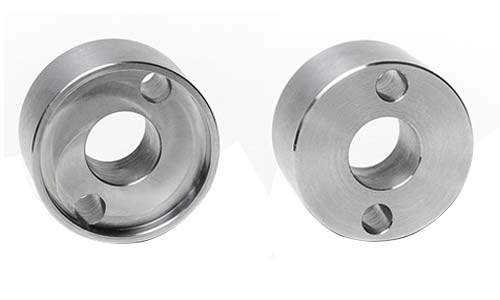
Components
Applications of Carbon Steel Fasteners
Where these fasteners actually get used:
- Petrochemical and chemical processing plants
- Oil and gas — off-shore and onshore installations
- Power generation and heat exchangers
- Building and construction, structural steelwork
- Marine and shipbuilding
- Pharmaceutical equipment
For flange assemblies, select the bolt/stud diameter, thread, length, nut grade and washer requirement to match the flange standard, pressure class and project bolting specification. Carbon steel flanges can be included in the same enquiry where a coordinated piping package is required.
Marking, Packing & Quality Assurance
Fasteners are marked, inspected and packed according to the applicable product specification and purchase order. Packaging can be selected for quantity, coating and shipping method, with identification maintained for traceability. Inspection may include dimensional and thread-gauge checks, hardness, tensile/proof-load testing, material verification and coating checks as required. Related fastener grade and coating guidance can be linked from the technical blog section.
Certifications & Documentation
- ISO 9001:2015 Quality Management Certification
- Mill Test Certificate per EN 10204 3.1
- Third-party inspection on request
- Full traceability from raw material to finished fastener
You can see the rest of what we stock in our full catalog.
FAQs About Carbon Steel Fasteners
Are carbon steel bolts stronger than stainless steel?
Stainless steel bolts are stronger and more resistant to corrosion than low-carbon steel. However, high-carbon steel bolts can be stronger than stainless steel but lack the same corrosion resistance, making them more suited for specific uses.
What are carbon steel fasteners?
Carbon steel fasteners are hardware made from carbon steel, designed for strength and durability. They often come with various coatings like chrome plating, hot-dip galvanizing, or zinc plating, which protect against corrosion and wear, making them suitable for a wide range of applications and environments
Are carbon steel screws rust proof?
No, carbon steel screws are not rust-proof. Carbon steel can rust because it lacks the corrosion-resistant properties of stainless steel. While carbon steel is stronger and more durable, it can corrode when exposed to moisture unless it has a protective coating.
Need Carbon Steel Fasteners? Send the Type, Size, Grade and Quantity.
Share the fastener type, diameter, length, thread, grade, quantity, coating and inspection requirement. We will review the specification and return the applicable quotation and documentation scope.