
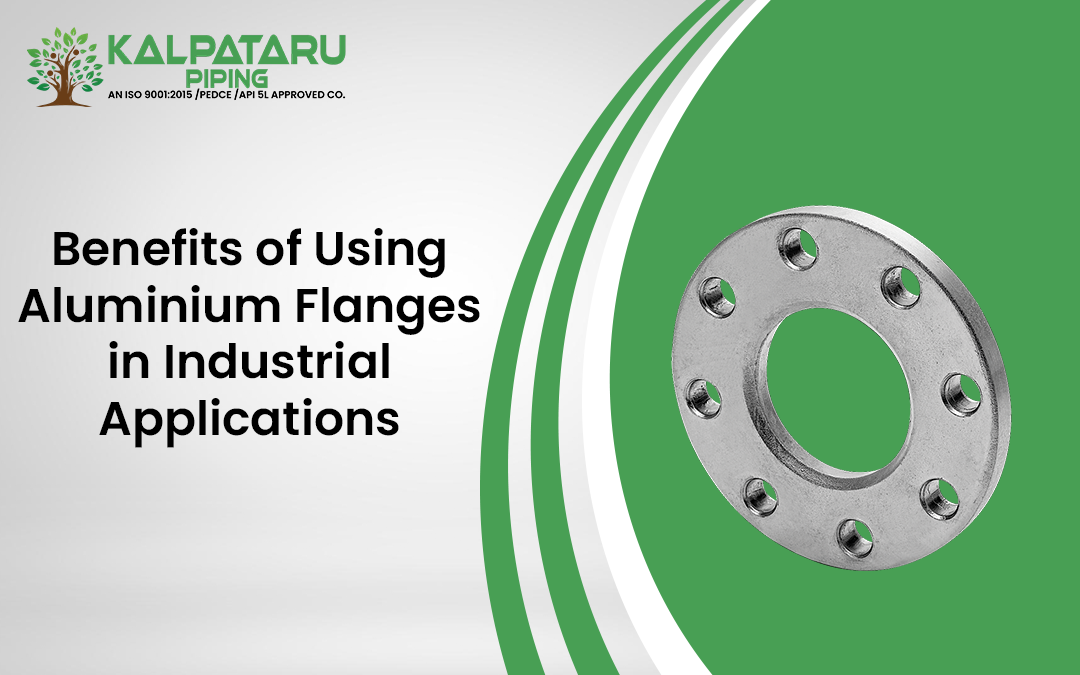
Benefits of Using Aluminium Flanges in Industrial Applications
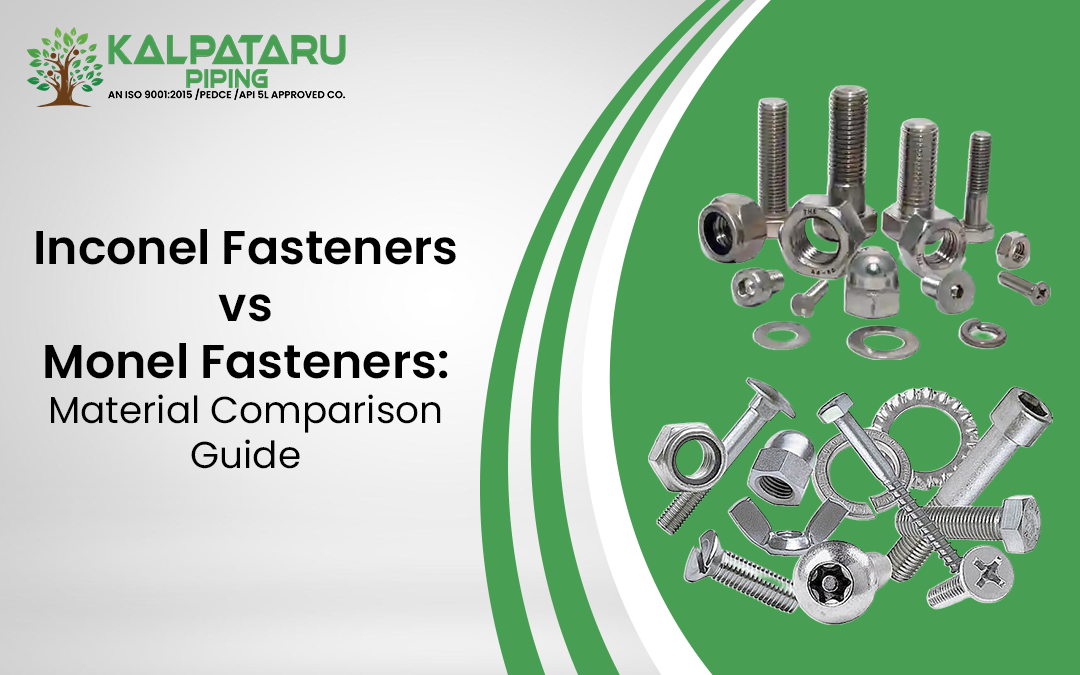
Inconel Fasteners vs Monel Fasteners: Material Comparison Guide
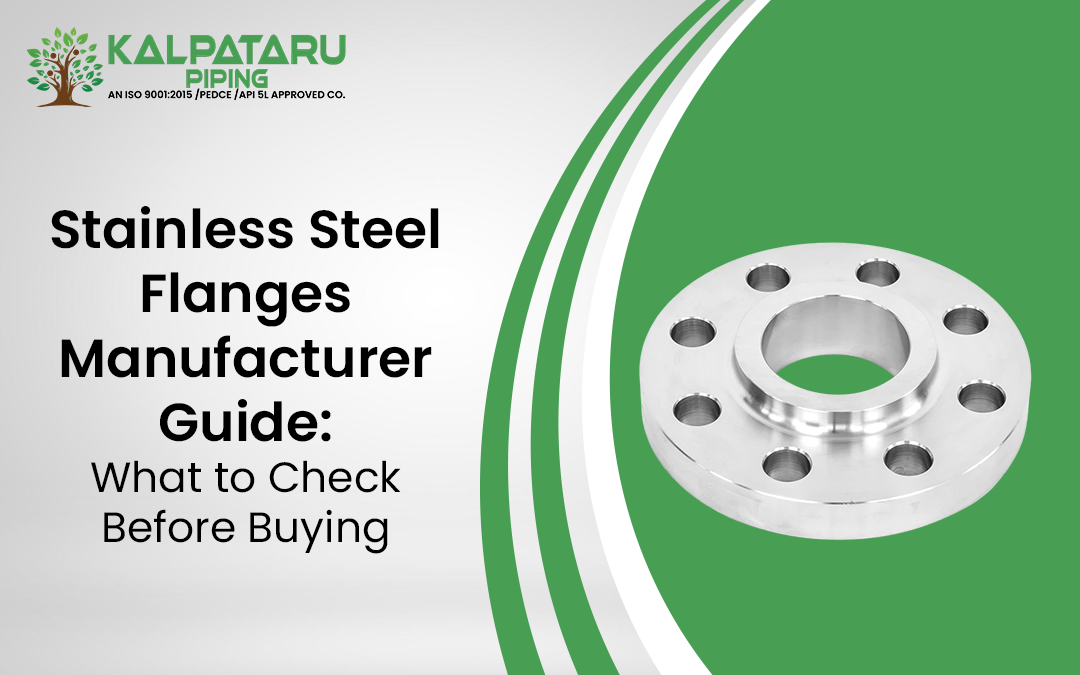
Stainless Steel Flanges Manufacturer Guide: What to Check Before Buying
In the case of constructing a reliable system of piping oil and gas, petrochemicals, power plant or pharmaceutical, the quality of your stainless steel flanges will make or break the whole installation. Here’s the plagiarism-free version with all headings retained and keywords naturally included:
A stainless steel flange is a highly-designed ring element that is utilized to fix pipe sections, or hook up mechanical assemblies that require a secure and leak-free association. It would be necessary to learn about the stainless flanges prior to ordering it because it comes in a broad range of sizes, dimensions, shapes, and pressure ratings to meet the different project needs.
Since there are a large number of configurations to choose, choosing the correct steel flange is reduced to matching your selection to individual requirements in the field of application, and the standards available. The choice of materials and design when ordering stainless steel flanges is conditioned by a number of important factors, and the knowledge of each of them can make a considerable contribution to the performance and cost-effectiveness in the long term.
Selection of Various Types of SS Flanges Available:
Based on your project requirement, here are the types of stainless flanges that you can buy:
- SS Slip-On Flanges: Slip-on flange is one of the most cost effective stainless flanges, which have a bore diameter that is marginally bigger than the pipe and as such, can be easily slipped over the pipe. They are highly adapted to low pressure systems, and they are usually selected where the use of weld neck flanges is not feasible due to the budget constraints or space constraints.
- SS Weld Neck Flanges: Weld neck flanges are identifiable by their unique tapered neck which is designed to withstand harsh working conditions such as low temperatures, high pressure conditions and excessive thermal swings. Steel flange bore coincides perfectly with the bore of the pipe forming a robust and smooth connection that reduces turbulence and internal erosion.
- SS Blind Flanges: Blind stainless steel flanges are used to characterize the end of a piping system and thus they are the best when there is need in regular inspection or maintenance access. They can withstand a great deal of mechanical stress due to internal fluid pressure, and are generally applied in blanking pipelines, valves, and pressure vessels.
- SS Threaded Flanges: These are stainless flanges that are installed without welding and therefore can be easily dismantled and re-installed. They do not usually work well in a system which is prone to bending stress, high temperatures or high-pressure environments. To provide extra security, a seal weld can be used with the threaded connection. These may be provided without a hub or in surface-treated carbon steel in order to reduce costs.
- SS Lap Joint Flanges: It is a variation of the slip-on variety, lap joint stainless steel flanges are often employed in low-alloy or carbon pipe systems where serviceability is of concern. Whereas they appear visually the same as slip-on flanges, they have a curved interior edge at the flange face thus fitting a stub end.
- SS Socket-Weld Flanges: The smaller-diameter, high-pressure flanges are used in steam line service, and offer internal welds to improve the connection life of the flanges. The bore and flange bore are exactly the same and thus the path of flow is smooth and efficient through the joint.
- SS Orifice Flanges: Orifice stainless flanges are designed so that the orifices serve to offer controlled entry points to liquids or gases inside a pipeline. They exist in all normal size scales and can be used in conjunction with the vast amount of stainless steel flange materials which makes them very versatile in flow measurements.
- SS Forged Flanges: Forged flanges are made of stainless steel that is forged to join two mechanical parts and provide a higher level of strength and structural integrity than cast products. They are easy to inspect, clean and modify the system. Forged stainless flanges are available in various configurations depending on the need of the application in the industry and are usually given in high-pressure industrial applications.
How to Choose the Stainless Steel Flange
The first thought when choosing stainless flanges is the determination of the exact diameter of the pipe you will need on your system. It is also necessary to know the type of connected pipes whether they are seamless or welded and this also determines the type of flange that is best applied. Stainless steel flanges are discs or rings which are joined to the ends of pipes to enhance structural support and an increase in system strength. They are normally welded or threaded. These parts may be designed to suit the specifications of the customer, which frequently makes a personalized answer more feasible than choosing to utilize off-the-shelf criterion items.
The ASME B16.5 standard regulates the pressure-temperature rating, size, material and marking of the stainless steel flanges that are 24 inches in diameter or less. ASME B16.47 contains the equivalent specifications to larger diameter use, and has much greater coverage of heavy duty industrial systems.
Choose Flanges Based on Design of the Project
Stainless steel flanges are produced in a variety of grades and the correct selection must indicate the nature of operation as well as cost factors. Although more advanced materials might have a higher initial price attached to them, they offer higher stability and longer serviceability. Both SS 304 and SS 316 are chromium-nickel iron alloys, both alloys containing about 95 percent alloy composition, providing solid resistance to daily corrosion, exposure to chemicals and other types of material corrosion and degradation. The low-carbon equivalents of these, SS 304L and SS 316L, are used in welded assemblies. SS 317 stainless flanges contain more additions of chromium and nickel that contain low carbon content, and thus can be used in more aggressive conditions.
Key Industries That Rely on Stainless Steel Flanges
Stainless steel flanges are extensively used in many industries like:
- Oil & Gas: The high pressure pipelines and subsea equipment where the resistance to corrosion is very important.
- Petrochemicals & Refineries: Aggressive chemicals, acids and hydrocarbons when in the high temperatures.
- Power Generation: Steam pipelines and heat exchangers which are subject to thermal cycling and high pressure.
- Pharmaceutical/ Food Processing: Sanitary grade flanges, which are hard to contaminate and are straightforward to clean.
- Chemical Processing: Processing of corrosive media such as acids, alkalis and solvents.
- Shipbuilding & Marine: SS 316 or duplex steel flanges are required when in contact with salt water.
Buy Stainless Flanges From Kalpataru Piping
Buying stainless steel flanges is not a one-size-fits-all decision. The correct product relies on a keen consideration of the pipe diameter, grade of material, type of flange, pressure category, type of face, standards to be applied and your unique operating environment. Adhering to the rules presented in this purchasing document, you will be able to minimize the chances of errors in specifications, excessive rework, and system crashes to a considerable degree.
At Kalpataru Piping, we are here to help you make the right choice. Our experienced team offers technical guidance, competitive pricing, and fast delivery across India and international markets. Reach out today to get started.
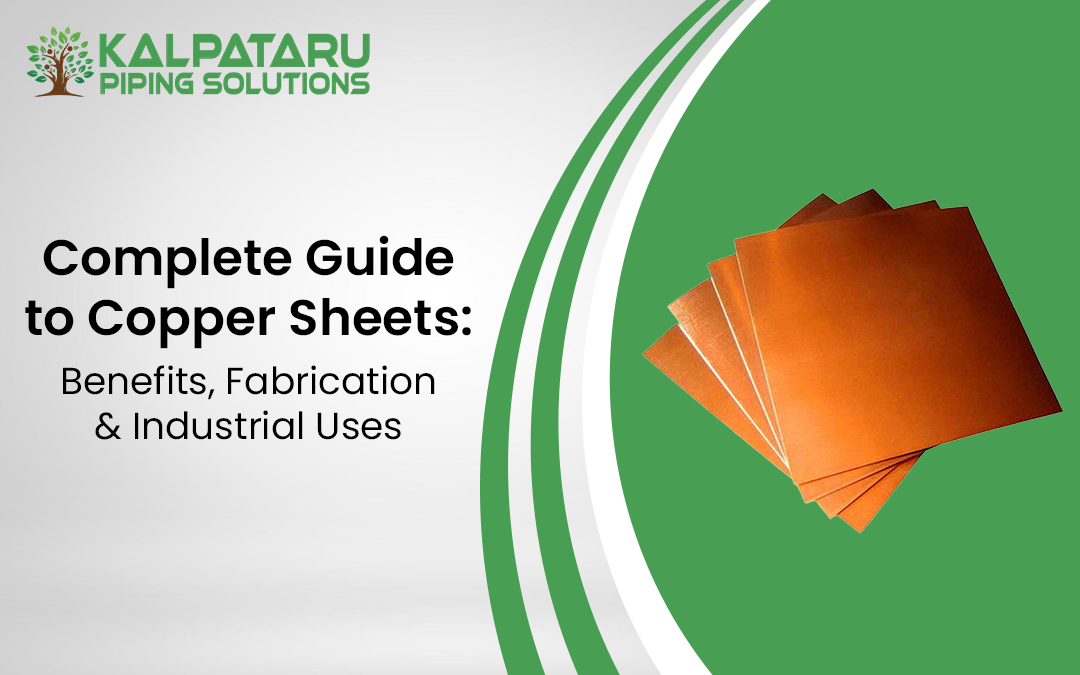
Complete Guide to Copper Sheets: Benefits, Fabrication & Industrial Uses
Copper is a rare metallic element that is naturally present in a formable state, and it has continued to be a pillar of modern-day manufacturing. Copper sheets can be found everywhere, in the complexity of phone circuits, to the rough exterior of an industrial heat exchanger. Nevertheless, selecting the correct material is not simply a matter of mere choice of a metal, but a thorough knowledge of the copper sheets sizes used, the name of the temper (as ASTM B370 to be used in construction) and the alloy chemistry.
Be it a sourcing of material to be used in high conductivity electrical components or durable roof cladding of an architectural building, the sheet metal gauge chart is the first tool to navigate. The modern manufacturers have a wide variety of copper sheet dimensions, including heavy-duty plates to be used as structural elements and ultra-thin foil to have shields. In order to assist you in deciding the specifications to be used in your project, you can explore our comprehensive range of copper products that meet global standards.
For detailed supply options, our dedicated copper plates & sheets suppliers section provides specific grade availability.
Types of Copper Sheets (With Grades & Thickness Options)
The choice of the right copper sheet metals is dependent on the purity and the mechanical properties that are needed. The industrial grades are normally categorized based on their oxygen percentage and mode of production which directly determines their conductivity and formability.
Electrolytic Tough Pitch (ETP) Copper Sheets
The most popular grade, ETP (C11000), has around 99.9 percent of copper and 0.04 percent of oxygen. It is a high thermal conductivity and electrical conductivity material that is used in general electrical applications in the industry.
Oxygen-Free Copper Sheets (C10100/C10200)
In cases where hydrogen embrittlement is a concern say in reducing atmosphere or high-vacuum electronics Oxygen-Free (OF) copper is necessary. These These thin copper sheets have better ductility and are widely applied in high end audio and medical equipment.
Deoxidized Copper (C12200)
The best choice in terms of welding or brazing application is High Phosphorus Deoxidized (DHP) copper. Presence of phosphorus eliminates embrittlement in the heating process thus making it perfect in the plumbing and industrial tanks.
Phosphor Bronze Sheets
Manufacturers make sheets of unprecedented fatigue resistance and spring properties available by alloying copper with tin and phosphorus, usually used in electrical contacts and switchgear.
Perforated Copper Sheets
A perforated copper sheet is used in filtration, acoustic damping, and machine stamped to form the accurate hole patterns. These play a very important role in HVAC systems and architectural screens where both airflow and beauty have to be taken into consideration. You can view specifications for these specialized items on our perforated sheet page.
Common Dimensions & Forms:
| Dimension / Form | Description & Common Applications |
|---|---|
| 4×8 Copper Sheet | The standard industry dimension, widely used for architectural cladding, wall panels, and large-scale fabrication projects. |
| 1mm Copper Sheet | A versatile gauge frequently used for detailed craftwork, embossing, and light-duty electrical shielding. |
| 2mm Copper Sheet | Provides the structural rigidity necessary for roofing panels, heavy-duty gaskets, and mechanical components. |
| Copper Foil Sheets | Micrometer-thin layers that are essential for PCB manufacturing (circuit boards) and battery anodes. |
| Copper Shim Sheet | Precision-rolled material used primarily for alignment, spacing, and leveling in heavy machinery. |
Types of Copper Sheet Alloys
High stress environments often require too soft a pure copper. Copper Alloy Sheets add such elements as zinc, nickel or beryllium to improve the strength without losing excessive conductivity.
- Beryllium Copper Sheets: A beryllium copper sheet (C17200) is also the non-sparking and the strongest material, and it is indispensable when using tools in the oil and gas industry in the dangerous environment. It can also be hardened with age to give it the same level of hardness as high-strength steel. For sourcing these high-performance alloys, visit our beryllium copper alloy sheet suppliers page.
- Brass Sheets (Copper-Zinc Alloy): The decorative trim and ammunition casings are made out of brass; adding zinc will increase its tensile strength and it will have a nice golden appearance.
- Copper-Nickel Alloys: These alloys are of excellent biofouling and seawater corrosion resistance. They are used as the materials of choice in marine hardware and desalination piping. Learn more about these marine-grade options at our copper nickel plates & sheets hub.
- Copper Aluminium Sheet: A copper aluminium sheet is often referred to as Aluminium Bronze and is designed in high load applications such as bushings and bearings, with great wear and corrosion resistance.
Manufacturing and Processing of Copper Sheets
Working with copper sheet metal requires specific techniques to maintain the integrity of the material. The production process starts with the casting of ingots and then carrying out the hot-rolling and cold-rolling process to obtain the required gauge.
- Cutting Copper Sheets: Cutting copper sheet material varies by thickness. Thin foils may be sheared using hand tools, however, more heavy industrial foils need to be cut by water-jet or plasma cutting to avoid heat distortion.
- Shaping and Forming: The malleability of copper makes it to be deep-drawn or hammered. Nevertheless, it work-hardens rapidly. To enhance elasticity to continue with the copper sheet fabrication, the material requires annealing, a heating mechanism that makes the crystalline structure soft.
- Finishing: Since mirror-polishing has been used to decorate objects, to applying the inhibitors that slow down the natural patina, finishing is paramount. Surface treatment will be done properly to make the copper sheet supply last long in any outdoor or corrosive condition.
Welding Copper Sheet Metal
Welding copper sheet metal is a challenging task because copper has high thermal conductivity, thus the heat quickly disperses out of the weld area. The welding technique that is recommended in order to obtain high-quality joints is TIG (Tungsten Inert Gas) welding, which usually needs pre-heating of thicker parts.
For a deeper dive into procurement strategies, read our copper sheet buying guide.
Benefits of Copper Sheet Metal
The industrial need properties of copper sheets is due to a combination of features that are unique to each:
- Thermal Conductivity and Electrical Conductivity: The standard of 100% IACS of electrical conductivity is in the form of copper, which is the best conductor of electricity.
- Corrosion Resistance: When exposed to the atmosphere, copper sheets compositions automatically develop a protective layer (verdigris) on their surface preventing further corrosion of the underlying metal.
- Antimicrobial Properties: Copper surfaces have the innate ability to kill 99.9 percent of bacteria in hours, which is an essential advantage to hospital surfaces and food production tools.
- Ductility: It is able to be pulled into fine wire or rolled into ultra-thin sheets without fracture, giving way to complex geometries.
Copper Sheets Uses
The application of copper alloy sheets is diverse and extensive in the spheres:
- Generation of Power: Busbars and windings of transformers make use of ETP sheets that are of high purity.
- Architecture: Roof, gutters, and downspouts are based on the weathering and aesthetic characteristics of copper.
- Automotive: Automotive heat exchangers and radiators make use of the thermal transfer abilities of copper.
- Electronics: The foundation of the printed circuit board (PCBs) is the use of copper foil sheets.
- Art & Design: It is utilized in interior decoration and wall cladding by sculptors.
For detailed examples of industrial applications, check out our page oncopper sheet uses.
Copper Sheet Price: Key Factors to Consider
To determine the copper sheet price, one should not look at the sticker tag. The copper sheet cost is dynamic and it depends on various global and local aspects:
- LME Trends: The body copper sheet metal prices are pegged to the London Metal Exchange (LME) which is traded on a daily basis depending on the amount mining activities and demand globally.
- Fabrication & Grade: A copper sheet price per kg will increase in the specialized alloy such as the Beryllium copper than in the standard ETP grades. Moreover, the processing costs such as perforation or polishing increase the cost.
- Thickness: Sold by weight, thinner sheets (such as foils) may cost more per kg to process than thicker plates because the technology needed to roll such sheets is fine and there is no tolerance.
Why Choose Kalpataru Piping for Copper Sheets Product Needs?
Kalpataru Piping, being a prominent Copper Sheets Supplier and Copper Sheets Manufacturer will be a bridge between raw material and finished application. We realize that the temper of a 4×8 copper sheet used to roof needs different specifications as compared to a copper shim sheet used to align machinery. We also have a strict test on our inventory based on the standards of ASTM and ISO, and so you can not fail to get the same quality on any project.
FAQs
Can copper sheets be welded together?
Yes, but it requires skill. The welding copper sheet metal is done through TIG. In case of thin sheets, it is customary to use soldering or brazing instead of the high-cost warping by heat.
What’s the best way to attach copper sheets to another surface?
It is usually mechanical fasteners (rivets/screws) or industrial adhesives. Also, in attaching to various metals, an insulating washer should be used to avoid galvanic corrosion.
What is the best copper sheet thickness for crafts?
For embossing and tooling, thin copper sheets (24-30 gauge) are ideal. For structural jewelry or bowls, a heavier 1mm copper sheet (approx. 18 gauge) provides the necessary rigidity.
Thin sheets of copper (24-30 gauge) are the best to use in embossing and tooling. To give the rigidity required in structural jewelry or bowls, a heavier sheet of copper, 1mm copper sheet (approx. 18 gauge)
Can copper sheets be used outdoors?
Absolutely. Copper is an outdoor material, which is very durable. It grows a self healing green patina over the course of time which shields the metal against the elements.
Can I customize copper sheets for my project?
We do have different copper sheets dimensions and personalization. You may require some special cutting copper sheet services or special alloy compositions, we can supply them to your specification.