
Carbon Steel

Carbon steel material is the most popular metal used in industries due to its strength, affordability & versatility. It consists of iron & carbon with the carbon content affecting the material mechanical properties. Depending on the quantity of carbon, carbon steel is divided into three main carbon steel grades: low carbon steel, medium (or mild) carbon steel & high carbon steel. Each grade offers different uses depending on the required strength, hardness & ductility.
Low carbon steel contains about 0.05 to 0.30 carbon which is known for its excellent ductility & weldability. Mild or medium carbon steel with 0.30 to 0.60 carbon content can support high strength & great flexibility. It is commonly used in automotive parts, forging & construction components. High carbon steel material grade contains 0.60 to 1.5 carbon offering superior hardness & wear resistance to use for tools, cutting instruments & high strength wires.
The carbon steel tensile strength ranges from 400 MPa & can exceed 900 MPa depending on the grade & treatment process. This will allow it to handle high stress & heavy loads. It has good thermal conductivity. These materials can be used to transfer the heat in an equipment like boilers, radiators & heat exchangers. The melting point of carbon steel can be measured by considering specific alloy material & carbon content. This high melting point may range from 1425 to 1540 to make it more stable & suitable for use in high temperature conditions.
Carbon Steel Manufacturer in India
As a leading carbon steel manufacturer in India, we deliver best quality carbon steel products to industries worldwide. As a top carbon steel supplier they provide a huge range of products including pipes, tubes, pipe fittings, flanges, valves & round bars etc which are manufactured with precision & high grade raw materials.
By focusing on quality & customer satisfaction, we ensure that every product meets both national & international standards. Our expert team utilizes advanced manufacturing facilities to produce and supply premium Carbon Steel Products, including ASTM A106 Gr B Pipes, ASTM A53 Grade B Pipe and API 5L Gr B Pipes, tailored to meet the specific needs of each client. We strictly monitor every stage of production to ensure each product delivers superior strength, durability & corrosion resistance. Our products are available in various grades, sizes & specifications. Contact us today for competitive pricing and prompt delivery.
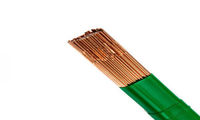
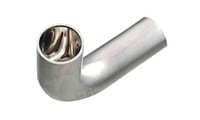
Carbon Steel Products We Supply
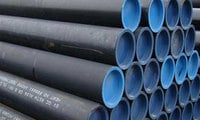
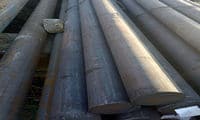
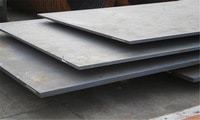
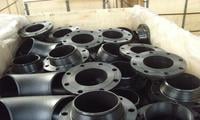
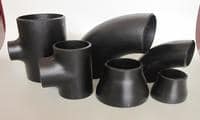
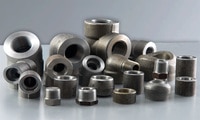
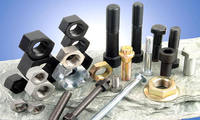
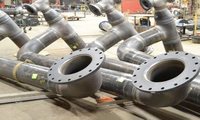


Types of Carbon Steel
Carbon steel is divided into four main types based on carbon content. Each & every type have distinct properties suitable for various applications.
- Low Carbon Steel: It contains up to 0.3% carbon content. It has excellent ductility, malleability or welding. This type is used in sheet metal, structural components & construction materials due to its flexibility.
- Medium Carbon Steel: Constructed with carbon content between 0.3% to 0.6%. It offer high strength to be used for mechanical parts like gears, shafts & other components which require both toughness.
- High Carbon Steel: Contain between 0.6% & 1.0% carbon for making them very strong, hard & wear resistant. Used for tools, blades, springs & other components that require good edge retention.
- Ultra High Carbon Steel: With carbon content exceeding 1.0%. It is extremely hard & wear-resistant. It is used for specialized tools, high wear components & cutting edge blades that require superior strength.
Carbon Steel Specification
| Carbon Steel | Specification |
| Standard | ASTM, ASME, DIN, JIS, BS, EN |
| Grade | Low Carbon Steel (Mild Steel), Medium Carbon Steel, High Carbon Steel, Ultra-High Carbon Steel, A36 Steel (ASTM A36), 1018 Steel (UNS G10180), 1045 Steel (UNS G10450), 1095 Steel (UNS G10950) |
| Types | Carbon Steel Pipes, Pipe Fittings, Valves, Round Bar, Expansion Bellow, and Flanges |
Carbon Steel Chemical Composition
Low Carbon Steel Chemical Composition
| Low Carbon Steel grade Chemical Composition | |||||||||
| Grade | UNS Number | S (max) | C (max) | P (max) | Mn (max) | Si | Cr | Ni | Mo |
| 1010 | G10100 | .05% | .08-.13% | .04% | .30-.60% | – | – | – | – |
| 1018 | G10180 | .05% | .14-.20% | .04% | .60-.90% | – | – | – | – |
| 1020 | G10200 | .05% | .17-.23% | .04% | .30-.60% | – | – | – | – |
| 1022 | G10220 | .05% | .17-.23% | .04% | .70-1.00% | – | – | – | – |
Medium Carbon Steel Chemical Composition
| Medium Carbon Steel Grades Chemical Properties | |||||||||
| Grade | UNS Number | Mn (max) | S (max) | C (max) | P (max) | Si | Cr | Ni | Mo |
| 1010 | G10100 | .30-.60% | .05% | .08-.13% | .04% | – | – | – | – |
| 1018 | G10180 | .60-.90% | .05% | .14-.20% | .04% | – | – | – | – |
| 1020 | G10200 | .30-.60% | .05% | .17-.23% | .04% | – | – | – | – |
| 1022 | G10220 | .70-1.00% | .05% | .17-.23% | .04% | – | – | – | – |
High Carbon Steel Chemical Composition
| Grade | UNS Number | Carbon (C) | Manganese (Mn) | Sulfur (S) | Phosphorus (P) | Silicon (Si) | Chromium (Cr) | Nickel (Ni) | Molybdenum (Mo) |
| 1045 | G10450 | 0.43–0.50% | 0.60–0.90% | 0.05% max | 0.04% max | ≤ 0.30% | – | – | – |
| 1060 | G10600 | 0.55–0.65% | 0.60–0.90% | 0.05% max | 0.04% max | ≤ 0.30% | – | – | – |
| 1080 | G10800 | 0.75–0.88% | 0.60–0.90% | 0.05% max | 0.04% max | ≤ 0.30% | – | – | – |
| 1095 | G10950 | 0.90–1.03% | 0.30–0.50% | 0.05% max | 0.04% max | ≤ 0.30% | – | – | – |
Properties of Carbon Steel
Carbon Steel Material Properties
The carbon steel material properties vary depending on the carbon content. As the carbon percentage increases, so does the hardness and strength—but ductility may decrease. Low-carbon steel is more ductile and easier to form, while high-carbon steel is harder and more wear-resistant.
| Alloy Type | AISI | Carbon content (wt.%) | Yield strength (MPa) | Tensile strength (MPa) | Ductility (% elongation in 50 mm) |
| Low | 1010 | .10 | 180 | 325 | 28 |
| Low | 1020 | .20 | 205 | 380 | 25 |
| Low | A36 | .29 | 220 | 400 | 23 |
| Low | A516 Gr 70 | .31 | 260 | 485 | 21 |
| Medium | 1030 | .27 – .34 | 325 | 460 | 12 |
| Medium | 1040 | .37 – .44 | 415 | 620 | 25 |
| High | 1080 | .75 – .88 | 440 | 924 | 12 |
| High | 1095 | .90 – 1.04 | 380 | 665 | 10 |
Thermal Properties of Carbon Steel
| Thermal Properties | Metric | English |
| CTE, linear | 9.90 – 14.8 µm/m-°C | 5.50 – 8.22 µin/in-°F |
| Specific Heat Capacity | 0.410 – 0.669 J/g-°C | 0.0980 – 0.160 BTU/lb-°F |
| Thermal Conductivity | 19.0 – 52.0 W/m-K | 132 – 361 BTU-in/hr-ft²-°F |
| Maximum Service Temperature, Air | 120 – 482 °C | 248 – 900 °F |
| Transformation Temperature | 183 – 910 °C | 361 – 1670 °F |
Physical Properties of Carbon steel
| Physical Properties | Metric | English |
| Density | 7.75 – 7.89 g/cc | 0.280 – 0.285 lb/in³ |
| Particle Size | 6.70 – 12.0 µm | 6.70 – 12.0 µm |
| Reduction of Area | 20.0 – 71.4 % | 20.0 – 71.4 % |
| Modulus of Elasticity | 187 – 213 GPa | 27100 – 30900 ksi |
| Bulk Modulus | 152 – 163 GPa | 22000 – 23600 ksi |
| Poissons Ratio | 0.280 – 0.300 | 0.280 – 0.300 |
| Fatigue Strength | 138 – 614 MPa | 20000 – 89100 psi |
| Fracture Toughness | 80.9 – 143 MPa-m½ | 73.7 – 130 ksi-in½ |
| Machinability | 40.0 – 80.0 % | 40.0 – 80.0 % |
| Shear Modulus | 72.0 – 82.0 GPa | 10400 – 11900 ksi |
| Izod Impact | 9.00 – 135 J | 6.64 – 99.6 ft-lb |
| Charpy Impact | 10.8 – 65.0 J | 8.00 – 47.9 ft-lb |
Carbon Steel Grades
| Grade | ASTM/ASME Standard | Description |
| A36 | ASTM A36 | Structural steel often used in general construction |
| A572-50 | ASTM A572 Grade 50 | High-strength, low-alloy structural steel |
| A514 | ASTM A514 | High-yield-strength, quenched, and tempered alloy steel |
| A516 | ASTM A516 | Pressure vessel quality steel |
| A106 | ASTM A106 | Seamless carbon steel pipe for high-temperature service |
| A53 | ASTM A53 | Welded and seamless carbon steel pipe |
| A500 | ASTM A500 | Cold-formed welded and seamless carbon steel structural tubing |
| A105 | ASTM A105 | Forgings for piping applications |
| 1018 | ASTM A108 | Cold-drawn carbon steel, general-purpose |
| 1045 | ASTM A108 | Medium-carbon steel, general-purpose |
Carbon Steel Density
Carbon Steel Uses & Applications
Applications of Carbon Steel
| Carbon Steel Types | Applications |
| Low Carbon Steel | Automotive body panels, Structural frameworks, Wire products & Fencing and tubing |
| Medium Carbon Steel | Building construction, HVAC ductwork, Sheet metal products & Appliances |
| High Carbon Steel | Cutting tools (knives, blades, saws), Springs and wires, Rail tracks & Dies and punches |
Frequently Asked Questions About Carbon Steel
Is carbon steel better than steel?
Carbon steel is up to 20% stronger than mild steel to make it great for applications that need high strength or hardness. Carbon steel materials are more costly than others.
What are the 4 types of carbon steel?
The four main types of carbon steel are:
- Low carbon steel (mild steel)
- Medium carbon steel
- High carbon steel
- Ultra-high carbon steel
Will carbon steel rust?
All carbon steels can rust easily. They are not suitable for many applications where corrosion resistance is needed. It is usually not the best choice for high-quality or precision manufacturing.
What is carbon steel mainly used for?
Low carbon steel materials are used in manufacturing products like wires & pipe etc. High carbon steel materials are used to make durable tools like cutting tools, springs, wrenches & hammers.
Is carbon steel an alloy?
Yes, carbon steel is an alloy. It mainly consists of by using substances like iron & carbon with small amounts of other elements like manganese, silicon & copper.