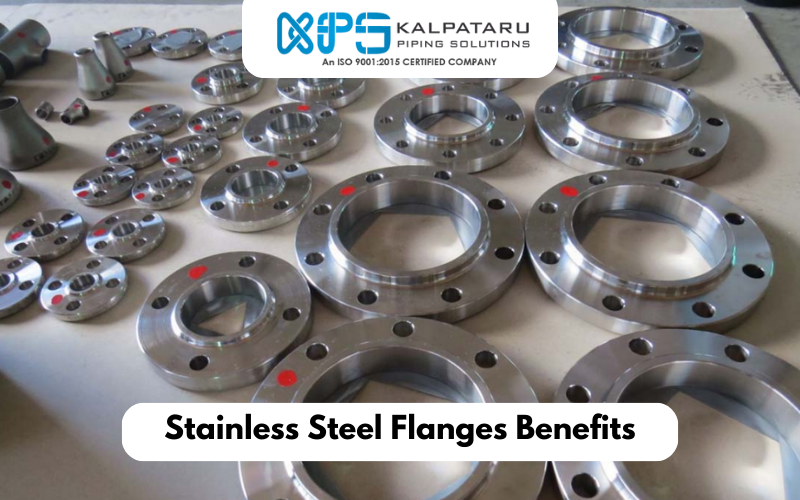
Kalpataru Piping Solutions is a leading manufacturer of stainless steel flanges, renowned for its commitment to excellence and unwavering dedication to quality. Our unwavering focus on crafting high-precision stainless flanges including stainless steel 304, stainless steel 904L has earned us a reputation as a trusted supplier for industries seeking unparalleled performance and reliability.
Using Stainless Steel Flanges In Industries
Stainless steel stands out from other metals due to its unique composition, which includes chromium. This addition of chromium grants stainless steel its remarkable corrosion resistance and imparts a sleek, polished finish. Compared to basic carbon steel varieties, higher-grade stainless steel offers superior resistance to corrosion from chemicals and environmental factors.
The inherent robustness and resilience of stainless steel make it a dependable choice for diverse applications. It can withstand significant pressures, a feat that aluminum, while more cost-effective, cannot replicate. Aluminum simply lacks the durability and dependability required to endure intense stress and extreme temperature fluctuations.
In any equipment or system, the reliability of strength is determined by its weakest component. Welds and joints, especially under high pressure, can be prone to weaknesses. Choosing the right grade of stainless steel flange from a reliable SS flange supplier is essential to uphold the system’s integrity and prevent deformation or warping.
Stainless Steel Benefits in Flanges & Fittings
Utilizing stainless steel (SS) flanges offers numerous advantages in various industrial applications. Here are some key stainless steel benefits:
Corrosion Resistance:
SS flanges are renowned for their exceptional resistance to corrosion, even in harsh environments. This is attributed to the presence of chromium in stainless steel, which forms a protective oxide layer that prevents corrosion from occurring. This property makes SS flanges ideal for use in applications involving corrosive fluids, chemicals, and gases.
Strength and Durability:
Steel flanges possess remarkable strength and durability, enabling them to withstand high pressures and temperatures. This is due to the unique microstructure of stainless steel, which is composed of a combination of iron, chromium, and other alloying elements. This robust construction ensures that stainless flanges can endure the rigors of various industrial processes and maintain their integrity over time.
Ease of Maintenance:
SS flanges are relatively easy to maintain, further enhancing their cost-effectiveness. Their smooth, non-porous surface resists the buildup of dirt and grime, making them simple to clean and inspect. Additionally, steel flanges are resistant to rust and oxidation, minimizing the need for protective coatings or treatments.
Versatility:
Stainless flanges are available in a wide range of sizes, pressure ratings, and material grades, offering exceptional versatility to suit diverse applications. Stainless Steel 317/317L Flanges are available in various types, catering to different specifications, allowing you to customize your order based on specific requirements. This versatility makes them a suitable choice for various industries, including chemical processing, oil and gas, power generation, food and beverage, and pharmaceutical.
Temperature Tolerance:
SS flanges are capable of withstanding extreme temperature conditions, ranging from cryogenic temperatures to high-temperature applications. This tolerance makes them suitable for use in a wide range of environments, including pipelines, reactors, and heat exchangers.
Environmental Friendliness:
Stainless steel flanges are considered an environmentally friendly choice due to their high recyclability. Stainless steel can be recycled repeatedly without losing its properties, reducing the need for raw material extraction and minimizing environmental impact.
Aesthetics:
Steel flanges offer a sleek, polished appearance, enhancing the visual appeal of piping systems and equipment. This aesthetic quality is particularly important in applications where appearance matters, such as architectural structures and food processing facilities.
Conclusion:
SS flanges stand out as a superior choice for various applications due to their corrosion resistance, strength, durability, ease of maintenance, versatility, temperature tolerance, environmental friendliness, and aesthetic appeal. These advantages make stainless flanges a valuable asset for industries seeking reliable, long-lasting, and cost-effective solutions.
Expert Guidance On Stainless Steel Flange Our team of experts is dedicated to providing you with the highest level of customer service, ensuring your satisfaction from inquiry to delivery. Contact us today to discuss your specific needs and discover how our stainless steel flanges can elevate your operations to new heights.
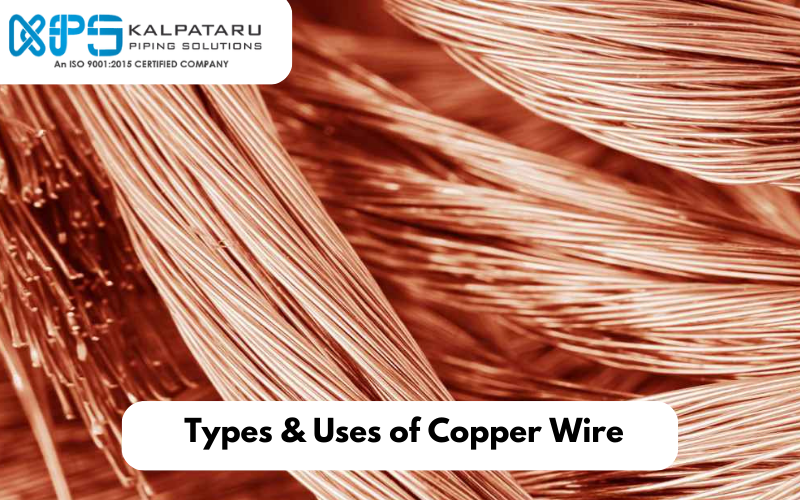
Copper wire, an essential electrical conductor employed in various applications, is common in residential, commercial, and industrial settings. Comprising either single or multiple strands of pure copper, it is safeguarded by insulation materials like polyvinyl chloride (PVC), polyethylene (PE), polypropylene (PP), polyurethane (PUR), or polytetrafluoroethylene (PTFE). This insulation serves as a protective barrier, mitigating the risk of short circuits and potential electrical fires resulting from arcing between wires within a circuit.
Renowned for its exceptional electrical conductivity, copper, an adaptable metal, is widely utilized in electrical projects. Copper wire may also be crafted from copper alloys, with tin-plated copper being a prevalent choice due to its heightened corrosion resistance compared to uncoated copper.
The remarkable conductivity of copper, nearly 90% that of silver, positions it as an optimal material for electronic applications. Additionally, copper exhibits low resistance in comparison to metals like aluminum or steel, making it well-suited for high-powered purposes such as power lines and low-voltage wiring.
Electrical copper wire is the backbone of modern electrical infrastructure, serving as the primary conductor of electricity in residential, commercial, and industrial settings. Its remarkable conductivity, malleability, and corrosion resistance make it an indispensable material for a wide range of applications.
Types of Copper Wire
Beryllium Copper Wire
Beryllium copper wire constitutes a metal alloy crafted from a blend of copper, beryllium, and other elements. Widely employed in electronics, electro-mechanical applications, and the medical industry, this alloy surpasses pure copper in electrical conductivity while preserving exceptional corrosion resistance. Notably, it boasts a superior strength-to-weight ratio compared to most metals, rendering it well-suited for thin wiring applications. This quality enables flexibility while maintaining stability in demanding environments.
Copper Alloy Wire
Copper alloy wire is accessible in both standard and tailored configurations. When deciding on the most suitable option for your requirements, consider manufacturer specifications such as size, tensile strength (measured in psi), and working temperature. Available choices encompass Zirconium, Beryllium, Brass, Bronze, Titanium, and various other metals. The selection of a specific alloy can impact factors like strength, solderability, durability, and the necessity for insulation. Certain suppliers in this field set themselves apart as manufacturers specializing in copper alloy welding wire.
Copper Clad Aluminum Wire
Varieties of this wire are available with varying conductor diameters, insulation types, and jacket thicknesses. Notable features encompass resistance to working temperatures, fire, oil, and ozone. Copper clad aluminum (CCA) wire is constructed with an aluminum core and an external copper cladding, offering conductivity with a lighter weight. CCA proves to be a cost-effective alternative to pure copper wire, providing enhanced strength and greater electrical conductivity compared to pure aluminum wire.
Copper Steel Wire
Copper Clad Steel wire constitutes an electrical wire composed of a steel core enveloped in a copper coating. This enhances the conductor’s robustness and longevity, offering improved protection against electric shock. Its growing popularity in construction projects stems from its cost-effectiveness compared to pure copper alternatives, without compromising on durable performance. Additionally, Copper Clad Steel Wire finds utility in various applications, including connecting intercoms, doorbells, and CCTV systems.
Tinned Copper Wire
This copper wire type that has been coated with a thin layer of tin. This coating provides several benefits, including increased corrosion resistance, improved solderability, and a smoother surface finish. Tinned copper wire is commonly used in a variety of electrical applications, such as power wiring, telecommunications, and electronics.
Nickel Plated Copper Wire
Nickel-plated copper wire is a type of copper wire that has been coated with a thin layer of nickel. This coating provides several benefits, including increased corrosion resistance, improved wear resistance, and a brighter surface finish. Nickel-plated copper wire product is commonly used in a variety of electrical applications, such as power wiring, telecommunications, and electronics. Marine Application of nickel-plated copper wire is a best choice due to its superior corrosion resistance in saltwater environments. It is used in boat wiring, underwater cables, and offshore equipment.
Oxygen-Free Highly Conductive Copper (OFHC) Wire
Oxygen-Free Highly Conductive Copper (OFHC) Wire belongs to the category of copper wire that undergoes processing to minimize oxygen content. This process enhances electrical conductivity and operational strength. OFHC wire finds widespread use in various electrical applications owing to its attributes such as low resistance, high flexibility, and resistance to corrosion or oxidation. Its malleability allows for precise machining into intricate shapes, making it well-suited for precision engineering components.
Titanium Clad Copper Wire
Titanium (Ti) clad copper wire represents an alloyed copper wire renowned for its outstanding conductivity, particularly in corrosive environments. The fusion of titanium and copper not only ensures excellent ductility for shaping and forming but also facilitates seamless weldability for tasks such as connecting, capping, and joining. Widely utilized in desalination, water treatment, power generation, chemical processing, and other sectors requiring both high current-carrying capabilities and robust corrosion protection, titanium clad copper wire serves as a versatile solution.
Uses of Copper Wire in Various Applications
Power Transmission
Copper wires form the backbone of power grids, efficiently transmitting electricity from power plants to homes, businesses, and industries. Copper’s low electrical resistance ensures minimal energy loss during transmission, contributing to overall system efficiency and cost-effectiveness.
Communications and Networking
In the realm of communications and networking, copper wire serves as the foundation for telephone lines, data cables, and Ethernet connections. Its ability to support high-speed data transmission makes it ideal for modern communication infrastructure, enabling seamless transfer of information and connectivity.
Electrical Wiring
Copper is a popular choice for electrical wiring due to its excellent electrical conductivity, malleability, and corrosion resistance. These properties make it well-suited for a variety of electrical applications, including power transmission, electronics, and construction.
Electric Motors
Copper wire is the heart of electric motors, providing the conductive pathways for electricity to generate rotational force. Its durability and ability to withstand high currents make it essential for various motor applications, ranging from industrial machinery to household appliances.
Lighting
Copper wire plays a fundamental role in lighting systems, delivering electricity to light bulbs, lamps, and other lighting fixtures. Its flexibility and ability to be shaped into various forms make it suitable for a wide range of lighting applications, from architectural lighting to residential and commercial lighting.
Heating
Copper wire is also widely used in electric heating systems, including baseboard heaters, underfloor heating, and heat pumps. Its ability to efficiently convert electricity into heat makes it a preferred choice for energy-efficient and comfortable heating solutions.
Benefits of Copper Wire
Copper wire is a versatile and valuable material that offers numerous benefits for a wide range of applications. Here are some of the key advantages of using copper wire:
Excellent Conductivity
Copper possesses exceptional electrical conductivity, surpassing all other metals except for silver. This property makes it an ideal choice for applications where efficient transmission of electrical signals and currents is crucial. Copper wires efficiently convey electricity with minimal loss, ensuring reliable power delivery and data transfer.
Malleability and Ductility
Copper exhibits remarkable malleability and ductility, enabling it to be shaped and drawn into wires of various thicknesses and configurations. This versatility allows copper wires to be easily incorporated into various electrical components, circuits, and wiring systems.
Corrosion Resistance
Copper is naturally resistant to corrosion, making it well-suited for applications in various environments. Unlike other metals that may degrade or rust over time, copper wires maintain their integrity and functionality in humid, salty, or chemically exposed environments.
Heat Resistance
Copper exhibits excellent heat resistance, allowing it to withstand high temperatures without melting or losing its electrical properties. This quality makes copper wires ideal for applications involving heat generation, such as motors, transformers, and power cables.
Recyclability
Copper is a highly recyclable material, contributing to its environmental sustainability. Copper wires can be repeatedly melted down and refined into new wires, reducing the need for mining and processing new copper ore. This recycling process also conserves energy and resources.
Availability and Cost-Effectiveness
Copper is a relatively abundant metal, making it readily available and cost-effective compared to some other conductive materials. This affordability further enhances the appeal of copper wires for various electrical applications.
Safety
Copper is a safe material to work with, posing no significant health or environmental hazards. Unlike some other materials, copper does not emit harmful fumes or release toxic substances during its manufacturing or use.
Conclusion:
In conclusion, various copper wire types boast exceptional electrical conductivity, malleability, corrosion resistance, and heat resistance. The diverse uses of copper wire span power transmission, electronics, construction, and specialized fields, highlighting its versatility. The numerous benefits, including recyclability, availability, and safety, underscore copper wire as a valuable material for electrical applications. Armed with this knowledge, you can confidently choose the most suitable wire for your specific needs.
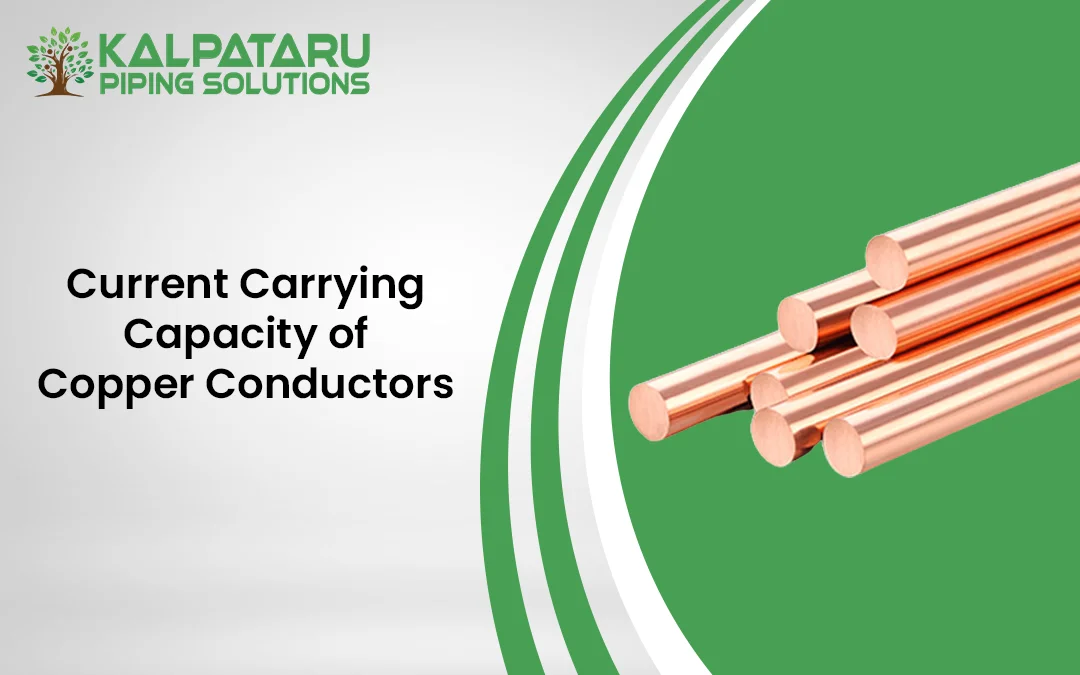
Current carrying capacity of copper conductors is a measure of the maximum current (in amperes) which a wire can safely carry without overheating, and destroying its insulation. The conductor heat is produced when an electrical current passes through it. The amount of heat dictates the amount of current that can be carried by the copper wire before the insulation or the conductor material starts to wear out.
Simply put, copper cable current carrying capacity is the safe amperage value of any wire depending on its size, the kind of the material it is made of, the type of insulation, and the environment it is used in. Theoretically, the current density of a bare copper wire can be raised to the point where it melts copper – however, in practice, reasons are given to ensure the failure of insulation and safety.
We shall discuss all the details of the current carrying capacity of copper cables in this guide which includes the size of cable gauge, temperature rating and installation location. You will also have ampacity charts and current carrying capacity copper cable ratings in square millimeters ( sq mm ) which will help you make a choice on the wire you use in your electrical projects.
Key Factors Affecting Current Carrying Capacity of Copper Conductors
Several factors decide the maximum current capacity of any conductor. The following list contains the most essential factors:
Conductor Size: The ability of a conductor to transport current increases with its circular mil area dimension. The cables provide lower resistance and produce less heat.
Insulation TemperatureRating: The maximum allowable temperature for insulation should not be exceeded by the conductor temperature due to current flow. Insulation will suffer damage when exposed to excessive heat along with safety risks during this time.
Ambient Temperature: Higher ambient temperatures diminish the current capacity of conductors. The insulation’s limit can be reached with less additional heat which means the current capacity needs to be lower.
Number of Conductors: When insulated conductors are bundled together the heat dissipation decreases. The current capacity diminishes wh en the number of conductors rises.
Installation Conditions: The placement of conductors inside trays or conduits or ducts or raceways blocks air movement which reduces heat dissipation. Netting systems that utilize force-air cooling or ventilation provide relief against excessive heat.
The chart shows the current requirements to reach maximum temperature limits for different insulation types when operating a single insulated conductor in free air at 30°C ambient temperature. The current-carrying capacity of bundled conductors decreases because heat buildup becomes more pronounced. The derating table exists to modify the values because of these circumstances. The charts serve as reference material for general use in determining conductor and cable current ratings.
Amperes per Conductor in free air @ 30°C ambient temperature::
AWG Size
Dielectric/Copper Temperature
@ 80°C
@ 90°C
@ 105°C
@ 125°C
@ 200°C
30
2
3
3
3
4
28
3
4
4
5
6
26
4
5
5
6
7
24
6
7
7
8
10
22
8
9
10
11
13
20
10
12
13
14
17
18
15
17
18
20
24
16
29
22
24
26
32
14
27
30
33
40
45
12
36
40
45
50
55
10
47
55
58
70
75
Derating Factors for Bundled Conductors:
Bundle#
Derating Factor (X Amps)
2-5
0.8
6-15
0.7
16-30
0.5
Derating Factors for Bundled Conductors:
Bundle#
Derating Factor (X Amps)
2-5
0.8
6-15
0.7
16-30
0.5
Derating Factors for Bundled Conductors:
Bundle#
Derating Factor (X Amps)
2-5
0.8
6-15
0.7
16-30
0.5
Copper Cable Current Carrying Capacity Types
35 sq mm Copper Cable Current Carrying Capacity:
Commercial application uses 35 sq mm copper conductor cables because they offer outstanding current carrying capabilities. The copper conductors effectively distribute large electrical energy volumes through their efficient transmission system which upholds safety protocols. The cable’s strong capabilities enable users from homeowners to electricians and industries to choose them for dependable power distribution systems that meet different operational requirements.
10 sq mm Copper Cable Current Carrying Capacity:
The 10 sq mm cross-sectional area of this copper conductor cable provides strong current transmission capabilities, which makes it a top selection for electrical wiring applications. The residential wiring system incorporates these copper conductors for internal wiring applications while they serve medium-load requirements for dimmer switches. These wires successfully endure extended use in harsh conditions since they deliver resistance against heat corrosion and water damage.
6 sq m Copper Cable Current Carrying Capacity:
The electrical wiring sector selects copper conductor cables with a 6 sq mm cross-sectional area as their preferred option because of their superior conductivity and extended service life. The copper electrical conductor properties of this cable enable it to safely manage a maximum current of 67 amps while remaining more efficient than other materials. This cable has a high capacity that allows it to run a smaller number of cable runs hence making the cost of cable installation to be reduced. This copper conductor cable does not diminish under any circumstances and this is the reason why it is the best cable to be used in the residential and commercial power supply systems.
70 sq mm Copper Cable Current Carrying Capacity
The 70 sq mm copper conductor cable stands as an elite option for managing heavy electrical loads. This industrial-grade copper electrical conductor operates effectively in indoor & outdoor settings because it demonstrates exceptional heat resistance and mechanical durability. Large current transportation capabilities of this cable ensure dependable performance and secure connections, which makes it a trusted solution for demanding power distribution systems.
120 sq mm Copper Conductor Cable Current Carrying Capacity
The 120 sq mm copper conductor cable functions as a reliable and efficient wiring solution for residential and commercial applications. The copper electrical conductor maintains safe power transmission across long distances by providing 150 amps of regular current capacity and 175 amps of short circuit capacity. This cable proves to be the best option when high-current reliability and continuous operation are critical requirements
95 sq mm Copper Electrical Conductor Capacity
The 95 sq mm copper conductor features a design that enables safe operation of 240 amps at 240V throughout a single electrical run. The multi-stranded copper electrical conductor maintains flexibility and durability which makes it appropriate for low-voltage electrical systems. The conductor design provides strength that enables it to maintain performance while bending through corners.
16 sq mm 4 Core Copper Conductor Cable Capacity
Industrial facilities depend on the 4-core 16 sq mm copper conductor cable because it provides 95A current capacity. This cable type has protective outer shield combined with robust copper electrical conductors which maintain reliable performance throughout extreme temperature conditions and UV ray exposure.
95 sq mm Single Core Copper Conductor Cable Capacity
Single-core 95 sq mm copper conductor cables function within a current range of 40A to 300A based on installation conditions. The copper conductor cables work perfectly for commercial and residential installations where flexible power distribution with high strength is needed.
3 Core 6 sq mm Copper Conductor Cable Capacity
The key factor for secure wiring involves knowing the current carrying capacity of 3 core 6 sq mm copper electrical conductor cables. The power system requires these cables because they safeguard power systems from overloads together with reducing fire hazards while upholding building code regulations.
1 sq mm Copper Electrical Conductor Capacity
The 1 sq mm copper conductor cables deliver 30A capacity for residential and commercial buildings and warehouses. The wiring solution uses these cables because they provide long-lasting performance alongside excellent corrosion resistance and easy installation capabilities.
1.5 sq mm 3 Core Copper Conductor Cable Capacity
These cables operate at 20A per conductor when the temperature reaches 30°C and they have a regular use rating of 10A. The 1.5 sq mm 3-core copper conductor cable provides dependable power distribution for residential and basic commercial applications.
1.5 sq mm Copper Conductor Cable Current Capacity
The 1.5 sq mm copper electrical conductor functions as a lighting and general wiring component that can handle up to 25A of current. The cable offers affordability and quick installation while providing excellent conductivity which makes electricians choose it frequently.
185 sq mm Copper Electrical Conductor Cable Capacity
The 185 sq mm copper conductor provides 360 amps capacity while delivering high conductivity and tensile strength. The cables serve overhead wiring applications and heavy current load installations because of their suitable design.
2.5 sq mm 4 Core Copper Conductor Cable Capacity
The cables support current flow from 10A to 50A depending on their specific setup. The 2.5 sq mm 4-core copper conductor cable functions as an excellent power distribution tool because it provides dependable operation and safety when used according to system specifications.
2.5 sq mm Copper Electrical Conductor Capacity
The current capacity of 2.5 sq mm copper conductor cables reaches 24A. The copper electrical conductors serve versatile applications in domestic and industrial wiring systems due to their low resistance and low voltage drop characteristics.
240 sq mm Copper Conductor Cable Capacity
The 240 sq mm copper electrical conductor maintains a high capacity of 95 amps which makes it suitable for extensive installations. The cable finds extensive use in industrial motor systems and commercial power distribution networks to transmit power efficiently between distant locations.
25 sq mm 4 Core Copper Conductor Cable Capacity
The 25 sq mm 4-core copper conductor cable maintains stable power flow when installed in dry conditions at a 20A rating. The cable demonstrates strong resistance to environmental changes which allows its use in residential and commercial applications.
In conclusion, understanding about the current handling capabilities of copper cables remains crucial for establishing safe electrical systems. The cables exist in multiple dimensions with distinct capabilities for managing electrical currents. Your selection of appropriate copper cable according to application needs ensures both power reliability and safety compliance during transmission.
Leading Manufacturer of Copper Wire and Copper Products
We are a reliable producer and distributor of quality copper wire and copper products and provide dependable operation in electrical, industrial, and commercial uses. Copper wires are produced using the best grade of electrolytic copper which provides a great level of conductivity, durability and corrosion protection. Our products are bare copper wires, tinned copper wires, braided copper conductors, and flexible stranded copper cables made in different sizes and differentiations with the use of advanced manufacturing facilities and stringent quality standards. All their products are designed to satisfy international standards of current carrying capacity, conductivity and thermal performance.
Get in touch with us for quality-tested copper conductors and cables designed for efficiency and safety.
Current Carrying Capacity of Copper Wire Per sq mm
Nominal CrossSection (mm²)
0,75
1,5
1
6
16
10
25
4
2,5
35
Group 1
Protective Fuse(A)
10
6
25
50
32
63
20
16
80
Current Carrying Capacity(A) Copper Wire
15
11
33
61
45
83
25
20
103
Group 3
Protective Fuse(A)
10
20
16
50
80
63
100
32
25
125
Current Carrying Capacity(A) Copper Wire
15
24
19
54
98
73
129
42
32
158
Group 2
Protective Fuse(A)
6
16
10
32
63
50
80
25
20
100
Current Carrying Capacity(A) Copper Wire
12
18
15
44
82
61
108
34
26
135
Nominal CrossSection (mm²)
50
150
120
185
95
70
240
400
300
500
Group 1
Protective Fuse(A)
100
200
160
125
Current Carrying Capacity(A) Copper Wire
132
235
197
165
Group 3
Protective Fuse(A)
160
315
315
400
250
200
400
630
500
630
Current Carrying Capacity(A) Copper Wire
198
391
344
448
292
245
528
726
608
830
Group 2
Protective Fuse(A)
125
250
250
315
200
160
315
400
Current Carrying Capacity(A) Copper Wire
168
335
292
382
250
207
453
504
Copper Wire Size & Amp Ratings
Copper (Wire Size & Amp Ratings)
Wire Gauge Size
60°C (140°F) NM-B, UF-B
75°C (167°F) THW, THWN, SE, USE, XHHW
90°C (194°F) THWN-2, THHN, XHHW-2, USE-2
14
15
20
25
12
20
25
30
10
30
35
40
8
40
50
55
1
—
130
145
1/0
—
150
170
2/0
—
175
195
3/0
—
200
225
6
55
65
75
4
70
85
95
3
85
100
115
2
95
115
130
4/0
—
230
260
250
—
255
290
300
—
285
320
750
—
475
535
1000
—
545
615
350
—
310
350
500
—
380
430
600
—
420
475
Temperature Rating of 2000 Volts Copper Conductor for 90, 75 and 60°C
Size
Temperature Rating of Copper (Cu)Conductor
(AWG or kcmil)
75°C (167°F)
60°C (140°F)
90°C (194°F)
12 AWG*
25
30
1500 KCMIL
625
525
705
2/0 AWG
175
145
195
1750 KCMIL
650
545
735
18 AWG
—
—
14
700 KCMIL
460
385
520
4 AWG
85
70
95
800 KCMIL
490
410
555
10 AWG*
35
30
40
16 AWG
—
—
18
750 KCMIL
475
400
535
3 AWG
100
85
115
900 KCMIL
520
435
585
2 AWG
115
95
130
1000 KCMIL
545
455
615
1250 KCMIL
590
495
665
8 AWG
50
40
55
350 KCMIL
310
260
350
600 KCMIL
420
350
475
6 AWG
65
55
75
400 KCMIL
335
280
380
4/0 AWG
230
195
260
300 KCMIL
285
240
320
3/0 AWG
200
165
225
500 KCMIL
380
320
430
1/0 AWG
150
125
170
250 KCMIL
255
215
290
14 AWG*
20
25
1 AWG
130
110
145
2000 KCMIL
665
555
750
Single Insulated Copper Conductors Current Carrying Capacity
Size
Temperature Rating of Copper Conductor
(AWG or kcmil)
90°C (194°F)
60°C (140°F)
75°C (167°F)
10 AWG*
55
50
600 KCMIL
780
575
690
4 AWG
140
105
125
500 KCMIL
700
515
620
3/0 AWG
350
260
310
8 AWG
80
60
70
700 KCMIL
850
630
755
2 AWG
190
140
170
400 KCMIL
615
455
545
800 KCMIL
920
680
815
6 AWG
105
80
95
250 KCMIL
455
340
405
1/0 AWG
260
195
230
3 AWG
165
120
145
900 KCMIL
980
730
870
1 AWG
220
165
195
300 KCMIL
500
375
445
2/0 AWG
300
225
265
350 KCMIL
570
420
505
4/0 AWG
405
300
360
750 KCMIL
885
655
785
1000 KCMIL
1055
780
935
1250 KCMIL
1200
890
1065
1500 KCMIL
1325
980
1175
1750 KCMIL
1445
1070
1280
2000 KCMIL
1560
1155
1385
Copper Cable Density
Condition
Standard Conditions
High-Temperature Applications
Current Density
1 to 1.5 A/mm²
Up to 2 A/mm² or more
Description
Typical range for general applications.
Can be higher depending on cooling and insulation
Copper Conductor Resistance Table
Nom cross section
0,05
0,14
0,126
0,08
0,34
0,22
0,5
6,0
1,0
16,0
10,0
1,5
Cu conductor-tinned wires (Ohm/km)
~380
~134
~150
237
39,0
99
26,0
3,30
19,5
1,21
1,91
12,2
Copper conductor-plain wires (Ohm/km)
–
–
–
–
36,0
96
24,5
3,08
18,1
1,15
1,83
12,1
Welding cable (Ohm/km)
~392
~138
~175
~244
40,1
76
26,7
3,11
20,0
1,24
1,95
13,7
Cu conductor (tinned wires)
–
–
–
–
–
–
–
–
–
1,19
–
–
Copper conductor (plain wires)
–
–
–
–
–
–
–
–
–
1,16
–
–
Nom cross section
2,5
25,0
4,0
35,0
70,0
50,0
120,0
300,0
150,0
500,0
400,0
630,0
Cu conductor-tinned wires (Ohm/km)
7,98
0,386
4,95
0,272
0,161
0,206
0,129
0,0641
0,0801
0,0396
0,0486
0,0286
Copper conductor-plain wires (Ohm/km)
7,41
0,387
4,61
0,268
0,153
0,193
0,124
0,0601
0,0754
0,0366
0,0470
0,0283
Welding cable (Ohm/km)
8,21
0,393
5,09
0,277
0,164
0,195
0,126
0,0607
0,0762
–
0,0475
0,0292
Cu conductor (tinned wires)
–
0,390
–
0,276
0,159
0,204
0,105
–
–
–
–
–
Copper conductor (plain wires)
–
0,379
–
0,268
0,155
–
0,125
0,0654
0,0817
–
–
–
Copper Wire Current Carrying Capacity Formula
The current carrying capacity of a copper wire can be calculated using the formula:
I = k × Aᵇ
Where:
I = Current carrying capacity (in amperes, A)
A = Cross-sectional area of the wire (in mm²)
k and b = Constants based on factors such as insulation type and ambient temperature
Typical values:k = 2.5 and b = 0.5
Frequently Asked Questions About Copper Conductor
How to calculate the current rating of copper wire?
The current rating of copper wire depends on three main factors: the cross-sectional area of the conductor, the insulation material, its thickness & the surrounding environmental temperature conditions during installation. The standard calculation for current rating includes this formula:
Current (Amps) ≈ Area (sqmm) × Current density (A/sqmm)
Why is copper a conductor?
The low electrical resistance of copper enables quick electron flow because it functions as an excellent conductor. Copper serves as an excellent choice for electrical wiring due to its high conducting properties , corrosion-resistance and ductility alongside its high temperature endurance.
What is the conductivity of copper cable?
Copper exhibits an electrical conductivity value of 5.8 × 10⁷ S/m (Siemens per meter) at 20°C. Copper serves as the fundamental standard for conductivity measurements and industry professionals rate it at 100% IACS (International Annealed Copper Standard).
How much current can a 240 sqmm copper cable carry?
A 240 square millimeter copper cable has the capacity to transport between 415–500 Amps when placed in conduit and up to 600 Amps when exposed to open air. The actual carrying capacity of a 240 sqmm copper cable depends on installation method and insulation type and ambient temperature.
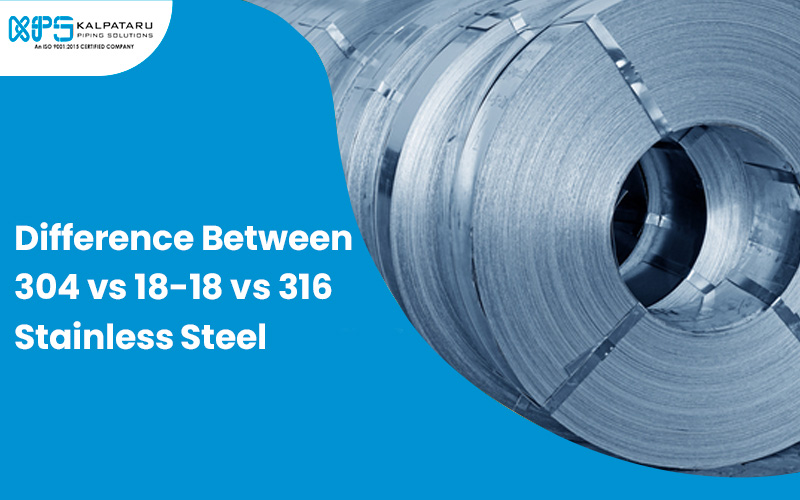
When dealing with stainless steel, it becomes imperative to distinguish between the various grades, such as 18-8, 304, and 316, particularly in relation to their suitability for different applications. It’s essential to ensure that the chosen grade aligns with the demands of the intended working environment. Let’s delve into the nuances of these grades while keeping in mind that, fundamentally, both 18-8 and 304 share identical chemical compositions; their suitability depends on specific applications.
Understanding Grade 18-8/304 and Its Attributes
Both 18-8 stainless steel and 304 stainless steel exhibit the same chemical composition. The nomenclature “18-8” denotes their makeup, consisting of 18% chromium and 8% nickel. This cost-effective variant finds its niche in commercial food processing, refrigeration, and dishwashing applications due to its commendable resistance to corrosion. The 304 grade serves as a general-purpose grade, but there are two notable subgrades within this category. Firstly, the 304L, characterized by its low carbon content, can withstand moderately high temperatures. Secondly, the 304H, a high carbon grade, boasts exceptional tolerance for extreme temperatures.
It’s worth noting that machining the 304/18-8 grades often necessitates specialized tools compared to lower-grade stainless steel options.
18-8 Stainless Steel Advantages and Disadvantages
18-8 grade stainless steel has garnered acclaim for its remarkable resistance to corrosion. However, it does exhibit vulnerability to corrosion when exposed to chlorides, such as saltwater. Consequently, it may not be the optimal choice for applications in marine environments. On a positive note, 18-8 grade stainless steel boasts properties that allow for easy bending and shaping without compromising its overall strength and durability. This particular type of stainless steel is not only highly cost-effective but also demands minimal maintenance. Furthermore, it demonstrates an impressive yield strength.
Applications of 18-8 Stainless Steel
Within various industries, 18-8 grade stainless steel finds versatile applications. It is commonly employed in sectors such as wastewater treatment, restaurant and catering, medical, and transportation. However, it is worth noting that it is unsuitable for use in marine settings.
304 Stainless Steel Pros and Cons
304 stainless steel offers a range of advantages that position it as a prominent choice within the realm of mild steels. Its notable strength sets it apart as a reliable material for diverse applications. Additionally, it exhibits commendable resistance to corrosion, making it an appealing option. When compared to its counterpart, 316 stainless steel, 304 stainless steel stands out as being more malleable and easier to shape. Nevertheless, it’s crucial to acknowledge that, similar to 18-8 grade stainless steel, 304 stainless steel is susceptible to corrosion when exposed to saline environments.
Applications of 304 Stainless Steel
The versatility of 304 stainless steel finds widespread application in the manufacturing of various products, including but not limited to sinks, pots, pans, and tables, among others. This material’s adaptability and durability render it a favored choice in industries such as dairy, food processing, and brewing.
316 Stainless Steel Advantages
The chemical composition of 316 stainless steel differs somewhat from that of 304. SS 316 comprises 16% chromium, 10% nickel, and trace amounts of other elements. Within the realm of 316 stainless steel, various iterations exist. For instance, there is the 316L, known for its low carbon content. Additionally, the 316F represents a free machining grade, while the 316N is a high nitrogen grade. These variants are particularly well-suited for marine environments or areas with elevated salinity levels.
One distinguishing feature of 316 stainless steel is its superior strength in comparison to 304 stainless steel. It offers exceptional resistance against corrosion, as previously mentioned, and provides protection against pitting and damage caused by caustic chemicals. These attributes make it a preferred choice for applications in refineries, chemical processing, and storage facilities, and it performs admirably in marine environments.
As always, it is crucial to meticulously select the appropriate product that aligns with the specific demands of the working environment. This selection process should factor in considerations of budget and intended application to ensure prolonged performance and structural integrity.
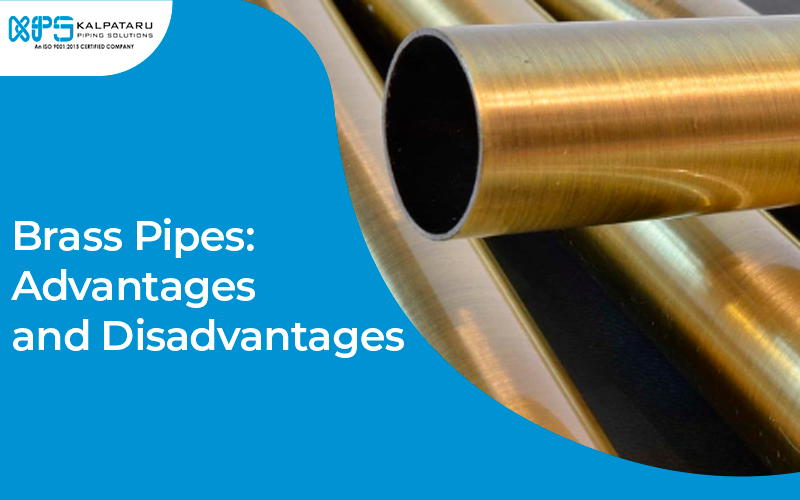
Brass pipes offer an unparalleled advantage in terms of durability. Composed of an exceptionally strong metal, brass can withstand the ravages of corrosion, rust, and various environmental factors for extended periods without necessitating replacement or repair. Remarkably, it demands no specialized maintenance or care to retain its optimal condition. This characteristic renders it an exceptional choice for plumbing endeavors requiring longevity without the need for recurrent maintenance or repairs.
Brass Pipes Are Easy to Install:
Brass presents a visually pleasing aesthetic compared to alternative metals such as copper or steel. Its golden hue adds a touch of elegance and sophistication to any space or structure employing brass piping applications. Consequently, it emerges as the ideal selection for diverse settings, including residential homes, commercial edifices, and projects where aesthetics play a pivotal role.
Brass Pipes Easy to Customize:
Brass pipes are relatively easy to work with compared to other metals such as copper or steel. Their malleability allows for straightforward bending and shaping, making them ideal for customized piping applications that require specific forms and configurations.
Brass Pipes Are Fire Resistance:
Another noteworthy advantage of brass pipes is their resistance to fire. They exhibit slower ignition properties compared to alternative materials, providing an added safety feature. Furthermore, in the event of a fire, brass pipes do not contribute to the rapid spread of flames.
Brass Pipes Are Cost Effective:
Brass pipes provide a cost-effective solution in the long run. While they may come with a higher initial price tag due to their durability and visual appeal, their longevity and minimal maintenance requirements translate into cost savings over time.
5 Disadvantages of Brass Pipes
Brass Pipes Higher Initial Cost:
One notable disadvantage of brass pipes is their initial cost, which tends to be higher compared to materials like copper or steel. This price premium is attributed to the material’s durability and aesthetic appeal.
Brass Pipes Potential Lead Content:
Another concern with brass pipes is the potential presence of lead. Although the levels of lead in brass pipes are typically low, there is a risk of lead leaching into the water flowing through them, which can be harmful, especially to pregnant women and young children.
Brass Pipes Susceptibility to Corrosion:
Over time, brass pipes may corrode, leading to water contamination and leaks. Corrosion can result in water quality issues and potential damage to your property.
Brass Pipes May Be Noisy:
Brass pipes can generate noise as water flows through them, which may be disruptive and annoying. In certain situations, this noise can even disturb sleep if brass pipes are installed in a bedroom or nearby.
Brass Pipes May Require Special Maintenance:
Maintaining brass pipes may require extra effort to prevent corrosion and lead contamination. Periodic cleaning with specialized products may be necessary, and regular water testing might be recommended if brass pipes are part of your plumbing system.
In Conclusion:
In summary, brass pipes offer durability, aesthetics, and fire resistance, making them a solid choice for plumbing projects. However, their higher brass pipe price, potential lead content, susceptibility to corrosion, noise generation, and special maintenance requirements should be carefully considered. Ultimately, the decision to use brass pipes should align with your specific needs and budget, while also weighing the alternatives like copper or steel pipe systems.
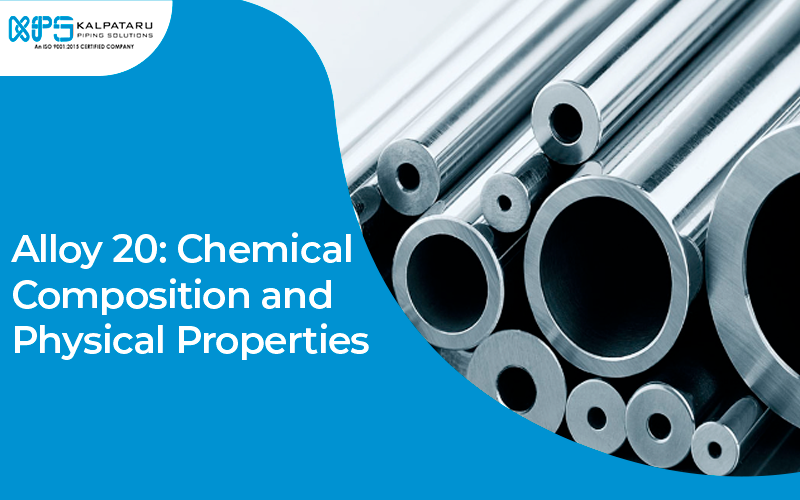
Austenitic alloy – Alloy 20 is based on nickel, iron, and chromium and has high corrosion resistance in settings including sulfuric acid and other hostile fluids. This alloy is stabilized with niobium to stop intergranular corrosion. When carefully compared to higher nickel-based alloys, Alloy 20 may offer possible cost savings while outperforming regular stainless steels.
Alloy 20 distinctive attributes find resonance in a multitude of industries. From chemical processing to pharmaceuticals, this alloy proves its mettle in various applications. We unravel the sectors that have harnessed the power of Alloy 20 and delve into specific use cases that highlight its adaptability and reliability.
Resistance to Corrosion:
One of Alloy 20 most remarkable features is its unparalleled resistance to corrosion. Delving into the alloy’s molecular structure, we uncover the mechanisms that empower Alloy 20 to withstand the harsh environments of chemical compounds, particularly those containing sulfuric acid. Through real-world examples and scientific insights, we illustrate how Alloy 20 stands as a stalwart guardian against the corrosive forces that can compromise other materials.
Fabrication and Heat Treatment:
The journey from raw materials to the final Alloy 20 product involves intricate fabrication techniques and carefully orchestrated heat treatments. We dissect the fabrication process, highlighting the steps that shape Alloy 20 into its final form.Furthermore, we investigate the impact of heat treatment in improving the mechanical characteristics of the alloy and ensuring that it fits the requirements of diverse applications.
It is possible to cold-work or hot-work alloy 20 using conventional techniques. Prior to forging, hot forged material should be heated to a temperature between 2100°F and 2250°F with rigorous temperature management to ensure that the material does not drop below 1800°F. After hot working, anneal the material by raising its temperature to between 1725°F and 1850°F for at least 30 minutes per inch of thickness, and then quench it in water.
When stress relief is sought, heat to a temperature below 1000°F and then quench with water once the appropriate time has passed at the temperature. Alloy 20 should be annealed at a temperature of 1725°F to 1850°F for 30 minutes per inch of thickness. By heating to 2100°F, a reduced hardness can be achieved, although this may not be good for the alloy’s ability to stabilize.
Alloy 20 is often welded using TIG, MIG, and submerged arc welding (SAW), with the appropriate filler metal (ER320LR for TIG, MIG, and SAW, and E320LR for SAW). When welding to higher-grade alloys like C276 and Alloy 22, or to dissimilar alloys like 316, AWS ERNiCrMo-3 may be used for TIG and MIG, whereas ENiCrMo-3 can be used for SAW.