
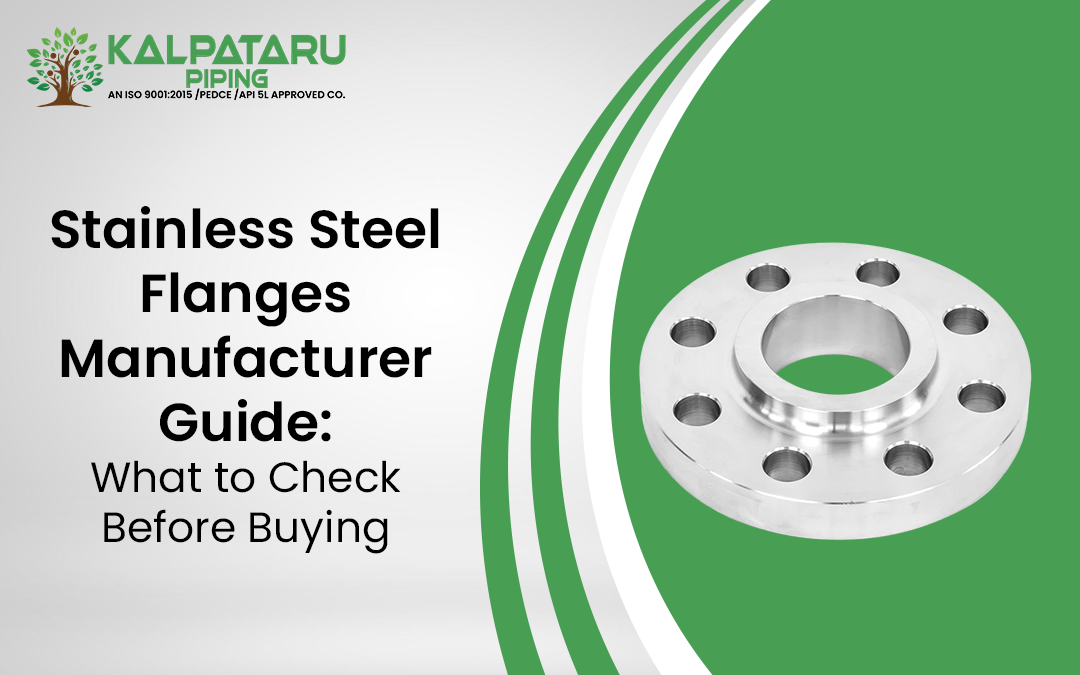
Stainless Steel Flanges Manufacturer Guide: What to Check Before Buying
In the case of constructing a reliable system of piping oil and gas, petrochemicals, power plant or pharmaceutical, the quality of your stainless steel flanges will make or break the whole installation. Here’s the plagiarism-free version with all headings retained and keywords naturally included:
A stainless steel flange is a highly-designed ring element that is utilized to fix pipe sections, or hook up mechanical assemblies that require a secure and leak-free association. It would be necessary to learn about the stainless flanges prior to ordering it because it comes in a broad range of sizes, dimensions, shapes, and pressure ratings to meet the different project needs.
Since there are a large number of configurations to choose, choosing the correct steel flange is reduced to matching your selection to individual requirements in the field of application, and the standards available. The choice of materials and design when ordering stainless steel flanges is conditioned by a number of important factors, and the knowledge of each of them can make a considerable contribution to the performance and cost-effectiveness in the long term.
Selection of Various Types of SS Flanges Available:
Based on your project requirement, here are the types of stainless flanges that you can buy:
- SS Slip-On Flanges: Slip-on flange is one of the most cost effective stainless flanges, which have a bore diameter that is marginally bigger than the pipe and as such, can be easily slipped over the pipe. They are highly adapted to low pressure systems, and they are usually selected where the use of weld neck flanges is not feasible due to the budget constraints or space constraints.
- SS Weld Neck Flanges: Weld neck flanges are identifiable by their unique tapered neck which is designed to withstand harsh working conditions such as low temperatures, high pressure conditions and excessive thermal swings. Steel flange bore coincides perfectly with the bore of the pipe forming a robust and smooth connection that reduces turbulence and internal erosion.
- SS Blind Flanges: Blind stainless steel flanges are used to characterize the end of a piping system and thus they are the best when there is need in regular inspection or maintenance access. They can withstand a great deal of mechanical stress due to internal fluid pressure, and are generally applied in blanking pipelines, valves, and pressure vessels.
- SS Threaded Flanges: These are stainless flanges that are installed without welding and therefore can be easily dismantled and re-installed. They do not usually work well in a system which is prone to bending stress, high temperatures or high-pressure environments. To provide extra security, a seal weld can be used with the threaded connection. These may be provided without a hub or in surface-treated carbon steel in order to reduce costs.
- SS Lap Joint Flanges: It is a variation of the slip-on variety, lap joint stainless steel flanges are often employed in low-alloy or carbon pipe systems where serviceability is of concern. Whereas they appear visually the same as slip-on flanges, they have a curved interior edge at the flange face thus fitting a stub end.
- SS Socket-Weld Flanges: The smaller-diameter, high-pressure flanges are used in steam line service, and offer internal welds to improve the connection life of the flanges. The bore and flange bore are exactly the same and thus the path of flow is smooth and efficient through the joint.
- SS Orifice Flanges: Orifice stainless flanges are designed so that the orifices serve to offer controlled entry points to liquids or gases inside a pipeline. They exist in all normal size scales and can be used in conjunction with the vast amount of stainless steel flange materials which makes them very versatile in flow measurements.
- SS Forged Flanges: Forged flanges are made of stainless steel that is forged to join two mechanical parts and provide a higher level of strength and structural integrity than cast products. They are easy to inspect, clean and modify the system. Forged stainless flanges are available in various configurations depending on the need of the application in the industry and are usually given in high-pressure industrial applications.
How to Choose the Stainless Steel Flange
The first thought when choosing stainless flanges is the determination of the exact diameter of the pipe you will need on your system. It is also necessary to know the type of connected pipes whether they are seamless or welded and this also determines the type of flange that is best applied. Stainless steel flanges are discs or rings which are joined to the ends of pipes to enhance structural support and an increase in system strength. They are normally welded or threaded. These parts may be designed to suit the specifications of the customer, which frequently makes a personalized answer more feasible than choosing to utilize off-the-shelf criterion items.
The ASME B16.5 standard regulates the pressure-temperature rating, size, material and marking of the stainless steel flanges that are 24 inches in diameter or less. ASME B16.47 contains the equivalent specifications to larger diameter use, and has much greater coverage of heavy duty industrial systems.
Choose Flanges Based on Design of the Project
Stainless steel flanges are produced in a variety of grades and the correct selection must indicate the nature of operation as well as cost factors. Although more advanced materials might have a higher initial price attached to them, they offer higher stability and longer serviceability. Both SS 304 and SS 316 are chromium-nickel iron alloys, both alloys containing about 95 percent alloy composition, providing solid resistance to daily corrosion, exposure to chemicals and other types of material corrosion and degradation. The low-carbon equivalents of these, SS 304L and SS 316L, are used in welded assemblies. SS 317 stainless flanges contain more additions of chromium and nickel that contain low carbon content, and thus can be used in more aggressive conditions.
Key Industries That Rely on Stainless Steel Flanges
Stainless steel flanges are extensively used in many industries like:
- Oil & Gas: The high pressure pipelines and subsea equipment where the resistance to corrosion is very important.
- Petrochemicals & Refineries: Aggressive chemicals, acids and hydrocarbons when in the high temperatures.
- Power Generation: Steam pipelines and heat exchangers which are subject to thermal cycling and high pressure.
- Pharmaceutical/ Food Processing: Sanitary grade flanges, which are hard to contaminate and are straightforward to clean.
- Chemical Processing: Processing of corrosive media such as acids, alkalis and solvents.
- Shipbuilding & Marine: SS 316 or duplex steel flanges are required when in contact with salt water.
Buy Stainless Flanges From Kalpataru Piping
Buying stainless steel flanges is not a one-size-fits-all decision. The correct product relies on a keen consideration of the pipe diameter, grade of material, type of flange, pressure category, type of face, standards to be applied and your unique operating environment. Adhering to the rules presented in this purchasing document, you will be able to minimize the chances of errors in specifications, excessive rework, and system crashes to a considerable degree.
At Kalpataru Piping, we are here to help you make the right choice. Our experienced team offers technical guidance, competitive pricing, and fast delivery across India and international markets. Reach out today to get started.
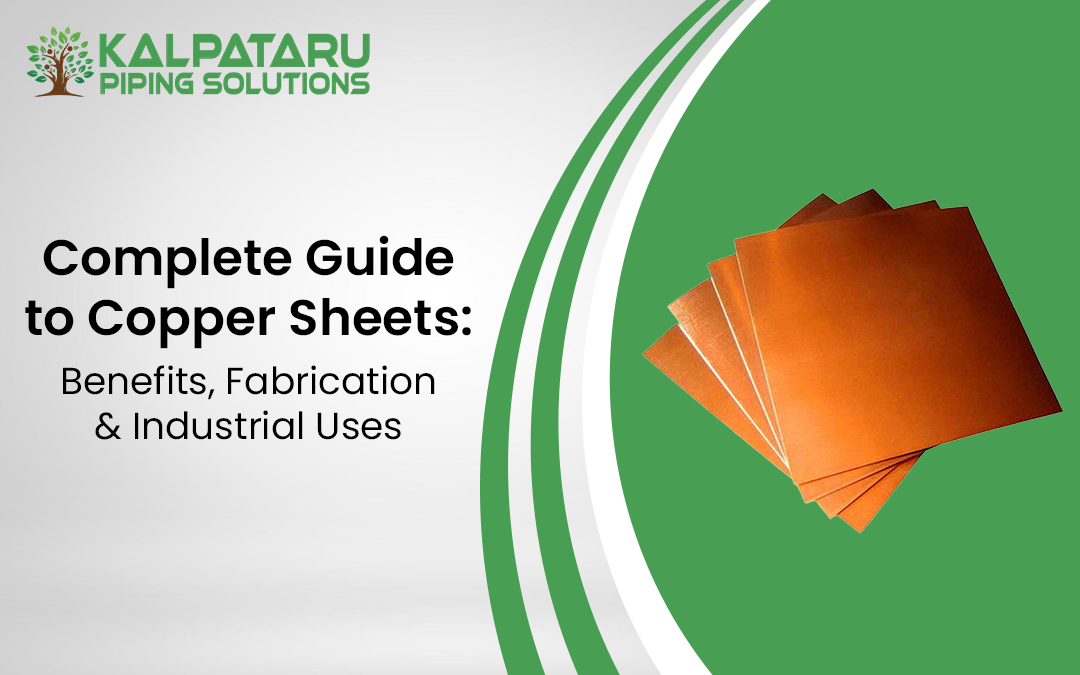
Complete Guide to Copper Sheets: Benefits, Fabrication & Industrial Uses
Copper is a rare metallic element that is naturally present in a formable state, and it has continued to be a pillar of modern-day manufacturing. Copper sheets can be found everywhere, in the complexity of phone circuits, to the rough exterior of an industrial heat exchanger. Nevertheless, selecting the correct material is not simply a matter of mere choice of a metal, but a thorough knowledge of the copper sheets sizes used, the name of the temper (as ASTM B370 to be used in construction) and the alloy chemistry.
Be it a sourcing of material to be used in high conductivity electrical components or durable roof cladding of an architectural building, the sheet metal gauge chart is the first tool to navigate. The modern manufacturers have a wide variety of copper sheet dimensions, including heavy-duty plates to be used as structural elements and ultra-thin foil to have shields. In order to assist you in deciding the specifications to be used in your project, you can explore our comprehensive range of copper products that meet global standards.
For detailed supply options, our dedicated copper plates & sheets suppliers section provides specific grade availability.
Types of Copper Sheets (With Grades & Thickness Options)
The choice of the right copper sheet metals is dependent on the purity and the mechanical properties that are needed. The industrial grades are normally categorized based on their oxygen percentage and mode of production which directly determines their conductivity and formability.
Electrolytic Tough Pitch (ETP) Copper Sheets
The most popular grade, ETP (C11000), has around 99.9 percent of copper and 0.04 percent of oxygen. It is a high thermal conductivity and electrical conductivity material that is used in general electrical applications in the industry.
Oxygen-Free Copper Sheets (C10100/C10200)
In cases where hydrogen embrittlement is a concern say in reducing atmosphere or high-vacuum electronics Oxygen-Free (OF) copper is necessary. These These thin copper sheets have better ductility and are widely applied in high end audio and medical equipment.
Deoxidized Copper (C12200)
The best choice in terms of welding or brazing application is High Phosphorus Deoxidized (DHP) copper. Presence of phosphorus eliminates embrittlement in the heating process thus making it perfect in the plumbing and industrial tanks.
Phosphor Bronze Sheets
Manufacturers make sheets of unprecedented fatigue resistance and spring properties available by alloying copper with tin and phosphorus, usually used in electrical contacts and switchgear.
Perforated Copper Sheets
A perforated copper sheet is used in filtration, acoustic damping, and machine stamped to form the accurate hole patterns. These play a very important role in HVAC systems and architectural screens where both airflow and beauty have to be taken into consideration. You can view specifications for these specialized items on our perforated sheet page.
Common Dimensions & Forms:
| Dimension / Form | Description & Common Applications |
|---|---|
| 4×8 Copper Sheet | The standard industry dimension, widely used for architectural cladding, wall panels, and large-scale fabrication projects. |
| 1mm Copper Sheet | A versatile gauge frequently used for detailed craftwork, embossing, and light-duty electrical shielding. |
| 2mm Copper Sheet | Provides the structural rigidity necessary for roofing panels, heavy-duty gaskets, and mechanical components. |
| Copper Foil Sheets | Micrometer-thin layers that are essential for PCB manufacturing (circuit boards) and battery anodes. |
| Copper Shim Sheet | Precision-rolled material used primarily for alignment, spacing, and leveling in heavy machinery. |
Types of Copper Sheet Alloys
High stress environments often require too soft a pure copper. Copper Alloy Sheets add such elements as zinc, nickel or beryllium to improve the strength without losing excessive conductivity.
- Beryllium Copper Sheets: A beryllium copper sheet (C17200) is also the non-sparking and the strongest material, and it is indispensable when using tools in the oil and gas industry in the dangerous environment. It can also be hardened with age to give it the same level of hardness as high-strength steel. For sourcing these high-performance alloys, visit our beryllium copper alloy sheet suppliers page.
- Brass Sheets (Copper-Zinc Alloy): The decorative trim and ammunition casings are made out of brass; adding zinc will increase its tensile strength and it will have a nice golden appearance.
- Copper-Nickel Alloys: These alloys are of excellent biofouling and seawater corrosion resistance. They are used as the materials of choice in marine hardware and desalination piping. Learn more about these marine-grade options at our copper nickel plates & sheets hub.
- Copper Aluminium Sheet: A copper aluminium sheet is often referred to as Aluminium Bronze and is designed in high load applications such as bushings and bearings, with great wear and corrosion resistance.
Manufacturing and Processing of Copper Sheets
Working with copper sheet metal requires specific techniques to maintain the integrity of the material. The production process starts with the casting of ingots and then carrying out the hot-rolling and cold-rolling process to obtain the required gauge.
- Cutting Copper Sheets: Cutting copper sheet material varies by thickness. Thin foils may be sheared using hand tools, however, more heavy industrial foils need to be cut by water-jet or plasma cutting to avoid heat distortion.
- Shaping and Forming: The malleability of copper makes it to be deep-drawn or hammered. Nevertheless, it work-hardens rapidly. To enhance elasticity to continue with the copper sheet fabrication, the material requires annealing, a heating mechanism that makes the crystalline structure soft.
- Finishing: Since mirror-polishing has been used to decorate objects, to applying the inhibitors that slow down the natural patina, finishing is paramount. Surface treatment will be done properly to make the copper sheet supply last long in any outdoor or corrosive condition.
Welding Copper Sheet Metal
Welding copper sheet metal is a challenging task because copper has high thermal conductivity, thus the heat quickly disperses out of the weld area. The welding technique that is recommended in order to obtain high-quality joints is TIG (Tungsten Inert Gas) welding, which usually needs pre-heating of thicker parts.
For a deeper dive into procurement strategies, read our copper sheet buying guide.
Benefits of Copper Sheet Metal
The industrial need properties of copper sheets is due to a combination of features that are unique to each:
- Thermal Conductivity and Electrical Conductivity: The standard of 100% IACS of electrical conductivity is in the form of copper, which is the best conductor of electricity.
- Corrosion Resistance: When exposed to the atmosphere, copper sheets compositions automatically develop a protective layer (verdigris) on their surface preventing further corrosion of the underlying metal.
- Antimicrobial Properties: Copper surfaces have the innate ability to kill 99.9 percent of bacteria in hours, which is an essential advantage to hospital surfaces and food production tools.
- Ductility: It is able to be pulled into fine wire or rolled into ultra-thin sheets without fracture, giving way to complex geometries.
Copper Sheets Uses
The application of copper alloy sheets is diverse and extensive in the spheres:
- Generation of Power: Busbars and windings of transformers make use of ETP sheets that are of high purity.
- Architecture: Roof, gutters, and downspouts are based on the weathering and aesthetic characteristics of copper.
- Automotive: Automotive heat exchangers and radiators make use of the thermal transfer abilities of copper.
- Electronics: The foundation of the printed circuit board (PCBs) is the use of copper foil sheets.
- Art & Design: It is utilized in interior decoration and wall cladding by sculptors.
For detailed examples of industrial applications, check out our page oncopper sheet uses.
Copper Sheet Price: Key Factors to Consider
To determine the copper sheet price, one should not look at the sticker tag. The copper sheet cost is dynamic and it depends on various global and local aspects:
- LME Trends: The body copper sheet metal prices are pegged to the London Metal Exchange (LME) which is traded on a daily basis depending on the amount mining activities and demand globally.
- Fabrication & Grade: A copper sheet price per kg will increase in the specialized alloy such as the Beryllium copper than in the standard ETP grades. Moreover, the processing costs such as perforation or polishing increase the cost.
- Thickness: Sold by weight, thinner sheets (such as foils) may cost more per kg to process than thicker plates because the technology needed to roll such sheets is fine and there is no tolerance.
Why Choose Kalpataru Piping for Copper Sheets Product Needs?
Kalpataru Piping, being a prominent Copper Sheets Supplier and Copper Sheets Manufacturer will be a bridge between raw material and finished application. We realize that the temper of a 4×8 copper sheet used to roof needs different specifications as compared to a copper shim sheet used to align machinery. We also have a strict test on our inventory based on the standards of ASTM and ISO, and so you can not fail to get the same quality on any project.
FAQs
Can copper sheets be welded together?
Yes, but it requires skill. The welding copper sheet metal is done through TIG. In case of thin sheets, it is customary to use soldering or brazing instead of the high-cost warping by heat.
What’s the best way to attach copper sheets to another surface?
It is usually mechanical fasteners (rivets/screws) or industrial adhesives. Also, in attaching to various metals, an insulating washer should be used to avoid galvanic corrosion.
What is the best copper sheet thickness for crafts?
For embossing and tooling, thin copper sheets (24-30 gauge) are ideal. For structural jewelry or bowls, a heavier 1mm copper sheet (approx. 18 gauge) provides the necessary rigidity.
Thin sheets of copper (24-30 gauge) are the best to use in embossing and tooling. To give the rigidity required in structural jewelry or bowls, a heavier sheet of copper, 1mm copper sheet (approx. 18 gauge)
Can copper sheets be used outdoors?
Absolutely. Copper is an outdoor material, which is very durable. It grows a self healing green patina over the course of time which shields the metal against the elements.
Can I customize copper sheets for my project?
We do have different copper sheets dimensions and personalization. You may require some special cutting copper sheet services or special alloy compositions, we can supply them to your specification.
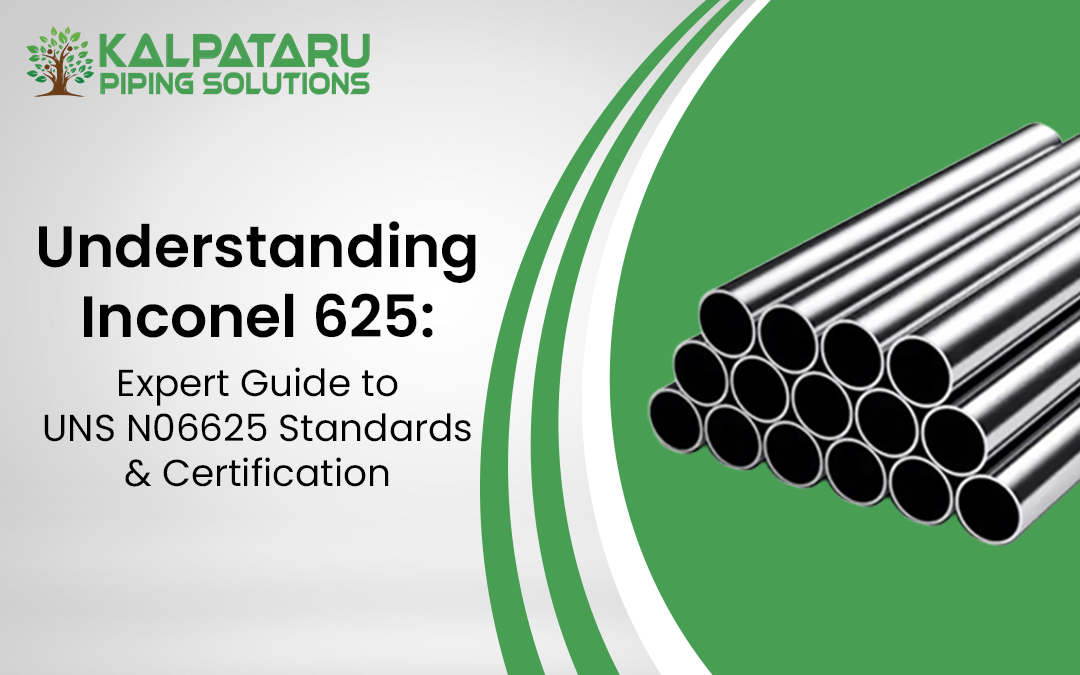
Understanding Inconel 625: Expert Guide to UNS N06625 Standards & Certification
Alloy 625 is often desirable when the engineers need to choose the material to be used in the environment where zero failure is required. The nickel superalloy is famous because it can be subjected to high levels of stress, oxidation, and corrosive conditions as low as cryogenic temperatures and as high as 1800degF (982degC). But its real worth goes beyond the chemistry of uns n06625, and it has to do with the standards and certifications involved in certifying the quality of uns n06625.
We also de-attract the most vital areas of the n06625 material so that buyers and engineers get to know the specifications that characterize this high-performance alloy.
For a full range of high-performance components made from this exceptional material, you can View Our Inconel Products and explore our certified stock.
What is Inconel 625?
Inconel 625, which is a solid-solution reinforced superalloy, was developed in the 1960s to fill the gap between high-strength materials and those that had excellent corrosion resistance. Inconel 625 material is not subjected to any of the heat treatments necessary to precipitate its alloy, such as precipitation-hardening, to attain its strength; instead, the material gains its vast strength through the hardening of its metal structure itself.
The material is part of the elite group of superalloys that are meant to withstand the most unfavorable environment on the planet such as deep-sea oil wells and jet engine exhaust. If your project requires certified forms of this metal, explore our range of Inconel Pipes and Tubes Supplier. The atomic structure of nickel alloy 625 is special and has the ability to resist intense corrosion attacks including pitting and crevice corrosion that tend to affect other metals of a lesser quality.
Chemical Composition of Inconel 625 (UNS N06625)
UNS N06625 has unique performance, which has been outstanding because of its accuracy in chemical balance. It is the combination of these factors that produces a material that is stable even during a large thermal shock.
- Nickel (58% min): The base of the alloy, which yields resistance to chloride-ion stress-corrosion cracking.
- Chromium (20-23%): Provides excellent oxidizing chemical and high temperature oxidation.
- Molybdenum (8-10%): The first agent that is used to resist pitting and crevice corrosion.
- Niobium (3.15-4.15): Combines with molybdenum to harden the alloy structure, which would be high-strength with no heat treatment and stabilize the material during welding in order to prevent sensitization.
Inconel 625 Manufacturing Standards & ASTM Specifications
In order to ensure the reliability, international bodies closely control Inconel 625 specifications. The most common standards ASTM standards that you will find when purchasing this alloy are:
- ASTM B443: Nickel-Chromium-Molybdenum-Columbium Alloy Plate, Sheet, and Strip Standard.
- ASTM B444: Nickel-Chromium-Molybdenum-Columbium Alloy Pipe and Tube (Seamless) Standard.
- ASTM B446: Nickel-Chromium Molybdenum-Columbium Alloy Rod and Bar Standard.
- ASTM B705: Welded Pipe, Nickel-alloy.
Also, in oil and gas applications that involve sour gas, the material has to be frequently in compliance with NACE MR0175 to eliminate sulfide stress cracking.
Why is Certification so Important for Inconel 625?
Certification is a documented assurance of the alloy 625 you are getting to be the same one that is required by the engineers to be safe.
The pedigree of the material is a proper certification. It attests to the fact that the uns n06625 is not only intensely tested but its chemical and mechanical properties are within the close acceptable limits set by the standard. In the absence of this paper trail, there is no evidence that Inconel alloy 625 is going to withstand the forces of a nuclear reactor or the acidity of a chemical processing facility.
How to Verify Certification of UNS N06625?
In auditing a Material Test Report (MTR) of inconel 625, you need to audit the following sections to ensure authenticity:
- Check the Standard: Confirm that the MTR is made under the right standard of alloy of the inconel (e.g. ASTM B444 of seamless pipe).
- Check the UNS Number: This should be clear in the fact that the material is uns n06625.
- Confirm Traceability: Find a Heat Number or Lot Number on the report that reflects the markings that are stamped on the product.
- Review Chemistry: Recipe Compare the percentages of Nickel, Chromium, Molybdenum and Niobium with the standard to determine whether they are in spec or not.
- Test Mechanicals: While checking that the Yield Strength and Tensile Strength and Elongation meet the minimums.
Why is Kalpataru Piping a Trusted Supplier of Inconel 625?
The supplier of superalloys needs to have a partner who is knowledgeable about complexities of the supply chain.Kalpataru piping is one of the bestinconel 625 suppliers since we give importance to the availability of stock and technical precision. To learn more about our commitment to quality and service, see Why Choose Us.
- Ready Stock: We also have huge inventory so as to reduce lead times.
- Fast Delivery: Our logistic system promotes project urgency.
- Value Pricing: Our price is based on the relationships that we have with the world.
- Expats on the Global Front: We provide compliant supplies to the global industry.
Grades, Forms & Variants Available in Alloy 625
We are alloy 625 material manufacturer that comes in a broad variety of forms that can be the solution to a variety of fabrication requirements. You want smooth tubing to support heat exchangers or massive fasteners to hold construction performance assembly together we can do it. View our entire Inconel Products lineup.
Available Forms:
- Pipes and Tubes: Seamless and Welded (ASTM B444 / B705).
- Sheets, Plates and Coils: To use in lining a vessel and ducting.
- Fittings: Elbows, tees, reducers, and blind flanges.
- Bars & Wires: Round bars, hex bars and flat bars.
- Fasteners: High-strength bolts, nuts (with Inconel 600 fasteners).
Applications of Inconel 625 Across Industries
The flexibility of UNS N06625 enables its use in industries where failure has severe (usually life-threatening) implications, and its inherent strength and corrosion characteristics of this Inconel 625 material, are taken advantage of. If you’re looking for detailed product specifications, be sure to View Catalog.
- Aerospace: Jet engine exhaust systems, thrust reversers and complicated ducting systems can not be done without Inconel 625.It is exceptionally strong in a critical and creep-resistant at high temperatures, which efficiently addresses the intense thermal stress and oxidation of the combustion gases in addition to long-term durability of flight controls, engine and engine controls, and reduces weight with negligible harm to the structural integrity.
- Chemical Processing: Inconel 625 is used in equipment like reactors, heat exchangers, and distillation columns that are used with corrosive media of aggressive nature.Its ability to resist oxidizing and reducing acids, especially nitric, phosphoric, sulfuric acids, and the ability to resist chlorinated hydrocarbon is crucial in providing life cycle service to the environments that would readily ruin conventional stainless steels because of local corrosion or stress cracking.
- Offshore Oil & Gas: Wellhead equipment and subsea mooring cables, as well as flowline components, are constantly subjected to a high level of corrosiveness of brine, hydrogen sulfide (H2S), and pressure in the offshore environment.The high resistance to pitting, crevice corrosion, and chloride-ion stress-corrosion cracking of Inconel 625 is needed in these marine components to ensure the operational safety and durability of these components in high-chloride, sour service environments.
- Nuclear: Reactor core components, mechanism of control rods used and specialized heat exchanger tubing of nuclear power plants require most highly stable and corrosion resistant material, such as that of high purity water and radiation exposure.Its low creep and sensitization resistance during welding makes the alloy an attractive option to these critical, long-life applications in which material replacement is usually complicated or impossible.
Inconel 625 Price in India 2025 – Latest Price Trends
The Inconel 625 price is affected by the fluctuating prices of raw Nickel and Molybdenum in the London metal exchange (LME). Also the final inconel 625 price per kg is determined by the product form (seamless pipes are usually expensive than welded), wall thickness, and the source of material (domestic and imported).
We are heading to the year 2025, and supply chains are stabilizing again, although the prices are still susceptible to mining activities in the world. For the most accurate and competitive pricing tailored to your specific project volume and product requirements, we encourage you to Request a Quote.
FAQs
What is UNS N06625? Why is it called Inconel 625?
UNS N06625 is the name of the Unified Numbering System of this alloy. It is also popularly referred to as Inconel 625 which is a trade name that was originally invented by Special Metals Corporation.
What are the main chemical components of Inconel 625?
Its main component is Nickel (min 58%), Chromium (20-23%), Molybdenum (8-10%), and Niobium (3.15-4.15%).
What standards should be considered when purchasing Inconel 625 material?
Common standards such as ASTM B443 (Plate), ASTM B444 (Pipe) and ASTM B446 (Bar) are used. NACE MR0175 is important in sour service applications.
What is an MTR? Why is thorough auditing necessary?
MTR (Material Test Report) is a report on the chemical and mechanical characteristics of the particular consignment of metal. It should be audited to ensure the material is of standard and safe to be used.
Why partner with reliable suppliers?
Trustworthy suppliers guarantee tracing, they offer true MTRs and the chances of receiving a counterfeit or off-spec substance, which may cause disastrous failure, are eliminated.
What services does Kalpataru Piping provide?
Kalpataru Piping offers the world with supply and tests of material, custom fabrication and valid certification of all Inconel products to determine the compliance of the project.
Is Inconel 625 suitable for my project in offshore oil and gas platforms, high-temperature chemical plants, or nuclear power plants?
Yes, it is specially developed to be used in such environments because of its chloride stress cracking, high heat and radioactive water corrosion resistance.
Why is Inconel 625 more expensive than standard stainless steel?
It is rich in costly materials such as Nickel and Molybdenum and needs more complex methods of processing than regular stainless steel.
Is Inconel 625 suitable for 3D printing?
Yes. Alloy 625 is a good additive manufacturing powder metal because it is highly weldable and has a stable microstructure.
Can Inconel 625 be welded?
It is true it has excellent weldability and does not need post-weld heat treatment to preserve the corrosion resistance due to its Niobium stabilization.

Inconel 600 Chemical Composition — Complete Guide
Inconel 600 or UNS N06600 is a common engineering material, which is applied in the field when the material is required to be resistant to corrosion and heat.UNS N06600 chemical composition is essential in industries that work in highly extreme environments.It is an alloy of nickel-chromium which is to be used in general purposes at medium temperature, either cryogenic or high. This alloy offers high strength and excellent workability. The material resists many organic and inorganic compounds and provides superior performance in reducing conditions.
Kalpataru piping is one of the main producers and suppliers of high performance nickel alloys that deals with a full variety of Inconel products such as Inconel 600, 625, 800 and 825 in pipes, tubes, sheets, plates, bars and fittings.Our technical know-how provides true material chemistry and approved provision of essential industries.
This guide discusses the Inconel 600 composition in greater detail, mechanical and physical properties, and forms of the product, as well as other alloys.There is also information concerning pricing and sourcing considerations.In order to get a better insight into how the fundamental properties of Inconel 600 compose with the corresponding properties, refer to our in-depth guide on Inconel Material Properties Grades Composition.
What is Inconel 600 (UNS N06600)?
Inconel 600 or UNS N06600 is a nickel-chromium-iron superalloy. It is a standard engineering material for applications requiring resistance to heat and corrosion. The alloy 600 also has brilliant mechanical properties and presents a desirable combination of high strength and good workability. It is non-magnetic and hardened only by cold work. The high nickel content of Inconel 600 alloy enables the alloy to retain exceptional resistance to reducing environments and chloride-ion stress-corrosion cracking. As a prominent supplier of alloys like Inconel 600, we provide a wide range of certified nickel alloy solutions. Explore our full offering here.
Chemical Composition of Inconel 600
The specific chemical balance of this alloy defines its capabilities. Adhering to these standards is necessary for material tracking and performance consistency. The general Inconel 600 chemical composition follows standards like ASTM B166 and B168.
A quick look at Alloy 600 composition
| Element | Weight Percentage (wt. %) |
|---|---|
| Nickel (Ni) | 72.0% min |
| Chromium (Cr) | 14.0 – 17.0% |
| Iron (Fe) | 6.0 – 10.0% |
| Carbon (C) | 0.15% max |
| Manganese (Mn) | 1.0% max |
| Silicon (Si) | 0.50% max |
| Sulfur (S) | 0.015% max |
| Copper (Cu) | 0.50% max |
Role of Each Element (Chemical Analysis of Inconel 600)
The knowledge of the role of each of the main components can be used to explain how Inconel 600 can resist stress such as its special Inconel 600 composition.
- Nickel: Nickel is the core of the alloy contained in at least 72%. This large content of nickel provides Inconel 600 with a lot of protection against a wide range of organic and inorganic substances. It is immune to chloride-ion stress corrosion cracking that is a common phenomenon in stainless steels. The metal is also resistant to reducing conditions.
- Chromium: The 14-17% content of chromium is used to offer resistance to sulfur compounds and other oxidizing environment under high temperature. Chromium forms a layer of oxide on the surface forming a stable layer that protects the metal against destruction.
- Iron: Iron is used as a stabilizing component in the matrix. It adds internal structural integrity and cost-effectiveness of the alloy without affecting the performance of considerable performance. This ratio plays a major role in comprehending the entire Alloy 600 chemical composition.
- Trace Elements (C, Mn, Si, Cu, S): Carbon gives hardness and strength. During the melting, deoxidation is done using Manganese and Silicon to enhance workability. To facilitate resistance in certain corrosive conditions, copper is used in small quantities. The entire Inconel 600 material composition is characterized by all these elements.
Decoding Melting Temperature of Inconel 600
The melting point of an alloy will occur at a single point seldom. In the case of Inconel 600, the information about the melting range is important in any process that involves heat, such as in welding, casting, or heat treatment.
The melting point of Inconel 600 is 1354-1413 deg C (2470-2575 degF). At 1354 deg C, melting starts. The alloy melts completely at 1413 degrees Celsius. This spectrum is of great importance to makers. It informs them of the appropriate temperatures of welding so that they can achieve good fusion without excessive overheating. It serves also to cast molds to full. These processes are controlled by heat transfer properties of nickel based alloys.
The thermodynamic characteristics include the following:
- Other heat qualities influence the behaviour of Inconel 600 in service other than melting.
- Its thermal conductivity is relatively low, approximately 14.9 W/m
- Its thermal conductivity is rather low, approximately 14.9 W/m*K at room temperature. This comes in handy in applications that require the inclusion of heat such as furnace linings or heat shields because it prevents the release of heat.
- The thermal expansion rate is also important. It demonstrates the extent to which the material will expand or contract due to changes in temperature.
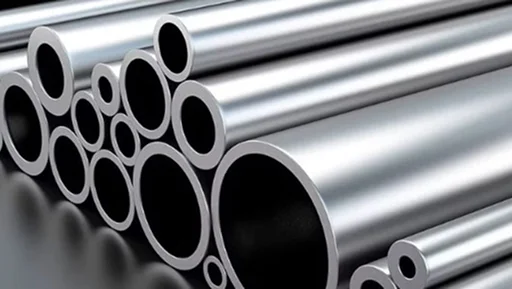
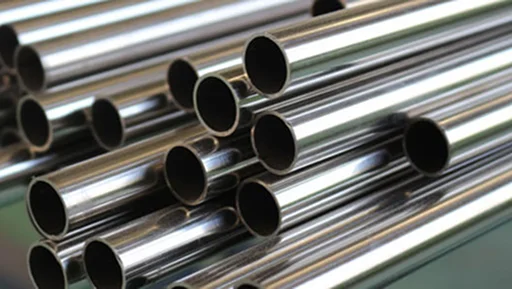
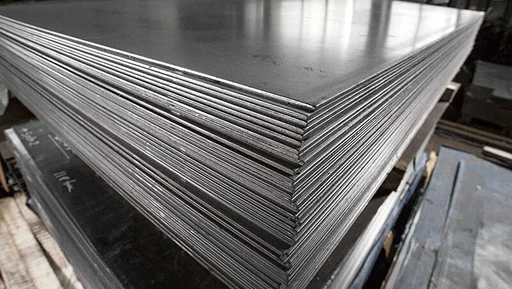
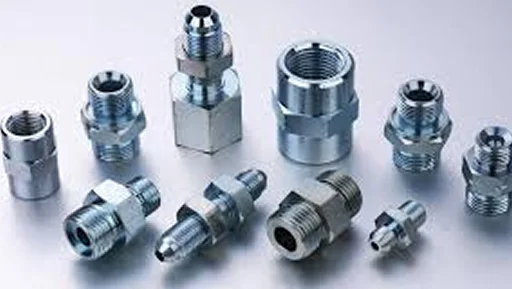
Available Forms and Products in Inconel 600
We supply this alloy in various forms to suit different industrial requirements.
How Inconel 600’s Composition Affects Performance & Applications?
Certain chemical composition has a direct effect on fabrication and service life.
- Weldability and Fabrication: Alloy 600 is weldable and not easily brittle as other alloys due to its large percentage of nickel.Standard welding procedures can be used in joining the material.
- High-Temperature Performance: The chromium-oxide coating enables the alloy to be used in continuous application at temperatures as high as 1093degC in oxidizing conditions.It is resistant to spalling and does not become mechanical unstable in high temperatures.
- Corrosion Resistance in Service: The composition has alkaline resistance and halogen resistance.It is commonly applied in chemical treatment to treat caustic soda.It is not subjected to chloride-ion stress corrosion cracking.
Comparison: Inconel 600 vs Other Nickel Alloys
Inconel 600 vs Inconel 625
Inconel 625 has Molybdenum and Niobium that are not found in Inconel 600.This provides 625 with a higher tensile strength and increased resistance to pitting and crevices corrosion.When pitting is of less concern, Inconel 600 is cheaper to use in general high temperatures.
Inconel 600 vs Incoloy 800
Compared to 600, Incoloy 800 will be rich in iron and low in nickel.Although 600 is superior in minimizing the environment and extreme corrosion, 800 is commonly applied when the resistance against oxidation and carburization is needed at a reduced cost value.
Table 2- A Quick Comparison:
| Alloy | Key Composition Differences | Strengths | Typical Use Cases |
|---|---|---|---|
| Inconel 600 | High Ni (72%), No Mo | SCC resistance, Reducing environments | Furnaces, Chemical processing |
| Inconel 625 | Added Mo & Nb | High Strength, Pitting resistance | Marine, Aerospace, Pollution control |
| Inconel 800 | Lower Ni, Higher Fe | Oxidation resistance, Cost-effective | Petrochemical, Power generation |
Inconel 600 Price (Pricing, Procurement & Supplier Considerations)
Several factors influence the Inconel 600 price. The Nickel market in the world is one of the major drivers since the alloy is composed more than 72% of nickel.Costs also depend on alloying elements such as Chromium.The product shape and size are also a factor because smooth pipes or thick plates can be charged with a high cost of processing.
Procurement Tips: When you have a chance always check mill-test certificates so that you are sure that the chemical analysis is undertaken as per ASTM requirements.Check batch traceability and supplier quality audit.Logistics and lead times are issues to consider by international buyers.When you purchase at a reliable supplier such as Kalpataru Piping then you are assured of authenticity of material and adherence to international standards.
Typical Applications & Industries Using Inconel 600
Inconel 600 is used in industries and in typical applications:
- Aerospace: exhaust liners and jet engine parts.
- Chemical Processing: Fatty acid heaters, fatty acid stills, fatty acid bubble towers and fatty acid condensers.
- Heat Treating: Furnace muffles, retorts and baskets.
- Nuclear Engineering: Vessels and heat exchanger tubing.
- Pulp and Paper: Equipment that needs resistance to abietic acid.
The Bottom Line
Inconel 600 has a superior performance, which is directly related to the Inconel 600 chemical composition, which is carefully controlled giving a special mixture of high nickel and chromium content.This alloy 600 provides unparalleled stress corrosion crack resistance and oxidation at high temperatures.Knowledge of the purpose of every component ensures that purchasers and engineers will be able to decide on the most suitable material to suit the most challenging industrial needs.
Ready to move forward? Discuss your project requirements with us. Request current availability and a personalized quote of Inconel 600 pipe, bars, plates, sheets and fittings:
FAQs
What is the UNS designation for Inconel 600?
Inconnel 600 is officially referred to as UNS N06600. This standard identifier ensures the precise chemical composition of inconel 600 and material specifications throughout the international industries and certification of suppliers. It is the critical code applied in technical documents to define this nickel-chromium alloy to be applied in critical applications that demand high temperature resistance.
Is Inconel 600 magnetic?
Annealed Inconel 600 is typically regarded as non-magnetic and this is a feature of most high-nickel alloys. However, a few manufacturing operations such as cold working or extreme cold deformation may bring about a partial magnetic property as a result of the alteration in crystal structure. In most service conditions, this low level of magnetism does not have a significant impact on the functioning of the alloy 600.
What is the standard chemical composition range of Inconel 600 (UNS N06600)?
The final Inconel 600 combination has at least 72 percent Nickel, 14-17 percent Chromium, and 6-10 percentage of Iron, which compose the core base. Other trace elements like Carbon, Manganese, and Silicon are also strictly managed to levels of maximum allowed limits. This alloy 600 chemical composition is accurate and guarantees the best performance. See the table in Composition, Table of Percentages of weights.
Is Inconel 600 suitable for high-temperature applications?
Absolutely. Inconel 600 is the one specially made to be used in high temperature as it has high chromium content. This factor allows the material to withstand oxidation and scaling successfully up to the temperature of 1093 deg C (2000degF). The composition of the Inconel 600 material allows it to be the perfect choice of composition in furnaces, heat shields, and chemical reactors, which are used in intense heat.
Can Inconel 600 be welded and fabricated easily?
Indeed, the great weldability of Inconel 600 is due to its high nickel content which determines its composition. It is readily welded by standard welding techniques, and is not much susceptible to hot cracking as most other super alloys. The alloy too can be easily shaped and made through conventional methods, but special tools might be necessary because of its high-strength and hard working nature.
What forms of Inconel 600 are readily available?
Inconel 600 is also broadly found to suit different industrial requirements. We also provide it in many forms, such as Inconel 600 pipe and tubes (seamless and welded), Inconel 600 round bar and solid bars, Inconel 600 plate and sheets, and other connection components, such as fittings and flanges. This flexibility makes it appropriate in both structural and fluid-handling.
How does Inconel 600 compare to Inconel 625 or 800?
The stress corrosion cracking (SCC) of Inconel 600 is higher than that of Alloy 800, but overall, not as resistant to pitting and crevice corrosion as molybdenum-containing Alloy 625. Inconel 625 is selected because of the high strength used in the marine industry, as compared to alloy 600, which is an all-purpose and general alloy and in the case of Alloy 800, it is a cheaper option as it has a restricted range of oxidation.
How is pricing determined for Inconel 600 materials?
Inconel 600 price is largely influenced by world market price of nickel as it is the greatest component of the Inconel 600 composition. The other ones are price of chromium, the nature of the product (e.g. seamless Inconel 600 pipe is not as inexpensive as plate), size, quantity ordered and certifications or testing needed.
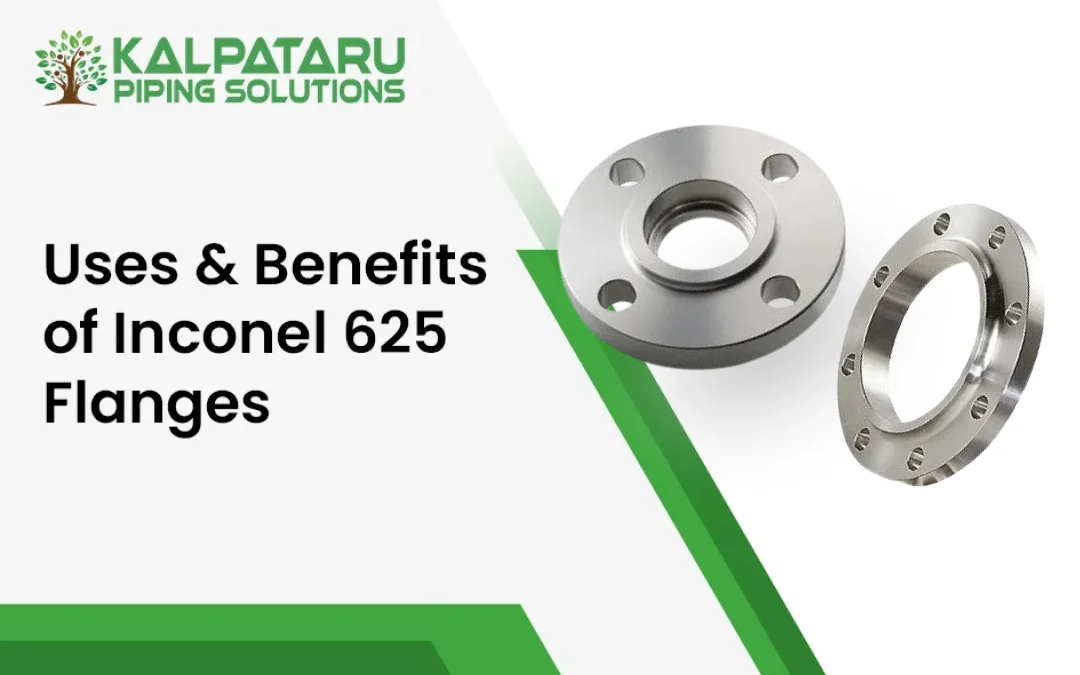
Uses & Benefits of Inconel 625 Flanges
Inconel is a range of high-performance alloys that are based on nickel-chromium and exceptional heat, corrosion, and oxidation resistant alloys. Of these, Inconel 625 is known to be more superior in terms of strength, fatigue resistance and its capacity to work under extreme conditions as well. Inconel flanges such as weld neck, slip-on, threaded, and ring-type joint flange are very durable and dimensionally stable when operating in piping systems of high temperature or pressure. Besides flanges, Inconel products also encompass pipes, tubes, fasteners, fittings, sheets and coils, which are produced to work in very hostile environments that the other standard stainless steel products cannot. Kalpataru Piping, being a reputed industry leader, is a company that deals in delivering high- quality Inconel products to its international clients. Kalpataru is also known to be committed to quality, delivery on time and affordable prices and therefore ensures that each product complies with the international standards like ASTM, ASME, and ANSI. Our integrated stock and knowledge base makes us a resource to depend on by the industries in need of high-performance nickel alloys. This blog sheds light on applications and advantages of Inconel 625 flanges and may make you appreciate why the latter are considered one of the best to use in the challenging tasks across the globe.
Introduction to Inconel 625 Flanges
Inconel 625 is a nickel-based superalloy that is characterized by great strength and exceptional fabricability.The alloy is composed of nickel and chromium with large additions of molybdenum and niobium. This specific composition gives the material exceptional mechanical properties. It remains stable in temperatures ranging from cryogenic lows to 2000°F. The niobium content stiffens the alloy matrix to provide high tensile strength without heat treatment. Industries prefer Inconel 625 Flanges for their non-magnetic nature and resistance to oxidation. These flanges connect pipes in systems handling volatile or corrosive substances. Engineers select them when standard stainless steel cannot survive the operating conditions.
Properties of Inconel 625 Flanges
The main strength of Inconel 625 flanges is that they can withstand harsh corrosive conditions. Its extreme content in nickel provides safeguard against chloride-ion stress-corrosion cracking. Chromium gives it resistance of oxidizing conditions whereas molybdenum gives resistance to non-oxidizing conditions. Such combination enables the flanges to work well in high temperature sea water and acidic compounds. The flanges are also of high creep and rupture strength. They are tough and can sustain it even after many hours of exposure to high temperatures. The material has more resistance to pitting and crevice corrosion than most alloys. Its fatigue performance is excellent that is critical in the systems that are in continuous vibration or pressure variation. This causes the alloy to be an excellent option as corrosive resistant flanges and high temperature flanges.
Industrial Applications of Inconel 625 Flanges
The use of Inconel 625 flanges cannot be substituted in industries where failure of components caused by corrosion, severe temperature, or pressure is disastrous.Their special form gives them stability in the harsh media and when subjected to a very strong force.
Oil & Gas Industry:
Inconel 625 flanges are critical in the oil and gas sector. They are used in the separation of extracted fluids and gas transfer piping. The material withstands the sour gas environments often found in extraction sites. Its high thermal fatigue strength helps it survive the volatile conditions of natural gas production.
Chemical & Petrochemical Plants:
Chemical processing equipment requires materials that handle aggressive substances. Chemical plant flanges made from Inconel 625 resist attack from various acids including sulfuric and phosphoric acid. They are standard components in heat exchangers and reaction vessels where chemical stability is mandatory.
Marine Applications:
The alloy is virtually immune to chloride attack making it perfect for marine environments. Inconel flanges in oil & gas offshore platforms endure constant exposure to saltwater. They are also used in submarine auxiliary propulsion motors and exhaust systems. The material prevents saltwater corrosion that typically destroys lesser metals.
Power Generation:
Power plants utilize these flanges in superheated steam systems. They are suitable for nuclear reactor components due to their resistance to radiation and high heat. Waste-to-energy facilities also use them in refuse boilers where halogen attack is a concern.
Benefits of Using Inconel 625 Flanges
The combination of high nickel, chromium and molybdenum content has a mutually enhancing effect so that Inconel 625 flanges have the mechanical and corrosion properties that most stainless steel or traditional nickel alloys could not have.
Long Service Life & Reliability
The exceptional longevity of Inconel 625 flanges is a key characteristic. Their resistance to oxidation and pitting extends the lifespan of piping systems significantly. This durability means they outlast standard steel components in harsh environments.
Maintenance Cost Reduction
Durable material reduces the rate of repairs.There is also the saving of money in industries as they reduce the frequency of replacement of parts.Inconel 625 has a strong character, which reduces the downtime of the system due to failure of the flange.This is one of the reasons why they have been widely adopted.
Enhanced Safety in Critical Applications
The high-pressure industries are very concerned with safety.Nickel alloy flanges used in delivery systems that conduct hazardous fluids are reliable to avoid the leakage of such fluids.Inconel 625 has a high tensile strength that inhibits structural failure under the stress.Kalpataru Piping Solution is concerned with quality to help in safe operations. Learn more About Us and our commitment to safety.
Types of Inconel 625 Flanges Available
Inconel 625 is rolled to all ordinary flange types to design to meet specifications such as ASME B16.5 and B16.47 to apply it to various piping applications, such as sealing off systems and having high-integrity butt-welded connections.
Weld Neck Flanges
Inconel 625 weld neck flange options are designed for high-stress applications. They are welded directly to the pipe to reduce stress concentration at the base of the flange. This type allows for full radiographic inspection of the weld. It is the best choice for critical systems. View our Weld Neck Flange selection.
Slip-On Flanges
Inconel slip-on flange types slide over the pipe end. They are easier to align than weld neck flanges. These are welded both inside and outside to provide sufficient strength. They are suitable for applications with lower pressure ratings. Check our Slip-On Flanges inventory.
Blind Flanges
Blind flanges are used to seal the end of a piping system. Inconel 625 blind flanges withstand high pressure in terminated lines. They allow easy access to the pipe interior for inspection or cleaning. These are vital for isolating sections of a pipeline during maintenance.
The Bottom Line
Inconel Flanges are not selected using the strength of the material only; it is a promise of reliability in its operations and lower costs of life. In the case of industries in which the failure of components equates to catastrophic safety risks and costly downtime, this alloy, with its excellent combination of corrosion protection and elevated temperature stability, is the ultimate stress shield. The reason why procurement managers choose Inconel 625 flanges is to ensure that the system is fully operating, can meet compliance in the most extreme environments and to avoid the disastrous failure that other materials are unable to endure. Your Next Step!
- Talk to an Expert: Kalpataru Piping can assist you in choosing the specific type of Inconel 625 flanges that fits your required ASME specifications and service requirements.
- Get a Project Quote: To meet the strict international requirements, we offer durable Inconel Products that provide your project with the high-quality elements it requires.
FAQs
What are the main uses of Inconel 625 flanges?
Inconel 625 flanges can find use in aerospace, marine, chemical processing and oil and gas. The common applications are heat exchangers, exhaust systems and seawater piping.
Is Inconel 625 magnetic?
All the Inconel 625 is not a non-magnetic nickel alloy. This is one of the main characteristics which make it acceptable in high stakes electronic applications and submarines.
Can Inconel 625 withstand high temperatures?
Yes Inconel 625 may be robust and steady even at 2000degF (1093degC). These high temperatures do not easily oxidize or scale it.
How does Inconel 625 compare to stainless steel?
Inconel 625 is more resistant to corrosion and tensile strength when compared to normal stainless steel. Its performance is at high temperature and high chloride conditions is better.
Is Inconel 625 weldable?
Yes Inconel 625 is highly welded. It does not require heat treatment after welding to maintain its anti-corrosive coating.