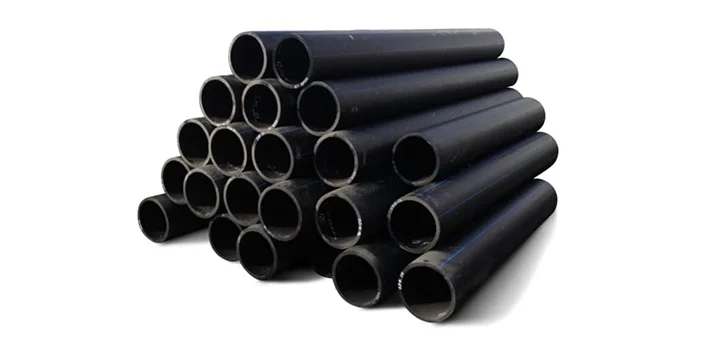
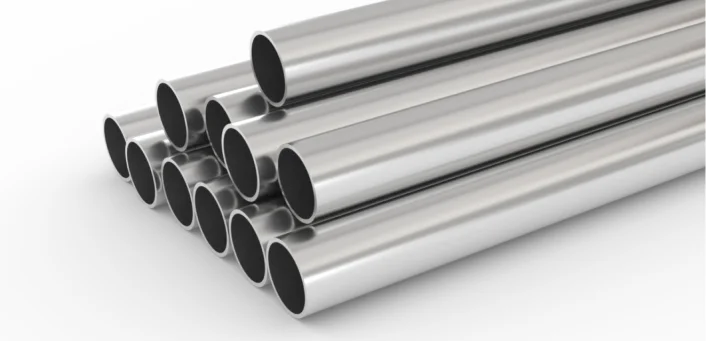
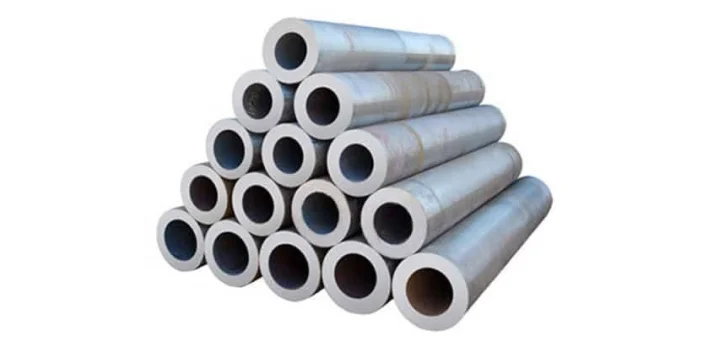
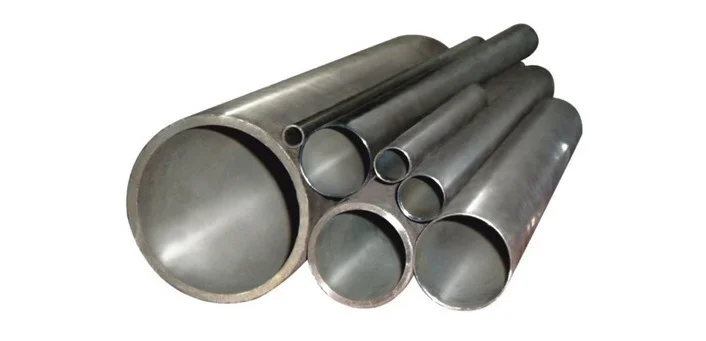
Stainless steel. The name itself evokes images of strength, durability and smooth advancement. In the infinite world of materials science and industrial sector’s elements, stainless steel tubing, frequently summarized as SS tubing, stands out as an excellent universal and important product. From the complex networks within a chemical processing plant to the radiant handrails on a lavish yacht, its presence is extensive, often performing difficult operations unseen.
The importance of SS tubing cannot be exaggerated. Its unparalleled mixture durability against corrosion strength, temperature toleraånce and clean feature makes it essential over a range of industries, including oil and gas, marine engineering, construction, automotive production, and food processing. Understanding the shades of stainless steel tubes material, its different types, grades, dimensions and uses are important for engineers, designers, procurement specialists, and anyone involved in demanding accurate and forever projects requiring tubing solutions.
Today we will explore the world of stainless steel tubing. Here we will get to know exactly what it is, how different it is from piping, examine the kinds of accessible types available like round, square, seamless and welded tubing and that indicates the different uses. We’ll also cover important technical details like shapes and pressure ratings, provide knowledge into pricing and ordering and guide you on choosing the right tender for your requirements. Whether you’re specifying tubing for a high pressure industrial system or an architectural feature, this guide targets to be your trusted sources.
What is Stainless Steel Tubing?
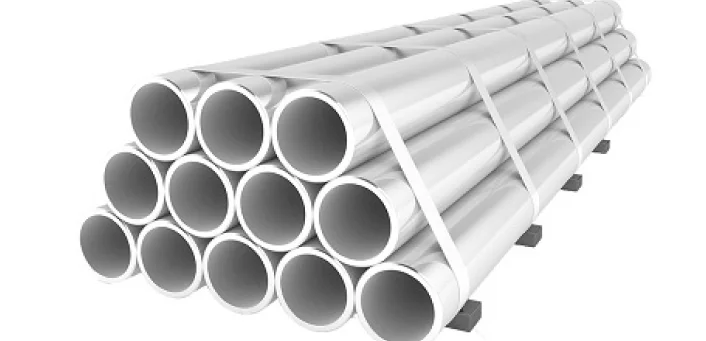
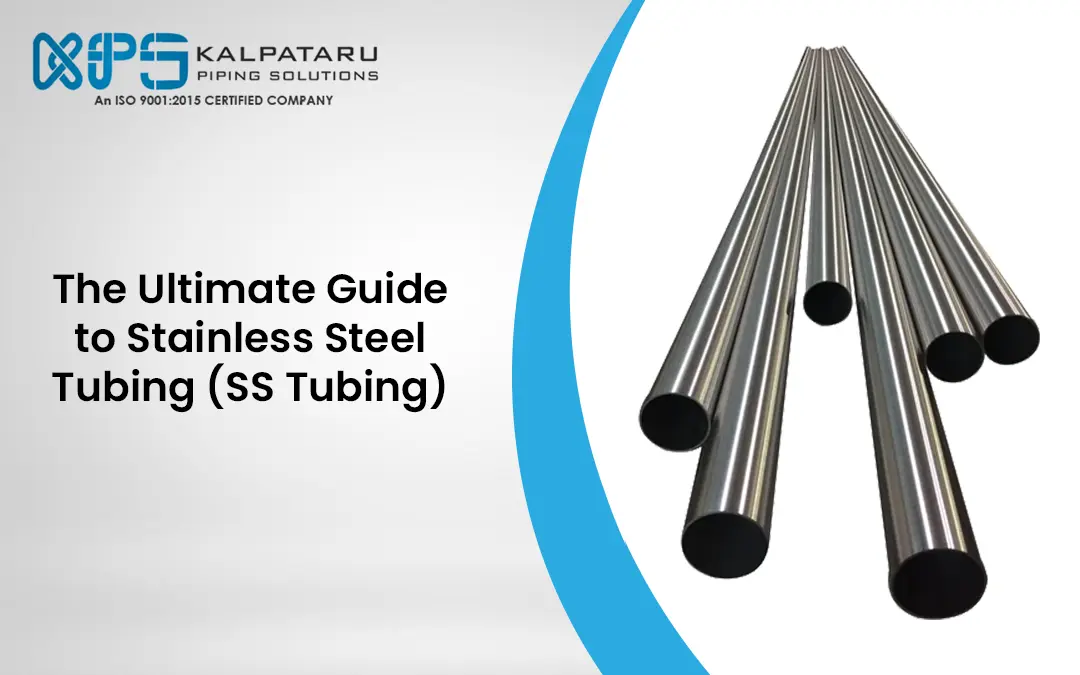
At its crux, stainless steel tubing is an empty cylindrical or sometimes square rectangular product made from a stainless steel alloy. Stainless steel itself is an iron based alloy consisting of a very little amount of 10.5% chromium. This chromium content is important as it forms an inactive, invisible and self healing chromium oxide layer on the surface of the steel. This layer protects the underlying metal from corrosion and staining, giving stainless steel its feature stainless property.
Tubing vs. Piping: A Critical Distinction
While regularly used alternately in casual conversation, tubing and piping has different technical differences, primarily in how they are specified and measured:
Tubing: Commonly described by its Outside Diameter (OD) and Wall Thickness (WT). Tubing is commonly used in structural purposes or where perfect measurements and smooth interior or exterior finishes are important for e.g. heat exchangers, measuring tools lines, hydraulic systems.
Piping: Typically defined by its Nominal Pipe Size (NPS) and Schedule (SCH), which connects to wall thickness. Piping is mostly used for transporting fluids or gases over distances. Its dimensions are less precise than tubing, focusing more on flow ability.
Common Stainless Steel Grades for Tubing
The detailed properties of SS tubing are committed by the grade of stainless steel used. Different alloying elements such as nickel, molybdenum, manganese are added to achieve wished characteristics. Some common grades include:
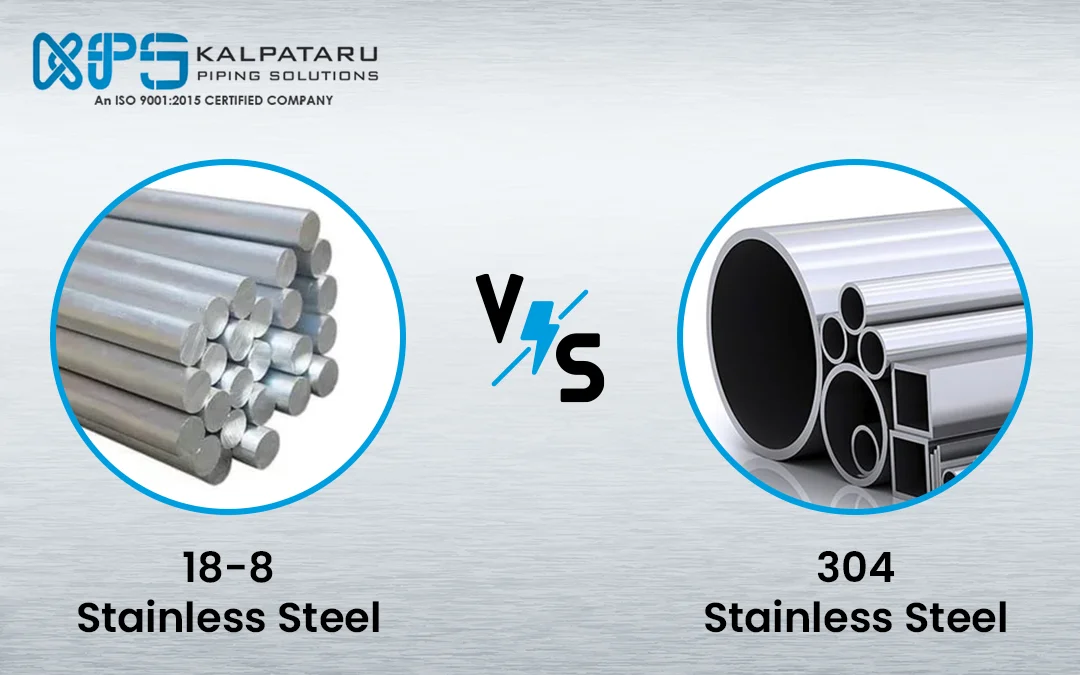
Grade 304/304L: The most widely used stainless steel grade 18/8 stainless. It offers anti-corrosion properties in many environments, good ductility and weldability. 304L has lower carbon content for enhanced weldability and reduced risk of awareness (chromium carbide precipitation). Ideal for food processing, chemical instruments, architectural uses and common uses.
Grade 316/316L: Contains added molybdenum typically 2-3% significantly improving corrosion resistance, particularly against chlorides like saltwater and different industrial chemicals. This makes it the ideal choice for marine grade stainless steel operations. 316L with its lowered carbon content is preferred for welded elements to avoid corrosion at weld joints. Necessary for marine hardware, chemical processing, pharmaceutical equipment and coastal structures.
Understanding these basic definitions and differences is the first step towards selecting the right SS tubing for any given application.
Types of Stainless Steel Tubing
Stainless steel tubing is not a wide ranging product. It comes in different shapes and manufacturing types, each suited for specific purposes. The primary differences are regularly based on shape round vs. square or rectangular and manufacturing method seamless vs. welded.
Round Stainless Steel Tubing
This is the most common form of SS tubing described by its circular cross section.
Definition: An empty cylindrical tube made from stainless steel described by its OD and wall thickness.
Key Applications: Fluid and gas transport low to high pressure depending on type, heat exchangers, condensers, instrumentation lines, medical devices, structural elements like handrails, frames, automotive exhaust systems, decorative uses.
Pros: Excellent for fluid flow, efficient pressure containment, largely available in various sizes and grades, versatile for bending and forming.
Cons: Can be less structurally effective in bending compared to square tubing for specific operations.
Square Stainless Steel Tubing
As the name suggests, this tubing has a square cross section. Rectangular tubing is also common and shares similar characteristics.
Definition: A hollow tube with a square profile, made from stainless steel, specified by its outer dimensions e.g., 2″ x 2″ and wall thickness.
Main uses: Constructional frameworks, supports, machine bases, architectural features (railings, posts), furniture manufacturing, construction elements, vehicle frames.
Pros: Excellent structural strength, particularly in bending and torsion; flat surfaces make joining and mounting easier; aesthetically preferred for certain architectural and structural designs.
Cons: Not ideal for fluid transport due to corner turbulence and less efficient pressure handling compared to round tubing of equivalent material weight; can be more challenging to bend uniformly than round tubing.
Seamless Stainless Steel Tubing vs. Welded Tubing
This difference links to the making process and considerably affects the tubing’s properties and cost.
Seamless Stainless Steel Tubing:
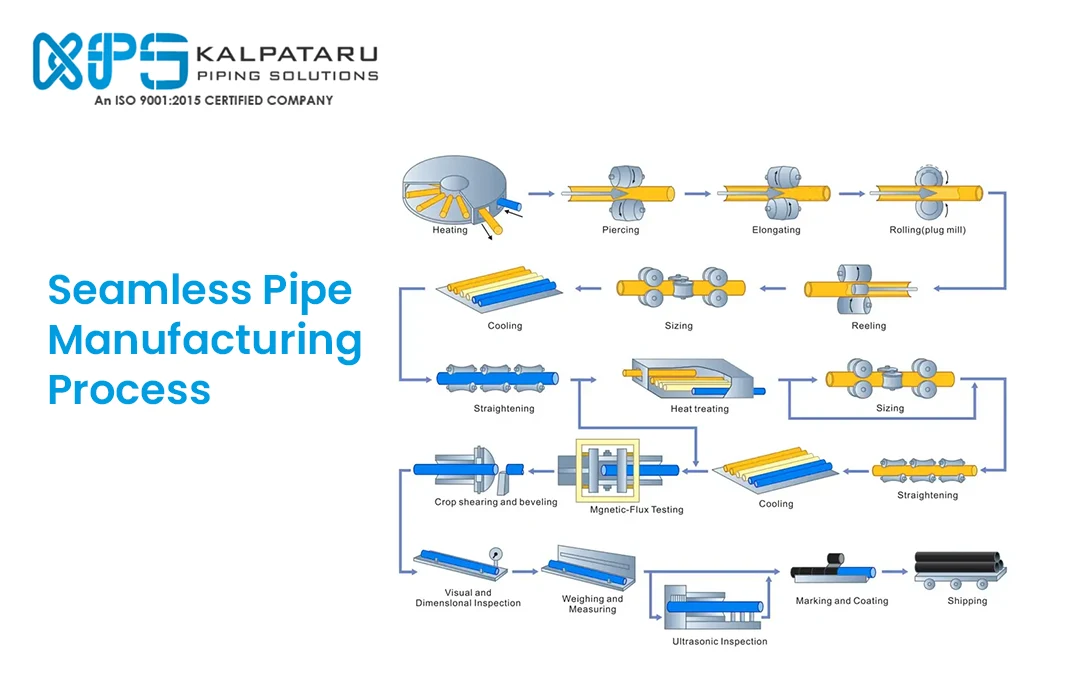
Definition: Produced by molding or drawing a solid billet of stainless steel over a piercing mandrel to create a hollow tube with no lengthwise weld seam.
Main uses: High pressure systems hydraulic lines, boiler tubes, oil & gas pipelines, important fluid handling operations demanding large oxidation resistance and consistency in high temperature environments.
Pros: Higher quality pressure rating, stable structure and strength, excellent corrosion resistance, no weld seam vulnerability, better performance in demanding conditions.
Cons: Generally more expensive than welded tubing, potentially wider tolerances on wall thickness, sometimes limited availability in very large diameters or very thin walls compared to welded tubing.
Welded Tubing:
Definition: Manufactured by metal rolling a flat strip of stainless steel into a tubular shape and then welding the extended seam using methods like TIG Tungsten Inert Gas or laser welding. The weld bead may be further processed e.g. bead rolling, annealing to improve its properties and finish.
Key Applications: Structural applications, general fluid transport (low to medium pressure), architectural uses, automotive components, food and beverage lines, decorative purposes.
Pros: More cost effective than seamless, available in a wider range of sizes, diameters and wall thicknesses, often tighter tolerances on wall thickness and concentricity, good surface finish.
Cons: The weld seam can be a possibility of weakness or preferential corrosion if not properly manufactured and treated; generally lower pressure ratings compared to seamless tubing of the same dimensions and grade.
Selecting between round stainless steel tubing, square stainless steel tubing, seamless stainless steel tubing and welded tubing depends entirely on particular needs of uses balancing performance needs with financial limitations
Applications of Stainless Steel Tubing
The uncommon features of SS tubing lend themselves to an extremely broad range of uses throughout different industries. Its mixture of strength, rust resistance, temperature tolerance and cleanability makes it a preferable choice of material in many demanding environments.
Industrial Use Oil & Gas Chemicals: This is an important area for SS tubing. In oil and gas analysis production, and refining, tubing is used for below ground uses, process piping, instrumentation lines and heat exchangers, often handling corrosive fluids and high pressures/temperatures. Chemical processing plants rely heavily on SS tubing of regular grades 316/316L or higher alloys for transporting harsh chemicals safely and reliably, preventing contamination and equipment failure. Seamless tubing is frequently specified for critical high-pressure lines.
Marine Applications: The harsh, corrosive saltwater environment demands materials that can tolerate continuous exposure. Marine grade stainless steel tubing generally 316/316L is important. Operations like railings, boat fittings, Bimini top frames, hydraulic lines, exhaust systems and seawater cooling systems. Its durability to pitting and crevice corrosion caused by chlorides is paramount here.
Construction and Architecture: SS tubing provides endurance as well as visual elegance It is used for handrails, balustrades, support columns, curtain wall framing, decorative elements and signage. Its resilience guarantees longevity with minimal maintenance, even in outdoor settings. Both round and square profiles are popular, depending on the design intent.
Automotive and Aerospace: In the automotive industry, SS tubing finds use in exhaust systems (due to heat and corrosion resistance), fuel lines, brake lines, and structural components. The aerospace sector utilizes high-strength, lightweight SS tubing for hydraulic lines, fuel systems, engine components and structural elements where reliability under extreme conditions is non-negotiable. Particular alloys might be chosen for ideal strength to weight ratios.
Food and Beverage Industry: Hygiene is compulsory in this sector. Stainless steel 304/304L and 316/316L is generally waterproof, non-reactive, easy to clean and sanitize avoiding bacterial growth and product contamination. SS tubing is used rigorously for process lines, dairy tubing, brewery equipment, transfer lines for liquids and semi-solids and CIP Clean-In-Place systems. Smooth internal finishes are often needed.
These examples emphasize the flexibility and essential role of stainless steel tubing. The wide range of operations of stainless steel tubing focuses on the importance of selecting the perfect grade and type for each specific environment and function.
Stainless Steel Tube Dimensions and Pressure Ratings
Identifying and understanding the dimensions and pressure capacity of stainless steel tubing is important for assuring proper fit function and safety in all circumstances
How Dimensions are Measured?
Unlike pipe stainless steel tubing dimensions are typically defined by:
Outside Diameter (OD): The distance over the exterior of the tube at its broadest point. This is an exact measurement.
Wall Thickness (WT): The thickness of the material forming the tube wall. This is also defined accurately, often in inches, millimeters or gauge numbers like BWG – Birmingham Wire Gauge
Length: Tubing can be supplied in standard lengths e.g. 20 feet, 6 meters or cut to particular custom lengths as required by the project.
Common Tube Sizes and Standards
Stainless steel tubing is manufactured to various international standards that dictate dimensions, tolerances, materials and testing needs. Some key standards organizations and common requirements like:
ASTM (American Society for Testing and Materials):
ASTM A213/A269: Common requirements for seamless and welded austenitic stainless steel tubing for general service and boiler or heat exchanger uses
ASTM A249: Parameters for welded austenitic steel boiler, super heater, heat exchanger and condenser tubes.
ASTM A270: Guidelines for seamless and welded austenitic and ferritic austenitic stainless steel sanitary tubing common in food, beverage and pharma
ASTM A511: Provisions for seamless stainless steel mechanical tubing.
ASTM A554: Specification for welded stainless steel mechanical tubing often used for structural and ornamental uses.
ANSI (American National Standards Institute): Often works in conjunction with other standards bodies like ASME (American Society of Mechanical Engineers).
EN (European Standards), DIN (German Institute for Standardization), JIS (Japanese Industrial Standards): Other popular international standards.
It is mandatory to mention the required standard while ordering since this guarantees the tubing meets particular quality and dimensional criteria. Common OD sizes range from very small e.g. 1/16 inch for instrumentation to several inches in diameter.
Pressure Ratings
The highest pressure a stainless steel tube can safely tolerate relies on various components:
Material Grade: Higher strength grades can handle more pressure.
Outside Diameter (OD): Larger diameters generally consist of lower pressure ratings for the same wall thickness.
Wall Thickness (WT): Thicker walls result in higher pressure ratings.
Manufacturing Type: Seamless stainless steel tubing generally consists of higher pressure rating as compared to welded tubing of the same grade, OD and WT because it lacks a possibly weaker weld seam. Seamless tubing is often the default choice for high pressure operations (>1000 psi).
Operating Temperature: Material strength gets lowered at higher temperature lowering the pressure rating capacity reduction factors are applied
Pressure ratings are calculated using formulas outlined in relevant engineering codes (like ASME B31.1 for Power Piping or B31.3 for Process Piping). These formulas incorporate the material’s allowable stress (which varies with temperature), OD, and WT. Suppliers can often provide calculated burst pressures or suggested maximum working pressures based on specified standards and operating conditions. Always ensure the selected stainless steel tube dimensions and type meet or exceed the required pressure ratings for the intended application, incorporating appropriate safety factors.
Ordering Information for Stainless Steel Tubing
Placing an accurate order for stainless steel tubing is essential to receive the correct material for your project, avoiding delays and costly mistakes. Working with a knowledgeable stainless steel tubing supplier like Kalpataru Piping Solutions can streamline this process.
What Buyers Need to Specify
To guarantee you get exactly what you need be prepared to offer the following details:
Material Grade: Specify the exact stainless steel grade required e.g. 304L, 316/316L, 321, Duplex 2205. Mention if marine-grade stainless steel is needed.
Type of Tubing: Clearly state whether you require Seamless or Welded tubing.
Shape: Indicate Round, Square or Rectangular.
Dimensions:
Outside Diameter (OD) – precise measurement.
Wall Thickness (WT) – precise measurement or gauge.
Length – specify standard lengths or required cut lengths.
Quantity: Usually specified in total feet, meters, or number of pieces of specific lengths.
Applicable Standards: Mention any needs ASTM, ASME, EN or other specifications e.g. ASTM A269, ASTM A554.
Finish: Specify if a particular surface finish is needed e.g. mill finish, brushed, polished often designated by grit number for ornamental tubing). Annealed and pickled (A&P) is common for corrosion resistance.
End Use/Application: Briefly describing the application can help the supplier confirm suitability or suggest alternatives.
Testing/Certification Requirements: Specify if Mill Test Reports (MTRs) or specific non destructive testing (NDT) like hydrostatic testing or eddy current testing are required.
How to Choose the Right Stainless Steel Tubing?
Consider these factors when making your selection:
Environment: Corrosive? High temperature? Saltwater exposure? Affects grade selection.
Pressure Requirements: High pressure often dictates seamless tubing.
Structural vs. Fluid Handling: Square/rectangular often preferred for structure, round for fluid flow.
Fabrication Needs: Will the tube be bent, flared, or welded extensively? (Influences grade and type).
Aesthetics: Is appearance important? (Influences shape and finish).
Budget: Seamless is generally more expensive than welded. Higher alloy grades cost more.
Packaging and Delivery Options
Tubing is typically shipped in bundles, often strapped together and possibly wrapped in plastic or burlap for protection especially for polished finishes. Discuss particular packaging needs with your supplier. Delivery options range from standard freight to expedited shipping, depending on urgency and location. Clarify lead times and shipping costs upfront.
Custom Fabrication
Many suppliers offer value-added services beyond supplying standard lengths. Ask about capabilities such as:
- Precision cutting to length.
- Bending and coiling.
- Flaring and end forming.
- Polishing and finishing.
- Welding and assembly.
Providing clear and complete ordering information ensures a smooth transaction and the delivery of the correct stainless steel tubing for your project’s success.
SS Tubing Price List and Cost Factors
Understanding the factors that influence the price of stainless steel tubing is crucial for budgeting and procurement. While a fixed SS tubing price list is difficult to provide due to market volatility, knowing the key cost drivers helps in estimating and negotiating.
What Affects Pricing of Stainless Steel Tubing?
Several variables impact the stainless steel tubing cost:
Grade of Stainless Steel: This is a primary driver. Grades with higher nickel, molybdenum, or other alloy content (like 316, 310, Duplex) are significantly more expensive than common grades like 304 stainless steel tubing due to the cost of the raw alloying elements. Market prices for nickel, chromium, and molybdenum fluctuate, directly impacting tubing costs.
Size and Dimensions (OD & WT): Larger diameter and thicker wall tubing require more raw material, increasing the cost per unit length. However, very small diameter or extremely thin-walled tubing can sometimes carry a premium due to manufacturing complexity.
Type (Seamless vs. Welded): Seamless tubing involves a more complex and energy-intensive manufacturing process, making it generally 20-50% (or sometimes more) expensive than welded tubing of the same grade and dimensions.
Quantity Ordered: Like most industrial products, volume discounts are common. Ordering larger quantities typically results in a lower price per foot or per meter. Small, custom orders often have higher per-unit costs.
Market Conditions: Global supply and demand dynamics, raw material costs (especially nickel), energy prices, and even geopolitical events can cause significant fluctuations in stainless steel pricing.
Finishing and Processing: Additional processes like polishing, annealing, pickling, precision cutting, bending, or special testing add to the final cost.
Supplier Markup and Logistics: Supplier overhead, profit margins, and transportation costs also factor into the final price.
General Price Range
Due to the factors above, prices vary widely. As a very rough guideline (subject to significant fluctuation):
Standard 304 welded tubing might range from a few dollars per foot for smaller sizes to 10-30+ per foot for larger structural or process sizes.
316 welded tubing will typically be 30-60% more expensive than 304 ss tubing.
Seamless tubing (304 or 316) will generally start at a higher price point and increase more steeply with size compared to welded, often being 1.5x to 2x the price of its welded counterpart or more.
Important Note: These are ballpark figures only. Always obtain current quotes for specific requirements.
Contact Us for a Quote
The most accurate way to determine the cost for your specific needs is to request a formal quotation. Contact Kalpataru Piping Solutions today for a competitive quote based on your required grade, type, dimensions, quantity, and specifications. Our team can provide up-to-date pricing and help you find the most cost-effective solution for your project.
Choosing the Right Supplier for Stainless Steel Tubing
Selecting the right supplier of SS tubing is as critical as choosing the right type and grade of tubing itself. A reliable supplier ensures quality products, timely delivery, and valuable technical support. When evaluating potential suppliers, consider the following factors:
Key Factors to Consider When Selecting the Best Stainless Steel Tubing:
Experience and Reputation: How long has the supplier been in the stainless steel tubing business? Do they have a proven track record and positive customer testimonials or case studies? An experienced supplier understands industry nuances and potential challenges.
Certifications and Quality Assurance: Look for suppliers with robust quality management systems, ideally certified to standards like ISO 9001. Crucially, they should be able to provide Mill Test Reports (MTRs) or Material Test Certificates (MTCs) tracing the material back to its origin and confirming its chemical composition and mechanical properties according to specified standards (e.g., EN 10204 3.1). Ask about their internal quality control processes and testing capabilities.
Inventory and Product Range: Does the supplier stock a wide variety of grades, types, and sizes, or can they source them efficiently? A broad inventory means potentially shorter lead times. Do they offer both seamless and welded options? Can they handle standard and custom orders?
Technical Expertise and Support: Can the supplier’s sales or technical team provide guidance on selecting the appropriate tubing for your application? Can they answer questions about specifications, tolerances, and suitability? This support can be invaluable, especially for complex projects.
Lead Times and Delivery Reliability: What are their typical lead times for stock items versus custom orders? Do they have a reputation for delivering on schedule? Reliable delivery is crucial for keeping projects on track.
Pricing and Value: While cost is important (as discussed in the previous section), focus on overall value. The cheapest option might not be the best if quality or reliability is negotiated. Compare quotes, but factor in quality, support, and delivery performance.
Domestic vs. International Suppliers of Stainless Steel Tubing
Consider the pros and cons:
Domestic Suppliers: Often offer faster shipping, easier communication (time zones, language), potentially simpler logistics, and easier recourse if issues arise. May have a better understanding of local standards and regulations.
International Suppliers: May offer lower baseline prices (though shipping and import duties can offset this), access to different product ranges, or specialized manufacturing capabilities. Needs careful vetting regarding quality standards, communication and logistics.
Benefits of Buying from a Trusted Stainless Steel Tubing Supplier
Partnering with a reputable supplier like Kalpataru Piping Solutions provides innumerable benefits:
Consistent Quality: Assurance that the tubing meets required specifications.
Reliability: Dependable deliveries and accurate order satisfaction
Traceability: Full material detectability with proper documentation (MTRs).
Expert Advice: Access to smart staff for product shortlisting and support.
Problem Solving: An accurate partner can help solve the problem quickly if they arise.
Ultimately, choosing a stainless steel tubing supplier is about building a relationship based on trust, quality and reliability.
Conclusion & Final Thoughts
Stainless steel tubing is a cornerstone material in modern industry and construction. Its exceptional blend of corrosion resistance, strength, adaptability and aesthetic appeal makes it suitable for an extensive array of applications, from critical high pressure systems in the oil and gas sector to clean lines in food processing plants and durable structures in marine environments.
Throughout this guide, we’ve navigated the essential aspects of SS tubing:
- Definition: Understanding what it is and how it differs from piping.
- Grades: Recognizing the importance of grades like 304 stainless steel tubing and marine-grade 316/316L.
- Types: Differentiating between round, square, seamless and welded tubing and their individual
uses.
- Applications: Appreciating its widespread use across various key industries.
- Technical Details: Comprehending the importance of dimensions (OD, WT), standards (ASTM), and pressure ratings.
- Procurement: Knowing what ordering information to provide and the elements affecting the SS tubing price list.
- Supplier Selection: Identifying the criteria for choosing a reliable supplier of ss tubing.
Selecting the right stainless steel tubing – the correct grade, type, and dimensions and sourcing it from a reputable supplier are paramount to ensuring the safety, longevity and effectiveness of your project or instrument. Compromising on material quality or supplier accuracy can lead to premature failure, costly downtime, and potential safety risks.
Ready to Source High-Quality Stainless Steel Tubing?
At Kalpataru Piping Solutions, we pride ourselves on being a leading stainless steel tubing supplier, offering a comprehensive range of products, backed by expertise and a commitment to quality.
Browse our large online catalog to explore our inventory of seamless and welded SS tubing in diverse grades and sizes.
Request a quote today, and let our experienced team provide you with competitive pricing and technical support for your specific requirements.
Choose Kalpataru Piping Solutions for accurate materials and dedicated service for all your stainless steel tubing needs.
Frequently Asked Questions About Stainless Steel Tubing