Density of Stainless Steel 316

Density of Stainless Steel 316

Stainless steel 316 is a special kind of stainless steel product that’s great at resisting rust. It’s made with chromium, nickel, molybdenum, and some other elements. Because it fights corrosion so well, it’s used in many places like chemical plants, hospitals for medical tools, boats, and food factories.

316 stainless steel is also strong, lasting, can handle high temperatures, and is easy to shape. That’s why it’s used in buildings for things like railings, supports, and nice finishes. Overall, it’s a handy and reliable material used in lots of different places.

SS 316 Density

The density of stainless steel 316 is about 8.0 g/cm³ or 0.289 lb/in³, but this can change a bit depending on how it’s produced. Things like temperature, pressure, and stress can also impact its density, but usually, it stays the same. Its high density is why it’s strong, lasts long, and resists rust and damage, making it a top choice for industries and homes where these qualities matter.

Stainless Steel 316 Density

PROPERTIES

METRIC

ENGLISH

Density

8 g/cc

0.290 lb/in³


Stainless Steel 316 Chemical Composition

Element

Percentage (%)

Carbon

0.08

Chromium

16.0-18.0

Nickel

10.0-14.0

Molybdenum

2.00-3.00

Manganese

2.00

Silicon

0.75

Nitrogen

0.1

Phosphorus

0.045

Sulfur

0.030

316 SS Thermal Expansion Coefficient

Temperature Range

Mean Coefficient of thermal Expansion

°C

°F

cm/cm°C

in/in/°F

20-100

68-212

16.5·10-6

9.2·10-6

20-500

68-932

18.2·10-6

10.1·10-6

20-1000

68-1832

19.5·10-6

10.8·10-6

Electrical Resistivity of Stainless Steel 316

ELECTRICAL PROPERTIES METRIC
Electrical Resistivity 7.2e-005 ohm-cm

316 Stainless Steel Heat Treatment

Working temperature

1868 ºF to 2012 ºF

Processing informations

Cool down: air (<2mm); water (>2mm)

Why should you know the density of stainless steel 316?

The composition of UNS S31600 material, also known as SS 1.4401 grade, includes elements like carbon, chromium, nickel, molybdenum, manganese, silicon, nitrogen, phosphorus, and sulfur. These elements play a crucial role in determining the material’s properties and performance.

When it comes to weight calculations for products, estimating material costs, selecting the right material, and predicting its performance, the composition of UNS S31600 becomes significant. Its good formability and weldability properties make it a versatile choice for various applications. Additionally, understanding its operating temperature range is essential for ensuring optimal performance in different environments.

Conclusion

Stainless steel 316 is a tough and rust-resistant type of steel. It has elements like chromium, nickel, and molybdenum that make it strong. Its density is about 8.0 g/cm³ or 0.289 lb/in³, which adds to its toughness and ability to resist rust. 

FAQs:

What is the density of 316 stainless steel in kg m3?

The density of 316 stainless steel is approximately 8,000 kg/m³.


What is the weight of 316 stainless steel?

The weight of 316 stainless steel varies depending on its dimensions and form, but it typically ranges from about 7.9 to 8.0 grams per cubic centimeter (g/cm³) or 0.289 pounds per cubic inch (lb/in³).

What is the mass density of 316L?

The mass density of 316L stainless steel is approximately 8.0 g/cm³.

Stainless Steel 304 Density

Stainless Steel 304 Density

Compared to types of steel, stainless steel products are the densest. For example, titanium is about half as dense as steel, and aluminum is about one-third as dense. Let’s look at two of the most common grades of stainless steel: 304 and 316. The ss 304 density is 7,930 kg/m³. This is slightly less dense than 316 stainless steel but a bit denser than 430 stainless steel, which has a density of 7,750 kg/m³.

Stainless steel density, which measures mass per unit volume, typically ranges from 7,600 kg/m³ to 8,000 kg/m³. This material is made up of at least 10.5% chromium and can also include carbon, silicon, manganese, phosphorus, sulfur, nickel, molybdenum, titanium, and copper. These elements give stainless steel its high strength and excellent resistance to corrosion. The different chemical compositions and amounts of these elements cause the variations in density among different grades of stainless steel.

304 and 316 stainless steels are the most commonly used grades, but they have different densities. Therefore, when calculating the weight of stainless steel, it’s essential to consider the specific grade.

304 stainless steel, also known as 1.4301 or 18/8 (because it contains 18% chromium and 8% nickel), is the most versatile and widely used type. It’s popular for making sinks and saucepans because it can be easily shaped. 304L is a low-carbon version of 304, often used in thicker components that need better weldability. Some products are available as “dual certified,” meaning they meet both 304 and 304L standards. For high-temperature applications, 304H, a high-carbon variant, is used.

To calculate density, you divide the mass of the object by its volume. The standard unit for density is kilograms per cubic meter (kg/m³). For example, one cubic meter of 304 stainless steel weighs 7,930 kilograms.

Density of Stainless Steel 304

Stainless Steel

Density (g/cm3)

Density (kg/dm3)

Density (kg/m3)

Density (lb/in3)

Density (lb/ft3)

304

7.93

7.93

7,930

0.286

495.05

Why is it important to understand the density of steel 304?

Knowing the density of SS 304 is important for several reasons. It helps to calculate the weight of materials, which is crucial when designing structures that need to carry certain loads. The density of 304 steel, which is 7,930 kg/m³, affects its strength and durability, making it important for high-performance applications. Additionally, understanding the density helps in choosing the right material and estimating costs.

Stainless Steel 304 Chemical Compositions

Element % Present
Carbon (C) 0.07
Chromium (Cr) 17.50 – 19.50
Manganese (Mn) 2.00
Silicon (Si) 1.00
Phosphorous (P) 0.045
Sulphur (S) 0.015b)
Nickel (Ni) 8.00 – 10.50
Nitrogen (N) 0.10
Iron (Fe) Balance

Stainless Steel 304 Physical Properties

Property

Value

Density

8,000 Kg/m3

Melting Point

1450 °C

Thermal Expansion

17.2 x 10⁻⁶ /K

Modulus of Elasticity

193 GPa

Thermal Conductivity

16.2W/m.K

Electrical Resistivity

0.072 x 10⁻⁶ Ω .m

Stainless Steel 304 Corrosion Resistance

Stainless steel 304 offers excellent corrosion resistance in many environments and against various corrosive substances. However, it can be prone to pitting and crevice corrosion in chloride-rich environments. Additionally, it may undergo stress corrosion cracking when exposed to temperatures above 60°C.

SS 304 Heat Resistance

Stainless steel 304 can handle high heat but not constantly between 425°C and 860°C because it might have problems with carbide formation. For those temperatures, we use 304L, which doesn’t have this issue. If we need really strong steel in hot conditions, like between 500°C and 800°C, we go for 304H. It keeps its strength and resists rust even in tough environments. 

304 Stainless Heat Treatment

To increase the hardness of stainless steel 304, heat treatment is not the ideal method. Instead, solution treatment or annealing can be performed. This involves heating the material to a temperature range of 1010-1120°C and then rapidly cooling it. This process helps in enhancing the material’s properties and making it more suitable for specific applications that require increased hardness and strength.

How to Calculate Density of SS304 in kg m3?

Calculating the density of stainless steel is quite straightforward. You’ll need to know two things: the mass of the steel and the volume it occupies. The formula for finding the density of steel is simple:

density of steel = mass of steel/volume of steel

For instance, if you have a piece of stainless steel weighing 15 kilograms and taking up 2 cubic meters of space, you can calculate its density as follows:

Density of steel = 15 kg / 2 m3 = 7.5 kg/m3

Relations of Temperature and Pressure with Density

The density of ss304 can be influenced by temperature and pressure. Generally, as the temperature of 304 stainless steel increases, its density decreases. On the other hand, when pressure is increased, the density of steel 304 tends to increase.

For example, during the annealing process of 304 stainless steel, which typically occurs between 1,100 and 1,150 degrees Celsius, the material’s density may be affected. Additionally, it’s important to check the thermal expansion of SUS 304 material, as changes in temperature can also impact its density.


Conclusion

Stainless steel 304 is a widely used material known for resisting corrosion well. It doesn’t harden with heat but can be treated for specific properties. Knowing its density helps in accurate weight calculations for manufacturing. It’s a reliable choice for everyday items like sinks and tough parts that need good welding. Overall, it’s popular and useful in many industries.

FAQs:

What is the density of 304 steel in kg m3?

The density of steel 304 is approximately 7,930 kg/m³.

What is the weight of 304 stainless steel?

The weight of 304 stainless steel depends on its volume and density. For example, if you have 1 cubic meter of 304 stainless steel with a density of 7,930 kg/m³, its weight would be 7,930 kilograms.

What is the density of steel in kg m3?

The density of steel is approximately 7,800 to 8,050 kg/m³.

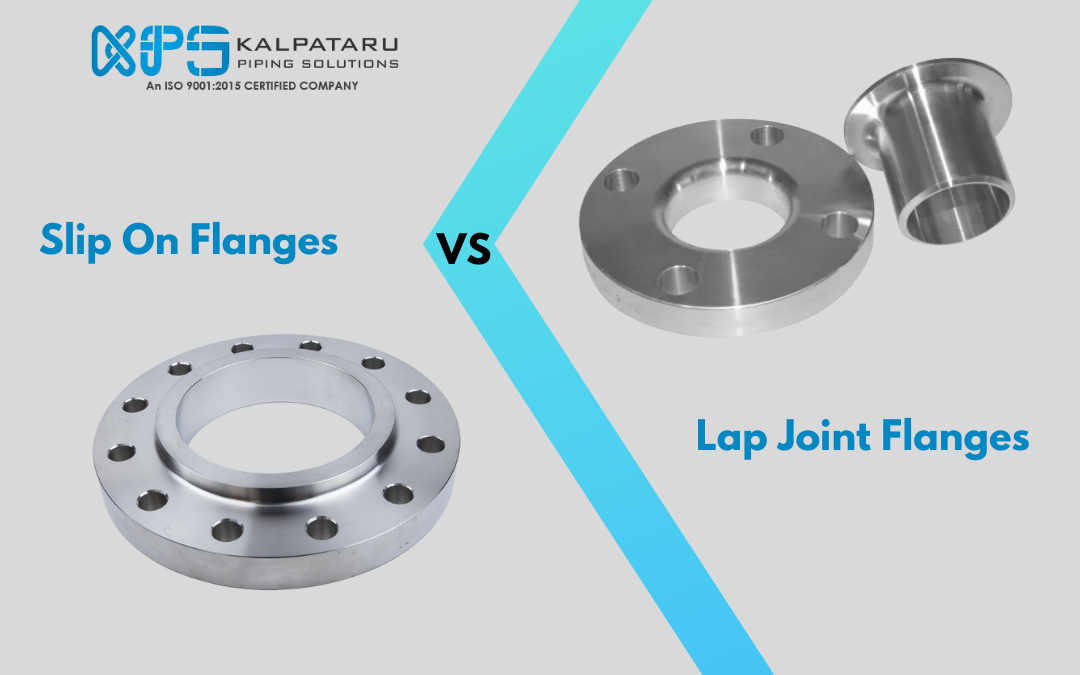
A Complete Guide on Slip On Flanges

A Complete Guide on Slip On Flanges

Slip-on flanges, also known as slip-in flanges, are widely used in piping systems for their ease of installation and cost-effectiveness. These flanges are designed to slip over the end of a pipe or fitting, making them a popular choice in various industries. As a leading slip-on flange manufacturer, we understand the importance of providing high-quality flanges that offer strength, durability, and easy integration into piping systems.

In this blog, we will delve into the different types, specifications, dimensions, weights, and industrial uses of slip-on flanges, showcasing why Kalpataru Piping Solutions stands out as the top slip-on flanges manufacturer in India for these essential components.

What is slip on flanges?

Slip-on flanges or  slip-in flanges, are a popular choice due to their cost-effectiveness and ease of installation. They offer ample strength, performing well even under fatigue conditions like weld neck flanges. These slip on weld neck flanges attach easily to the end of a pipe or fitting, simplifying installation without damaging the flange face. They can also serve as lap-joint flanges for Type B or Type C ends.

Stainless Steel 304 slip-on flanges are available in various diameters and low-pressure models. They require double welding but lack a neck to rest on the pipe. These flanges feature a low-profile hub and are typically connected to a pipe with one or two fillet welds, although a single weld can suffice. However, their usage is limited due to lower weld integrity as there is no full penetration weld between the pipe and the flange.

How do Slip-on Flanges Work?

Slip-on flanges work by sliding onto the end of a pipe or fitting and then being welded in place. The slip-on flange welding process involves creating a filet weld around the outer circumference of the flange and between the flange and the pipe. This weld ensures a secure connection and prevents leakage.

When using slip-on flanges, the pipe’s end is typically set back by the thickness of the pipe wall plus 1/8 of an inch to allow for easy fitting of the flange. This setup facilitates easy installation without exerting excessive effort or causing damage to the flange face.In contrast, slip-on weld neck flanges have a neck portion that extends from the flange, which provides additional support and strength to the connection. The  slip-on flange welding process involves welding both the neck and the back of the flange to the pipe, ensuring a robust and reliable joint.


Slip-on Flanges Dimensions

ge Size (Nominal Pipe Size)

Outside Diameter (OD)

Thickness (T)

Raised Face Diameter (R)

Number of Bolt Holes

Bolt Hole Diameter (BD)

1/2″ (15mm)

3.50″ (89mm)

0.44″ (11mm)

1.38″ (35mm)

4

0.62″ (16mm)

3/4″ (20mm)

3.88″ (98mm)

0.50″ (13mm)

1.69″ (43mm)

4

0.62″ (16mm)

1″ (25mm)

4.25″ (108mm)

0.56″ (14mm)

2.00″ (51mm)

4

0.62″ (16mm)

1-1/4″ (32mm)

4.63″ (117mm)

0.62″ (16mm)

2.38″ (60mm)

4

0.62″ (16mm)

1-1/2″ (40mm)

5.00″ (127mm)

0.69″ (17mm)

2.75″ (70mm)

4

0.75″ (19mm)

2″ (50mm)

6.00″ (152mm)

0.75″ (19mm)

3.50″ (89mm)

4

0.75″ (19mm)

2-1/2″ (65mm)

7.00″ (178mm)

0.88″ (22mm)

4.00″ (102mm)

4

0.75″ (19mm)

3″ (80mm)

7.50″ (191mm)

0.94″ (24mm)

4.50″ (114mm)

4

0.75″ (19mm)

4″ (100mm)

9.00″ (229mm)

1.00″ (25mm)

5.50″ (140mm)

8

0.75″ (19mm)

5″ (125mm)

10.00″ (254mm)

1.06″ (27mm)

6.50″ (165mm)

8

0.88″ (22mm)

6″ (150mm)

11.00″ (279mm)

1.12″ (29mm)

7.50″ (191mm)

8

0.88″ (22mm)

8″ (200mm)

13.50″ (343mm)

1.25″ (32mm)

9.50″ (241mm)

8

0.88″ (22mm)

10″ (250mm)

16.00″ (406mm)

1.38″ (35mm)

11.75″ (298mm)

12

1.00″ (25mm)

12″ (300mm)

19.00″ (483mm)

1.50″ (38mm)

14.25″ (362mm)

12

1.00″ (25mm)


Slip On Flange Specification

Specification

Description

Material

Carbon steel, stainless steel, alloy steel, etc.

Size Range

1/2 inch to 48 inches

Pressure Rating

Class 150, Class 300, Class 600, etc.

Facing

Raised face (RF), flat face (FF), ring type joint (RTJ)

Standards

ASME B16.5, ASME B16.47, API 6A, etc.

End Connection

Slip-on (SO), weld neck (WN), threaded (THD), etc.

Applications

Petrochemical, oil and gas, water treatment, etc.

Features

Easy installation, cost-effective, low-pressure use


Slip on Flanges Types

Lets learn more about the Slip on Flanges Types , each designed for specific applications. 

  1. Standard Slip-On Flange (SO): This is the most common type, featuring a plain bore and a hub that extends from the flange’s flat face. It is used for low-pressure applications and is easy to install.
  2. Raised Face Slip-On Flange (RF): Similar to the standard SO flange, the RF slip-on flange has a raised face on the mating surface. This raised face provides a better seal when connecting to a matching raised face flange.
  3. Flat Face Slip-On Flange (FF): The FF slip-on flange has a flat face on the mating surface, making it suitable for connecting to flat face flanges. It provides a smooth and even surface for the flange joint.
  4. Ring Type Joint Slip-On Flange (RTJ): RTJ slip-on flanges feature a groove on the mating surface with a metal ring gasket. This design allows for high-pressure and high-temperature applications where a reliable seal is essential.
  5. Specialty Slip-On Flanges: There are specialized slip-on flanges designed for specific purposes, such as reducing slip-on flanges (used to transition between different pipe sizes), spectacle blind slip-on flanges (incorporating a blind flange element), and others tailored to unique requirements in piping systems.

Slip on Flange Weight

Nominal Pipe Size (NPS)

Flange Size (inches)

Flange Thickness (inches)

Flange Weight (lbs)

1/2

1.88

0.38

0.5

3/4

2.12

0.44

0.75

1

2.5

0.5

1.25

1 1/4

2.88

0.56

1.75

1 1/2

3.12

0.62

2.25

2

3.5

0.75

3.25

2 1/2

4

0.88

5

3

4.62

1

6.5

3 1/2

5

1.12

8

4

5.25

1.25

10

5

6

1.38

13

6

6.75

1.5

16

8

8

1.75

24

10

10.25

2

37

12

12.25

2.25

53

14

13.75

2.5

75

16

15

2.75

96

18

16.5

3

120

20

18

3.25

155

24

21.25

3.75

235


Advantages of Slip On Flanges

Slip-on flanges offer several advantages:

  1. Cost-Effective: They are economical due to simpler manufacturing processes.
  2. Ease of Installation: They slide easily onto pipes, reducing installation time and effort.
  3. Versatility: Suitable for low-pressure applications across various industries.
  4. Simple Welding: Requires only fillet welding, making it straightforward to join to pipes.
  5. Space-Saving: The slip-on design has a low profile, ideal for space-constrained environments.
  6. Interchangeability: Compatible with different flange faces, such as RF, FF, and RTJ, enhancing flexibility in piping systems.

Slip On Flanges Uses

Slip-on flanges are ideal for low-pressure systems, offering minimal leakage risk. They are commonly used in cooling water lines, firefighting systems, and low-pressure compressed air lines. These flanges are also suitable for process lines handling steam, oil, gas, and condensates, especially in low-pressure and high-temperature environments. However, they are best suited for applications with minimal pressure requirements and working conditions.

Conclusion

In conclusion, this guide has provided a comprehensive overview of slip-on flanges, detailing their types, specifications, dimensions, uses, and benefits. Whether in aerospace, automotive, oil and gas, or other sectors, choosing the right slip-on flanges is essential for optimal performance, safety, and durability of piping systems. Keep these insights in mind to make informed decisions and achieve efficient and effective piping solutions.

FAQs:

What are the components of a slip on flange?
A slip-on flange typically consists of three main components: the flange itself, the pipe or fitting it connects to, and the weld that joins the flange to the pipe.
What are the limitations of Slip-On Flanges?
Limitations of slip-on flanges include their lower pressure handling capacity compared to weld neck flanges, limited suitability for high-pressure and high-temperature applications, and the need for careful alignment during installation to avoid leakage risks.
How are Slip-On Flanges installed?
Slip-on flanges are installed by sliding them over the pipe end and aligning them with the pipe. The flange is then welded to the pipe using fillet welds on both the inside and outside of the flange, ensuring a secure connection.
Can Slip-On Flanges be used with all pipe sizes?
Slip-on flanges can be used with a wide range of pipe sizes, but they are typically more suitable for smaller to medium-sized pipes. Larger pipes may require other types of flanges for better support and stability.
Beryllium Copper Composition

Beryllium Copper Composition

Beryllium copper is a unique and versatile alloy that combines the strength of copper with the hardness and fatigue resistance of beryllium. Known for its excellent conductivity, durability, and non-sparking properties, it is widely used in industries such as aerospace, automotive, electronics, and oil and gas. Beryllium copper composition typically includes around 0.5-3% beryllium, which significantly enhances the material’s mechanical and thermal properties, making it ideal for high-performance applications where reliability and performance are critical. As a trusted beryllium copper supplier, we provide high-quality materials that meet the stringent demands of various industries, ensuring optimal performance and durability in every application.

Read More: Why are beryllium copper tools so expensive?

eryllium Copper Chemical Composition

Beryllium copper is an alloy renowned for its excellent combination of strength, hardness, conductivity, and non-sparking properties. The unique beryllium copper composition typically includes a small percentage of beryllium, which significantly enhances the material’s mechanical and thermal properties. This makes beryllium copper ideal for high-performance applications in various industries, including aerospace, automotive, electronics, and oil and gas.

Beryllium Copper Composition Table

Element

Composition Range (%)

Copper (Cu)

Balance

Beryllium (Be)

0.5 – 3.0

Cobalt (Co)

0.2 – 2.7

Nickel (Ni)

0.2 – 2.5

Iron (Fe)

0.1 – 0.5

Lead (Pb)

0.002 max

Silicon (Si)

0.2 max

Aluminum (Al)

0.5 max


Read More: Differences Between Regular Copper and Beryllium Copper

Beryllium Copper C17200

Beryllium Copper C17200, also known as Alloy 25, is a high-performance copper alloy known for its exceptional strength, hardness, and conductivity. This alloy contains approximately 1.8-2% beryllium and small amounts of other elements like cobalt and nickel, which significantly enhance its mechanical and thermal properties.

C17200 is known for its high strength and ability to handle repeated stress without weakening. It’s ideal for reliable, high-performance applications. This alloy conducts electricity well and doesn’t spark, making it safe for hazardous environments and electrical parts. It also resists corrosion, making it useful in a variety of industries.

Beryllium Copper C17200 Chemical Composition

Element

Composition (%)

Copper (Cu)

Balance

Beryllium (Be)

1.8 – 2.0

Cobalt (Co)

0.2 max

Nickel (Ni)

0.2 max

Iron (Fe)

0.15 max

Lead (Pb)

0.02 max

Silicon (Si)

0.1 max

Aluminum (Al)

0.15 max


Properties of Beryllium Copper

Beryllium copper is a high-performance alloy known for its exceptional strength, conductivity, non-sparking nature, and resistance to corrosion, fatigue, and stress relaxation. These properties make it ideal for aerospace, automotive, electronics, and oil and gas industries.

Read More: Top 5 Unique Properties of Beryllium Copper

Application of Beryllium Copper

Beryllium copper, especially C17200, is widely used in aerospace for strength and corrosion resistance, automotive for conductivity and durability, electronics for reliable performance, oil and gas for corrosion resistance, marine for saltwater corrosion resistance, and medical for strength and non-magnetic properties. Its versatility and exceptional properties make it valuable in critical applications across various industries.

Conclusion

In conclusion, the unique composition of beryllium copper, including alloys like Beryllium Copper C17200, makes it a valuable material across a wide range of industries. Its exceptional properties, such as high strength, conductivity, corrosion resistance, and non-sparking nature, make it indispensable for critical applications in aerospace, automotive, electronics, oil and gas, marine, and medical sectors. The reliability, safety, and performance offered by beryllium copper highlight its significance and justify its position as a preferred choice for demanding and high-tech applications.

Contact us for beryllium copper needs for industrial application.

FAQS

Why is beryllium copper so expensive?
Beryllium copper is expensive due to its unique properties like high strength, conductivity, and non-sparking nature, which require specialized production processes and materials, contributing to its higher cost.
What is the difference between copper and beryllium copper?
Beryllium copper differs from regular copper in that it contains less than 3% beryllium and other elements. This alloy combines strength with non-magnetic properties and no sparking, making it ideal for specialized applications requiring durability and conductivity.
Is beryllium copper stronger than steel?
Beryllium copper is not generally stronger than steel in terms of tensile strength or hardness. However, it can be stronger than some types of steel in specific applications due to its unique properties such as high elasticity, conductivity, and corrosion resistance.
Nickel Plated Steel vs Stainless Steel | Kalpataru Piping

Nickel Plated Steel vs Stainless Steel | Kalpataru Piping

Nickel and stainless steel are distinct metals with unique properties and applications. Nickel is a pure chemical element known for its corrosion resistance and slow oxidation at room temperature. Stainless steel, on the other hand, is an alloy containing iron, chromium, and varying amounts of nickel. While nickel is a component of stainless steel, it contributes the least quantity to its composition.

The corrosion-resistant nature of nickel makes it valuable in producing alloys, including stainless steel, which is widely used in diverse industries for its durability and resistance to rust and corrosion. Understanding these differences helps in selecting the right material for specific applications.


What Is Stainless Steel?

Stainless steel is a type of steel alloy that contains a minimum of 10.5% chromium, which gives it its unique corrosion-resistant properties. In addition to chromium, stainless steel may also contain other elements such as nickel, molybdenum, titanium, and copper, depending on the specific grade and intended use. The chromium in stainless steel forms a passive oxide layer on the surface, known as chromium oxide, which protects the underlying metal from corrosion and rusting.

Stainless steel is known for its durability, strength, and versatility, making it a popular choice in various industries such as construction, automotive, aerospace, food processing, and medical equipment. It is resistant to stains, corrosion, and heat damage, making it suitable for applications where hygiene, durability, and aesthetics are essential. Stainless steel comes in different grades, each with its unique properties suited for specific environments and requirements.

What Is Nickel Steel?

Nickel steel, also known as nickel-plated steel or nickel alloy steel, refers to a type of steel alloy that contains a significant amount of nickel in its composition. This alloy is created by combining nickel and steel through various manufacturing processes, such as electroplating or hot-dipping.

The addition of nickel to steel imparts several beneficial properties to the alloy. Nickel steel is known for its enhanced corrosion resistance, particularly in harsh environments where regular steel may corrode quickly. It also exhibits improved strength and toughness, making it suitable for applications that require durable and long-lasting materials.

Nickel steel finds uses in various industries, including automotive, aerospace, marine, and construction. Common applications include automotive parts, marine components, tools, and equipment exposed to corrosive elements. The specific composition of nickel steel can vary based on the desired properties and intended application, allowing for versatility in engineering and manufacturing processes.

Read More: Guide to Understand Nickel Alloy Steel

Difference Between Nickel and Stainless Steel

Stainless steel and nickel steel are two distinct materials with notable differences in their composition and properties.

Composition: Nickel Plated vs Stainless Steel

 Stainless Steel: It is an alloy composed mainly of iron, chromium, and varying amounts of other elements like nickel, manganese, and molybdenum. The presence of chromium is crucial for its corrosion resistance.

 Nickel Steel: This refers to steel with a higher nickel content, often used in specialized applications where increased strength, toughness, and corrosion resistance are required.

Corrosion Resistance: Nickel vs Stainless Steel

Stainless Steel: Known for its excellent corrosion resistance, especially in acidic and chloride-rich environments. The addition of chromium forms a passive layer on the surface, preventing rust and corrosion.

Nickel Steel: Nickel contributes to corrosion resistance, but pure nickel offers even greater resistance to oxidation and corrosion, making it suitable for harsh environments.

Nickel vs Stainless Steel Strength

Stainless Steel: Comes in various grades with differing levels of strength and toughness. Generally, stainless steel is strong and durable, making it suitable for structural applications.

Nickel Steel: With increased nickel content, nickel steel exhibits higher strength and toughness compared to standard stainless steel, making it ideal for demanding applications in aerospace, marine, and industrial settings.

Cost: Nickel vs Steel

Stainless Steel: Generally more cost-effective compared to nickel steel, making it a preferred choice for many applications where corrosion resistance and durability are essential but budget constraints exist.

Nickel Steel: Higher nickel content can increase the cost of nickel steel compared to stainless steel, but its superior properties justify the investment in specific applications.

Nickel Plated Steel vs Stainless Steel

Nickel and stainless steel find diverse applications across industries due to their unique properties and versatility.

Applications of Nickel:

  1. Alloys like stainless steel, Inconel, Monel, and Hastelloy for aerospace and automotive industries.
  2. Electronics, including rechargeable batteries and magnetic alloys.
  3. Plating for corrosion resistance and decorative finishes.
  4. Chemical industry for catalysts, petroleum refining, and environmental control.
  5. Nickel alloy steel is used in marine applications for its corrosion resistance and durability.

    Read More: Marine Applications of Nickel

Stainless Steel Application:

  1. Construction: For structural elements, facades, roofing, and cladding.
  2. Kitchenware: Appliances, cookware, sinks, and countertops.
  3. Medical: Surgical instruments, implants, and equipment.
  4. Transportation: Automotive, aerospace, and marine components.

Read More: Using Stainless Steel For Kitchen Appliances

Conclusion

In conclusion, the comparison between nickel and stainless steel highlights their distinct characteristics and applications, each offering unique advantages in different scenarios. Nickel, as a corrosion-resistant element, is crucial in the production of alloys like stainless steel, which finds widespread use in industries requiring durability and resistance to rust and corrosion.

 Stainless steel, with its alloy composition including chromium and nickel, excels in applications demanding corrosion resistance, strength, and hygiene, making it a preferred choice in construction, kitchenware, medical equipment, and transportation.

At Kalpataru Piping Solutions, we understand the significance of choosing the right material for specific applications. Whether it’s nickel-based alloys or stainless steel fittings, our expertise ensures that you receive high-quality solutions tailored to meet your requirements in various industries, ensuring durability, reliability, and optimal performance.

Make informed decisions with Kalpataru Piping Solutions for your nickel and stainless steel needs, ensuring efficiency, longevity, and quality in your projects.

Enquire Now
close slider

    Enquire Now

    Fill the below form and get in touch with us, we’ll call you back.

    Fill the Captcha:
    WhatsApp chat