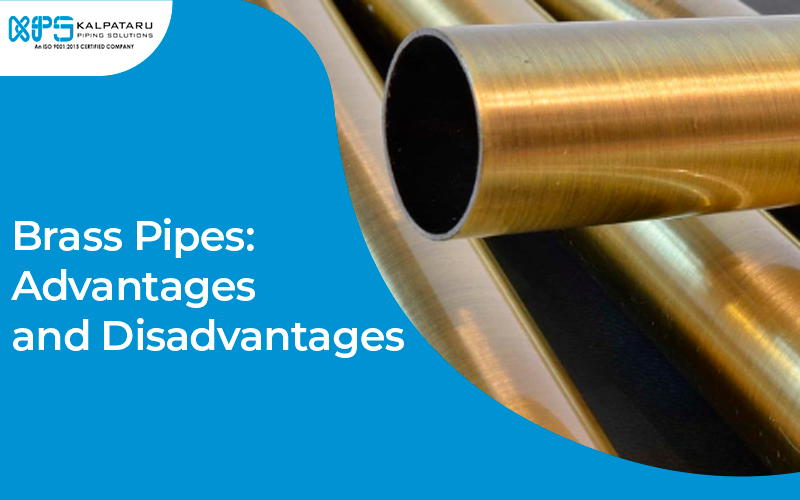
Brass pipes offer an unparalleled advantage in terms of durability. Composed of an exceptionally strong metal, brass can withstand the ravages of corrosion, rust, and various environmental factors for extended periods without necessitating replacement or repair. Remarkably, it demands no specialized maintenance or care to retain its optimal condition. This characteristic renders it an exceptional choice for plumbing endeavors requiring longevity without the need for recurrent maintenance or repairs.
Brass Pipes Are Easy to Install:
Brass presents a visually pleasing aesthetic compared to alternative metals such as copper or steel. Its golden hue adds a touch of elegance and sophistication to any space or structure employing brass piping applications. Consequently, it emerges as the ideal selection for diverse settings, including residential homes, commercial edifices, and projects where aesthetics play a pivotal role.
Brass Pipes Easy to Customize:
Brass pipes are relatively easy to work with compared to other metals such as copper or steel. Their malleability allows for straightforward bending and shaping, making them ideal for customized piping applications that require specific forms and configurations.
Brass Pipes Are Fire Resistance:
Another noteworthy advantage of brass pipes is their resistance to fire. They exhibit slower ignition properties compared to alternative materials, providing an added safety feature. Furthermore, in the event of a fire, brass pipes do not contribute to the rapid spread of flames.
Brass Pipes Are Cost Effective:
Brass pipes provide a cost-effective solution in the long run. While they may come with a higher initial price tag due to their durability and visual appeal, their longevity and minimal maintenance requirements translate into cost savings over time.
5 Disadvantages of Brass Pipes
Brass Pipes Higher Initial Cost:
One notable disadvantage of brass pipes is their initial cost, which tends to be higher compared to materials like copper or steel. This price premium is attributed to the material’s durability and aesthetic appeal.
Brass Pipes Potential Lead Content:
Another concern with brass pipes is the potential presence of lead. Although the levels of lead in brass pipes are typically low, there is a risk of lead leaching into the water flowing through them, which can be harmful, especially to pregnant women and young children.
Brass Pipes Susceptibility to Corrosion:
Over time, brass pipes may corrode, leading to water contamination and leaks. Corrosion can result in water quality issues and potential damage to your property.
Brass Pipes May Be Noisy:
Brass pipes can generate noise as water flows through them, which may be disruptive and annoying. In certain situations, this noise can even disturb sleep if brass pipes are installed in a bedroom or nearby.
Brass Pipes May Require Special Maintenance:
Maintaining brass pipes may require extra effort to prevent corrosion and lead contamination. Periodic cleaning with specialized products may be necessary, and regular water testing might be recommended if brass pipes are part of your plumbing system.
In Conclusion:
In summary, brass pipes offer durability, aesthetics, and fire resistance, making them a solid choice for plumbing projects. However, their higher brass pipe price, potential lead content, susceptibility to corrosion, noise generation, and special maintenance requirements should be carefully considered. Ultimately, the decision to use brass pipes should align with your specific needs and budget, while also weighing the alternatives like copper or steel pipe systems.
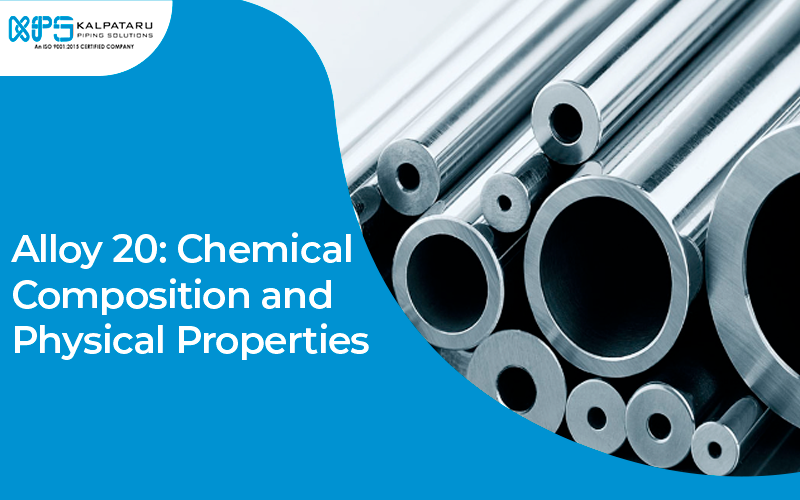
Austenitic alloy – Alloy 20 is based on nickel, iron, and chromium and has high corrosion resistance in settings including sulfuric acid and other hostile fluids. This alloy is stabilized with niobium to stop intergranular corrosion. When carefully compared to higher nickel-based alloys, Alloy 20 may offer possible cost savings while outperforming regular stainless steels.
Alloy 20 distinctive attributes find resonance in a multitude of industries. From chemical processing to pharmaceuticals, this alloy proves its mettle in various applications. We unravel the sectors that have harnessed the power of Alloy 20 and delve into specific use cases that highlight its adaptability and reliability.
Resistance to Corrosion:
One of Alloy 20 most remarkable features is its unparalleled resistance to corrosion. Delving into the alloy’s molecular structure, we uncover the mechanisms that empower Alloy 20 to withstand the harsh environments of chemical compounds, particularly those containing sulfuric acid. Through real-world examples and scientific insights, we illustrate how Alloy 20 stands as a stalwart guardian against the corrosive forces that can compromise other materials.
Fabrication and Heat Treatment:
The journey from raw materials to the final Alloy 20 product involves intricate fabrication techniques and carefully orchestrated heat treatments. We dissect the fabrication process, highlighting the steps that shape Alloy 20 into its final form.Furthermore, we investigate the impact of heat treatment in improving the mechanical characteristics of the alloy and ensuring that it fits the requirements of diverse applications.
It is possible to cold-work or hot-work alloy 20 using conventional techniques. Prior to forging, hot forged material should be heated to a temperature between 2100°F and 2250°F with rigorous temperature management to ensure that the material does not drop below 1800°F. After hot working, anneal the material by raising its temperature to between 1725°F and 1850°F for at least 30 minutes per inch of thickness, and then quench it in water.
When stress relief is sought, heat to a temperature below 1000°F and then quench with water once the appropriate time has passed at the temperature. Alloy 20 should be annealed at a temperature of 1725°F to 1850°F for 30 minutes per inch of thickness. By heating to 2100°F, a reduced hardness can be achieved, although this may not be good for the alloy’s ability to stabilize.
Alloy 20 is often welded using TIG, MIG, and submerged arc welding (SAW), with the appropriate filler metal (ER320LR for TIG, MIG, and SAW, and E320LR for SAW). When welding to higher-grade alloys like C276 and Alloy 22, or to dissimilar alloys like 316, AWS ERNiCrMo-3 may be used for TIG and MIG, whereas ENiCrMo-3 can be used for SAW.
What is the Difference Between Duplex and Super Duplex Stainless Steel?
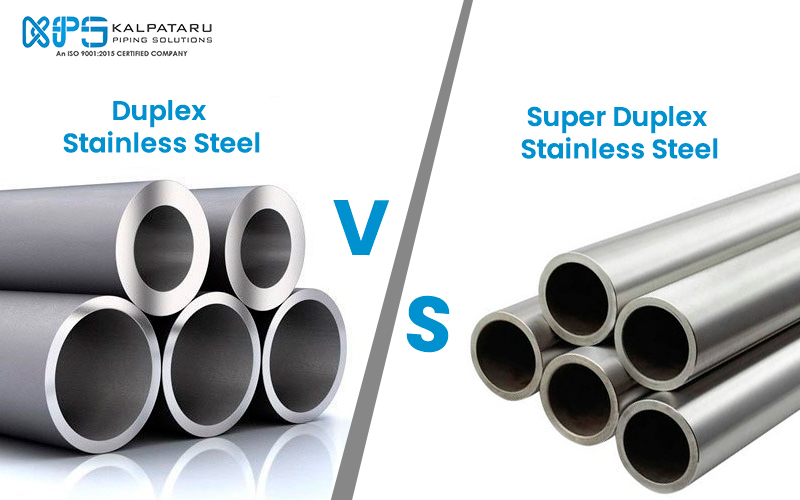
Significant difference betweenSuper Duplex Stainless Steel and Duplex Stainless Steel. Super Duplex variants are characterized by a higher alloying addition of 25% chromium, in contrast to Duplex Stainless Steels with 22% chromium. Elevating the chromium content enhances the resistance to pitting corrosion. It’s important to note that these factors are not the sole determinants; other variables also play a role.
Duplex and Super duplex stainless steels are unique in that they feature both ferritic and austenitic phases within their metallurgic microstructure. This dual-phase structure allows them to exhibit the beneficial properties of both ferritic and austenitic stainless steels. The key components of these alloys include chromium, nickel, and molybdenum, with additional elements present in smaller quantities.
There are several key differences between duplex stainless steels and super duplex stainless steels. One of the main differences lies in their chromium content. Duplex stainless steels are typically composed of around 22% chromium, while super duplex stainless steels contain about 25% chromium. This increase in chromium content significantly enhances the pitting corrosion resistance of super duplex steels, making them more suitable for highly corrosive environments.
Price Difference Between Duplex and Super Duplex Stainless Steel
Super duplex materials, owing to their higher chromium, nickel, and molybdenum content, are more expensive compared to the standard duplex grades. Within both standard duplex and super duplex categories, various grades exist, each with its distinct material composition. As a result, the prices differ based on these compositions. Generally, a super duplex is pricier than the standard duplex grades due to its enhanced alloy content and superior properties.
What is Duplex Stainless Steel?
Duplex Stainless Steel is named for its dual-phase metallurgical structure, which includes both austenitic (face-centered cubic lattice) and ferritic (body-centered cubic lattice) phases. Unlike traditional austenitic stainless steels, duplex stainless steels have a higher chromium content (20-28%), up to 5% molybdenum, lower nickel content (around 9%), and a small amount of nitrogen (0.05-0.5%). This unique composition provides superior strength, corrosion resistance, and stress corrosion cracking resistance compared to standard austenitic stainless steels.
What is Super Duplex Stainless Steel?
The Pitting Resistance Equivalent Number (PREN) is calculated using the formula: PREN = %Cr + 3.3 x %Mo + 16 x %N, where Cr stands for chromium, Mo for molybdenum, and N for nitrogen. Increasing the chromium content boosts the PREN from 34 to over 40, which signifies enhanced resistance to pitting corrosion across various environments.Super duplex gradesare the preferred choice for subsea and marine applications because of their proven durability in seawater.
Welding Duplex And Super Duplex Stainless Steel
One of the significant challenges when welding metallic components involves dealing with chromium carbide precipitation. This phenomenon can lead to intergranular corrosion and localized corrosion over the long term. Because both duplex and super duplex stainless steel include a high chromium concentration, they are susceptible to chromium carbide precipitation.
However, the extent of carbide precipitation is also influenced by the carbon content present in these materials. To mitigate this issue, proper preheating prior to welding is essential, followed by post-weld heat treatment. Fortunately, due to their inherent resistance to corrosion, both these materials are viable for welding, provided that the appropriate procedures are meticulously followed, and the correct parameters are diligently maintained.
Unlike conventional austenitic stainless steel alloys, which are affected in their entirety during welding, duplex stainless steels mainly experience issues in the Heat-Affected Zone (HAZ). The key problems in the HAZ during welding include loss of toughness, post-weld cracking, and reduced corrosion resistance. To address these challenges, experienced welders are needed to weld duplex grades using techniques like SAW (Submerged Arc Welding), TIG (Tungsten Inert Gas welding), and MIG (Metal Inert Gas welding). Additionally, proper post-welding processing is essential to maintain the integrity and properties of the alloys.
Strength Super Duplex Stainless Steel
Duplex stainless steel ranks high in strength compared to other stainless steels. It can bear a substantial amount of weight and withstand significant physical stress.
However, super duplex stainless steel offers even greater strength. For use in high-stress, high-impact environments, super duplex is the superior choice.
Duplex And Super Duplex Corrosion Resistance
As previously said, integrating chromium, nickel, molybdenum, nitrogen, and tungsten into their alloys improves their corrosion resistance. Pitting resistance can reach amazing values of up to 45. Furthermore, these alloys may be used at high temperatures without oxidation damage. They are also extremely resistant to different alkaline, acidic, and neutral solutions.
Duplex & Super Duplex Stainless Steel Cutting Speed
Cutting throughduplexand super duplex stainless steel can be a challenge, but fear not! We’ve got you covered. Achieving the perfect cutting speed is crucial for efficient machining.
Duplex grades can be cut and machined faster than super duplex due to their composition. Super duplex, with its higher chromium, nickel, and molybdenum content, demands more precision and patience.
To tackle these materials like a pro, you’ll need top-notch tools and a slower cutting pace. Luckily, there are tests like the turning, chip formation, and drilling tests to help determine the ideal cutting speeds for various grades.
With the right approach, you’ll be cutting through duplex and super duplex stainless steel like a hot knife through butter!
Super Duplex Stainless Steel 2507
Super Duplex SS 2507 is a highly durable stainless steel alloy known for its exceptional strength and corrosion resistance. It has a dual-phase microstructure consisting of both austenite and ferrite, which provides superior mechanical properties compared to regular duplex and austenitic stainless steels. With high chromium (around 25%), molybdenum (around 4%), and nickel (around 7%) content, SS 2507 is particularly resistant to pitting, crevice corrosion, and chloride stress corrosion cracking. This makes it ideal for demanding applications in harsh environments, such as offshore oil and gas platforms, chemical processing, and marine industries.
Kalpataru Piping Solutions is a manufacturer and supplier of Duplex 2207 in a variety of shapes, sizes and more.
Duplex Stainless Steel Chemical Composition
Grade
C
Mn
Si
P
S
Cr
Mo
Ni
N
Fe
S31803
0.030 max
2.00 max
1.00 max
0.030 max
0.020 max
22.0 – 23.0
3.0 – 3.5
4.50 – 6.50
0.14 – 0.20
63.72 min
S32205
0.030 max
2.00 max
1.00 max
0.030 max
0.020 max
21.0 – 23.0
2.50 – 3.50
4.50 – 6.50
0.8 – 0.20
63.54 min
2205 Duplex Stainless Steel Equivalent
S31803 / S32205
Density
Melting Point
Yield Strength (0.2%Offset)
Tensile Strength
Elongation
7.8 g/cm3
1350 °C (2460 °F)
Psi – 80000 , MPa – 550
Psi – 116000 , MPa – 800
15 %
Mechanical Properties of UNS S31803 Duplex 2205
STANDARD
WERKSTOFF NR.
UNS
Duplex 2205
1.4462
S31803 / S32205
Super Duplex SS 2507 Equivalent
Grade
UNS
EN
W-Nr
DIN
AFNOR
SS
Duplex 2707 HD Bars
S32707
–
–
–
–
–
Duplex 2507 Bars
S32750
1.4410
–
X 2 CrNiMoN 25 7 4
–
2328
Super Duplex 2507 Chemical Composition
C
Si
Mn
P
S
Cr
Ni
Mo
N
Cu
≤0.030
≤0.8
≤1.2
≤0.035
≤0.015
25
7
4
0.3
≤0.5
Mechanical Properties of Super Duplex UNS S32750
Proof strength
Tensile strength
Elong.
Hardness
Rp0.2a)
Rm
Ab)
Rockwell C
ksi
ksi
%
≥80
110-135
≥25
≤28
In conclusion, both duplex and super duplex steel offer significant advantages in various applications due to their excellent corrosion resistance, high strength, and durability. Duplex steel is ideal for environments where moderate to high corrosion resistance is required, offering a cost-effective solution with good mechanical properties. Super duplex steel, on the other hand, is suited for more demanding applications with higher levels of chloride and aggressive environments, providing enhanced performance and longer service life.
When choosing between duplex and super duplex steel, it’s crucial to consider the specific requirements of your project, including the environmental conditions, mechanical stress, and desired longevity. Both types of steel are exceptional choices, but the right selection will depend on the balance of cost, performance, and the specific demands of the application.
For more detailed information on our range of products, please visit our Duplex Steel and Super Duplex Steel product pages. These pages provide comprehensive insights into the specifications, applications, and benefits of each type of steel, helping you make an informed decision for your next project.To Know More About Our Product Click Here
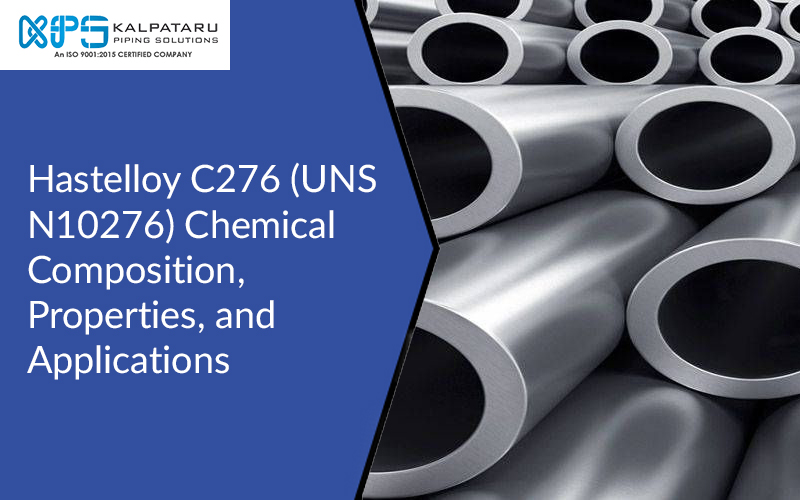
Hastelloy C276, known by its UNS N10276 designation, is a versatile and highly sought-after nickel-molybdenum-chromium alloy. In this comprehensive guide, we will delve into its chemical composition, explore its remarkable properties, and shed light on its wide range of applications across various industries. Additionally, we will discuss its exceptional resistance to corrosion, and the essential aspects of fabrication and heat treatment.
Hastelloy C276 Chemical Composition:
Element
Content (%)
Nickel, Ni
57
Molybdenum, Mo
15-17
Chromium, Cr
14.5-16.5
Iron, Fe
4-7
Tungsten, W
3-4.50
Cobalt, Co
2.50
Manganese, Mn
1
Vanadium, V
0.35
Silicon, Si
0.080
Phosphorous, P
0.025
Carbon, C
0.010
Sulfur, S
0.010
Hastelloy C276 Physical Properties:
Properties
Metric
Imperial
Density
8.89 g/cm³
0.321 lb/in³
Melting point
1371°C
2500°F
Hastelloy C276 Mechanical Properties:
Properties
Metric
Imperial
Tensile strength (@thickness 4.80-25.4 mm, 538°C/@thickness 0.189-1.00 in, 1000°F)
601.2 MPa
87200 psi
Yield strength (0.2% offset, @thickness 2.40 mm, 427°C/@thickness 0.0945 in, 801°F)
204.8 MPa
29700 psi
Elastic modulus (RT)
205 GPa
29700 ksi
Elongation at break (in 50.8 mm, @thickness 1.60-4.70 mm, 204°C/@thickness 0.0630-0.185 in, 399°F)
Hastelloy C276 primarily consists of the following key elements:
Nickel (Ni): The primary component, providing a strong base for the alloy’s exceptional performance.
Molybdenum (Mo): Enhances corrosion resistance, particularly in reducing environments.
Chromium (Cr): Contributes to the alloy’s resistance to oxidizing agents like chlorides and oxidizing acids.
Iron (Fe): An essential element, which when present in controlled amounts, maintains the required mechanical properties.
Tungsten (W) and Cobalt (Co): Elements that further strengthen the alloy and provide stability against crevice corrosion.
Properties:
Hastelloy C276 boasts several remarkable properties that make it an ideal choice for challenging environments:
Corrosion Resistance: Its outstanding resistance to a wide range of aggressive media, including strong acids, chlorides, and seawater, sets it apart from conventional alloys.
High Temperature Resistance: The alloy retains its mechanical strength and integrity even at elevated temperatures, making it suitable for high-temperature applications.
Excellent Fabricability: Hastelloy C276 can be easily formed, welded, and machined, providing flexibility during fabrication processes.
Good Mechanical Properties: The alloy exhibits excellent tensile and impact strength, further enhancing its suitability for various industrial applications.
Applications:
Due to its exceptional properties, Hastelloy C276 finds applications in diverse industries, including:
Chemical Processing: It is extensively used in handling corrosive chemicals and acidic solutions.
Petrochemical Industry: The alloy is employed in reactor vessels, heat exchangers, and other equipment exposed to aggressive media.
Oil and Gas: In offshore drilling environments and sour gas wells, Hastelloy C276 ensures reliable performance.
Pollution Control: It plays a vital role in the construction of flue gas desulfurization systems and other pollution control equipment.
Pharmaceutical and Pulp & Paper: Its corrosion resistance makes it valuable in pharmaceutical production and pulp and paper processing.
Resistance to Corrosion:
Hastelloy C276 stands out for its exceptional resistance to both uniform and localized corrosion. It maintains its integrity in aggressive environments, where other materials might fail. The alloy’s resistance to pitting, crevice corrosion, and stress corrosion cracking makes it highly reliable, especially in chloride-rich conditions.
Fabrication and Heat Treatment:
Hastelloy C276 offers ease of fabrication, allowing it to be formed into various shapes using standard techniques. Weldability is excellent, and the alloy can be joined using common welding processes like TIG and MIG welding. To achieve the desired properties, post-weld heat treatment is recommended.
Conclusion:
Hastelloy C276 is a remarkable nickel-based alloy that excels in demanding environments, thanks to its exceptional properties and resistance to corrosion. Its wide range of applications across industries underscores its versatility and reliability. Whether in chemical processing, petrochemicals, or other challenging settings, Hastelloy C276 Pipe continues to prove its worth, ensuring the integrity and longevity of critical equipment. Contact Now for more information
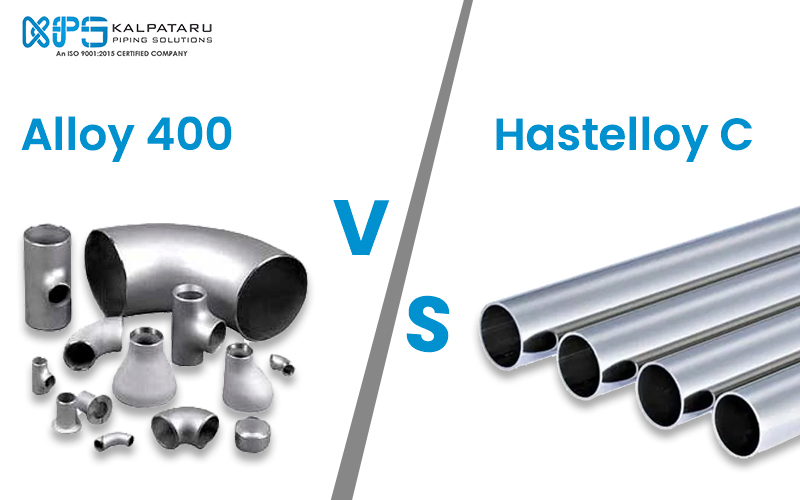
Industries such as aerospace, chemical processing, and petrochemicals depend greatly on corrosion-resistant alloys to guarantee the longevity and strength of their equipment. Two prominent alloys in the market, namely Alloy 400 and Hastelloy C, have earned a reputation for their exceptional resistance to corrosion and proven performance in challenging conditions. Although both are favoured, they possess distinct properties that might impact the decision-making process. In this blog post, we will explore the disparities between Alloy 400 and Hastelloy C, offering valuable insights to assist you in making an informed selection.
What is the Difference Between Alloy 400 and Hastelloy C?
Corrosion-resistant alloys play a crucial role in sustaining the reliability and durability of equipment in various industries, including aerospace, chemical processing, and petrochemicals. Among the top contenders in this domain are Alloy 400 and Hastelloy C, two alloys that have garnered widespread recognition for their exceptional performance in harsh environments. In this blog post, we will delve into the dissimilarities between these two alloys across various aspects to help you make an informed choice for your specific application.
Composition:
Alloy 400, also known as Monel 400, is a nickel-copper alloy with a composition primarily comprising nickel (63-70%) and copper (20-29%). Additionally, it contains small amounts of iron, manganese, carbon, and silicon. On the other hand, Hastelloy C is a family of alloys that primarily consist of nickel, molybdenum, and chromium, with varying proportions based on the specific grade (e.g., Hastelloy C276). The distinct compositions of these alloys lay the foundation for their contrasting properties.
Corrosion Resistance:
Both Alloy 400 and Hastelloy C excel in corrosion resistance, making them highly suitable for applications in aggressive and corrosive environments. Alloy 400 exhibits exceptional resistance to various corrosive agents, including seawater, acids, and alkalis. This attribute makes it a preferred choice for marine applications and equipment exposed to brine solutions. On the other hand, Hastelloy C, with its high molybdenum and chromium content, offers superior resistance to a broader range of corrosive media, including sulfuric acid, hydrochloric acid, and chloride solutions. Therefore, Hastelloy C is often favoured in chemical processing and petrochemical industries where exposure to harsh chemicals is common.
Strength:
In terms of strength, Hastelloy C generally outperforms Alloy 400. The molybdenum and chromium content in Hastelloy C contributes to its higher strength and excellent mechanical properties, providing enhanced performance at elevated temperatures. In contrast, Alloy 400 possesses lower strength compared to Hastelloy C but maintains good ductility, making it suitable for certain applications that require formability and ease of fabrication.
Cost:
Due to its nickel and copper composition, Alloy 400 is relatively more cost-effective compared to the various grades of Hastelloy C, which contain higher amounts of nickel, molybdenum, and chromium. The cost difference between these alloys can be a critical factor when choosing the appropriate material for a specific project, especially when considering the scale and budget constraints.
Application:
The choice between Alloy 400 and Hastelloy C often hinges on the specific application requirements. Alloy 400 finds widespread use in marine engineering, chemical equipment, and the aerospace industry due to its excellent resistance to seawater and various acids. On the other hand, Hastelloy C is preferred for applications involving strong acids, harsh chemical environments, and high-temperature conditions. It is extensively utilized in chemical processing, pollution control, and oil and gas industries.
Other Differences:
Apart from the key differences mentioned above, Alloy 400 exhibits magnetic properties, whereas Hastelloy C is non-magnetic. This magnetic characteristic of Alloy 400 can be significant in certain applications where magnetic interference needs to be considered.
Conclusion:
In conclusion, both Alloy 400 and Hastelloy C are formidable contenders in the realm of corrosion-resistant alloys. The choice between these alloys should be guided by the specific requirements of your application. If cost-effectiveness, good corrosion resistance, and ease of fabrication are paramount, Alloy 400 could be the ideal choice. However, if your application demands exceptional corrosion resistance in aggressive chemical environments and high-temperature settings, Hastelloy C might be the more suitable option. Always consider the specific composition, mechanical properties, and cost implications to make an informed decision that aligns with your project’s needs.