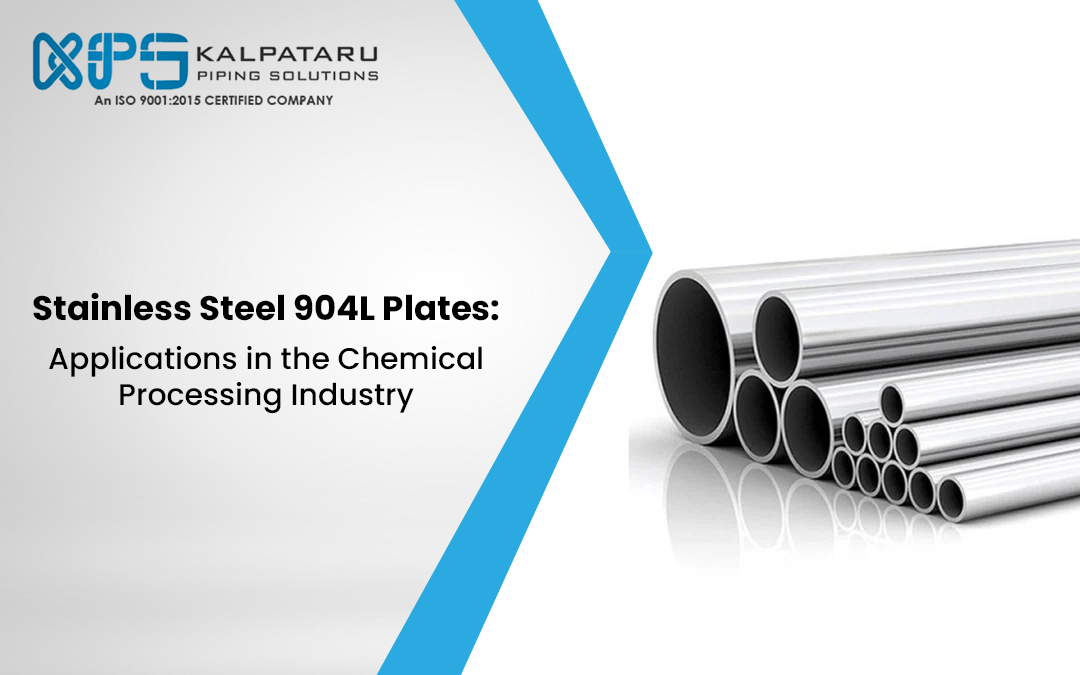
Stainless Steel 904L Plates: Applications in the Chemical Processing Industry
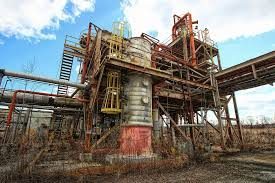
Stainless Steel 904L Plates are widely used in the chemical processing industry. Their superior corrosion resistance, weldability, and formability make them ideal for various chemical processes. These plates also feature a high strength-to-weight ratio and good impact resistance at low temperatures, which makes them perfect for petrochemical applications. Additionally, their higher nickel content improves their resistance to corrosive media such as sulphuric acid, which is common in the chemical processing industry. Therefore, Stainless Steel 904L Plates offer better performance in many areas of process plant construction and related equipment production, including heat exchangers, vessels, tanks, reactor components and various pressure vessels, including column stills, digesters etc.
What are Stainless Steel 904L Plates?
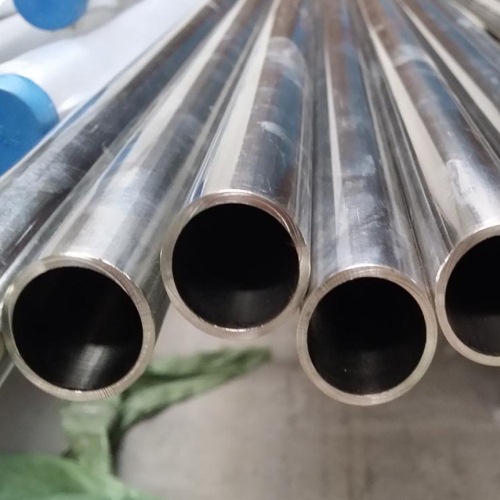
Stainless Steel 904L Plates are austenitic stainless steel plates that provide exceptional corrosion resistance caused by a high amount of chromium, molybdenum and nickel content. This alloy is also known for its excellent grade weldability, formability, strength and toughness at cryogenic temperatures. Due to this, SS 904L Plates are used in many industries, including chemical processing, petrochemical equipment and oil & gas processing. Further, these stainless steel plates offer good fabricability with aging properties making them efficient for manufacturing.
Benefits of Stainless Steel 904L Plates
- Corrosive environments: Stainless Steel 904L plates are highly resistant to corrosion in various corrosive environments. In the presence of sulfuric acid and chlorine ion solutions, this grade of stainless steel offers superior resistance to other grades like 304 or 316. It is also known for its excellent fabricability characteristics, such as weldability and formability, which make it an ideal choice for fabrication in industrial applications. Its combination of low carbon, high nickel, molybdenum, and chromium content helps it resist pitting corrosion and crevice attack, thus providing long-term protection against oxidation.
- High-temperature service: Stainless Steel 904L Plates are known for their high-temperature service capabilities, allowing them to be used in extreme temperatures. This grade of steel has a higher chromium content and is designed with special alloying elements that provide resistance against various types of corrosion, even at elevated temperatures. It also offers excellent formability and weldability. Stainless steel 904L plates are a great choice when working with applications that require long-lasting components capable of withstanding constant high-temperature exposure.
- Weldability: Stainless Steel 904L Plates are highly weldable. It has excellent cold- and hot-working properties, good corrosion resistance, and high formability. This type of steel can also be easily joined with the help of conventional welding methods such as oxyacetylene welding (OAW), shielded metal arc welding (SMAW), gas tungsten arc welding (GTAW), and fusion welding techniques like electro slag remelting (ESR). Additionally, it offers excellent post-weld cleaning qualities for making high-quality welded products.
- Hygienic applications: Stainless Steel grade 904L is often considered superior for its hygienic applications. This alloy offers excellent corrosion resistance, particularly in environments rich in chlorine and other chlorides. Additionally, it has excellent formability, weldability, and high strength when cold-rolled or worked at low temperatures. Its properties make it ideal for sanitary and medical equipment production, pharmaceutical manufacturing, food processing and marine/offshore industries where hygienic conditions are essential.
- Longevity: Finally, 904L stainless steel plates are known for their exceptional durability and longevity. Equipment and components made from 904L plates require minimal maintenance and can last decades without replacement. Industries can reduce maintenance costs and downtime by opting for 904L, a reliable and sustainable material.
Conclusion
In conclusion, Stainless Steel 904L plates are highly versatile for the chemical processing industry. They offer excellent resistance to corrosion, withstand high temperatures, are easy to weld, and are suitable for clean, hygienic applications. Their durability makes them a smart choice as industries grow and demand more from their materials. 904L stainless steel is an accurate, long-lasting option that will benefit companies well into the future.
For more information about the SS 904L Price in India, please contact us. We are here to help with any questions or provide a custom quote based on your specific requirements.
FAQs
Which is better, 904L or 316L?
Both 904L and 316L stainless steels offer good corrosion resistance, but 904L is better for highly corrosive environments due to its higher chromium, nickel, and copper content. While 316L is more affordable for general use, 904L is ideal for demanding applications in chemical, petrochemical, and marine industries.
What is the difference between 304 and 904L?
The main difference between 304 and 904L stainless steels is their corrosion resistance. 304 is cost-effective and suitable for mild environments, while 904L offers superior resistance to harsh conditions like acids and chlorides, making it ideal for chemical and marine industries.
Contact us today to discuss your stainless steel 904L plates needs. Get a custom quote now!
Related Posts
904L Stainless Steel – Benefits and Applications
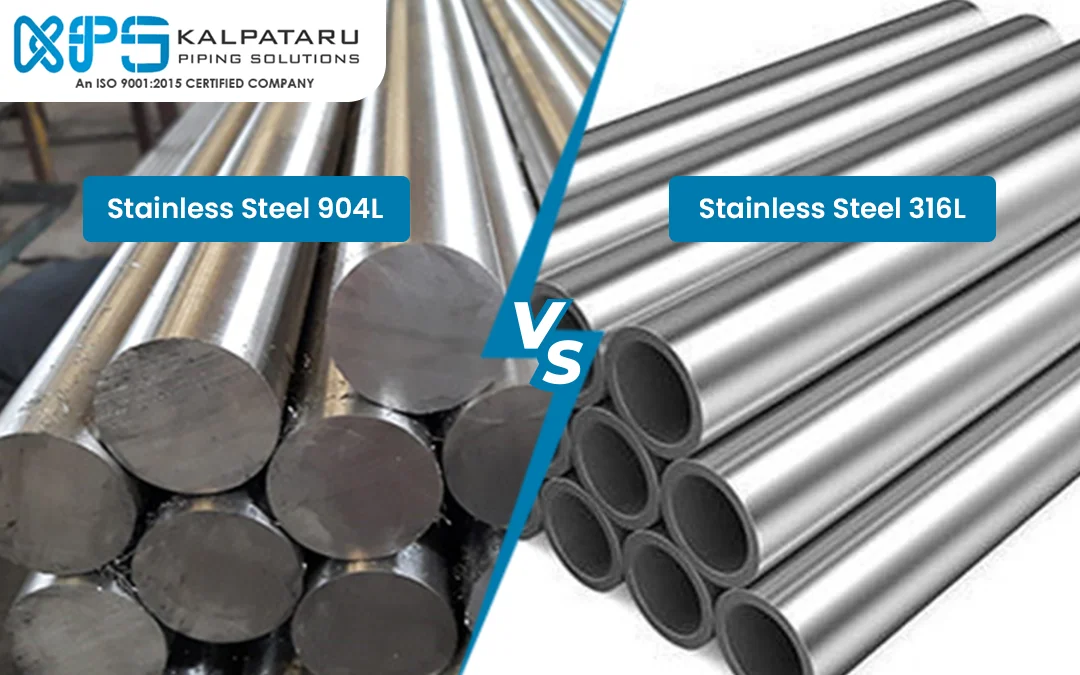
Stainless Steel 904L vs 316L