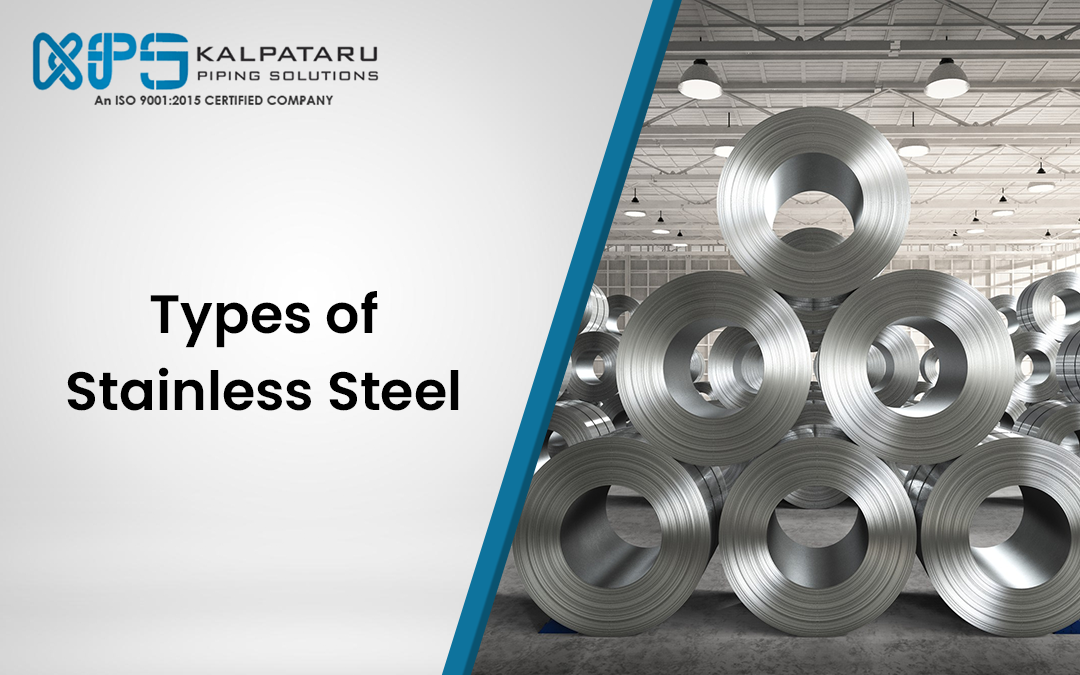
Types of Stainless Steel

Types of Stainless Steel

Stainless steel is a widely used material across various industries, including construction, healthcare, automotive, and medical sectors. Understanding the different types of stainless steel and their properties is essential for selecting the right grade for your specific needs. 

This guide will delve into the common types of stainless steel, highlighting their properties and practical applications. Discover why stainless steel is a preferred choice across industries and how its unique features can be used to enhance durability, performance, and efficiency in your projects.

What is Stainless Steel?

Stainless steel is a family of iron-based alloys known for their exceptional corrosion resistance, heat resistance, and durability. These alloys are primarily made from iron and carbon, with a maximum carbon content of 2.1%. Stainless steels are further enhanced by alloying elements such as chromium, nickel, molybdenum, and manganese. Each stainless steel alloy formulation offers unique characteristics, such as tensile strength, corrosion resistance, oxidation resistance, and melting point. The key to stainless steel’s superior corrosion resistance lies in its chromium content, which forms a protective oxide layer on the surface, preventing rust and degradation. This property makes stainless steel stand out from other steel types, making it ideal for applications where durability and resistance to harsh environments are essential.

Different Types of Stainless Steel

With thousands of stainless steel alloys, most of them fall into three main categories:

1. Austenitic Stainless Steel

Austenitic stainless steel is the most commonly used type of stainless steel alloy. Its defining features are its high chromium content and excellent corrosion resistance. This type of stainless steel is generally non-magnetic, but it can develop magnetic properties when subjected to a cold-forming process. Due to its versatility and strength, austenitic stainless steel is widely used in applications such as kitchen equipment, architectural structures, and chemical processing.

2. Ferritic Stainless Steel

Ferritic stainless steel is the second most common type of alloy. It contains less nickel compared to austenitic stainless steel, making it more cost-effective. It is also magnetic and can be hardened through cold working processes. Ferritic stainless steel is often used in automotive components, industrial equipment, and household appliances due to its durability and affordability.

3. Martensitic Stainless Steel

Martensitic stainless steel is less common but highly valued for its strength and impact resistance. It is often used in applications requiring high tensile strength, such as cutting tools, aerospace parts, and medical instruments. To enhance its corrosion resistance, martensitic stainless steel is sometimes combined with a protective polymer coating.

4. Duplex (Ferritic-Austenitic) Stainless Steels

Duplex stainless steels are a unique mixture of austenite and ferrite, offering superior corrosion resistance, especially against chloride pitting. Their exceptional resistance to corrosion and mechanical properties make them commonly used in industries such as oil and gas for pipelines, pressure vessels, and pipework systems.

5. Precipitation Hardening (PH) Stainless Steels

Precipitation hardening stainless steels are known for their remarkable strength and durability. These alloys can be heat-treated to achieve yield strengths several times greater than that of standard austenitic stainless steels. With excellent corrosion resistance, PH steels are extensively utilized in aerospace, nuclear, and oil and gas industries. Their ability to provide high-strength performance in high temperature conditions.

Exploring the Different Grades of Stainless Steel

Stainless steel is categorized into three primary types: austenitic, ferritic, and martensitic. Within these categories, different grades offer specific properties suited for various applications. Here, we look into the most common types of stainless steel grades and their unique attributes.

Austenitic Stainless Steel Grades

Austenitic stainless steel is the most commonly used type due to its excellent corrosion resistance and versatility. Two popular grades in this category are:

Stainless Steel 304 Grade

Known for its impressive tensile strength of approximately 621 MPa (90 ksi), Grade 304 is a reliable choice for a wide range of applications. Its maximum operating temperature is 870°C (1598°F), making it suitable for high-temperature environments.

Stainless Steel 316 Grade

With a tensile strength of 579 MPa (84 ksi), Grade 316 offers a similar performance to Grade 304. However, it stands out for its superior resistance to chlorides, such as salt, making it the preferred choice for maritime and coastal applications. Its maximum operating temperature is slightly lower at 800°C (1472°F).

Ferritic Stainless Steel Grades

Ferritic stainless steel is valued for its affordability and specific resistance properties. Two notable grades in this category are:

Grade 430

Although not as strong as austenitic grades, Grade 430 provides excellent resistance to nitric acid. It is suitable for heavy-duty applications where high strength is not the primary requirement.

Grade 434

Grade 434 offers higher tensile strength and better resistance to pitting compared to Grade 430. Its toughness makes it suitable for demanding industrial environments.

Martensitic Stainless Steel Grades

Martensitic stainless steel is known for its strength and impact resistance. The primary grade in this category is:

Grade 420

This grade provides good resistance to alkalis, mild acids, water, and food compounds. Its high tensile strength and impact resistance make it an excellent choice for products like cutlery, surgical instruments, and tools.

Duplex (Ferritic-Austenitic) Stainless Steels Grades

Grade 2205 Stainless Steel

Grade 2205 offers superior corrosion resistance, especially against stress corrosion cracking, pitting, and crevice corrosion. Its enhanced properties make it ideal for the oil and gas, petrochemical, marine, and pulp industries.

Grade 2304 Stainless Steel

Grade 2304 provides the same corrosion resistance as grade 316 but with nearly twice the yield strength. It performs well in temperatures ranging from -58°F to 572°F, making it suitable for a variety of applications.

Grade 2507 Stainless Steel

Known for its high thermal conductivity and exceptional chloride stress corrosion resistance, grade 2507 is perfect for marine, petrochemical, and offshore oil platform applications, offering both strong corrosion resistance and tensile strength.

Precipitation Hardening (PH) Stainless Steels Grades

Grade 17-4 Stainless Steel

Grade 17-4 delivers exceptional strength and fair corrosion resistance, with properties adjustable through heat treatment. It is widely used in aerospace, petroleum, and chemical industries.

Grade 15-5 Stainless Steel

Grade 15-5 excels in strength, corrosion resistance, toughness, and hardness. While not ideal for cold working, it is commonly used in high-pressure and corrosive environments, particularly in aerospace components.

How to Choose the Right Stainless Steel for Your Project?

1. Industrial Application
For high pressure conditions like marine environments, choose alloys with molybdenum (e.g., grade 316) for chloride resistance.

2. Formability and Weldability
For better formability, select austenitic or ferritic steels like grades 304 or 430. If welding is required, ensure good weldability to avoid issues like cracking (common with martensitic steels like grade 410).

3. Corrosion Resistance
Austenitic steels, especially grade 316, offer the best corrosion resistance for harsh environments. Martensitic and ferritic steels are less resistant but more cost-effective.

4. Strength, Ductility, and Toughness
Choose alloys with a balance of strength, ductility, and toughness, such as those with chromium and nickel, based on your load-bearing and shape-changing requirements.

5. Cost and Availability
While austenitic stainless steels are more expensive, they offer long-term savings in maintenance. Weigh the initial cost against durability.

6. Magnetic Response
If magnetism is a factor, opt for non-magnetic alloys like grade 316 or 310. Grades in the 400 series are more magnetic due to higher chromium content.If magnetism is a factor, opt for non-magnetic alloys like grade 316 or 310. Grades in the 400 series are more magnetic due to higher chromium content.

Conclusion

Choosing the right type of stainless steel is important to make sure your project works as planned. Austenitic stainless steel is great for resisting rust, ferritic steel offers an affordable option, and martensitic steel is known for its strength. Each type is designed for specific uses, like construction, healthcare, manufacturing, or marine environments. Knowing the differences can help you pick the best option for your needs.

At Kalpataru Piping Solutions, we provide high-quality stainless steel products to suit a range of industries. Our team can help you select the right material for your requirements, giving you reliable and long-lasting results.

Visit Kalpataru Piping Solutions to explore our stainless steel products and get expert guidance on finding the best solution for your projects.

FAQs

How is stainless steel made?

Stainless steel is made primarily from iron and carbon in a two-step process. What makes stainless steel different is the addition of chromium (Cr) and other alloying elements such as nickel (Ni) to create a corrosion-resistant product.

Which is better, 304 or 316 stainless steel?

316 contains a minimum of 2.0% molybdenum which makes it much more corrosion-resistant than 304 however, as it is a more expensive element, generally makes 316 a more expensive grade of metal.

How to Choose the Right Material for Different Stainless Steel Applications?

Choosing the right stainless steel depends on the environment, strength, corrosion resistance, and formability. For marine settings, grade 316 with molybdenum offers excellent corrosion resistance. Austenitic and ferritic steels are ideal for high strength and toughness, while martensitic steels are best for strength-focused applications, though they are more prone to cracking.

What are the different types of Stainless Steel?

Stainless steels are classified into four main groups:

  • Austenitic: Known for excellent corrosion resistance and formability, commonly used in food processing and medical equipment.
  • Ferritic: Offers good corrosion resistance and is magnetic, typically used in automotive and industrial applications.
  • Duplex: A blend of austenitic and ferritic steels, offering high strength and corrosion resistance, ideal for harsh environments like oil and gas.
  • Martensitic: Known for high strength and hardness, but less corrosion resistant, typically used in tools.
Stainless Steel Uses

Stainless Steel Uses

Stainless steel is a versatile and durable alloy known for its strength, corrosion resistance, and low maintenance requirements. These qualities make it ideal for use across various industries, from construction to automotive etc. Stainless steel is available in forms such as sheets, plates, bars, coils, and tubing, etc to both industrial and domestic applications, having a long life span and being 100% recyclable. Its unique properties, such as corrosion resistance and ease of sterilization, make it indispensable in applications requiring durability and hygiene.

What is Stainless Steel?

Stainless steel is a corrosion-resistant, iron-based alloy that has high durability, aesthetic appeal, and ability to withstand extreme environments. Its defining feature is the addition of chromium, which enhances its resistance to rust and corrosion. Containing a minimum of 10.5% chromium, stainless steel forms a passive oxide layer when exposed to air, acting as a protective shield against further oxidation.

Composition of Stainless Steel

The composition of stainless steel varies depending on its application but typically includes iron, chromium (10-30%), and other elements such as nickel, molybdenum, nitrogen, and titanium. Chromium provides corrosion resistance, while nickel and molybdenum enhance strength and resistance to extreme conditions. Stainless steel has a chromium oxide layer that forms on its surface upon exposure to oxygen.

Stainless Steel Uses

Stainless steel material is mainly known for its strength, durability, and resistance to corrosion, making it indispensable across various industries. Here are list of stainless steel applications:

Architecture and Construction

Stainless steel is used in modern architecture and construction, due to its strength, flexibility, and resistance to corrosion. Stainless steel is widely used for exterior cladding on high-impact buildings and interior applications such as handrails, countertops, and backsplashes. Its aesthetic appeal, low maintenance, and sustainable properties—being up to 90% recycled—make it ideal for contemporary and eco-friendly designs.

Automotive and Transportation

Stainless steel plays a vital role in the automotive and transportation sectors, offering durability, strength, and corrosion resistance. It has become integral in car exhaust systems, trim, grills, and structural components, aligning with emission standards. Beyond automobiles, stainless steel is widely used in ship containers, road tankers, and refuse vehicles, especially for transporting chemicals, food, and liquids. Its lightweight, fuel-saving properties, reduced maintenance costs.

Medical Industry

The medical industry relies heavily on stainless steel for its hygienic and corrosion-resistant properties. It is used in surgical instruments, operating tables, dental tools, and advanced medical equipment like MRI scanners and steam sterilizers. Stainless steel is also a critical component in surgical implants, artificial joints, and bone fixation devices. Its ability to withstand sterilization processes ensures safety and reliability in medical environments.

Energy and Heavy Industries

Stainless steel is indispensable in the energy and heavy industries due to its exceptional durability and corrosion resistance in extreme conditions. It is extensively used in storage tanks, pipelines, valves, and structural components in the chemical, oil, and gas sectors. Offshore oil rigs and renewable energy systems, including solar, hydro, and wind power, also utilize high-grade stainless steel for its ability to withstand corrosive environments.

Food and Catering

In the food and catering industry, stainless steel is essential for its non-reactive and corrosion-resistant nature. It is used in kitchenware, cutlery, cookware, and industrial food production equipment. Stainless steel’s easy-to-clean surface ensures hygiene, while its resistance to acidic foods preserves flavor and quality. From knife blades to ice cream production systems, it supports strong antibacterial cleaning, making it ideal for maintaining food safety and cleanliness across various culinary applications.

Types of Stainless Steel

Stainless steel is categorized into various types based on its microstructure and alloy composition. Each type is tailored for specific applications, offering unique properties such as corrosion resistance, strength, and durability. The main types of stainless steel are as follows:

Austenitic Stainless Steel

Austenitic stainless steel is the most widely used type, accounting for about 70% of all stainless steel production. Its primary microstructure is austenite, a solid solution of iron and carbon formed above 723°C. This steel contains at least 16% chromium and 6% nickel, with optional additions like nitrogen or manganese to enhance its properties. Austenitic steel is non-magnetic, corrosion-resistant, and cannot be hardened through heat treatment.

Austenitic stainless steel uses: Chemical plants, power plants, food processing equipment, and dairy machinery.

Ferritic Stainless Steel

Ferritic stainless steel primarily consists of iron and chromium, with chromium content ranging between 10.5% and 18%. This type is magnetic, more cost-effective than austenitic steel, and highly resistant to stress corrosion. While it offers good formability and flexibility, it is not suitable for high-temperature applications and has average corrosion resistance.

Ferritic stainless steel uses: Car exhausts, kitchen sinks, and industrial equipment.

Martensitic Stainless Steel

Martensitic stainless steel is composed of iron, carbon, and chromium. It features high strength, durability, and moderate corrosion resistance. This steel is magnetic and can be hardened by heat treatment but has poor weldability compared to other grades. Untempered martensite is brittle, while tempered martensite is tough and corrosion-resistant.

Applications: Medical equipment, aerospace components (drive shafts, landing gear), and cutlery.

Duplex Stainless Steel

Duplex stainless steel combines the properties of austenitic and ferritic grades, typically consisting of a 50/50 mix. It contains high chromium and low nickel, offering superior tensile strength, good weldability, and excellent resistance to stress corrosion. Duplex stainless steel is stronger than austenitic grades and highly durable, though slightly less resistant to stress corrosion than ferritic grades.

Applications: Piping, manifolds, pressure vessels, and pipelines in petrochemical and oil and gas industries.

FAQs

What are the advantages of stainless steel?

Stainless steel offers corrosion resistance, strength, durability, heat resistance, easy maintenance, and aesthetic appeal. It is also environmentally friendly due to its recyclability.

What type of welding is used for stainless steel?

TIG (Tungsten Inert Gas) welding and MIG (Metal Inert Gas) welding are commonly used for stainless steel, providing precision and strong welds.

Which metal is used in stainless steel?

Stainless steel is made from iron, carbon, chromium (10-30%), nickel, molybdenum, titanium, and other trace elements.

What is stainless steel used for?

Stainless steel is used in kitchenware, medical instruments, construction, automotive parts, chemical processing, and marine environments due to its durability and corrosion resistance.

What is the difference between steel and stainless steel?

Steel is prone to rust and corrosion, while stainless steel resists rust due to added chromium, nickel, and other elements. Steel is magnetic; most stainless steels are not.

Is stainless steel an alloy?

Yes, stainless steel is an alloy made primarily of iron, carbon, and 10-30% chromium, with additional elements like nickel, molybdenum, and titanium for enhanced corrosion resistance.

Is stainless steel corrosion-resistant?

Yes, stainless steel is resistant to corrosion, especially in mild environments. However, exposure to strong bases like sodium hydroxide can cause etching, and it may experience galvanic corrosion in certain conditions.

316 Stainless Steel Grades

316 Stainless Steel Grades

Stainless steel is an alloy containing at least 10% chromium, which provides its signature corrosion resistance. The chromium reacts with oxygen to form a protective oxide layer on the metal’s surface, safeguarding it against rust and degradation. Among the various grades, 316 stainless steel stands out for its excellent resistance to corrosion, making it ideal for industries like chemical plants, refineries, and marine. Types 1.4401 and 1.4404, also known as grades 316 and 316L, are widely used variations. 

This blog explores the grades of 316 stainless steel in detail, covering its types, key properties, and industrial applications.

What is 316 stainless steel?

316 stainless steel is a premium alloy known for its exceptional corrosion resistance, durability,. It belongs to the austenitic family of stainless steels. SS 316 material contains molybdenum, which significantly enhances its resistance to pitting and crevice corrosion, especially in chloride-rich environments.

Grades of Stainless Steel 316

  • 316L Stainless Steel (Low Carbon)
    316L is a low-carbon version of 316 stainless steel, designed to minimize carbide precipitation during welding. This property makes it ideal for heavy-gauge welded components over 6mm thick. It provides the same corrosion resistance as standard 316 while reducing the risk of sensitization.
  • 316H Stainless Steel (High Carbon)
    316H is the high-carbon variant of 316, developed for applications requiring enhanced thermal stability and resistance to creep at elevated temperatures. It is commonly used in high-temperature environments like boilers, heat exchangers, and pressure vessels.
  •  316Ti Stainless Steel (Stabilized with Titanium)
    316Ti is stabilized with a small addition of titanium (approximately 0.5%) to improve resistance to intergranular corrosion. This grade performs exceptionally well in high-temperature environments above 800°C and is widely used in heat exchangers, furnace parts, and exhaust systems.

Corrosion Resistance of Stainless Steel 316

Stainless steel 316 offers excellent corrosion resistance and is known as “marine grade” stainless steel, outperforming grade 304. However, it is not fully resistant to warm seawater, where chloride-rich conditions can cause pitting and crevice corrosion. It tolerates chlorides up to 1000 mg/L in potable water at ambient temperatures, reducing to 500 mg/L at 60°C. Despite susceptibility to stress corrosion cracking above 60°C and surface staining in crevices.

Heat Resistance of 316 Stainless Steel

316 stainless steel doesn’t harden through heat treatment but is enhanced through annealing at 1010°C to 1120°C, followed by rapid cooling. This process relieves stresses and restores corrosion resistance. For resistance to intergranular corrosion, grade 316L is used, while grade 316H, with higher carbon content, is preferred for high-strength, elevated-temperature applications. While 316 offers excellent oxidation resistance up to 925°C, prolonged use between 425°C to 860°C is not recommended for water-corrosion resistance.

Welding of Stainless Steel 316

SS 316 stainless steel offers excellent weldability through various fusion welding methods, both with and without filler metals. The recommended filler rods and electrodes for welding SS 316 and 316L are identical to the base metal, ensuring strong and durable joints. While welding heavy sections of SS 316 may require post-weld annealing to maintain optimal corrosion resistance, this is not necessary for SS 316L due to its low carbon content. For heavy section welds, SS 316Ti, which contains titanium for stabilization, can be used as an alternative to SS 316. However, oxyacetylene welding is not suitable for joining SS 316 stainless steel. The material is pre-qualified for welding under standards like AS 1554.6 when using appropriate rods or electrodes.

Cold Working of 316 Stainless Steel

Stainless steel 316 is easy to shape into different parts using brake or roll forming. It’s also good for processes like stamping, heading, and drawing. However, after these processes, annealing (heating and cooling) is recommended to reduce internal stresses in the material. Cold working, which involves shaping the steel at room temperature, makes 316 stainless steel stronger and harder.

Hot Working of Stainless Steel 316

Stainless steel 316 can be easily shaped using all common hot working methods. However, it should not be worked below 927°C. The best temperature range for hot working is between 1149°C and 1260°C. After hot working, it’s recommended to anneal the steel to restore its corrosion resistance.

316 Stainless Steel Heat Treatment

316 stainless steel cannot be hardened by heat treatment. Instead, it can undergo a process called solution annealing, where the material is heated to a temperature between 1010°C and 1120°C, then rapidly cooled to prevent the formation of chromium carbides.

Machinability of 316 Stainless Steel

316 stainless steel is easy to machine with the right techniques. Keep cutting tools sharp to avoid hardening the material. Make light cuts, deep enough to prevent the tool from just skimming the surface. Use chip breakers to clear debris, and always apply plenty of coolants and lubricants since the material can heat up quickly during machining.

SS 316 Chemical Composition

Element

316

316L

316H

316Ti

Carbon (C)

0.0–0.07

0.0–0.03

0.04–0.08

0.0–0.08

Manganese (Mn)

0.0–2.0

0.0–2.0

0.0–2.0

0.0–2.0

Silicon (Si)

0.0–1.0

0.0–1.0

0.0–1.0

0.0–1.0

Phosphorus (P)

0.0–0.05

0.0–0.05

0.0–0.04

0.0–0.05

Sulfur (S)

0.0–0.02

0.0–0.02

0.0–0.02

0.0–0.03

Chromium (Cr)

16.50–18.50

16.50–18.50

16.50–18.50

16.50–18.50

Molybdenum (Mo)

2.00–2.50

2.00–2.50

2.00–2.50

2.00–2.50

Nickel (Ni)

10.00–13.00

10.00–13.00

10.00–13.00

10.50–14.00

Titanium (Ti)

0.40–0.70

Iron (Fe)

Balance

Balance

Balance

Balance

Stainless 316 Material Properties

Stainless steel 316 offers excellent mechanical and physical properties, including high tensile and yield strength, excellent corrosion resistance, and good machinability. These properties are primarily specified for flat-rolled products like plate, sheet, and coil under ASTM A240/A240M. Similar specifications apply to other forms, such as pipes and bars, under their respective standards, with minor variations in property details.

Mechanical Properties

Grade Tensile Str (MPa) min Yield Str 0.2% Proof (MPa) min Elong (% in 50 mm) min Hardness
Rockwell B (HR B) max Brinell (HB) max
316 515 205 40 95 217
316L 485 170 40 95 217
316H 515 205 40 95 217

Physical Properties

Property

Value

Density

8.00 g/cm3

Melting Point

1375-1400°C 

Modulus of Elasticity 

193 GPa 

Electrical Resistivity 

0.074×10⁻⁶ Ω.m

Thermal Conductivity  

16.3 W/m.K at 100°C 

Thermal Expansion

15.9×10⁻⁶ /K at 100°C 

Applications of 316 Stainless Steel Grades

Grade

Applications

316 Stainless Steel

– Marine: Boat fittings, underwater pipelines.

– Chemical: Tanks, heat exchangers.

– Food & Beverage: Processing and storage equipment.

– Medical: Surgical tools and medical devices.

316L Stainless Steel

– Welding: Oil pipelines, storage tanks.

– Pharmaceutical: Corrosion-resistant equipment.

– Cryogenic: Vessels and piping for low-temperature applications.

316Ti Stainless Steel

– Heat-Intensive: Chemical reactors and kilns.

– Exhaust Systems: Automotive and industrial exhaust components.

– Aerospace: Heat-resistant parts for aircraft.

Conclusion

In conclusion, Kalpataru Piping Solutions is a trusted supplier of high-quality 316, 316L, and 316Ti stainless steel products, catering to various industrial needs. As reliable 316 stainless steel suppliers, we ensure superior materials that meet the highest standards for performance and durability. Whether you’re looking for stainless steel 316 for specific applications or require expert guidance, we are here to guide you. 

Contact us today to learn more about our range of stainless steel 316 products to meet your requirements.

FAQs

What is the cost of 316 stainless steel?

The cost of 316 stainless steel depends on various factors such as the supplier, quantity, and specific requirements like size and grade. It’s best to request a quote from suppliers for accurate pricing.

Does grade 316 stainless steel rust?

While highly resistant to rust due to molybdenum, grade 316 stainless steel can still show signs of corrosion in harsh marine conditions.

Which grade is better, 304 or 316 stainless steel?

Grade 316 is better for highly corrosive environments due to its added molybdenum, offering superior resistance compared to grade 304.

Is 316 stainless steel worth the extra cost over 304?

Yes, for environments with high acidity or salinity, the enhanced corrosion resistance of 316 justifies its higher cost.

What is the grade of ASTM 316?

ASTM A240 Type 316 is a stainless steel alloy containing chromium, nickel, molybdenum, and trace elements, designed for superior corrosion resistance.

What is 316 stainless steel grade?

Grade 316 is an austenitic stainless steel with molybdenum, offering better corrosion resistance than 304, especially in marine and chemical environments.

What is the grade of 316 steel?

316 and 316L (1.4401 and 1.4404) are austenitic stainless steels with molybdenum, providing excellent corrosion resistance, second only to 304 in commercial usage.

Duplex 2205 Chemical Composition

Duplex 2205 Chemical Composition

Duplex 2205 stainless steel is a strong and durable material that combines two types of steel: ferritic and austenitic. This mix gives it great resistance to corrosion and strength, making it ideal for tough environments. Duplex 2205 is an upgraded version of the earlier S31803 grade, changed to UNS S32205 in 1996. These changes improve its ability to resist corrosion even more. Stainless steel 2205 duplex is widely used in industries like oil and gas, marine, and chemicals.

 In this blog, we will explain Duplex 2205’s chemical composition and how it contributes to its impressive performance.

Understanding Duplex 2205 Chemical Composition

Duplex 2205 stainless steel is a highly corrosion-resistant material widely used in industries that require high strength and durability, such as oil and gas, marine, and chemical processing. 2205 chemical composition plays a key role in its performance and properties. It combines the best features of both ferritic and austenitic stainless steels, giving it a unique balance of strength and resistance to corrosion.

The chemical composition of Duplex 2205 typically includes:

  • Chromium (Cr): 22-23%
    Chromium is a key element in Duplex 2205, providing excellent corrosion resistance, particularly to pitting and crevice corrosion. It helps form a protective oxide layer on the steel’s surface, enhancing its durability.
  • Nickel (Ni): 4.5-6.5%
    Nickel improves the steel’s resistance to corrosion and increases its toughness, especially in low temperatures. However, the lower nickel content in Duplex 2205 compared to other austenitic steels contributes to its lower cost.
  • Molybdenum (Mo): 3-3.5%
    Molybdenum enhances steel’s resistance to chloride stress corrosion cracking and pitting. It helps improve the material’s performance in aggressive environments, such as those with high chlorides (e.g., seawater).
  • Manganese (Mn): 1.5-2%
    Manganese is an essential element that improves steel’s strength and ductility and helps stabilize its austenitic phase.
  • Nitrogen (N): 0.08-0.2%
    Nitrogen increases the strength of Duplex 2205 and helps to improve its resistance to pitting and crevice corrosion. It also enhances the material’s overall stability.
  • Iron (Fe): Balance
    Iron is the primary component of Duplex 2205, making up the majority of the alloy. It provides the basic structure and framework for the other elements.
  • Other Elements:
    • Silicon (Si): Up to 1%. Silicon contributes to the steel’s resistance to oxidation and enhances its overall strength.
    • Carbon (C): Maximum 0.03%. Carbon content is kept low in Duplex 2205 to prevent the formation of carbides that could reduce its corrosion resistance.

The combination of these elements gives Duplex 2205 its distinctive properties: high strength, good weldability, and superior corrosion resistance. The balanced composition ensures the material can withstand challenging conditions such as high pressure, high temperatures, and exposure to harsh chemicals, making it a popular choice for demanding applications.

Grade   C Mn Si P S Cr Mo Ni N
2205 (S31803) Min Max – 0.030 – 2.00 – 1.00 – 0.030 – 0.020 21.0 23.0 2.5 3.5 4.5 6.5 0.08 0.20
2205 (S32205) Min Max – 0.030 – 2.00 – 1.00 – 0.030 – 0.020 22.0 23.0 3.0 3.5 4.5 6.5 0.14 0.20

Corrosion Resistance of 2205 Duplex Stainless Steel

2205 duplex stainless steel offers a cost-effective and highly durable solution for applications where 300 series stainless steels are vulnerable to chloride stress corrosion cracking. duplex 2205 chloride resistance occurs when tensile stress is applied to stainless steel in environments containing chlorides, with susceptibility increasing as temperatures rise. The unique combination of chromium, molybdenum, and nitrogen in 2205 duplex stainless steel enhances its resistance to chloride pitting and crevice corrosion, making it suitable for challenging environments such as marine settings, brackish water systems, bleaching operations, closed-loop water systems, and specific food processing applications. Its superior composition provides greater corrosion resistance compared to commonly used stainless steels 316L and 317L, offering a reliable and long-lasting option for industries requiring high performance in corrosive conditions.

FAQs

What is the composition of 2507 material?

Alloy 2507 (UNS S32750) is a super duplex stainless steel with 25% chromium, 4% molybdenum, and 7% nickel designed for demanding applications which require exceptional strength and corrosion resistance, such as chemical process, petrochemical, and seawater equipment.

What is the difference between duplex 2205 and 2507?

Due to the difference in chemical composition, duplex steel 2507 is more resistant to corrosion than 2205, especially in environments containing chloride ions and acidic environments. Under the same conditions, 2507 is more resistant to corrosion, wear, pitting, and intergranular corrosion than 2205.

What is a 2507 duplex?

Duplex 2507 (UNS S32750) is a super duplex stainless steel with 25% chromium, 4% molybdenum, and 7% nickel designed for demanding applications that require exceptional strength and corrosion resistance, such as chemical process, petrochemical, and seawater equipment.

Related Posts

904L Stainless Steel

904L Stainless Steel – Benefits and Applications

Stainless Steel 904L vs 316L

Stainless Steel 904L vs 316L

Stainless Steel 304 Density

Stainless Steel 304 Density

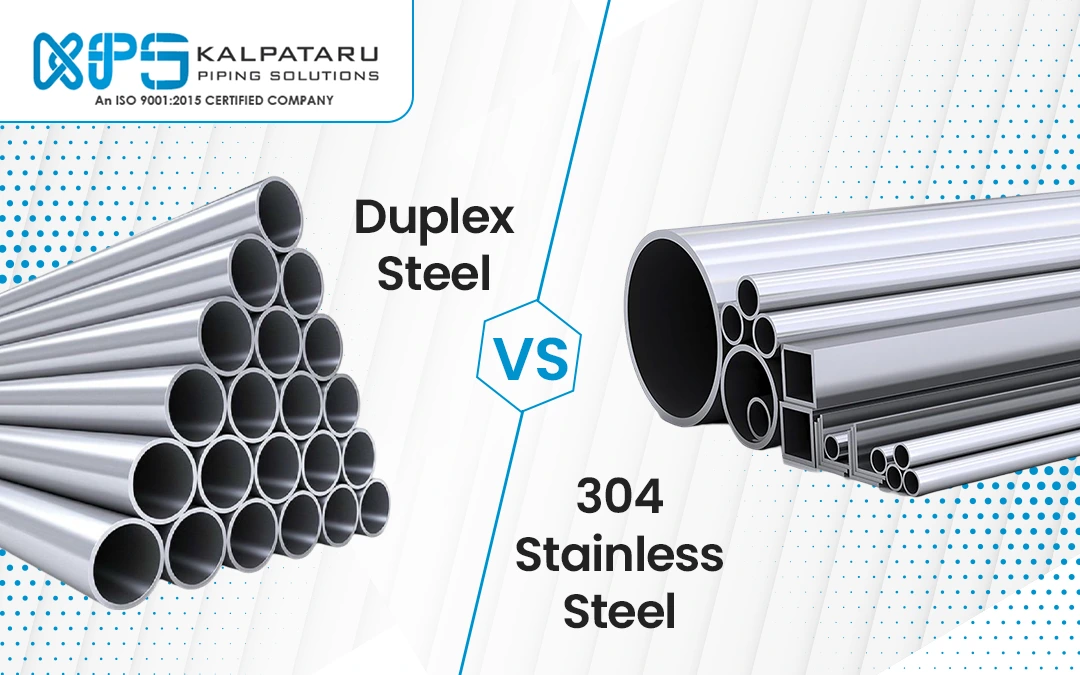
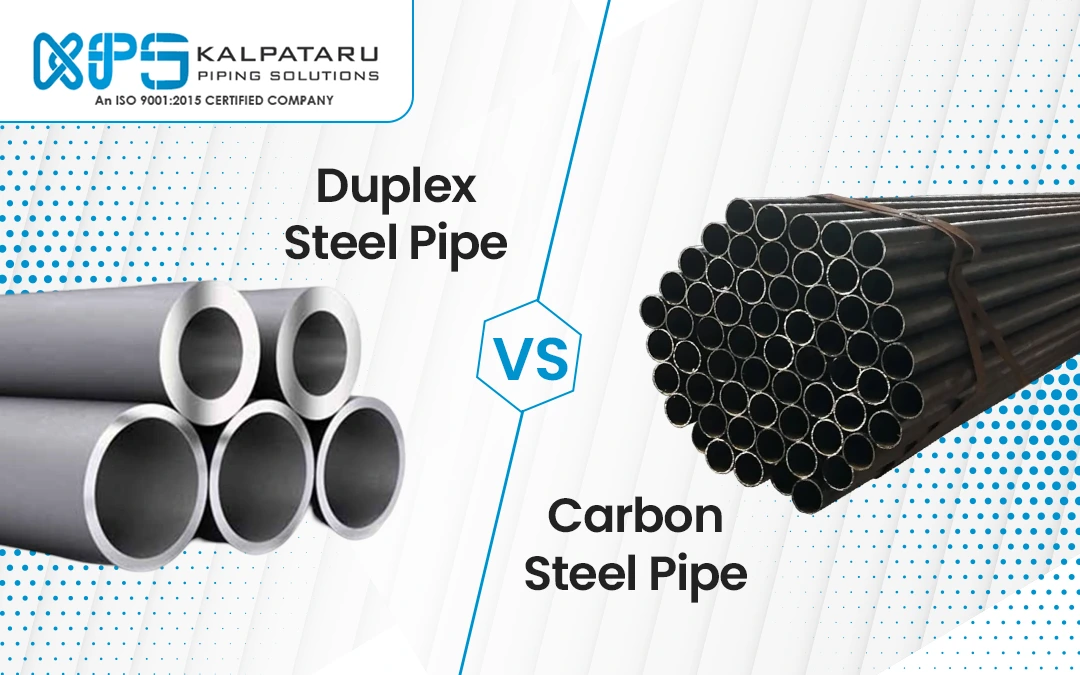
Duplex Steel vs Stainless Steel

Duplex Steel vs Stainless Steel

Choosing the right steel for your project often comes down to duplex steel and stainless steel. While both are strong and resistant to corrosion, they have unique differences. Duplex steel combines austenitic and ferritic structures, offering higher strength and better resistance to stress corrosion. Stainless steel, available in many grades, is versatile and widely used across industries.

This blog will explain the key differences, helping you decide which material suits your needs best for durability and performance.

What is duplex stainless steel?

Duplex steel, also known as duplex stainless steel, is a type of stainless steel with a unique two-phase microstructure composed of austenite (face-centered cubic lattice) and ferrite (body-centered cubic lattice) in roughly equal proportions. This structure provides duplex steel with exceptional strength and superior corrosion resistance compared to standard austenitic stainless steels like Type 304 or 316. It is specifically designed to resist chloride stress corrosion and chloride pitting corrosion, making it ideal for environments with high chloride exposure. 

Duplex steel has a higher chromium content (20–28%), molybdenum (up to 5%), and nitrogen (0.05 — 0.50%) while maintaining a lower nickel content (up to 9%) compared to austenitic grades. These elements enhance its durability and reduce costs. Its high strength allows for thinner sections, further improving cost efficiency. Widely used in the offshore oil and gas industry, petrochemical pipelines, and marine applications, duplex steel combines improved corrosion resistance, higher strength, and affordability, making it a preferred choice for demanding industrial applications.

What is stainless steel?

Stainless steel, also known as inox or corrosion-resistant steel, is an iron-based alloy renowned for its resistance to rust and corrosion. This durability comes from its chromium content, which is at least 10.5%. The chromium forms a passive layer on the surface that protects the material and can self-heal when exposed to oxygen. Depending on its specific application and cost, stainless steel may also include elements like molybdenum, nickel, nitrogen, and carbon.

Duplex Steel vs Stainless Steel: A Comparison

Property Duplex Steel Stainless Steel
Strength Nearly twice the strength of stainless steel Moderate strength depends on the range
Corrosion Resistance Superior in chloride-rich environments Effective, but less resistant to chlorides
Stress Corrosion Cracking Highly resistant Prone to cracking in chloride environments
Cost More cost-effective for high-performance applications Higher cost for high-grade options like 316
Fabrication Requires expertise in welding and shaping Easier to fabricate and weld

Galvanic Corrosion Between Stainless Steel and Duplex Stainless Steel

Duplex stainless steel offers significantly better corrosion resistance compared to standard stainless steel, especially in highly corrosive environments. While austenitic stainless steel grades like 316 can handle high levels of chlorides, they are less effective against acids. Duplex stainless steel, on the other hand, provides superior resistance to chlorides, acids, reducing agents, and oxidizing agents, making it a more reliable choice for demanding conditions.

The corrosion resistance of duplex stainless steel is higher than most austenitic grades, ensuring better performance in environments with harsh chemicals. However, for extremely aggressive applications, such as in acid production plants, more specialized materials like Hastelloy are often required due to their unparalleled corrosion resistance and versatility.

Pickling and Passivation of Duplex and Stainless Steel

Passivation is a natural phenomenon that occurs in stainless steel with high chromium content. Duplex stainless steel, with chromium levels ranging from 19% to 32%, naturally forms a passivated oxide layer on its surface, which protects it from corrosion. This self-repairing layer is crucial for the durability and corrosion resistance of duplex stainless steel. In contrast, some stainless steel alloys with lower chromium content cannot form this protective layer, leaving them vulnerable to oxidation and corrosion. However, these alloys can undergo passivation treatments to enhance their corrosion resistance by artificially forming the oxide layer.

Pickling, on the other hand, is a chemical process used to remove surface scales and impurities caused by exposure to high temperatures or adjacent chromium layers. It involves the application of chemical solutions, typically containing nitric acid (HNO3) and hydrofluoric acid (HF), to clean the surface of stainless steel. Unlike mechanical methods, which can damage the metal’s surface, chemical pickling effectively removes unwanted layers without harming the material. This process not only improves the appearance of the metal but also enhances its corrosion resistance by preparing the surface for a more effective passivation layer.

Both pickling and passivation are essential treatments for maintaining the integrity and performance of duplex and stainless steel, especially in demanding applications where corrosion resistance is critical.

Advantages of Duplex and Stainless Steel

The advantages of duplex stainless steel depend on its composition and the specific application. Duplex stainless steel offers excellent corrosion resistance and high mechanical strength, outperforming many standard stainless steel grades. Its dual-phase structure combines the best properties of ferritic and austenitic stainless steels, providing superior durability and resistance to stress corrosion cracking. While its highly alloyed nature can make it more cost-effective compared to premium grades like 904L, duplex stainless steel also delivers exceptional performance in challenging environments. However, like other stainless steels, it has limitations at extreme temperatures, with reduced impact resistance below -50°C and limited usability at very high temperatures compared to nickel alloys.

Conclusion

Choosing the right steel depends on your project’s specific needs. Duplex stainless steel offers great strength, excellent corrosion resistance, and cost savings, making it a perfect fit for challenging environments. Stainless steel, on the other hand, is versatile and works well for a variety of everyday applications. At Kalpataru Piping Solutions, we understand the importance of choosing the right material and are committed to helping you find the best option for your project.

FAQs

Is duplex stainless steel better than stainless steel?

Duplex stainless steels were developed to overcome some limitations of traditional stainless steel grades, such as the popular 304 and 316 types. Compared to these conventional stainless steels, duplex stainless steels exhibit superior mechanical properties—especially regarding strength and toughness.

Is duplex stainless steel more expensive?

The price of duplex pipe fittings is more expensive than that of 316 stainless steel pipe fittings. We supply both duplex 2205 and 316 SS pipe and fittings, you are welcome to contact us if there are any requirements.

What is another name for duplex stainless steel?

Duplex stainless steels are a family of stainless steels. These are called duplex (or austenitic-ferritic) grades because their metallurgical structure consists of two phases, austenite (face-centered cubic lattice) and ferrite (body-centered cubic lattice) in roughly equal proportions.

Related Posts

904L Stainless Steel

904L Stainless Steel – Benefits and Applications

Stainless Steel 904L vs 316L

Stainless Steel 904L vs 316L

Stainless Steel 304 Density

Stainless Steel 304 Density

Duplex Stainless Steel Applications

Duplex Stainless Steel Applications

Introduction to Duplex Stainless Steel Applications

Duplex stainless steel is a strong and durable material known for its excellent corrosion resistance. It combines the best features of two types of stainless steel, making it ideal for tough environments like offshore oil rigs, chemical plants, and power stations. In this blog, we will look at the different ways duplex stainless steel is used and why it’s a popular choice for many industries.

What is Duplex Stainless Steel?

Duplex stainless steel is a special type of stainless steel that combines two phases: austenite and ferrite. This unique structure gives it superior strength and corrosion resistance compared to regular austenitic steels like 304 or 316. Duplex steels are made with higher amounts of chromium (20-28%) and molybdenum (up to 5%) while having lower nickel content (up to 9%) and a small amount of nitrogen (0.05–0.50%).

This combination of properties allows duplex stainless steel to be more resistant to corrosion, especially in environments with chloride stress or pitting. The increased strength also means thinner sections can be used, which makes it more cost-effective.

Applications of Duplex Stainless Steel in Construction

Duplex stainless steel is known for its outstanding strength and corrosion resistance, making it an ideal choice for industries that operate in harsh environments. Its versatility allows it to be used across various sectors such as water treatment, oil and gas, transportation, industrial equipment, and construction.

  1. Water Treatment and Desalination

Duplex stainless steel is perfect for desalination and water treatment because it can withstand the corrosive effects of water, salt, and other harsh chemicals. Its high strength, corrosion resistance, and long lifespan offer significant advantages, making it a cost-effective material in the long run despite the higher initial investment.

  1. Petroleum and Natural Gas

In the oil and gas industry, duplex stainless steel is favored for its strength and resistance to chloride stress corrosion cracking. It is particularly suited for offshore applications that deal with high pressure and deep depths. Duplex stainless steel is also used for onshore pipelines, transporting corrosive materials efficiently and safely, which is why it remains a top choice in the oil and gas sector.

  1. Transportation

From boats to planes, trains, and cars, duplex stainless steel is used in various forms of transportation. Its strength and resistance to corrosion make it ideal for tanks and trailers, offering better durability and lower costs than traditional carbon steel. It is also used in ship hulls, chemical tanks, and cargo containers. The rail industry benefits from duplex stainless steel’s resistance to corrosion and low maintenance, making passenger wagons safer and more durable.

  1. Industrial Equipment

Duplex stainless steel is the go-to material for industrial equipment, including food and drink storage containers, tanks, pipelines, pressure vessels, and heat exchangers. Its resistance to rust and ease of maintenance make it a durable, cost-effective choice. In industries like pulp and paper, duplex stainless steel’s strength and corrosion resistance are essential for long-lasting equipment that requires minimal upkeep.

  1. Construction & Building

Duplex stainless steel is revolutionizing construction and building designs, especially for roofs, walls, and bridges. Its combination of durability and aesthetic flexibility allows it to fit into diverse architectural styles and structures. It can be used in a wide variety of building technologies, and its long lifespan and recyclability make it an eco-friendly choice. Duplex stainless steel is also used in the construction of car and pedestrian bridges, including railings, suspension cables, and tie rods.

Duplex stainless steel continues to prove its value across multiple industries, offering strength, durability, and corrosion resistance in challenging environments.

Application Suitable Grades
Paper Production S31803, S32205
Desalination S32750, S32760
Oil and Gas S32750, S32550, S32760
Construction S31803, S32205
Food and Drink Storage S31500, S32304

Cost Benefits of Duplex Stainless Steel for Your Project at Kalpataru Piping Solutions

Duplex Stainless Steel offers significant cost benefits, especially when used in heat exchangers. Its lower nickel content compared to austenitic grades provides better thermal conductivity, meaning that less surface area is needed to achieve the same level of performance. Additionally, Duplex Stainless Steel is easier to weld than its austenitic counterparts, but it is crucial to carefully consider the weld mixture and proper handling to ensure corrosion resistance is maintained.

At Kalpataru Piping Solutions, we believe Duplex Stainless Steel is an excellent choice for many applications. With extensive experience in fabricating Duplex and Super Duplex Steel, we ensure that each product is engineered, built, and inspected to meet the highest standards.

Conclusion

Duplex stainless steel is strong, durable, and cost-effective, making it ideal for industries like water treatment, oil and gas, and construction. Its excellent corrosion resistance and strength make it a top choice for challenging environments.

At Kalpataru Piping Solutions, we offer expertise in duplex and super duplex steel fabrication, ensuring your project meets the highest standards. Contact us today to learn how duplex stainless steel can benefit your project.

FAQs

What are the uses of duplex?

They are an important component of the oil and gas exploration, transportation, and refinement business and are a cost-effective material for pollution control equipment. Duplex stainless steel is also used in pulp and paper production and is widely utilized in mining and even nuclear plants.

Is duplex stainless steel expensive?

Because duplex stainless steels are highly alloyed, the cost of using these metals may be high. However, the cost of grades like 904L is higher than some standard duplex stainless steel.

What is another name for duplex stainless steel?

Duplex stainless steels are a family of stainless steels. These are called duplex (or austenitic-ferritic) grades because their metallurgical structure consists of two phases, austenite (face-centered cubic lattice) and ferrite (body-centered cubic lattice) in roughly equal proportions

Related Posts

904L Stainless Steel

904L Stainless Steel – Benefits and Applications

Stainless Steel 904L vs 316L

Stainless Steel 904L vs 316L

Stainless Steel 304 Density

Stainless Steel 304 Density

WhatsApp chat