by kalpataru | Mar 4, 2022 | Blog
While world leaders meet in Glasgow and Kunming to discuss climate change and biodiversity, and many policies will be drafted to meet those trajectories or pathways for a better world that is more decarbonized and diverse in species than in the past, there are many low-hanging fruits that industry and policymakers can pursue. India’s expectations are also rising, especially in light of China’s pledge that it will achieve carbon neutrality by 2060. The Indian attitude of resource conservation is deeply ingrained, and we have always strived to improve in this area. This is especially true when all stakeholders around the world are attempting to combine circularity, resource efficiency, and sustainability.
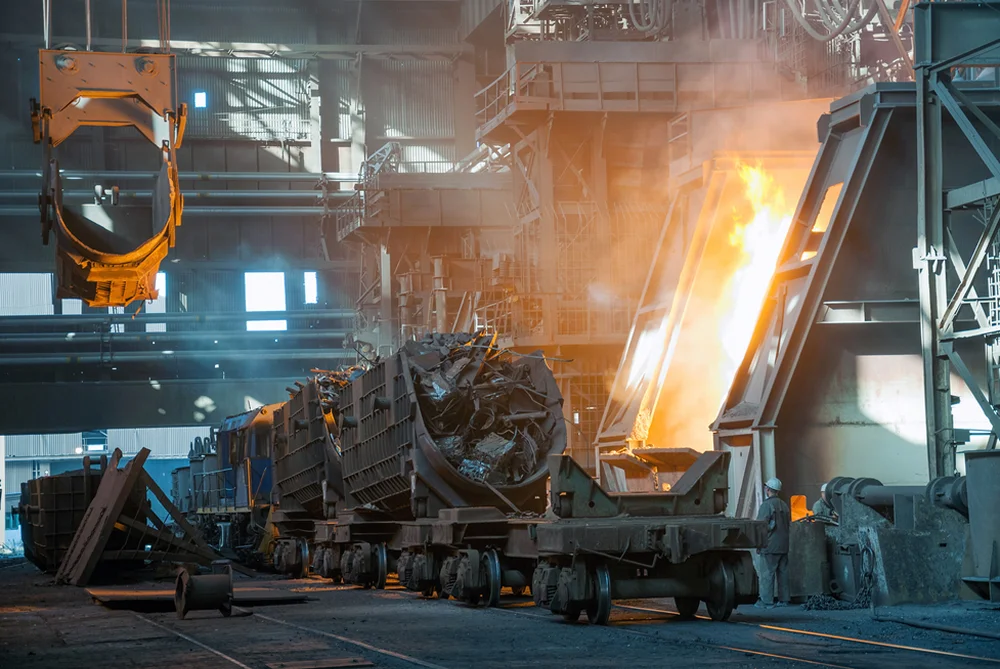
Steel is a highly traded commodity and one of the most recyclable materials. While the Blast Furnace (BF) – Basic Oxygen Furnace (BOF) pathway, which uses iron ore as a raw material, has been the most popular form of steel production in India, steel manufacturing utilising scrap is gaining traction due to the increased focus on resource efficiency and circularity. Secondary steel manufacturers who use the Electric Arc Furnace (EAF) will continue to play an important role in the coming days as an integral part of the steel ecosystem. The EAF method accounts for more than 60% of steel production in nations like the United States, Spain, and Mexico, while it accounts for more than 80% in Italy, Iran, and the Middle East.
When compared to the BOF route, the EAF route saves 16 percent to 17 percent of energy, 40 percent of water, and 58 percent of GHG emissions. According to the National Steel Policy, India’s steel production capacity would be increased to 300 MnTPA by 2030, with EAF contributing 35 percent to 40% of that capacity. The Indian government has taken a number of actions, such as enacting a car scrappage policy to make scrap available to the steel industry, as well as attempting to reduce the cost of electricity and implement scrap tax reform. These efforts will make a significant contribution to decarbonisation, resource efficiency, and circularity.
Many times, tax reform has emphasized a low tax rate, the adoption of information technology for compliance, and the expansion of the tax net. GST has been a huge step forward in this direction, as it has not only integrated indirect taxes, but it has also brought many taxpayers, who were previously part of the unorganized sector, into the tax net.
The scrap metal sector is largely unorganized. Scrap is subject to an 18% GST. Non-compliance with the correct invoice is a possibility, and the main result of such non-compliance is supply chain interruption. The drop in the GST rate (from 18 percent to 5%) will be a major motivation for scrap dealers to follow the laws. It’s worth noting that scrap isn’t the final product and is instead consumed by the steel sector, thus the rate cut is unlikely to result in a financial loss for the government. Furthermore, a low tax rate can broaden the tax base, increasing government revenue while simultaneously ensuring a steady supply of scrap to steelmakers and assisting them in meeting their resource stewardship and circularity goals.
Read More :
Steel paves the way for sustainable transportation solutions To promote future social and economic development, it is vital to develop sustainable mobility solutions, that is, transportation systems that are not only efficient but also environmentally benign, Read more about it.
by kalpataru | Mar 4, 2022 | Blog
Introduction
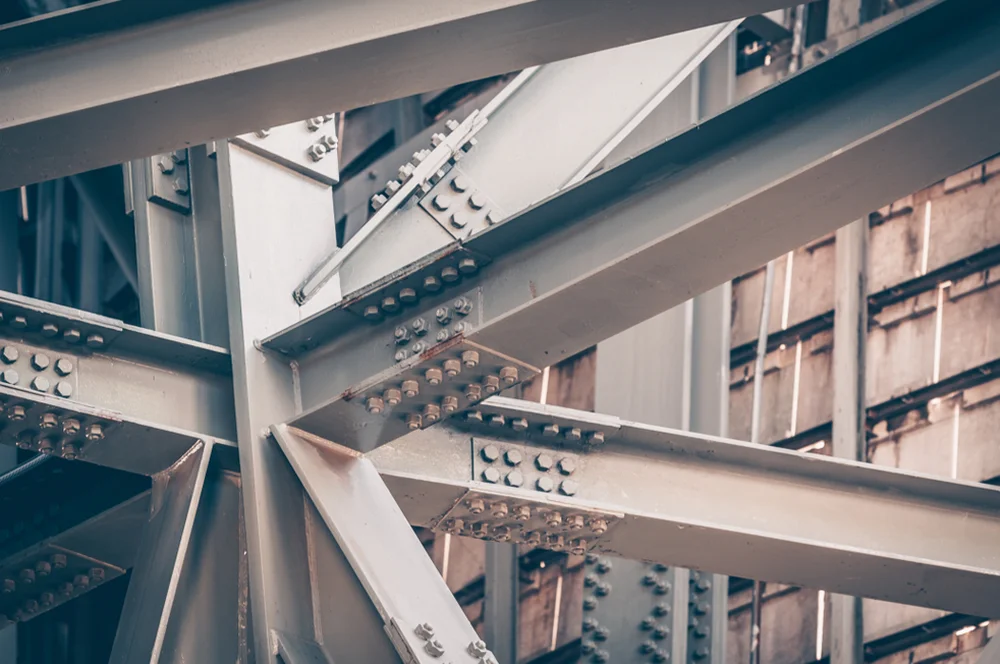
Steel is a metal that can be used in a variety of applications. Infrastructure, machinery, and appliances are the most typical uses for steel. Even those categories have a wide range of uses.
Steel has qualities that make it useful in a variety of applications. Strength, toughness, ductility, weldability, and durability are some of its characteristics. Steel compositions are virtually as diverse as its applications.
Here are some of the most surprising places you might discover steel.
IN ART
Steel has aesthetic aspects, and while it is most commonly employed for structural and reinforcement purposes, it is also used in contemporary artwork and sculptures. Many varieties of steel are easily recyclable, which is a feature that many artists seek in a material.
Steel is used by artists in a variety of ways. Some of the steel is retained in its original state, while others are repurposed. Many steel sculptures highlight its qualities in ways that the common person does not comprehend.
Steel is a difficult media to deal with, yet some artists seem to like the challenge.
IN CLOTHING
Metal isn’t a new addition to the fashion world. Gold and silver fibers have been utilized as yarns for fabric embellishment since ancient times. Stainless steel, nickel, titanium, copper, and aluminium are among the metals utilized in clothes today for a variety of applications.
Steel can also be found in garments for a variety of reasons, such as:
- Visual appearance
- Improved material strength
- Structural support
- Conductivity
- Thermal resistance
- Fastening
On a runway, steel is the most popular material used in apparel. Steel, on the other hand, is employed in professional apparel and equipment, as well as in some brands’ everyday things.
Stainless steel jewellery is becoming increasingly trendy, despite the fact that it isn’t strictly clothing. Surgical-grade stainless steel can be used to make several accessories, such as earrings, nose rings, and bracelets.
IN YOUR BODY
A plethora of new materials have been introduced to the business as a result of modern medical advances. Medical beds, stands, and appliances are all made of steel. While finding steel in a hospital isn’t unusual, most individuals don’t expect to find steel in their own body.
A medical professional may inject steel into your body if you:
- Receive a coronary stent after a heart attack
- Have dental braces
- Undergo surgery
Long-term medical devices contain some forms of steel, but you’re more likely to encounter steel in your body in another way. Steel is commonly used in surgical devices, such as scalpels and other equipment.
Medical tools are typically made of austenitic, martensitic, or ferritic stainless steel. High-strength equipment and medical utensils made of this type of stainless steel can be disinfected multiple times. Steel is a preferred material for metal applications because of its exceptional durability.
You shouldn’t be surprised to see steel in use next time you go to see art, shop for clothes, or go to the hospital. With advancements in a multitude of industries, a new and surprising application for steel is undoubtedly on the horizon.
Read More :
Steel in Construction: What It Is and Why It Is Important Know why and how steel construction is important ?
Stainless Steel vs Titanium Know basics and comparison between Stainless Steel and Titanium.
by kalpataru | Feb 10, 2022 | Blog
People and things must be able to move freely in our modern, globalised economy. However, the limited capacity of our planet’s resources and environment to handle the current rate of economic and population expansion has aroused growing worries. There is a valid concern today that global warming, climate change, and the depletion of nonrenewable energy supplies will eventually reach a point of no return.
To promote future social and economic development, it is vital to develop sustainable mobility solutions, that is, transportation systems that are not only efficient but also environmentally benign. Sustainable mobility solutions are based on a transportation framework that can fulfil a society’s mobility needs without harming the environment or future generations’ mobility needs.
Vehicles are the first point in the transportation supply chain where long-term changes can be made. It can be accomplished by reconsidering the energy intensity of operational vehicles as well as the carbon intensity of the fuels they use. There are numerous techniques to achieve this goal, including the use of lighter materials in car manufacture, more efficient engine technologies, and alternative fuels.
Steel is well-suited to creating sustainable transportation solutions in this context. It is revolutionising our mobility and commodities transportation by providing robust, durable, sustainable, and safe transportation options, as well as improving crash safety. It’s also lightweight, UV-resistant, cost-effective, and 100 percent recyclable.
Around 17% of all steel produced is utilised in public transportation today, whether in the shape of bicycles, motorcycles, buses, vehicles, trains, ships, or aeroplanes. Design and development of new high-strength steels have also played a crucial role in increasing the efficiency of many of these modes of transportation while significantly lowering greenhouse gas (GHG) emissions.
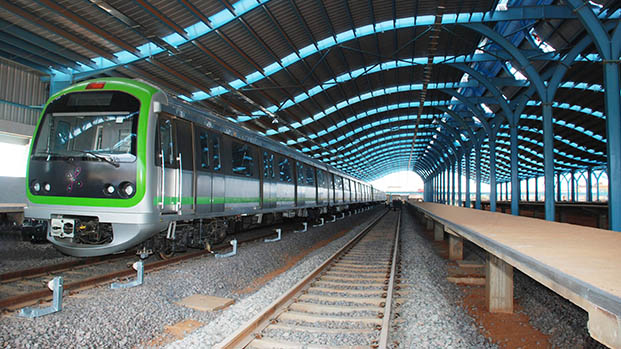
Steel is also required for efficient transportation infrastructure such as highways, bridges, ports, stations, airports, and fueling. Steel is used in a variety of transport applications, including ships and cargo containers, trains, planes, and metro coaches. It’s important to understand how steel and its applications in these numerous modes of modern transportation are making transportation more environmentally friendly and sustainable in the future.
Steel ships transport 90% of the world’s cargo. Steel is used in an estimated 17 million containers around the world. Modern shipbuilding steel plates have substantially higher tensile strengths than their predecessors, making them far more suitable for the efficient construction of huge container ships. Steel plates are now available that are intended to withstand corrosion, making them perfect for use in the construction of oil tankers. Such steel allows for significantly lighter vessels or bigger capacity vessels of the same weight, resulting in significant fuel savings and reduced greenhouse gas emissions.
Global sustainability necessitates energy-efficient transportation systems that contribute little to climate change while getting people and commodities where they want to go, when they want to go. Intermodal and urban rail transportation will play an increasingly important role in the future of sustainable transportation infrastructure, according to most experts. In the last couple decades, freight travel has nearly doubled.
Rail transportation (particularly electrified trains) emits less carbon dioxide and pollutes the environment less than other modes of mass transportation. Rail transit cuts travel times and carbon dioxide emissions per passenger kilometre far more than practically all other modes of transportation for short or medium-distance routes.
As a result, we require rail transportation systems that are both reliable and sustainable, as well as low-cost to install and operate. Steel is required in trains, rails, and infrastructure. Coaches, which include wheels, axles, bearings, and motors, are the principal steel components of trains. Steel is used almost extensively in freight waggons.
Read More :
Steel in Construction: What It Is and Why It Is Important Know why and how steel construction is important ?
Stainless Steel vs Titanium Know basics and comparison between Stainless Steel and Titanium.
by kalpataru | Feb 10, 2022 | Blog
The contrasts and benefits of Monel vs Inconel will be discussed in this blog.
Monel
Monel is a nickel-copper alloy that contains iron, manganese, and other compounds in addition to nickel (65-70%) and copper (20-29%).
Alloy 400, Alloy 401, Alloy R-405, Alloy 450, Alloy K-500, and Monel 404 Copper-Nickel Alloy are some of the commercial versions of Monel.
Overview
Monel alloys come in a variety of forms, starting with Monel 400, which comprises at least 63 percent nickel, between 29 and 34 percent copper, between 2 and 2.5 percent iron, and between 1.5 and 2 percent manganese. Monel 405 contains no more than 0.5 percent silicon, while Monel K-500 contains between 2.3 and 3.15 percent aluminium and 0.35 to 0.85 percent titanium. These and other varieties are prized for their resistance to acid and alkali attack, as well as their mechanical strength and ductility.
Monel 400 is made up of the same amount of nickel and copper as a naturally occurring nickel ore. It is extremely strong and can only be toughened by cold working. Monel 400 is commonly utilised in parts found in marine and chemical environments due to its resistance to deterioration. It is a very useful metal, but it is prohibitively expensive in most uses. Monel 400 is five to ten times more expensive than regular nickel or copper.
As a result, it is only employed when no other metal can perform the same function. Monel 400, for example, is one of the few alloys that retains its strength at sub-zero temperatures, hence it is employed in certain situations.
Characteristics of Monel
Corrosion resistance is excellent. Monel is a corrosion-resistant and rust-resistant metal. It’s corrosion and acid resistant, and some alloys can even sustain a fire in pure oxygen.
Steel-like in strength.
Malleable.
Low thermal expansion coefficient.
Alkali resistance is high.
Welding, brazing, and soldering are all options.
Market Applications
Valves, pumps, shafts, fittings, fasteners, and heat exchangers made of monel are utilised in maritime engineering, chemical, and hydrocarbon processing equipment. It can also be found in metal instruments and eyeglass frames.
Monel began to be phased out in the 1950s in favour of stainless steel, which could make the same shapes at a cheaper cost (due to the use of less nickel).
Inconel
Inconel is a nickel-chromium alloy with iron and molybdenum that comprises 50-72 percent nickel and 14-21 percent chromium. Inconel is a superalloy and an unique metal with a narrow range of applications. It has a number of qualities that make it an attractive metal. Inconel alloys are corrosion resistant, making them ideal for use in harsh settings. It can also endure high temperatures and is resistant to oxidation. Inconel produces a layer to shield the surface from heat and other damage when exposed to heat. Not only is it heat resistant, but it also keeps its strength when heated.
Overview
Inconel alloys come in a variety of forms, starting with Inconel 600, which contains at least 72 percent nickel, 14–17 percent chromium, 6–10 percent iron, and additional elements such as carbon, manganese, and silicon. Inconel 625 is a nickel-based alloy containing at least 58 percent nickel, 20-23 percent chromium, about 5% iron, 8-10 percent molybdenum, 3.15-4.15 percent niobium (with tantalum), and additional elements such as carbon, manganese, silicon, and others. Inconel 718 has 50-55 percent nickel (plus cobalt), 17-21 percent chromium, 4.75-5.50 percent niobium (plus tantalum), 2.80-3.30 percent molybdenum, and a minor amount of other chemical elements such as iron, cobalt, carbon, manganese, and silicon. All of these varieties are noted for their high strength, corrosion resistance, yield strength, tensile strength, and creep-rupture qualities, among other things.
Characteristics of Inconel
It is corrosion resistant, making it appropriate for use in some harsh settings.
It’s resistant to oxidation and can sustain high temperatures. Inconel produces a layer to shield the surface from heat and other damage when exposed to heat.
When heated, it keeps its strength.
It is pressure resistant, making it ideal for high-pressure applications.
Market Applications
Inconel alloys can be utilised for a wide range of applications, including seawater applications, thanks to all of these qualities. Inconel alloys have properties that make them ideal for propeller blades, submarine auxiliary propulsion motors, steal-line bellows, submarine rapid disconnect fittings, and other applications. In environmental control systems, it’s also employed in aircraft ducting systems, engine exhaust systems, hydraulic line tubing, and heat-exchanger tubing.
You can select between Inconel and Monel flanges depending on the type of project. Inconel flanges are used in harsh settings or when heat is applied, while Monel flanges are used in marine and chemical situations.
Read More :
Inconel 600 Bars: Everything You Need to Know Know everything you want to know about Inconel 600 Bars in depth
by kalpataru | Jan 3, 2022 | Blog, seamless and welded pipe
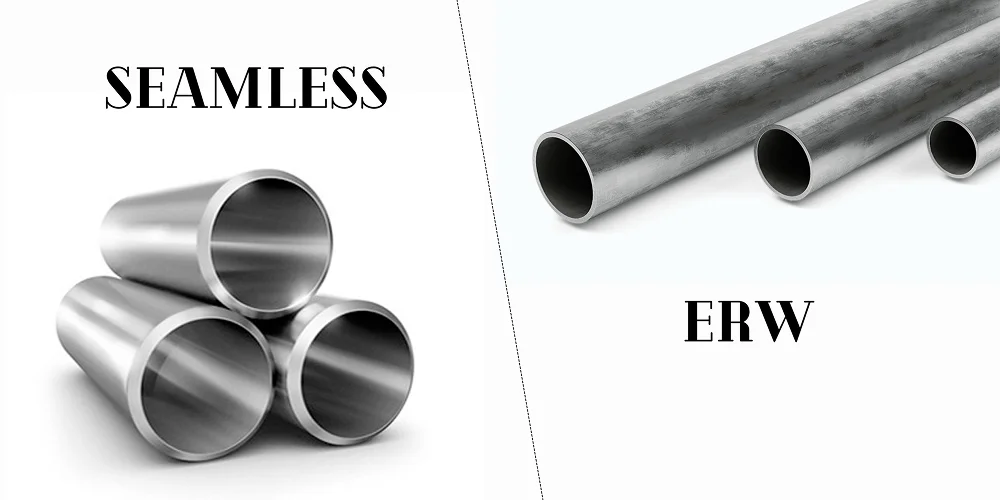
There are many ways in which you can fulfill your needs when it comes to piping and tubing. One of the most common methods is through the process known as welding. While this method might be easier for several reasons, what about those times when you need something seamless? With a bit of practice, you will eventually be able to tell the difference between seamless and welded pipes.
What is the Difference Between Seamless and Welded Pipe?
Welded Pipe is a pipe that has been joined together with a welding machine. This type of pipe is used for water, steam, and other similar liquids. Seamless Pipe is made up of multiple layers of metal sheets, or rings, which are then placed around a circular core. Seamless pipes are commonly used for heating and cooling water because they can be made to fit into most valves and fittings. Welded Pipe is typically constructed using a welding machine with two or three electrodes. The two or three electrodes are used to heat the pipe under pressure and melt the surfaces of the pipe together. Seamless Pipe, which is also referred to as cast iron pipe, is typically made by a process called casting that creates an outer layer on one side of the pipe. Seamless Pipe: Seamless pipe is usually used in industries where the pressure is above 500 psi and the temperature has to be between -20°F and 600°F. Fittings are included on the pipe ends that attach to a standard threaded connection. Welded Pipe: Welded pipe is used for most residential or low-pressure applications where the temperatures are below 600°F. The fittings required for this pipe are not included, so it must be connected with a threaded spigot or threaded tee fitting.
Common Aspects of Seamless Pipe
A seamless pipe is made of a single piece of metal formed into a tube that is then joined together by continuous welding. The process makes it possible for the pipe to be just as strong and durable as-welded piping, but without needing joints. Seamless pipes are also more cost-effective because they eliminate the need for fittings, which can add up to cost savings significantly. There are many similarities between seamless and welded pipes. They both have the same amount of thickness, weight, diameter, etc. The main difference is that seamless pipe is made up of small rings whereas welded pipe has a seam at the end of each ring. The seam causes minimal problems with leakage or cracking. Seamless pipe is normally made with pipes that have a single seam. One of the most common types of seamless piping is bar type and it has no internal reinforcement such as ribs. The interior surface of the pipe is smooth, which is why it must be welded. The welded pipe has ribbed interior surfaces that are reinforced by internal helixes and hook wires.
Common Aspects of Welded Pipe
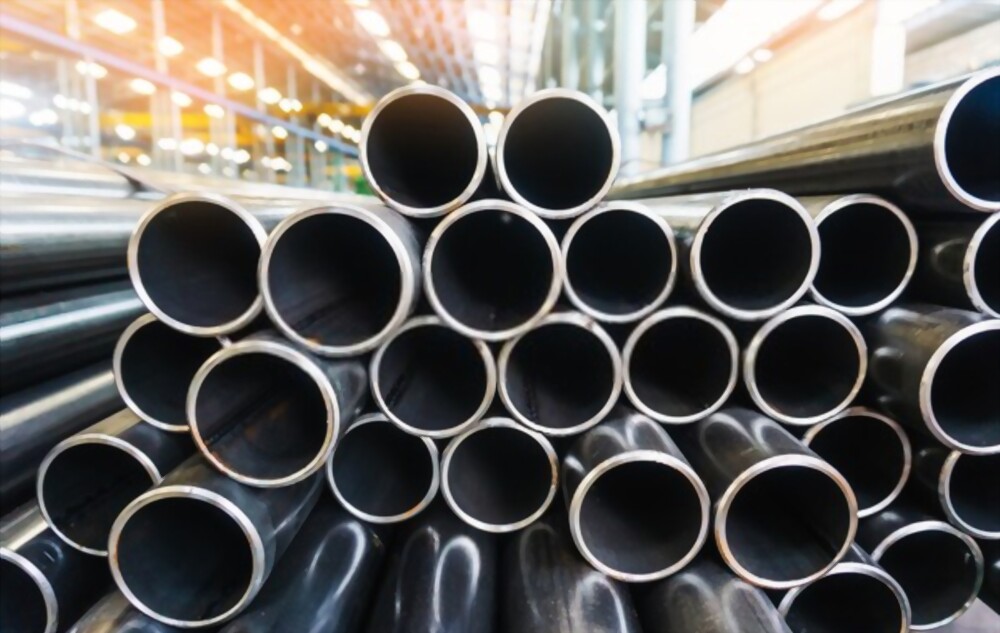
A typical seamless pipe, (also called welded pipe), is an industrial-grade pressure pipe in a variety of types, used in many different applications to transport products or fluids such as natural gas, oil, and water. Welded pipe is typically more durable than seamless pipe, due to the quality of the welding process. In addition, it also has better corrosion resistance and a longer lifespan. Welded pipe is the most common form of pipe used in construction. The welded pipe comes in one piece and has a smooth surface that can be made to look like anything from steel to plastic. The major difference between seamless and welded pipes is that welded pipes are made from one piece of metal, while seamless pipes are made from multiple pieces of metal connected with joints. Welded pipe is typically used in segments, with each segment welded to a previous one. Seamless pipe is usually made of two halves that are joined together without welds. This type of pipe has the advantage of having a smoother interior surface area and can be manufactured more easily than welded pipe.
Summary
A pipe is a hollow, cylindrical tube used in plumbing and water distribution. Piping systems can be designed with various materials including metal, plastic, and reinforced concrete. Pipes are classified according to the method of joining, which may be by welding, crimping, or soldering. One type of piping that is sometimes used in the water industry is welded pipe. The welded pipe has a seam on its exterior surface, which creates a joint that can increase the risk of leaks and corrosion. Seamless pipes are made from one piece through an interlocking process, so there is no seam on the outside of the pipe.
by kalpataru | Jan 3, 2022 | Blog
Introduction
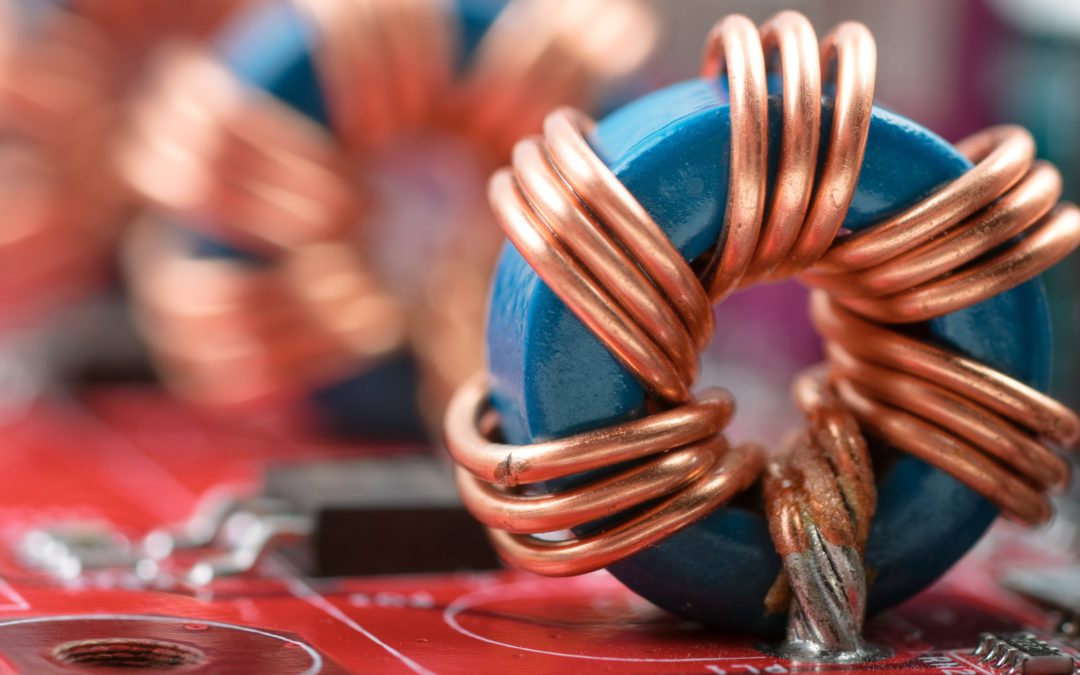
Beryllium copper is a type of metal that is used as a conductor in the electronics and telecommunication industries. In this blog article, find out how Beryllium Copper has become much more affordable and easier to use for these industries because of its increased use in solar panels, which is driving up demand for it.
What is Beryllium Copper?
Beryllium Copper is a metal that is used in the production of electronics, telecommunications, and aerospace. It has many uses in these industries that include using it as an electrical conductor, capacitor, and resistor. This metal is resistant to corrosion, radiation, heat, and electricity. Beryllium Copper is an alloy of copper and beryllium which is primarily used in the electronics and telecommunication industries. It has high conductivity and has the ability to withstand temperatures up to 2000 degrees Celsius. Beryllium Copper is a silver-white metal that is soft, ductile, and malleable. It has a high melting point, which makes it an excellent material for alloying with other metals to form specialized alloys. It also has the highest electrical conductivity of any metal at room temperature. Due to its high electrical conductivity, Beryllium Copper has been used in capacitors, making it one of the most important materials for electronic components.
Applications of Beryllium Copper in Electronics and Telecommunications
Beryllium Copper has been widely applied in the electronics and telecommunications industry for over a century. It has found its use as an electrical and thermal conductor, a dielectric, a metal for alloys, and in other applications. Beryllium Copper is also the most important alloying material used by the aerospace industry because of its ability to withstand intense heat and pressure. Beryllium copper alloys are not just preferred in aerospace but also in defence and security due to their chemical inertness and their toughness against wear. Beryllium copper is well-suited for use in high-temperature and corrosive environments because of its ability to withstand very high temperatures. It has a melting point of 3600 degrees Fahrenheit (1860 degrees Celsius). It is also resistant to strong acids and alkalis, making it a preferred material in the electronics industry. There are more than a dozen major applications of beryllium copper in the electronics and telecommunications industry. These applications cover the use of Beryllium Copper for electronic devices like those used in cell phones, tablets, computers, televisions, radios, automobiles, and many other electronics.
What Are The Benefits For The Industry?
In the electronics and telecommunications industry, the use of beryllium copper is increasing. It is a material that has many benefits for the industry, such as being corrosion resistant, having low electrical resistivity, and being lightweight. Because of these benefits, there is an increased demand for this metal in this industry. Beryllium copper is a special type of aluminium with a higher melting point. This metal has a very high resistance to oxidation, which means that it can be used in electronics and telecommunications equipment. These properties make it an ideal metal for use in products such as switches, coils, and electrical capacitors. The global demand for Beryllium Copper is expected to reach over 10 million tons by 2020. Beryllium copper has been in use for decades because of its resistance to corrosion, high thermal and electrical conductivity, and ability to withstand large amounts of current. It is also used in the military industry because it can resist explosions and be used in missile nose cones. Telecommunications companies can use Beryllium copper because it does not fade and will always stay the same colour.
Conclusion
The electronics and telecommunications industry is the largest consumer of beryllium copper. The industry uses beryllium copper for the production of semiconductors, cable assemblies, dielectrics, printed circuit boards, antennas, capacitors, and filters. The final point of this blog post is that beryllium copper is an important part of the electronics and telecommunications industry. It is a highly conductive material that is mixed with other metals and used as an electrode for electronics in applications such as solar panels, batteries, and capacitors.
kalpataru piping is a supplier of steel goods and excels in its services. For more information, you can visit our website and have a look at the other blog sections for your next business needs.