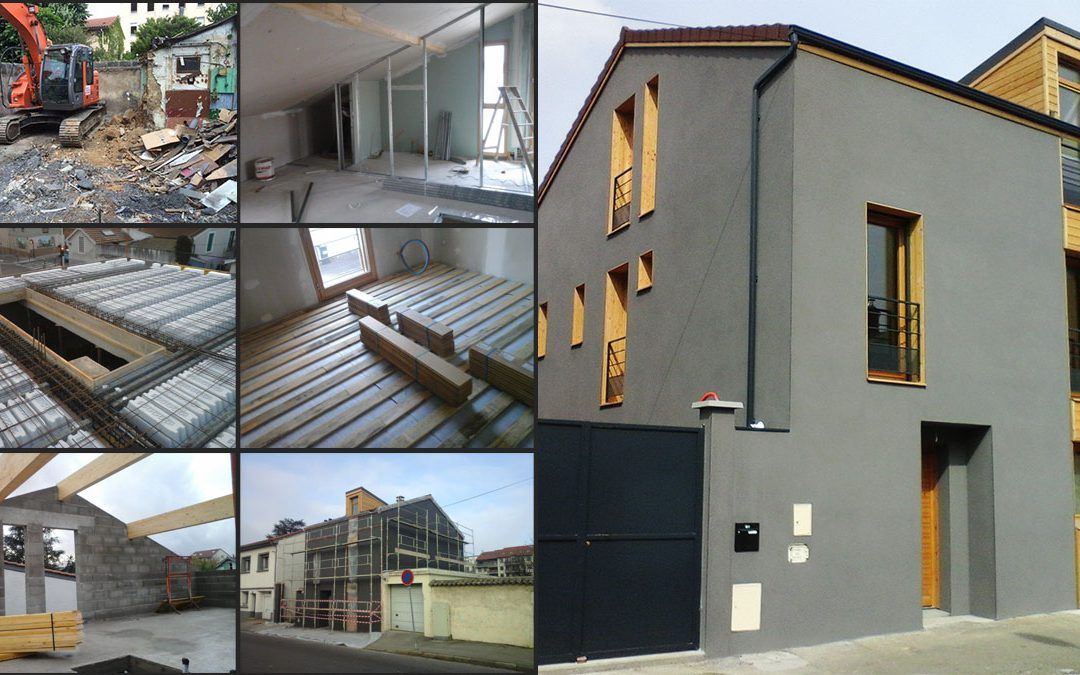
A house isn’t just a spot where we invested a large portion of the energy with family, gain experiences and unwind. It’s noteworthy speculation and a potential asset for future assets. It is a spot that you can call your roof, and that is a need on the off chance that there is danger outside. Be that as it may, for it to be maintainable, it must be made of the most hearty materials and with the best devices.
When hoping to construct your home, you have to employ the best group to embrace it. Ensure that they have all the most recent devices within reach to painstakingly deal with the development. A couple of them can be a waterjet slicing machine to definitely cut into solid materials, a safe concrete mixer, few utility drills to a great extent, and an estimating tape and chalk. In any case, the viewpoint that you have to settle on will be the determination of materials to maintain your home for it to be solid and of worth
Concrete
At the point when you need a choice that gets the job done both quality and cost-viability, cement can be your best decision to develop a house. Concrete is a blend of sand and stone that is joined with a blend of concrete and water to frame in moulds. This blend can be applied to steel poles and different materials to develop walls safely. Concrete is a material that, when consolidated reasonably with different components, makes for a durable development base and is likewise moderate. A pre-focused on cement can be a superior choice for a tough home. You can have your dividers and establishment of your home developed with this material.
Steel
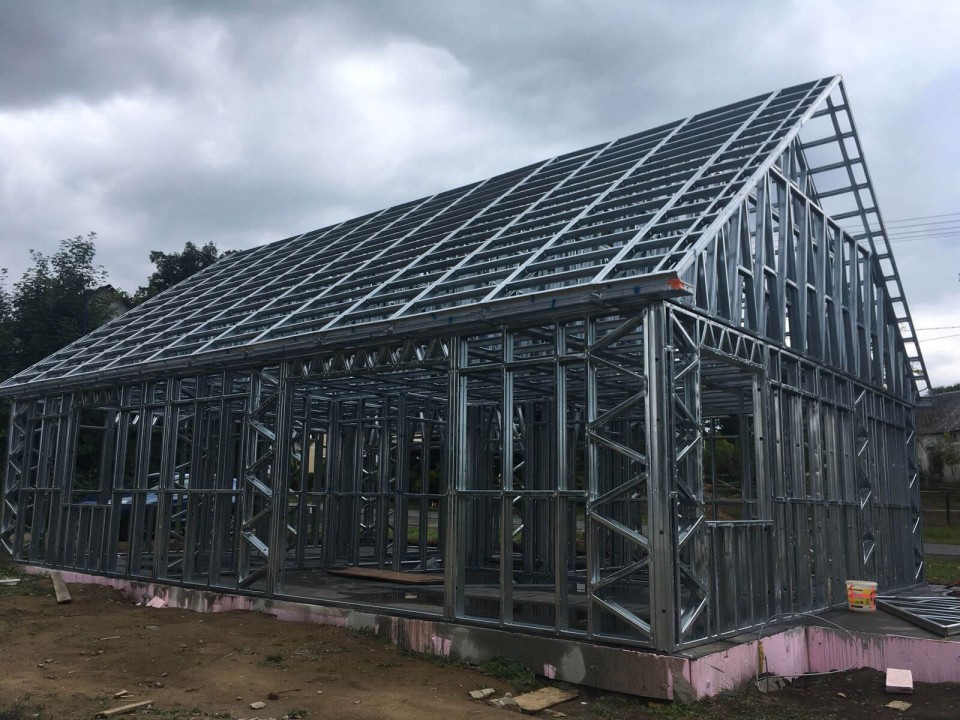
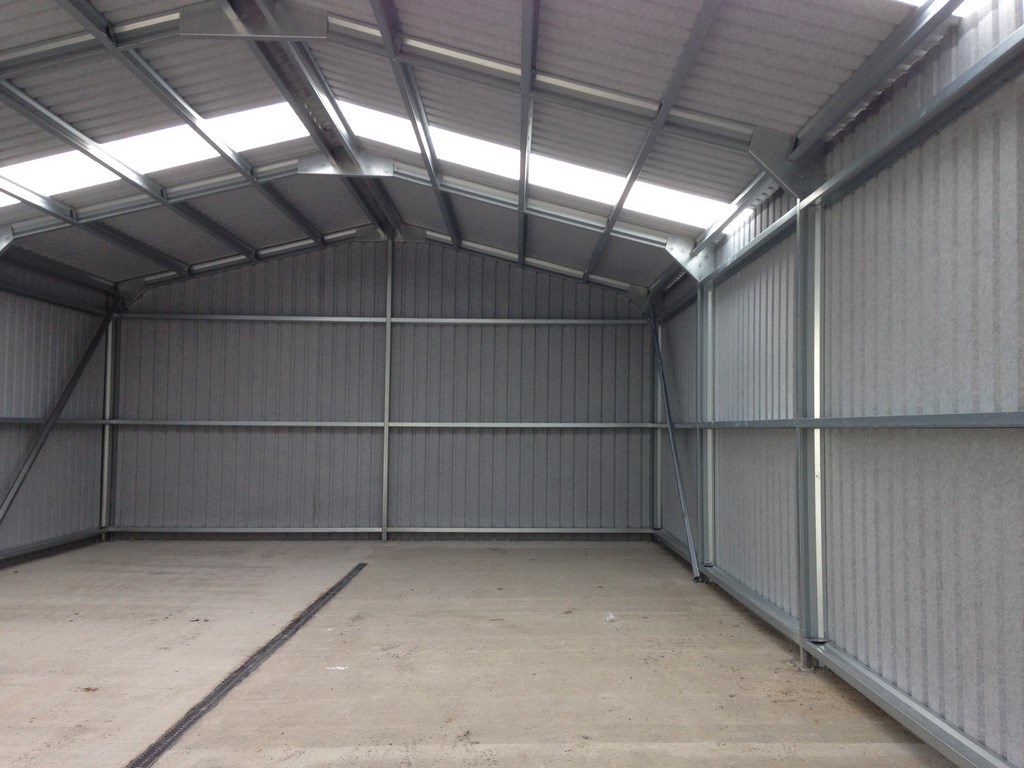
However, the strongest material to withstand any structure is steel. Not Only is steel the most strong yet it is additionally a naturally protected development material to use in any structure. It doesn’t jeopardize the air as cutting trees do and it is likewise a material that can be moulded and moved in any capacity for quicker development. A steel structure for your home can make it safe on the off chance that cataclysmic events strike. It can likewise be a source to spare vitality in your home as a Steel Structure is vitality effective. Its solitary con is that it very well may be somewhat overwhelming on your pocket. Reused metal is a durable material that doesn’t require visit substitution. It tends not to consume or twist, making it a feasible choice for material, basic backings and building façades. It’s additionally water and irritation safe.
Cork
Like bamboo, cork is a quickly developing asset. It acquires extra focus for its capacity to be collected from a living tree that will proceed to develop and duplicate cork, which is a tree husk. Cork is adaptable and flexible, returning to its unique shape subsequent to continuing weight. Its strength and protection from wear make it a typical component in floor tiles. Its commotion retention capacities likewise make it ideal for protection sheets, and its stun assimilation characteristics make it appropriate for sub-flooring. Whenever left uncoated, cork is normally heatproof and it doesn’t discharge harmful gases when it burns. This additionally makes Cork a decent thermal insulator. Cork is about impermeable so it doesn’t retain water or spoil. After some time, in any case, it becomes progressively fragile. Cork loses a couple of manageability focuses on the grounds that it is fundamentally found in the Mediterranean, and transportation cost winds up being an extensive factor. Be that as it may, it additionally is very light so it requires less vitality to send, along these lines rescuing its encapsulated vitality score.
Brick
Warmed bricks can compensate for a strong structure material for your house. That which used to be an old structure technique can give your home a steady structure while giving it a vintage look. Brick has been embedded into structures before and as we see them remaining to date, this material is intended to be intense for your home. Be that as it may, they need a solid base to maintain them to make them safe in brutal climate conditions.
Wood
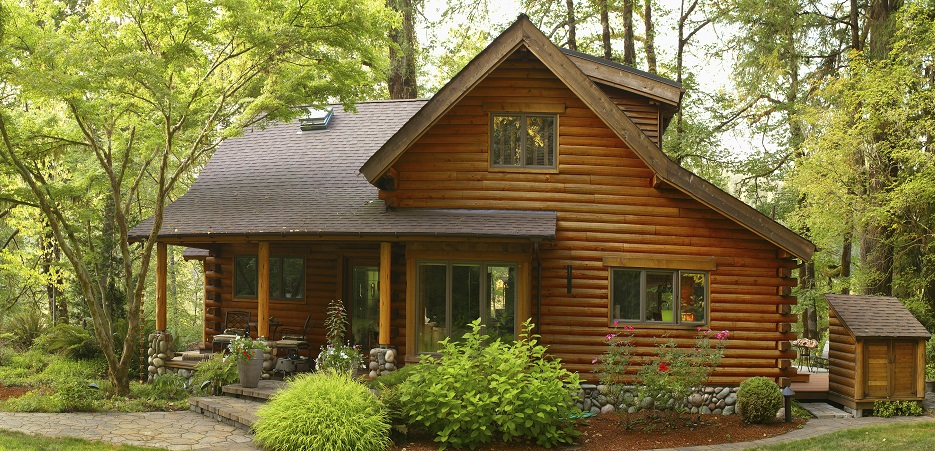
This material is broadly utilized inside homes however less outwardly. It tends to be because of its characteristic of absorbing dampness and inclination to harm with bugs or fire. However, it very well may be a sturdy material once it is absorbed by synthetic compounds that secure it. You can have wood used to build your home by having it kept up and away from hurting substances. It can make for a comfortable looking home and includes a decent warm inclination. Your crawl space can be made of wood to save money on costs. This material is additionally simple to cut and spot. Recovered wood can be utilized for plenty of building purposes, including basic encircling, ground surface, siding and cabinetry. Thickness fluctuates by the sort of wood and some phenomenal better after some time. In any case, most wood is helpless to creepy crawlies and degradation, fortifying the need to altogether investigate each recovered piece.
Building a workshop can be a remunerative endeavor. Regardless of whether it’s to get by or only for the motivation behind seeking after a diversion, having a workshop that can satisfactorily fulfill the needs of your activities is critical.
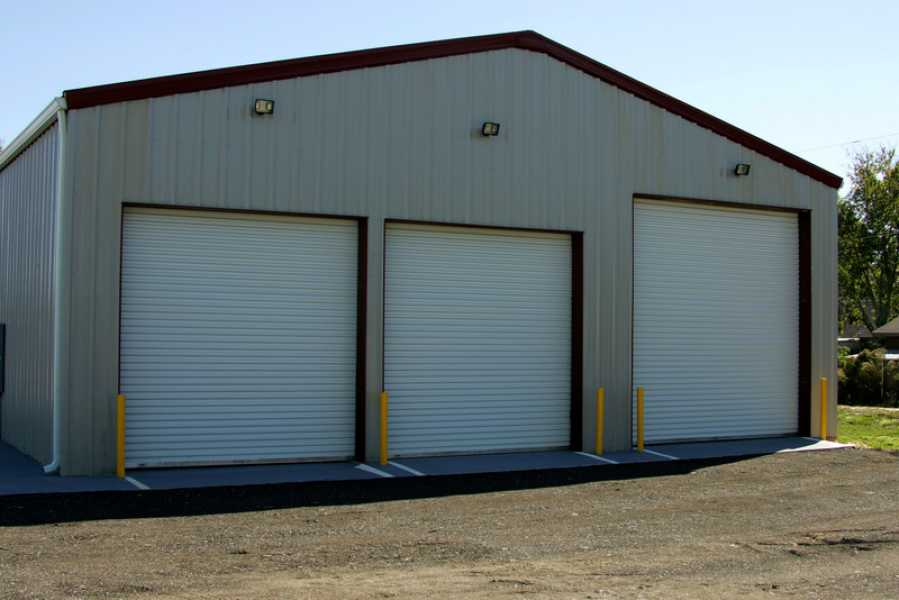
Notwithstanding the idea of the work you are doing, a steel building is the perfect decision for building a workshop because of its quality, strength, adaptability, and customization choices. Adaptable commonly, steel structures are appropriate for a wide range of sorts of workshops. Here are a couple of the most well known. Kalpataru Piping takes care of all your stainless steel needs.
Mechanical
A mechanical workshop requires sufficient space, yet additionally legitimate capacity. Steel structures are intended to augment inside space, permitting you to house vehicles, yet in addition include some of extra stockpiling segments: lofts, cupboards, racks, and the sky’s the limit from there. Besides, quality and climate opposition make steel structures ideal for ensuring your instruments, hardware, vehicles, and other significant things.
Carpentry
For carpentry auteurs, assembling a workshop in a home carport doesn’t give the space or highlights required. Stainless Steel composition structures are a superior choice for an assortment of reasons. Right off the bat, having a different space away from the house kills the commotion made by saws, hammers, and different apparatuses. Likewise, in light of the fact that steel structures take into consideration, an assortment of ventilation choices, sawdust, and different particles are appropriately ventilated and don’t unfavorably influence indoor air quality. Maybe the best part is that having a committed space for your carpentry side interest implies that your apparatuses and hardware can stay available and in a similar spot all year.
Welding
Ideal for putting away your hardware and apparatuses, Stainless steel composition structures are an incredible decision for building a workshop for welding. Critically, the structures are fireproof and can be effectively ventilated, so you don’t need to stress over flames or poisonous exhaust. Moreover, stainless steel alloy structures can be protected so as to guarantee an atmosphere controlled space that gives a happy workplace, all year.
Security
Steel is an extremely solid material. Subsequently, steel structures are secure, something that is clearly alluring in a structure lodging costly gear. By consolidating the versatility of the steel structure with fortified entryways and windows, you will have an amazingly secure capacity and workspace.
Faster construction
Time is cash. Setting up another workshop may be important, however, it additionally implies a specific measure of vacation while you develop the workshop itself, move the hardware in, lastly show the staff where everything is and help them to remember any pertinent new wellbeing and security contemplations.
The parts expected to develop a steel building are cut heretofore and getting together is just an instance of combining these parts – this is the most significant part for you, so make a point to do it right. Despite the fact that gathering is a brisk activity, ensuring the structure is solid and fundamental. For individuals who are stressed over their structure, it may be astute to utilize an organization, for example, Armstrong Steel as they give a lifetime guarantee on their latches.
Steel structures are the ideal material for developing a workshop. They are the ideal blend of modest, dependable, and are easy to raise. Kalpataru piping has got you covered.
Flexibility
Steel structures can be utilized for an assortment of purposes, implying that you can use the space inside for various things. You can likewise utilize it for capacity; once more, the security offered by steel structures makes them appropriate for this.
Many steel structures offer a level of seclusion. This implies once the space inside has been filled or your necessities move, you can change the structure generally inexpensively and effectively repurpose the accessible space.
This makes steel structures the best alternative for smaller organizations that are hoping to grow later. Not exclusively are steel structures incredibly valuable; when you factor in the capacity to effectively and economically adjust them, they are an exceptionally alluring venture.
As your business develops and its necessities change, you can alter your steel workshop to house more up to date and greater gear, just as putting away the completed items. You could even include a segment for amassing the parts that are delivered or a region to set them up for conveyance.
Lightweight
Numerous individuals don’t understand exactly how light stainless steel alloy is, yet when its quality is figured in you understand that it utilizes its weight proficiently. As a material that is lightweight and solid, stainless steel 304 is impeccably appropriate for structures like workshops. Stainless Steel 304 isn’t just simpler to work with than wood yet its low weight makes it simpler and less expensive to move to where it’s required.
Summing it up, Long haul sturdiness and security, making it wise speculation while likewise ensuring all apparatuses and hardware. Warm effectiveness, which permits you to get a good deal on vitality charges and have an agreeable workspace paying little mind to the season. Capacity to include custom electrical work that meets the necessities of your activities. A large number of customization alternatives, so you can make the workshop your own
Alloy Steel :Alloy steel is a kind of steel that has nearness of certain different components separated from iron and carbon. Ordinarily included components in alloy steel are manganese, silicon, boron, chromium, vanadium and nickel. The amount of these metals in alloy steel is fundamentally reliant upon the utilization of such steel. Normally alloy steel is made to get wanted physical qualities in the steel. The following is a range of improved properties in alloy steels (as compared to carbon steels): strength, hardness, toughness, wear resistance, corrosion resistance, hardenability, and hot hardness. To achieve some of these improved properties the metal may require heat treating. Carbon Steel :Carbon steel is otherwise called plain steel and is an alloy of steel where carbon is the primary constituent and no base level of other alloying components is referenced. Carbon steel isn’t stainless steel as it is arranged under alloy steels. As the name infers, carbon content is expanded in the steel making it harder and more grounded through use of warmth application. Be that as it may, expansion of carbon makes the steel less ductile. The weldability of carbon steel is low and higher carbon content additionally brings down the dissolving purpose of the alloy. Of all steel utilized in the US, 85% is carbon steel.Types of Alloy Steel – 1. Low-alloy steel :Among alloy steels, when nickel, chromium, and molybdenum and other alloy components content consist of less than 10.5% are characterized as low alloy steels. Low alloy steels are on the whole weldable, however, for certain steels pre-or post-weld heat treatment is fundamental so as to dodge weld zone splitting. For some, low-alloy steel, the essential capacity of the alloying components is to expand hardenability so as to improve mechanical properties and strength after heat treatment2. High-strength low alloy (HSLA) steel : High-strength low-alloy (HSLA) steel is a kind of combination steel that gives better mechanical properties or more prominent protection from consumption than carbon steel. HSLA steel varies from other steel in that they are not made to meet a particular chemical structure yet rather explicit mechanical properties. They have a carbon content between 0.05–0.25% to hold formability and weldability. Of the alloying components is to build hardenability so as to streamline mechanical properties and toughness after heat treatment3. High-alloy steel : High Alloy Steel is basically an alloy of iron which comprises Chromium of 10.5%. High combination steel similarly has over 10% blend of the alloy. Chromium conveys a flimsy layer of oxide on the outside of the steel known as the latent layer. They are dab exorbitant than low-alloy steel. This keeps any further utilization of the surface. Elevated levels of carbon and manganese are added to give austenitic nature to steel. Growing the proportion of Chromium gives an extended assurance from disintegration. Because of the high chromium content, high-alloy steel can restrict utilization. High-combination steel furthermore contains moving proportions of Silicon, Manganese, and Carbon.Types of Carbon Steel –
low-carbon steel :
Low-carbon steel is characterized by a low ratio of carbon to iron. By definition, low-carbon consists of less than 0.30% of carbon. Also associated as mild steel. Low carbon steels are usually used in automobile body segments, structural shapes (I-beams, channel and angle iron), pipes, construction and bridge components, and food cans. Low-carbon steel is more flexible, which may increase its effectiveness for certain purposes while reducing its effectiveness for other applications.2. Medium-carbon steel : Medium-carbon steel has a higher proportion of carbon to iron than low-carbon steel yet at the same time not as much as that of high-carbon steel. Medium-carbon steel contains somewhere in the range of 0.30% to 0.60% carbon. This product is further restricted than low carbon steel, and it is increasingly hard to frame, weld, and cut. Medium carbon steel is frequently solidified and tempered utilizing heat treatment.3. High-carbon steel : High-carbon steel has the highest ratio of carbon to iron. It consists of more than 0.60% carbon. Generally known as “carbon tool steel”. High carbon steel is very tricky to cut, bend, and weld. Once the heat is treated it becomes remarkably hard and brittle.Applications/Uses of Alloy Steel –
High-temperature services such as Heater tubes, Alloy Steel Boiler Tubes
Low-temperature services such as Cryogenic application
Very High presser service such as Steam Header
Used in the construction of aircraft and heavy vehicles for crankshafts, camshafts and propellor shafts, etc.
They are found in military vehicles, construction equipment, ships, pipelines, pressure vessels, oil drilling platforms and in structural components,automotive applications, chemical processing and power generating equipment. Construction and architecture where strength, toughness and corrosion resistance are a prerequisite for the material. Jewellery, household items, cutlery, cook wear are all manufactured from alloy steel.Applications/ Uses of Carbon Steel – Shipbuilding, wire, vehicle bodies and domestic appliances. It’s widely used for fabrication and panelling because it can’t be altered by heat treatmentCarbon steel is commonly used structurally in buildings and bridges, axles, gears, shafts, rails, pipelines and couplings, cars, fridges and washing machines. The disadvantage of high-carbon steel is that it is more expensive and harder to machine than alloys with less carbon.Kalpataru Piping Solutions is a leading manufacturer and exporter stockist supplier of Alloy Steel Products & Carbon Steel Products
The material we know as stainless steel is such a typical component of 21stcentury living that there can be not many of us who have not seen or taken care of articles produced using it. Be that as it may, what a number of us truly realize what treated steel is?
A VERY UNIQUE TYPE OF STEEL
As a wide range of steel, stainless steel alloy is definitely not a solitary metal yet a composite that is a material produced using at least two separate components alloyed or “dissolved” together. What all prepare share for all intents and purposes is that their major “fixing” (alloying component) is the metal iron, to which a limited quantity of carbon has been included. Treated steel was developed right off the bat in the twentieth century when it was found that a specific measure of the metal chromium added to standard steel gave it a splendid sparkling gleam and made it profoundly impervious to discoloring and rusting. This rust-opposing property which we call “consumption obstruction” is the thing that separates hardened steel from most different types of steel. There are various sorts of stainless steel with stainless steel grades and stainless steel composition
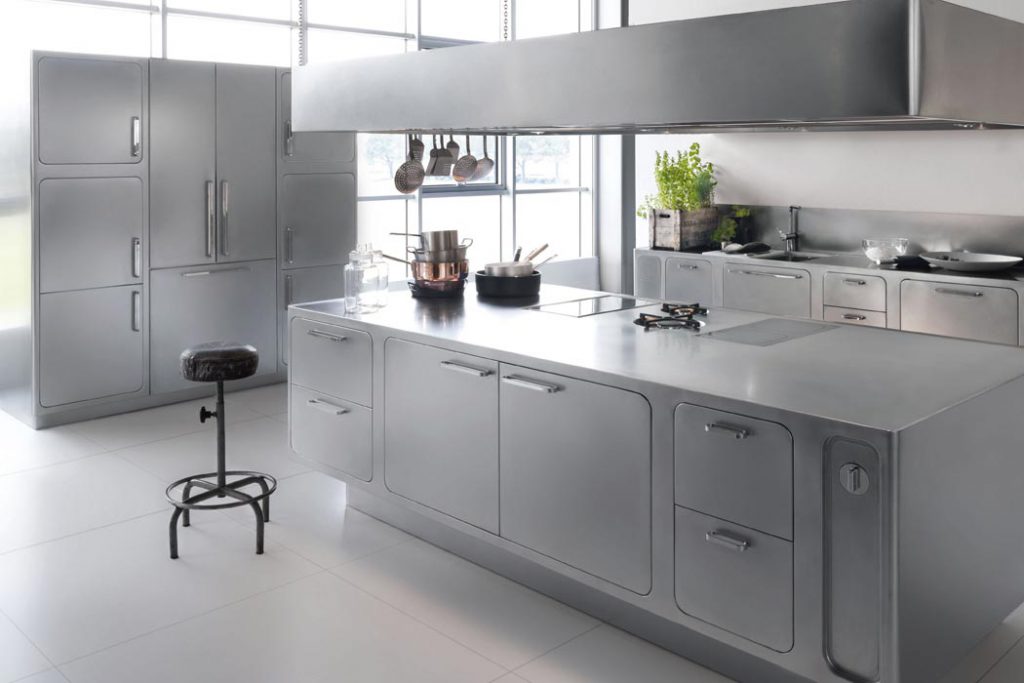
Stainless steel’s protection from erosion and recoloring alongside its low support prerequisites make it a perfect base material for a large group of business applications. It is broadly utilized in assembling and development where there will be an introduction to water, dampness, (air conditions), or waterfront components. It has likewise become a mainstream plan component, because of it’s cleaned intelligent appearance, and can be considered used to be such applications as balustrading, figures, building halls, current/adapted furnishings and machines.
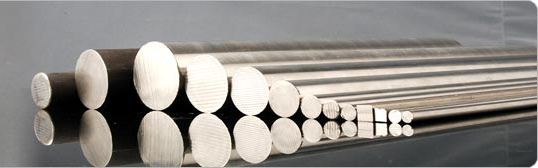
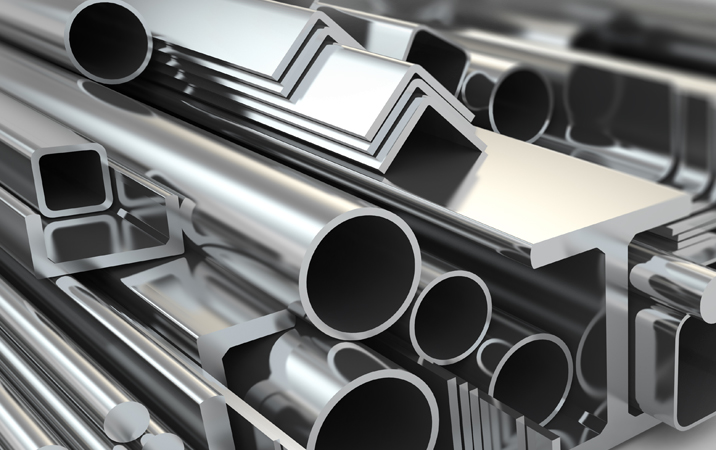
Stainless Steel Alloy is an expansive term utilized for preparations containing at least 10.5% chromium. These preparations display different degrees of erosion opposition; their different properties can be controlled by the expansion of nickel, molybdenum, titanium, niobium, and different components, for example, carbon and nitrogen. They achieve their impeccable attributes in light of the character development of an imperceptible and disciple chromium-rich oxide surface film. This oxide builds up on a superficial level and mends itself within the sight of oxygen. There are 5 fundamental kinds of treated steel: Austenitic, Martensitic, Ferritic, Duplex, and Precipitation Hardening. 80% of all stainless steel latches are created in Austenitic evaluations. Kalpataru Piping Solutions is a leading manufacturer and exporter stockist supplier of stainless steel, mild steel, and alloy steel items.
NOTA COATING
Appreciate that stainless steel is a strong material and not an uncommon covering applied to normal steel to give it “impeccable” properties. Ordinary prepares and, without a doubt, a few different metals, are frequently covered or “plated” with white metals, for example, chromium, nickel, or zinc to ensure their surfaces or to give other surface qualities. While such coatings have their own advantages and are still broadly utilized, the peril exists that the covering can be infiltrated or harmed here and there, with the end goal that its defensive impact is undermined.
The presence of stainless steel can, notwithstanding, shift and will rely upon the manner in which it is made and wrapped up.
It is, obviously, the rust-opposing trademark that gives stainless steel its name. In any case, not long after its disclosure, it was understood that the material had a lot of progressively significant stainless steel properties which make it appropriate for a huge scope of different employments. Actually, the number of employments to which stainless steel can be put are practically boundless, a point which can be shown with only a couple of models
In-Home:
Cutlery, dishes and other flatware
Kitchen sinks
Container and cookware
Broilers and grills
Nursery hardware and furniture
In-Town:
Transport covers, payphones, and other road furniture
Building veneers
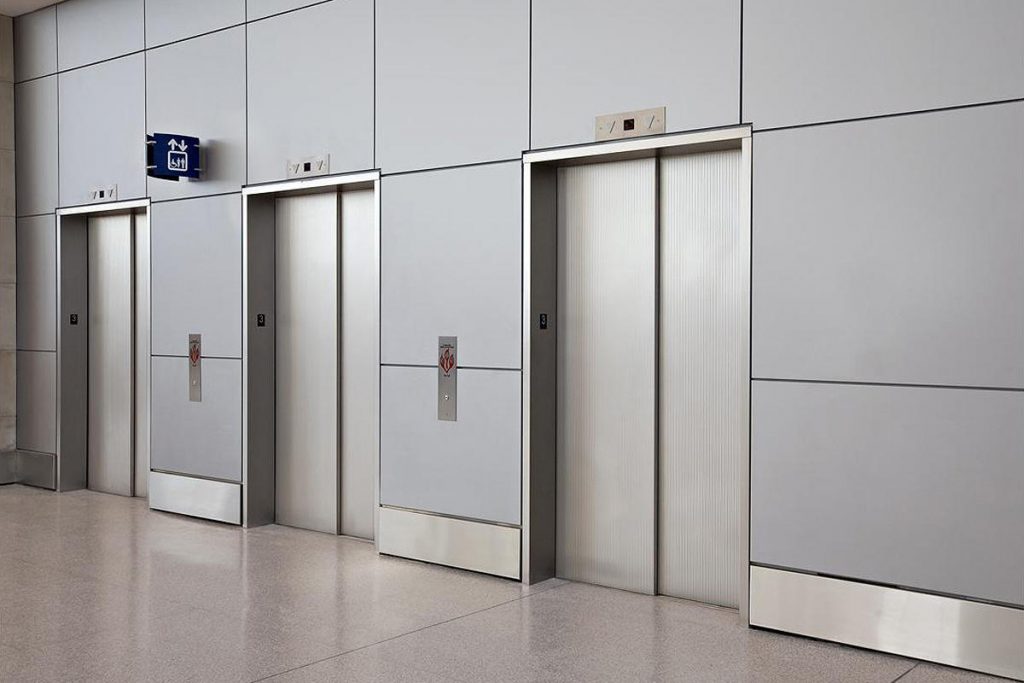
Lifts and elevators
Tram prepares and station foundation
In Industry:
Gear for the assembling of nourishment items and pharmaceuticals
Plant for the treatment of consumable and wastewater
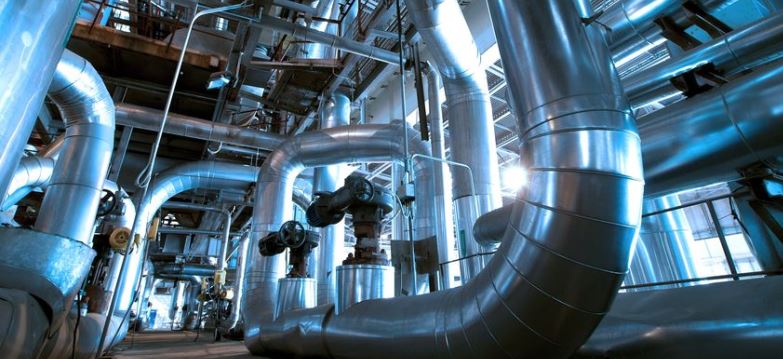
Synthetic and petro-concoction plant
Segments for car and air motors
Fuel and synthetic tankers
THE STAINLESS STEEL FAMILIES
While the first type of stainless steel, (iron with around 12% Chromium) is still in far-reaching use, builds currently have a wide decision of various sorts (grades). Taking all things together, there are in excess of 100 unique evaluations yet these are generally sub-arranged into unmistakable metallurgical families, for example, the austenitic, ferritic, martensitic, and duplex families.
There are various sorts of stainless steel with stainless steel grades and stainless steel composition The extents of iron to chromium might be changed and different components, for example, nickel, molybdenum, manganese, and nitrogen might be added to enlarge the scope of abilities. Every specific evaluation of hardened steel has its own one of a kind mechanical and physical properties and will, as a rule, be delivered as per a built-up national or universal determination or standard. Kalpataru Piping Solutions has got your stainless steel needs covered.
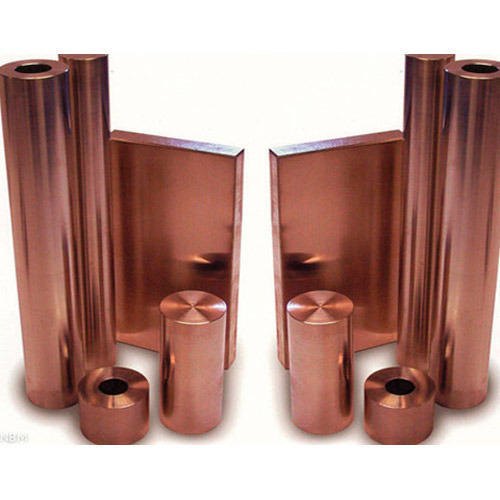
BERYLLIUM IS A MATERIAL LIKE NO OTHER. From a structure point of view, no other material has its mix of physical and mechanical qualities that are so appropriate to explicit requesting applications. Notwithstanding, these equivalent beryllium copper properties can make machining troublesome. Ninety-eight-percent unadulterated beryllium is costly, selling from $600 to $800 per pound preceding machining, so shops must comprehend its machining characteristics to abstain from scratching continuously costly parts. Likewise, airborne beryllium particulates are dangerous expecting shops to follow stringent wellbeing insurances for safe machining.
Beryllium metal is very hardened and lightweight and has a modulus of versatility right around 50 percent more prominent than that of steel with just around one-fourth of the weight. Beryllium, with a rigidity about a large portion of that of composite steels, won’t take as much burden, yet with a higher modulus of versatility, it won’t avoid as much under a given burden, says, a previous procedure and applications engineer. and now an advisor. High firmness and lightweight mean precise situating of top of the line instruments and optical gear and the capacity to withstand high anxieties, for example, those experienced during shuttle liftoff and in military applications. Beryllium has great warm qualities and is nonmagnetic. Since it is straightforward to X-rays, ultra-slight Beryllium Foilis utilized in X-rays lithography for the propagation of microminiature coordinated circuits, and the material is utilized for all intents and purposes of all X-ray generators. Beryllium is utilized in atomic reactors as a reflector or mediator since it has a low warm neutron assimilation cross area.
Beryllium parts are firmly toleranced and intensely machined. Ordinarily, 90 percent of beryllium stock is machined away during creation. Despite the fact that extraordinary, for instance, a 44-pound part may come about because of machining a 600-pound beryllium billet. In view of the significant expense of beryllium, makers, for example, Brush Wellman are dealing with projects to deliver close net-shape stock to diminish transporting costs and machining prerequisites.
Beryllium isn’t pliable. This adds to its solidness and steadiness and means it tends to be machined precisely. Be that as it may, it likewise has attributes that make it like powdered metal or sintered parts, and it cracks effectively if not machined appropriately. In spite of the fact that it is moderately delicate, beryllium is grating and hard on apparatuses. Great carbide instruments are required to machine this material. Shaper life is around 10 percent when cutting aluminum. By and large, a Grade 2 general purpose carbide for cast iron and nonferrous materials is ideal. Devices must be kept sharp in light of the fact that dull apparatuses make surface burdens and splitting that makes it hard to look after resistance. Device coatings are as a rule of little advantage since they focus on because of the abrasiveness of beryllium. Additionally, a few shops report that the carbide substrate of some covered apparatuses may not be of top quality, so once the covering is gone the instruments rapidly fall flat.
Stringent procedure controls are required with beryllium. A general dependable guideline is that adequate resistances on all parts of handling unadulterated beryllium are about a large portion of those required with other materials, Beryllium is machined by all normal metalworking forms; in any case, tapping can be troublesome in view of the high surface anxieties included and the absence of pliability of the material. On the off chance that the machinability factor of free-machining steel is evaluated at 100 percent, the machinability factor or beryllium is 55 percent. Utilizing a similar examination, titanium and its amalgams go from 18 to 38 percent and aluminum and metal are 120 to 200 percent. Pounding isn’t commonly used to expel a lot of beryllium, and as a rule, is held for close-resistance work and to deliver fine surface completions.
Cutting beryllium produces surface microcracks, called twinning, which stretch out to around 10 percent of the profundity of cut. Surface harm can be forestalled by appropriate machining methods followed by pressure alleviation heat treatment or compound carving to expel harmed surfaces.
To limit stresses, the profundity of cuts ought to dynamically diminish by around 50 percent from the past cut. For instance, a regular machining succession may incorporate an underlying unpleasant slice to evacuate about 0.050 in. of material, trailed by a 1,425° F warm pressure alleviation. A semi completing cut would then expel about 0.030 in. of stock followed by another, that expels about 0.010 to 0.015 in of material.- A completing cut evacuates the last 0.005 in. of material. Since beryllium is fragile, amazingly indent delicate and can be harmed effectively by inappropriate taking care of, tooling installations and adornments must limit bowing powers and resultant redirections or vibrations from apparatus pressures. Delicate jawed hurls with huge contact territories are ideal. b
In situations like oil apparatuses and coal mine shafts, a solitary flash can be sufficient to imperil lives and resources. This is one circumstance where Beryllium Coppercomposition and beryllium copper density being non-starting and non-attractive can really be a real existence sparing quality. Apparatuses like wrenches, screwdrivers, and sled utilized on oil apparatuses and coal mineshafts have the letters BeCu on them, demonstrating they are made of Beryllium Copper and safe to use in those situations.
As opposed to being a famous material for non-starting apparatuses, Copper Beryllium is additionally used to make proficient instruments. The two tambourines and triangles are generally made of Copper Beryllium. These percussion instruments discharge steady tone and reverberation when made with Copper Beryllium, making it a famous material in the top of the line, excellent percussion instruments.
Beryllium Copper and Various Temperatures
BeCu holds its quality and warm conductivity at low temperatures. Accordingly, it’s utilized in cryogenic gear. On the other hand, Beryllium Copper is utilized in valve seats and aides in superior, four-stroke motors with covered titanium valves because of its capacity to disseminate heat from the valve quicker than powdered steel or iron. As should be obvious, Beryllium Copper’s attributes make it the perfect material for an assortment of businesses and applications. Kalpataru piping can help you with all your metal needs.
HASTELLOY C276 is a Nickel-chromium-molybdenum wrought alloy that is considered the most versatile corrosion resistant alloy available. HASTELLOY C-276 is an alloy with universal corrosion resistance unmatched by any other alloy. The high nickel and molybdenum contents make the nickel steel alloy especially resistant to pitting and crevice corrosion in reducing environments while chromium conveys resistance to oxidizing media. This alloy is malleable/ductile, simple to shape and weld, and has uncommon protection from stress consumption breaking in chloride-bearing arrangements (a type of degradation to which the austenitic stainless steels are inclined). With its high chromium and molybdenum substance, it can withstand both oxidizing and non-oxidizing acids and shows exceptional protection from pitting and crevice attack within the sight of chlorides and different halides. Moreover, it is very resistant to sulfide stress breaking and stress consumption splitting in sour, oilfield conditions. Hastelloy C-276 is widely used in the most severe environments such as chemical processing, pollution control, pulp, and paper production, industrial and municipal waste treatment, and recovery of sour natural gas. It was widely accepted in the chemical process and associated industries, and now has a 50-year-old track record of proven performance in a vast number of corrosive chemicals. KalpataruPiping Solutions is one of the leading supplier & Exporter of Hastelloy C276 products
Characteristics of Hastelloy C276
Excellent corrosion resistance in reducing environments.
Exceptional resistance to strong solutions of oxidizing salts, such as ferric and cupric chlorides.
The high nickel and molybdenum substance giving great consumption obstruction in diminishing environments
Low carbon content which limits grain-limit carbide precipitation during welding to keep up protection from corrosion in heat-influenced zones of welded joints
Resistance to localized corrosion such as pitting and stress-corrosion cracking.
One of the few materials to withstand the corrosive effects of wet chlorine gas, hypochlorite and chlorine dioxide.
Resistant to wet chloride gas, hypochlorite and chlorine dioxide solutions.
Hastelloy C276 Chemical Composition (all values are maximum unless a range is otherwise indicated)
Ni
Mn
Mo
C
Cr
V
Fe
P
W
S
Co
Si
Balance
1.0
15.0 min. –17.0 max.
0.01
14.5 min. –16.5 max.
0.35
4.0 min. –7.0 max.
0.04
3.0 min. –4.5 max.
0.03
2.5
0.08
Hastelloy C276 Material Properties
Density
Modulus of Elasticity
Melting Range
Specific Heat
Thermal Conductivity 212°F (100°C)
Electrical Resistivity
0.321 lbs /in3
8.89 g/cm3
29.8 x 10⁶ psi
205.0 GPa
2415–2500°F
1325–1370°C
0.102 BTU/lb-°F @ 70°F
427 J/kg-°C @ 20°C
67.9 BTU-in/ ft2-hr-°F
9.8 W/m-°C
51 Microhm-in at 75°F
1.30 Microhm-cm at 24°C
Industry Categories Hastelloy C276 serves Applications
Pharmaceutical and food processing equipment
Components exposed to sour gas.
Chemical processing components like heat exchangers, reaction vessels, evaporators, and transfer piping
Oil & Gas Industry
Evaporators, heat exchangers, filters and mixers used in sulfuric acid environments.
Sea Water, Water Desalination Industry
Pulp and paper production
Waste treatment
Hastelloy C-276 alloy can be produced, hot-upset and effect expelled. In spite of the fact that the combination will in general work-solidify, you can have it effectively spun, profoundly drawn, press shaped or punched. The entirety of the regular strategies for welding can be utilized, in spite of the fact that the oxyacetylene and submerged curve forms are not prescribed when the created thing is for use in corrosion service.