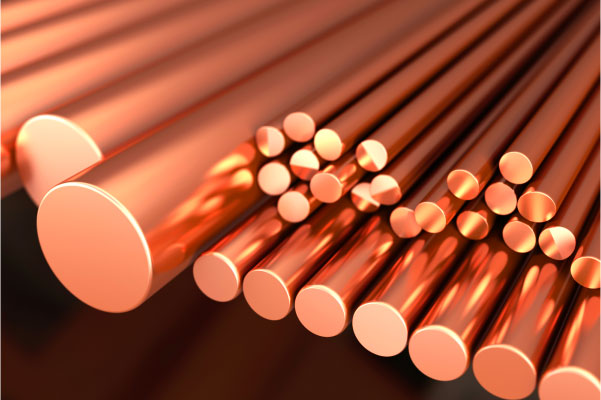
Beryllium copper is a copper alloy containing less than 3% beryllium and occasionally additional elements. Beryllium copper combines great strength with non-magnetic characteristics and no sparking. This material excels at metalworking, shaping, and machining. It has advanced toxicology equipment, musical instruments, precision measurement devices, weapons, and aerospace applications. Beryllium alloys are hazardous when inhaled during the manufacturing process.
Typical Copper
Copper, It’s a ductile, light metal with excellent thermal and electrical conductivity. The color of a freshly exposed pure copper coating is pinkish-orange. Copper is utilized as a heat and energy conductor, a construction material, and a component in a variety of metal alloys, including sterling silver for jewelry, cupronickel for naval equipment and coins, and constant for temperature computation in strain gauges and thermocouples.
Beryllium copper vs Regular Copper
Despite the fact that beryllium copper and copper have certain similarities in terms of nomenclature and qualities, it is clear that the two materials should not be used interchangeably. Beryllium copper (BeCu) is a copper alloy made up of cobalt, iron, nickel, zinc, and, in most cases, beryllium. Beryllium copper has unusual qualities that allow it to combine with other metals.
Copper is a fragile metal, and beryllium copper is used for its superior quality. Beryllium copper gets the highest quality rating out of any copper compound. Because the amalgam can be consolidated to extremely high hardness, beryllium copper is also utilized to deliver springs. Contrary to popular belief, beryllium copper can be produced using. Beryllium copper is recognized for its wide-going modern uses which are commonly utilized in the creation of inner segments. Copper is mostly used for aesthetic purposes, but Beryllium copper is used for hardness and weakness resistance.
Copper and beryllium metal have some characteristics in common, but they differ in other ways. The addition of these metals to copper gives it all of its unique characteristics (BeCu).
Thermal and Electrical Conductivity
Warmth and electrical conductivity are two properties of copper and beryllium copper. Copper has a 100 percent electrical conductivity, but Beryllium copper values range from 15 to 30% elsewhere. While Beryllium copper’s conductivity is slightly lower than copper’s, the combination of this degree of conductivity and the other beneficial qualities of Beryllium copper is unique for a metal.
Formability and Hardness
Because copper is porous and requires oxygen, it should be linked during welding. While copper is known for being a gentler metal, Beryllium copper is notable for its quality. To be honest, it has the highest copper-dependent obstruction of any combination. Beryllium copper, commonly known as spring copper, may be hardened to an incredible degree of hardness after being shaped into springs or other intricate shapes.
The copper of Beryllium, unlike certain other copper alloys, can be produced with or against the grain. This increases the amount of flexibility with which the metal may be manipulated.
Uses
Copper is most typically used in applications and products that are visually appealing. It’s sometimes utilized as a decorative element. Beryllium copper, on the other hand, is better known as an automotive product alloy and is commonly used in internal components. It is employed for its physical features, particularly its fatigue strength and hardness, rather than for its appearance.
Read More :
Why are tools made of beryllium copper so expensive? : From a structure point of view, no other material has its mix of physical and mechanical qualities that are so appropriate to explicit requesting applications. Notwithstanding, these equivalent beryllium copper properties can make machining troublesome.
Uses of Beryllium Copper in telecommunications and Electronic Industry: Beryllium Copper is a metal that is used in the production of electronics, telecommunications, and aerospace. It has many uses in these industries including using it as an electrical conductor, capacitor, and resistor.
Steel is one of the most adaptable materials, as it can be produced into virtually any shape. Do you know why the steel sector uses the welding technique more frequently? Welding is the process of joining two or more steel products together by applying pressure, heat, or both. Welding is the preferred method for manufacturing metals in the pharmaceutical, petrochemical, food, beverage, and allied industries, according to many steel dealers in India. One of the major issues with carbon steel is that it does not disperse heat uniformly. As a result, the carbon steel rusts, embrittles, and warps. Let us look at some welding tips for fabricating carbon steel for equal heat distribution in this post.
Right filler metal:
The most important welding tip for fabricating carbon steel is to select the appropriate filler metal. Unalloyed or alloy metals that are heated, melted, liquified, and allowed to flow between two joining metals are referred to as filler metals. This filler metal provides the essential strength and corrosion resistance to the welded metals. As a result, the filler metal you employ to weld the carbon steel might alter the quality and strength of the finished product. To select the appropriate filler metal, first, analyze the dimensions of both the welded metal and the filler metal. Otherwise, the weld will be too weak because the filler metal is too thin or equal to the base metal.
Similarly, because various chemical qualities can weaken the welding process, the base and filler metals should have the same chemical composition. Steel providers, for example, utilize 316L metal as filler metal when welding 316 austenitic stainless steel. Low carbon content and trace levels are indicated by the letter “L.”
Preparations:
Proper welding preparation is another fantastic piece of advice to consider when manufacturing carbon steel. Carbon steel is delicate steel that is quickly polluted by dirt and dust particles, as we all know. As a result, make sure your workstation and instruments are clean before welding the carbon steel. If proper preparation is not done, the metal’s corrosion resistance and strength will deteriorate over time. Use a brush made specifically for cleaning carbon steel. Kalpataru Piping Solutions provides the highest quality carbon steel for a variety of industrial and commercial applications.
Gas coverage:
Third, give the welding the most gas coverage possible to reduce oxidation. Instead of increasing the gas input, use enough shielding gas and a larger face shield when welding metal. Similarly, the input gas or shielding gas should be carefully chosen because it can impact the metals’ characteristics. Argon and carbon dioxide, helium, argon, and carbon dioxide, and argon and oxygen are the most popular shielding gas combinations.
As a result, follow these guidelines to properly produce carbon steel with optimum heat distribution. We are the greatest steel dealer in the city, providing high-quality and precise steel tubes, pipes, and other items.
Read More :
A Fantastic Industrial Product: Carbon Steel Pipe Fittings: There are numerous evaluations or qualities of carbon steel pipe fittings and they are accessible in various divider thicknesses. We have seen that reasonable pressure is utilized to figure out what divider thickness is required. The suitable pressure is a component of both the metallurgy of the material and the technique for the maker.
What Is the Difference Between Alloy and Carbon Steel: Alloy steel is a kind of steel that has the nearness of certain different components separated from iron and carbon. Carbon steel is otherwise called plain steel and is an alloy of steel where carbon is the primary constituent and no base level of other alloying components is referenced.
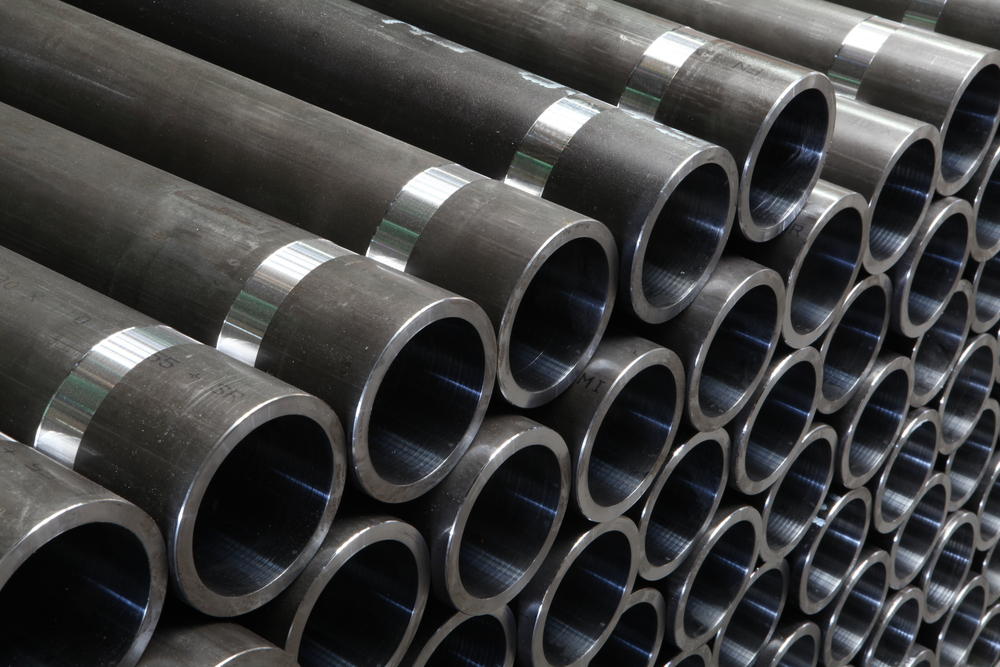
Pipes are used to managing a structure’s plumbing, sewage, electrical, and HVAC systems in a number of residential applications. Pipes are a versatile material in the home since they are designed to promote fluid transmission and flow. Most of the utilities in this sort of structure will not function unless these materials are present.
Pipelines come in a variety of shapes and sizes, and their utility varies based on the application. While pipes are most commonly used to transport fluids, they can also be utilized to store electric lines or even as ornamental elements. Continue reading to learn more.
Plumbing
Plumbing pipes are widely utilized to guarantee that plumbing systems are in place in residential environments. Every home has its own water distribution system. These materials are typically coupled to other components, such as water meters, which help determine the monthly water usage of the building. This information aids water service companies in billing and even fixing plumbing problems.
Steel pipes are the most preferred due to their various features, despite the fact that cast iron pipes are still utilized in older residences. Steel is a ductile metal that can be shaped into a variety of shapes. This makes pipe installation and maintenance much easier, which is helpful during repairs. Steel pipes also have the advantage of being long-lasting; they can last for up to five decades without being harmed.
Sewage
Sewerage pipes, which aid in the redirection of wastewater flow out of the structure, are another application that can be seen in homes. Typically, sewage effluent is stored in septic tanks. The waste materials might be disposed of in an external filtration plant or processed on-site in the tank.
Steel pipes, as previously stated, are strong enough to sustain unexpected pressure fluctuations in fluid flow. As a result, they’re a fantastic choice for sewage system material. They don’t leak, fracture, or develop pitting corrosion, which can cause leaks and seam breaks in pipes.
Steel pipes prevent undesired impurities from entering the soil when wastewater flows into it; after all, this might be detrimental to the foundation of the building. The pipes also prevent wastewater from being regurgitated into water basins or containers like sinks, bathtubs, shower floors, or other indoor drains.
Electrical Conduits
It is also possible to power all of the electrical utilities within a home with the proper installation and design of electrical equipment. This is accomplished by ensuring that all electrical wiring is well-organized and devoid of external objects that could disrupt the power supply of a structure.
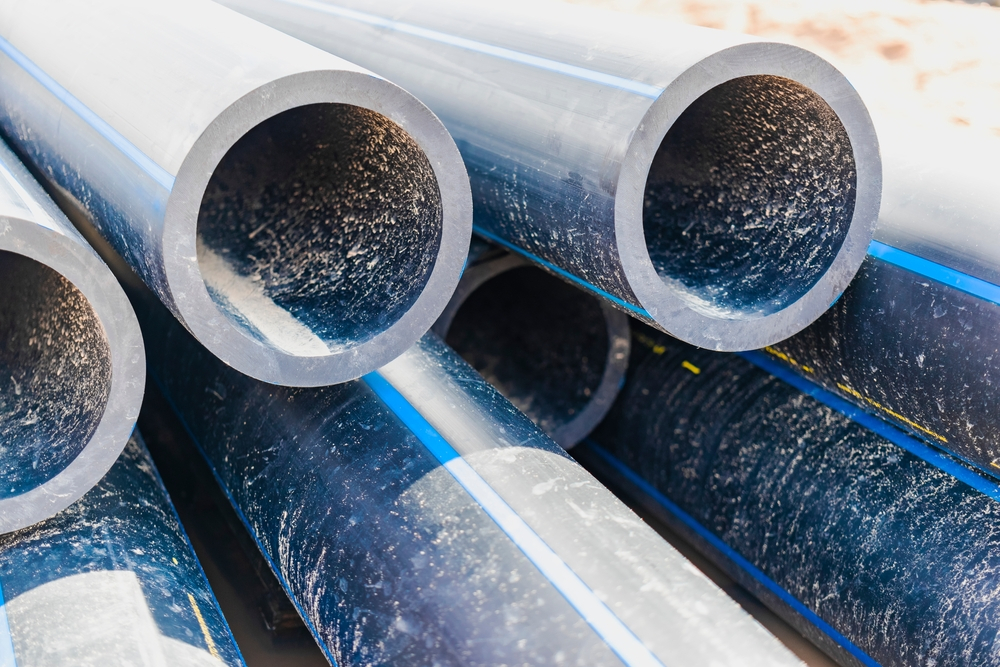
Pipes can also be used to house electrical conduits in any home, so keep that in mind. Several variations may exist depending on the substance. Rigid metal conduit pipes, electrical metallic tubing, and rigid polyvinyl chloride (PVC) pipes are examples of these.
Electrical conduit pipes have lower diameters than sewage pipes, ranging from 20 millimeters to 32 millimeters, depending on the supplier. They protect wires from the elements and can be found in subterranean power lines or exposed wiring in homes.
Decorative
As a result, they can also be utilized as decorative items. Clothing racks, pen holders, flower pots, storage facilities, and a variety of other items can all be made out of repurposed pipes.
For ornamental reasons, steel pipes are better than other types of pipes because they can be recycled forever without losing their properties. You can create any custom-built object out of recycled steel pipes if you have the right tools and supplies.
HVAC Systems
Other residential pipe applications can be found in the HVAC systems of the building. Refrigerators, air conditioners, condenser units, water heaters, water pumps, and other forms of ventilation systems are examples.
Various pipe types—whether copper, cast iron, or PVC—are still extensively used in HVAC systems because of their ability to withstand pressure and temperature fluctuations without causing damage to the material. Steel pipes, for example, are fire-resistant because they do not burn. This is beneficial for any HVAC system that is solely for heating and cooling. Copper pipes, on the other hand, are perfect for outdoor air conditioning condenser units, while PVC-based pipes are typically found in ventilation equipment.
Read More :
Inconel vs Hastelloy: Inconel is a corrosion-resistant, oxidation-resistant alloy that performs well in high-temperature, high-pressure conditions. Hastelloy is a nickel-molybdenum alloy with a high melting point. It is available in a variety of grades, the bulk of which are nickel-chromium-molybdenum alloys.
What is Scheduled 40 Steel Pipe? : The most common pipe schedule is Schedule 40 steel pipe. It can be galvanized but isn’t required, and it’s commonly used in water and gas lines. It can also show up in spots that require decoration or support.
As a result, instead of 2023-24 as proposed in the scheme guideline announced in October, the release of incentives under the scheme would begin in 2024-25.
The application deadline for the Rs 6,322-crore production-linked incentive (PLI) scheme for specialty steel is set to be extended by a month, to May 30. Several changes to the system, including the inclusion of sub-categories and small players, have prompted an extension of the deadline, according to sources. The steel ministry has already held a meeting with the Cabinet Secretary to finalize the scheme’s adjustments.
The scheme covers five broad product groups and 25 product subcategories: coated or plated steel products, high strength or wear-resistant steel, specialty rails, alloy steel goods, and electrical steel.
The application deadline has already been extended once. Applicants were given a window from December 29 to March 29 to apply for the plan, but it was extended by nearly a month to April 30. The extension was granted to allow for some adjustments to the plan that were requested by the sector.
Meanwhile, the administration postponed the scheme’s implementation by a year in December. The five-year plan will begin in 2023-24, rather than the previously scheduled 2022-23. As a result, instead of 2023-24 as proposed in the scheme guideline announced in October, the release of incentives under the scheme would begin in 2024-25. In July 2021, the cabinet authorized the PLI program for specialty steel.
The incentive payable shall not exceed the budgeted allotment for the scheme because it is a fund-limited scheme. Furthermore, the annual incentive given across all product categories, including group firms and joint ventures, will be capped at ‘200 crore per qualified enterprise.
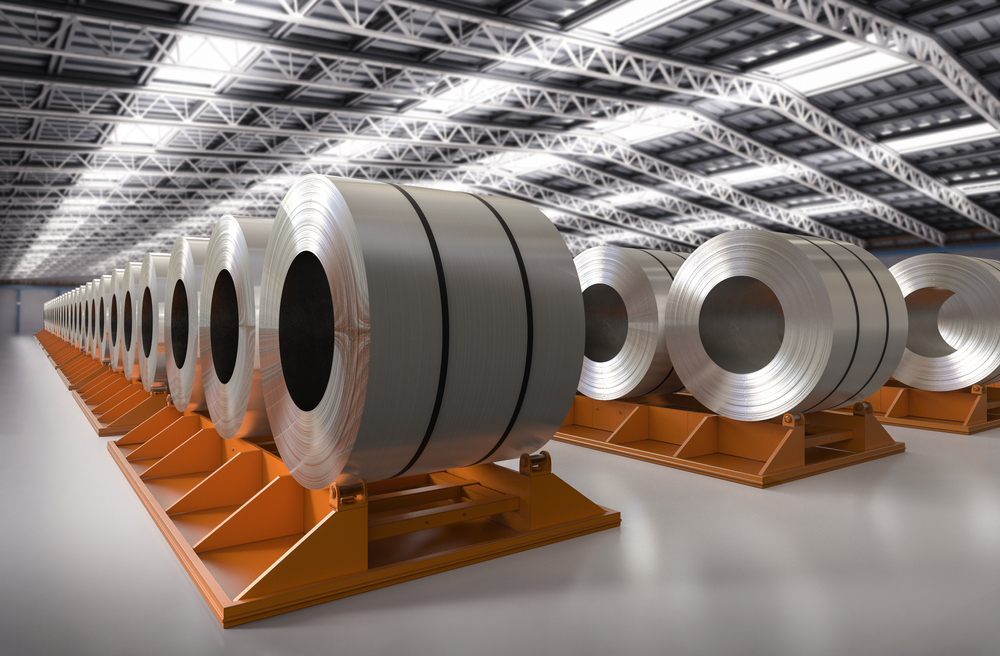
Specialty steel is a value-added variety in which conventional finished steel is transformed into high-value-added steel through the coating, plating, heat treatment, and other processes for usage in a range of strategic areas such as defense, space, power, and cars, among others. Imports worth around Rs 30,000 crore help India meet domestic demand.
The PLI scheme’s goal is to encourage domestic production of specialty steel grades and to assist the Indian steel sector is maturing technologically and moving up the value chain.
“Specialty of steel production is estimated to reach 42 million tonnes by the end of 2026-27.” This will result in the production and consumption of around Rs 2.5 trillion worth of specialty steel in the country, which would otherwise be imported. Similarly, specialty steel exports will increase to about 5.5 million tonnes from the present 1.7 million tonnes, generating forex of Rs 30,000 crore, according to the government.
Read More :
What is Scheduled 40 Steel Pipe, and what is it used for? : The most common pipe schedule is Schedule 40 steel pipe. It can be galvanized but isn’t required, and it’s commonly used in water and gas lines. It can also show up in spots that require decoration or support.
WHAT IS STEEL AND HOW IS IT MANUFACTURED? : Stainless steel has a wide range of applications in both the industrial and consumer markets due to its superior corrosion resistance, high strength, and appealing look.
The most common pipe schedule is Schedule 40 steel pipe. It can be galvanized but isn’t required, and it’s commonly used in water and gas lines. It can also show up in spots that require decoration or support.
Because of its adaptability and performance strength, it makes an excellent pipe. Let’s talk about what schedule 40 steel pipe is and why it could be the correct choice for many projects now that it’s under so much pressure to perform.
What Is a Pipe Schedule and How Does It Work?
A pipe schedule (SCH) is a measurement of the nominal wall thickness of a steel pipe.
Metal fabricators previously employed three pipe sizes: standard, extra strong, and double extra strong. However, just having these three undefined dimensions wasn’t enough. Steel pipes are now available in 14 distinct schedules.
Schedule 40 is the most widely utilized.
What exactly does the term “schedule 40 pipes” mean?
The dimensionality of the numbers on the pipes is unknown. In other words, SCH 40 does not imply a pipe diameter of 40 millimeters or 40 inches.
The ASME B36.10M standard, which governs seamless and welded steel pipe dimensions, determines the characteristics for each schedule. The numerals that denote each size are determined by ASME B36.10M.
Schedule 40 Steel Pipe Grades
Mild steel is used to make the majority of schedule 40 steel pipe. This indicates that it contains between 0.2 and 0.25 percent carbon. This is extremely low, resulting in a mostly ferrous alloy.
Steelmakers galvanize SCH 40 steel pipe to increase corrosion resistance. Galvanizing implies coating the steel with a layer of zinc. If this isn’t an option, schedule 40 pipe is also available in stainless steel.
Although A53 steel pipe is the most usually associated with SCH 40 steel pipe, this schedule is also available in other grades.
Dimensions of Schedule 40 Steel Pipe
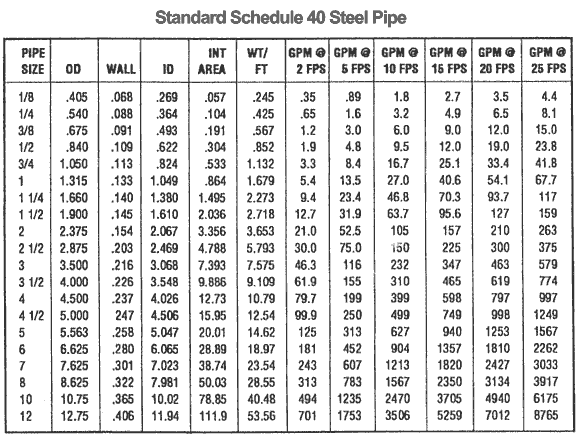
Wall thickness and outer diameter are used to determine thickness. A 1/8th-inch nominal size schedule 40 pipe, for example, has an outer diameter of 0.405 inches and a wall thickness of 0.068 inches. It weighs 0.245 pounds per square foot.
The 4-inch schedule 40 steel pipe is a more prevalent pipe. The outside diameter of this pipe is 4.5 inches, with a wall thickness of 0.237 inches and a weight per foot of 10.79 pounds.
When it comes to steel pipe, what size is schedule 40?
This steel pipe is available in a number of sizes. The pipe’s length, nominal diameter, real interior diameter, and actual exterior diameter all fall within acceptable limits.
For example, a 2.5-inch-diameter schedule 40 pipes will have a real internal diameter of 2.469 and an actual outer diameter of 2.875.
We can supply or cut scheduled 40 steel pipes in practically any length.
Schedule 40 Steel Pipe’s Weight
In general, the weight per foot is roughly 1.68 pounds.
What is the maximum weight that a schedule 40 steel pipe can support?
The amount of weight it can support is determined by a number of factors. A normal pipe, made of A53-grade black steel, has a yield strength of 30,000 pounds per square inch.
Given that knowledge…
Let’s say you have a four-foot span with a one-inch pipe. With a one-quarter inch permanent deflection, the center should be able to support 300 pounds. If you add another 50 pounds to that pipe, it will collapse on you.
Schedule 40 Steel Pipe Chemical Composition
The nominal wall thickness of the Schedule 40 pipe is not the same as the grade. As a result, the chemical composition of a pipe schedule is not always consistent.
Schedule 40 pipe, on the other hand, is made of low-carbon steel, often grade A53 steel pipe. The chemical composition of A53 steel varies depending on the type of weld, however as an example, type S seamless weld A53 steel looks like this:
Carbon – 0.25% (max)
Manganese – 0.95% (max)
Phosphorous – 0.05% (max)
Sulfur – 0.045% (max)
Copper – 0.4% (max)
Nickel – 0.4% (max)
Chromium – 0.4% (max)
Molybdenum – 0.15% (max)
Vanadium – 0.08% (max)
The dimensions, wall thickness, and weight of the Schedule 40 Pipe are listed below.
Nominal sizes
Outside diameter
Pipe Wall thickness
Weight Chart
inches
OD in inches
OD in mm
inches
mm
lb/ft
kg/m
1/8
0.405
10.3
0.068
1.73
0.24
0.37
1/4
0.540
13.7
0.088
2.24
0.42
0.84
1/2
0.840
21.3
0.109
2.77
0.85
1.27
3/4
1.050
26.7
0.113
2.87
1.13
1.69
1
1.315
33.4
0.133
3.38
1.68
2.50
1 1/4
1.660
42.2
0.140
3.56
2.27
3.39
1 1/2
1.900
48.3
0.145
3.68
2.72
4.05
2
2.375
60.3
0.154
3.91
3.65
5.44
2 1/2
2.875
73.0
0.203
5.16
5.79
8.63
3
3.500
88.9
0.216
5.49
7.58
11.29
3 1/2
4.000
101.6
0.226
5.74
9.11
13.57
4
4.500
114.3
0.237
6.02
10.79
16.07
5
5.563
141.3
0.258
6.55
14.62
21.77
6
6.625
168.3
0.280
7.11
18.97
28.26
8
8.625
219.1
0.322
8.18
28.55
42.55
10
10.750
273.0
0.365
9.27
40.48
60.31
12
12.750
323.8
0.406
10.31
53.52
79.73
14
14
355.6
0.375
11.13
54.57
94.55
16
16
406.4
0.500
12.70
82.77
123.30
18
18
457.0
0.562
14.27
104.67
155.80
20
20
508.0
0.594
15.09
123.11
183.42
24
24
610.0
0.688
17.48
171.29
255.41
32
32
813.0
0.688
17.48
230.08
342.91
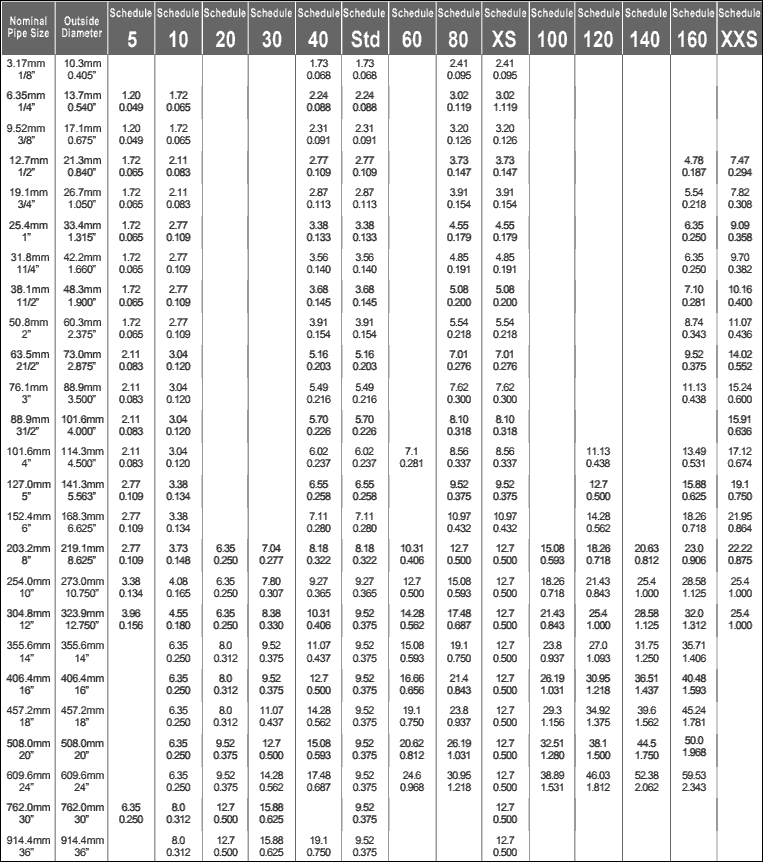
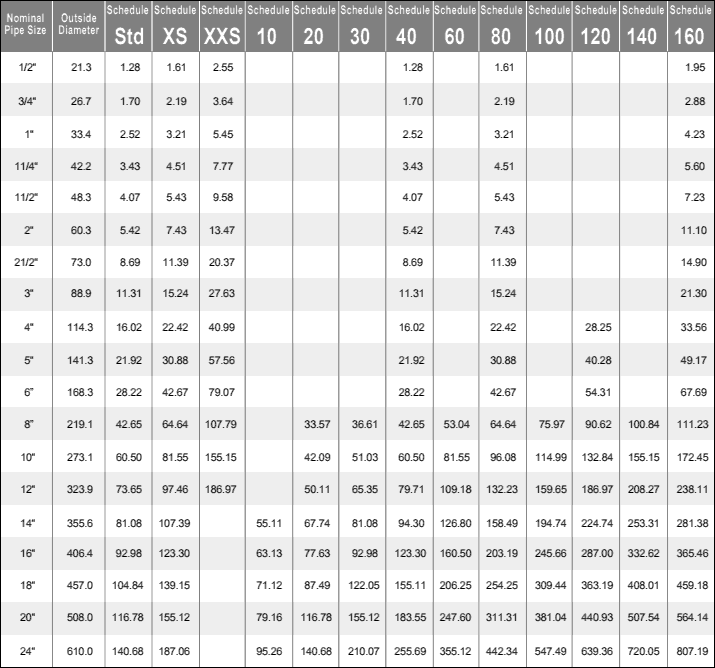
A conversion chart below shows the relationship between pipe size, schedules, and wall thicknesses.
Metric diameter
Inch
Out diameter
Out diameter points to the thickness
A
B
ASME
STD
SCH40
SCH80
8
1/4′
–
–
–
–
10
3/8
–
–
–
–
15
1/2″
21.3
2.77
2.77
3.73
20
3/4″
26.7
2.87
2.87
3.91
25
1″
33.4
3.38
3.38
4.55
32
1.1/4″
42.2
3.56
3.56
4.85
40
1.1/2″
48.3
3.68
3.68
5.08
50
2″
60.3
3.91
3.91
5.54
65
2.1/2″
73
5.16
5.16
7.01
80
3″
88.9
5.49
5.49
7.62
90
3.1/2″
101.6
5.74
5.74
8.08
100
4″
114.3
6.02
6.02
8.56
125
5″
141.3
6.55
6.55
9.53
150
6″
168.3
7.11
7.11
10.97
200
8″
219.1
8.18
8.18
12.7
250
10″
273
9.27
9.27
15.09
300
12″
323.8
9.53
10.31
17.48
350
14″
355.5
9.53
11.13
19.05
400
16″
406.4
9.53
12.7
21.44
450
18″
457.2
9.53
14.27
23.83
500
20″
508
9.53
15.09
26.19
550
22″
558.8
9.53
–
28.58
600
24″
609.6
9.53
17.48
30.96
650
26″
660.4
9.53
–
–
700
28″
711.2
9.53
–
–
750
30″
762
9.53
–
–
800
32″
812.8
9.53
17.48
–
850
34″
863.5
9.53
17.48
–
900
36″
914.4
9.53
19.05
–
950
38″
965.2
9.53
–
–
1000
40″
1016
9.53
–
–
1050
42″
1066.8
9.53
–
–
1100
44″
1117.6
9.53
–
–
1150
46″
1168.4
9.53
–
–
1200
48″
1219.2
9.53
–
–
What is the meaning of NPS (Nominal Pipe Size)?
The NPS size represents the pipe’s approximate inside diameter; if the schedule number on a set size is changed, the inside diameter (ID) but not the outside diameter (OD) is affected (OD). Nominal Pipe Sizing was developed by the American Standard Association to replace the previously employed Iron Pipe Sizing. This North American standard is used for high or low-pressure and temperature pipes.
NPS
OD
SCH
Wall Thickness
ID
1.000”
1.315”
SCH 40
0.133”
1.049” (approx.)
1.000”
1.315”
SCH 80
0.179”
0.957” (approx.)
All pipes are identified by their NPS and Sch numbers. The schedule number is used to estimate the internal diameter.
Pressure Rating for Schedule 40 Carbon Steel Pipe
Steel Piping diameter od chart, wall thickness, and weight per foot are all available for free.
1 in (inch) = 25.4 mm
1 psi (lb/in2) = 6,894.8 Pa (N/m2) = 6.895×10⁻² bar
Maximum Allowable Pressure (psi) (kPa)
NPS
Outside Diameter (OD)
Schedule
(in)
(in)(mm)
40
1/4
0.5413.7
798555057
3/8
0.67517.1
660645548
1/2
0.8421.3
635843838
3/4
1.0526.7
527336357
1
1.31533.4
495634172
1 1/4
1.6642.2
413328497
1 1/2
1.948.3
373925780
2
2.37560.3
317721905
2 1/2
2.87573
346023857
3
3.588.9
302420850
3 1/2
4102
276919092
4
4.5114
258117796
5
5.563141
227315672
6
6.625168
207114280
8
8.625219
182912611
10
10.75273
166411473
12
12.75324
156010756
14
14356
153310570
16
16406
153110556
18
18457
153010549
20
20508
145510032
22
22559
24
24610
14059687
30
30762
32
32813
10547267
34
34864
9926840
36
36914
10217040
42
421067
8756033
Pipe Dimensions and Wall Thickness for Schedule 40
PipeSizes*
O.D.(in.)
Schedule (40) PipeWall Thickness (in.)**
Sch.40
Wall (in)
I.D. (in)
1/8″
0.41 od
0.07 in
0.269 id
Weight(lbs/ft.)
Steel
0.247 lbs/ft
Stainless
Aluminum
1/4″
0.54 od
0.090 in
0.364 id
Weight(lbs/ft.)
Steel
0.429 lbs/ft
Stainless
Aluminum
0.147 lbs/ft
3/8″
0.675 od
0.091 in
0.493 id
Weight(lbs/ft.)
Steel
0.570 lbs/ft
Stainless
Aluminum
0.196 lbs/ft
1/2″
0.840 od
0.109 in
0.622 id
Weight(lbs/ft.)
Steel
0.850 lbs/ft
Stainless
Aluminum
0.294 lbs/ft
3/4″
1.050 od
0.113 in
0.824 id
Weight(lbs/ft.)
Steel
1.13 lbs/ft
Stainless
Aluminum
0.391
1″
1.315 od
0.133 in
1.049 id
Weight(lbs/ft.)
Steel
1.68 lbs/ft
Stainless
Aluminum
0.581 lbs/ft
1-1/4″
1.66 od
0.140 in
1.380 id
Weight(lbs/ft.)
Steel
2.27 lbs/ft
Stainless
Aluminum
0.785 lbs/ft
1-1/2″
1.90 od
0.145 in
1.610 id
Weight(lbs/ft.)
Steel
2.72 lbs/ft
Stainless
Aluminum
0.939 lbs/ft
2″
2.375 od
0.154 in
2.067 id
Weight(lbs/ft.)
Steel
3.66 lbs/ft
Stainless
Aluminum
1.260 lbs/ft
2-1/2″
2.875 od
0.203 in
2.469 id
Weight(lbs/ft.)
Steel
5.80 lbs/ft
Stainless
Aluminum
2.000 lbs/ft
3″
3.50 od
0.216 in
3.068 id
Weight(lbs/ft.)
Steel
7.58 lbs/ft
Stainless
Aluminum
2.620 lbs/ft
3-1/2″
4.00 od
0.226 in
3.550 id
Weight(lbs/ft.)
Steel
9.12 lbs/ft
Stainless
Aluminum
3.150 lbs/ft
4″
4.50 od
0.237 in
4.026 id
Weight(lbs/ft.)
Steel
10.80 lbs/ft
Stainless
Aluminum
3.730 lbs/ft
5″
5.563 od
0.258 in
5.047 id
Weight(lbs/ft.)
Steel
14.63 lbs/ft
Stainless
Aluminum
5.050 lbs/ft
6″
6.625 od
0.280 in
6.065 id
Weight(lbs/ft.)
Steel
18.99 lbs/ft
Stainless
Aluminum
6.560 lbs/ft
8″
8.625 od
0.322 in
7.981 id
Weight(lbs/ft.)
Steel
28.58 lbs/ft
Stainless
Aluminum
9.88 lbs/ft
*Nominal sizes apply; Pipe Size is a generic Industry Size Standard that is solely used as a guide. ** Each manufacturer’s tolerances may differ slightly.
Schedule 40 Steel Pipe Sizes and Flow Rates
Nominal Wall Thickness of Schedule 40 Steel Pipe
Pipe Schedule Chart ANSI/ASME B36.10M
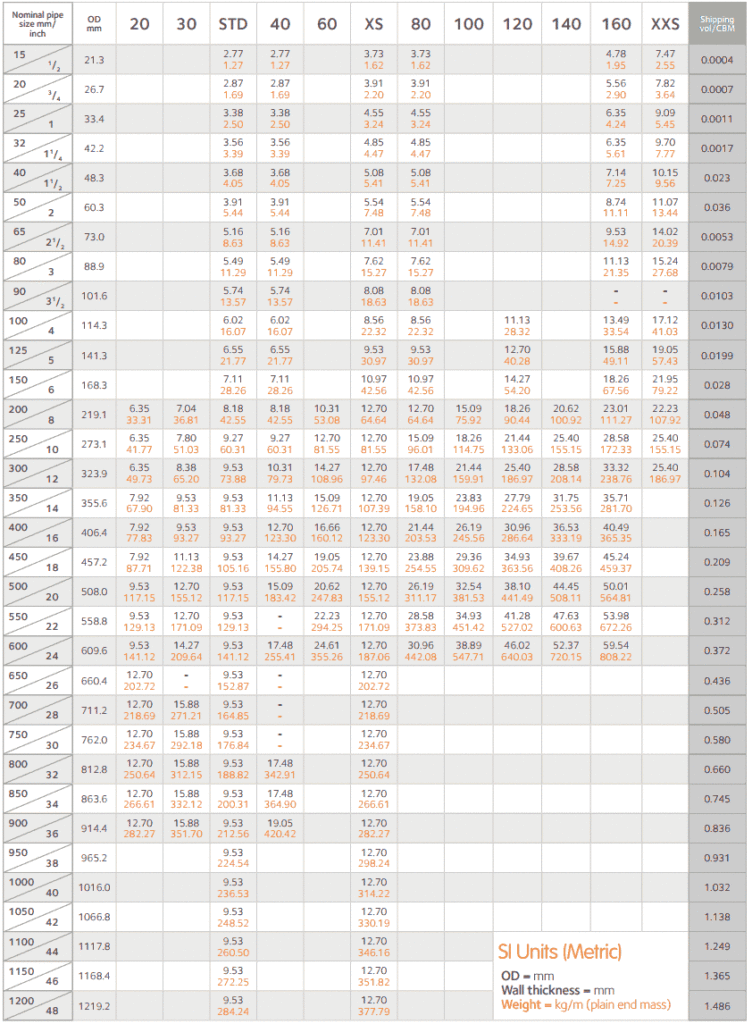
Schedule 40 Carbon Steel Line Pipe Weight Chart
SCH 40 Nominal pipe size (NPS)
NPS
1/2
3/4
1
1¼
1½
2
2½
3
3½
4
DN
15
20
25
32
40
50
65
80
90
100
Notes:
The corresponding DN = 25 multiplied by the NPS number for NPS 4.
From NPS 12 onwards, the wall thickness between SCH 40 and STD differs, and from NPS 10 onwards, the wall thickness between schedule 80 and XS differs.
In India, you may get 2-inch Schedule 40 galvanized and black steel pipe at a low price.
INCH
NPS
Schedule 40 ASTM A106/ A53/ API 5L Grade B Seamless Pipe Price
MSL
ISMT
JSL
USL
BAO
Lontrin
SMTM
TENARIS
V&M
Wuxi
1/2
15
1,313.53
1,316.18
1,330.88
–
1,029.41
1,036.76
1,460.59
1,396.06
1,425.47
1,012.06
3/4
20
1,112.94
1,095.59
1,110.29
–
954.88
963.24
1,250.00
1,176.47
1,205.88
938.53
1
25
946.88
948.53
963.24
–
881.35
889.71
1,102.94
1,029.41
1,058.82
875.00
1.25
32
911.76
904.41
919.12
–
851.94
860.29
1,058.82
985.29
1,014.71
845.59
1.5
40
818.82
821.47
816.18
–
807.82
816.18
955.88
882.35
911.76
821.47
2
50
799.12
786.76
821.47
–
622.65
625.00
948.18
869.65
899.06
612.29
2.5
65
799.12
786.76
821.47
–
622.65
625.00
948.18
869.65
899.06
612.29
3
80
799.12
786.76
821.47
–
622.65
625.00
948.18
869.65
899.06
612.29
3.5
90
799.12
786.76
821.47
–
622.65
625.00
948.18
869.65
899.06
612.29
4
100
799.12
786.76
821.47
755.29
622.65
625.00
948.18
869.65
899.06
612.29
5
125
799.12
786.76
821.47
755.29
622.65
625.00
948.18
869.65
899.06
612.29
6
150
799.12
786.76
821.47
755.29
622.65
625.00
948.18
869.65
899.06
612.29
8
200
799.12
786.76
821.47
755.29
647.06
654.41
948.18
869.65
899.06
639.71
10
250
799.12
786.76
–
755.29
647.06
654.41
948.18
869.65
899.06
639.71
12
300
862.94
–
–
755.29
647.06
654.41
1,000.00
926.47
955.88
639.71
14
350
862.94
–
–
755.29
661.76
669.12
1,000.00
926.47
955.88
654.41
16
400
886.35
–
–
–
661.76
669.12
1,029.41
955.88
985.29
654.41
18
450
886.35
–
–
–
676.47
683.82
1,029.41
955.88
985.29
669.12
20
500
886.35
–
–
–
676.47
683.82
1,029.41
955.88
985.29
669.12
22
550
–
–
–
–
705.88
713.24
1,176.47
1,029.41
1,132.35
698.53
24
600
–
–
–
–
705.88
713.24
1,176.47
1,029.41
1,132.35
698.53
Difference Pipe is divided into two schedules: Schedule 40 and Schedule 80.
Pipes in the schedules 40 and 80 are quite similar. They’re so similar, in fact, that some people mix them up.
Schedule 40 pipe, on the other hand, has thinner walls than schedule 80. As a result of its ability to withstand higher pressures than schedule 40, schedule 80 is commonly employed in commercial applications.
How can you tell if a schedule 40 pipe can withstand the pressure?
You can use a mathematical formula to figure out if schedule 40 or schedule 80 is better for your project.
(1,000)*(P/S) = SCH
The internal working pressure of the pipe is P, and the amount of stress that the material can withstand is S in this equation.
For example, if your pipe has a S value of 12,000 and an internal working pressure of 450 psi, your equation would be:
37.5 = (1,000) * (450/12,000)
Because 37.5 is so near to SCH 40, you should be fine with that schedule.
Sch 40 Steel Pipe is used in the following industries.
Many companies, particularly those that require to provide air, gas, or water at high temperatures, use SCH 40 steel pipe. This schedule pipe is also commonly used in construction, where its diameter, strength, and reactivity make it a dependable option.
Sch 40 Steel Pipe is used in a variety of applications.
Schedule 40 steel pipes can be found in most hardware stores. This product is popular among DIYers for use in creative projects. Curtain rods, bookcases, coat hooks, floor lights, and magazine racks are all made from Schedule 40 steel tubing.
steel pipe, schedule 40
Of course, the oil and gas industry uses scheduled 40 pipes to carry high-temperature, high-pressure liquids for commercial and residential structures.
Steel Pipe Schedule 40 Prices
Schedule 40 steel pipe prices vary greatly depending on length, grade, and volume at the time of purchase. If you purchase a large quantity of pipe directly from a firm that provides quality fabrication services, such as Kalpataru Piping Solutions, your expenses will be significantly lower than if you purchased the identical product from Home Depot.
Read More :
HOW IS STAINLESS STEEL MADE? : Most stainless steel begins its existence in a similar way before being processed. The steel alloy’s numerous features are determined by this procedure, as well as the actual composition of the steel alloy.
Steel Pipe Scaffolding’s Benefits: Scaffolding is an important part of any project involving the construction, repair, or maintenance of a building. We use them to create a temporary platform for aid employees to work on the building’s hard-to-reach areas. Steel pipe scaffolding is one of the most common types of scaffolding,