Now consider what this means in terms of pressure rating:
At a temperature of 600 degrees F°, the class 150 flange can sustain only 140 psi (as per the rating chart below) The class 300 flange (which is larger and stronger but has the same hole size) can sustain 570 psi at 600 degrees F°. Finally, a class 2500 flange of the same size can withstand 34 times the pressure of a class 150 flange, with a rating of 4730 psi at 600 F°!
Scroll down to see the rating table that pertains to your flange (this depends on the material of the flange, as flanges with different material grades have different pressure ratings) Determine your piping system’s maximum working temperature (i.e. select one line in the table) Choose a rating based on the expected maximum pressure at that temperature level (i.e. select one column in that line) You’ve now received the required rating! Below are the ASME B16.34 pressure rating charts for the most common flange materials to assist you (carbon, alloy, stainless).
Pressure rating is the highest amount of pressure that a flange can handle as the temperature rises. The ANSI/ASME B16.5 standard lists seven pressure ratings for flanges: 150, 300, 400, 600, 900, 1500, and 2500. The terms “pressure rating,” “class,” “#,” “Lb,” and “Lbs” all mean the same thing when it comes to how a flange handles pressure and temperature (and other equipment like valves, fittings, etc).
Let’s use an example to make this clear:
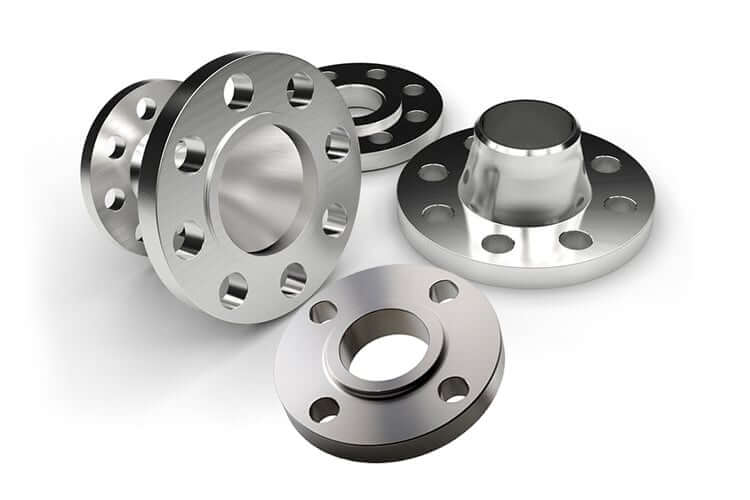
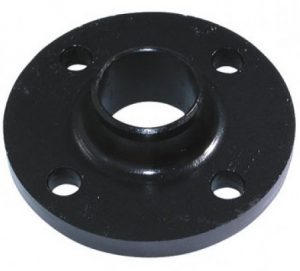
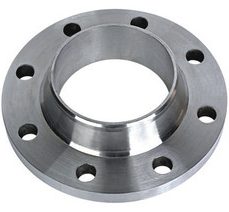
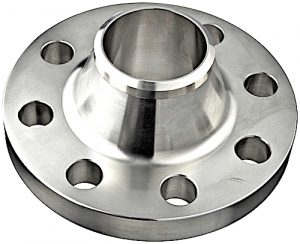
If two flanges have the same bore size, say 6 inches, and the same material, say A105, but different pressure ratings, say class 150 and class 300, the class 150 flange will be smaller, lighter, and less sturdy than the class 300 flange (class 300). This is what the picture shows:
How the Flange Rating System Works
People who are new to the pipe industry frequently have difficulty understanding how flange rating works. Let us first define a flange and the role it plays in the plumbing sector before proceeding with the discussion.
What exactly is a flange and how does it work?
A flange is a piece of equipment that connects pipes, pumps, valves, and other piping components to form a pipeline system. The flange is an important part of the piping system because it allows for easier cleaning, inspection, and modification. Weld Neck Flange, Slip-on Flange, Socket Weld Flanges, Lap Joint Flange, Threaded flange, Blind flange, Orifice flanges, Reducing flanges, and many other types of flanges are available.
What is the flange rating and how does it work?
It’s crucial to make sure that the flanges used in the oil, gas, and petrochemical industries can resist the pressures and temperatures they’re exposed to. Not only is the size of the flanges significant, but so is the rating. As a result, selecting a flange with the appropriate rating ensures that it can endure the pressures of functioning at different temperatures.
The maximum pressure that a flange can withstand at high or increasing temperatures is defined by the class of the flange. Flanges having a higher flange rating or flange class are naturally considered stronger since they can withstand more pressure at higher temperatures.
The ASME B16.5 standard, which applies to flanged fittings and pipe flanges, is the industry standard for flanges. This contains flanges with diameters ranging from 12″ NPS to 24″ NPS.
As a result, as the temperature rises, the maximum allowable pressure falls. With the following example, the notion of flange rating can be readily described.
A Class 300 flange can resist higher pressure than a Class 150 flange because it is made of more metal and can tolerate more pressure. However, a flange’s pressure capability is affected by a number of factors.
Because it is comprised of more metal and can withstand more pressure, a Class 300 flange can withstand higher pressure than a Class 150 flange. The pressure capability of a flange, on the other hand, is influenced by a variety of elements.
The maximum pressure for flanges of classes 150/300/400/600/900/1500/2500 at increasing temperatures (Celsius or Fahrenheit) – in PSI – is shown in the flange rating table.
ANSI/ASME B16.34
ANSI PRESSURE RATING
Temperature (in F°)
150#
300#
400#
600#
900#
1500#
2500#
< 100
285
740
985
1480
2220
3705
6170
200
260
680
905
1360
2035
3395
5655
300
230
655
870
1310
1965
3270
5450
400
200
635
845
1265
1900
3170
5280
500
170
605
805
1205
1810
3015
5025
600
140
570
755
1135
1705
2840
4730
650
125
550
730
1100
1650
2745
4575
700
110
530
710
1060
1590
2655
4425
750
95
505
675
1015
1520
2535
4230
800
80
410
550
825
1235
2055
3430
850
65
320
425
640
955
1595
2655
900
50
230
305
460
690
1150
1915
950
35
135
185
275
410
685
1145
1000
20
85
115
170
255
430
715
Hydrostatic Test Pressure (in Psig)
450
1125
1500
2225
3350
5575
9275
Notes
The maximum pressure for flanges of classes 150/300/400/600/900/1500/2500 at increasing temperatures (Celsius or Fahrenheit) – in bars – is shown in the flange rating table.
ANSI/ASME B16.34
ANSI PRESSURE RATING
Temperature in C°
150#
300#
400#
600#
900#
1500#
2500#
-29 / 38
19.6
51.1
68.1
102.1
153.2
255.3
425.5
50
19.2
50.1
66.8
100.2
150.4
250.6
417.7
100
17.7
46.6
62.1
93.2
139.8
233
388.3
150
15.8
45.1
60.1
90.2
135.2
225.4
375.6
200
13.8
43.8
58.4
87.6
131.4
219
365
250
12.1
41.9
55.9
83.9
125.8
209.7
349.5
300
10.2
39.8
53.1
79.6
119.5
199.1
331.8
325
9.3
38.7
51.6
77.4
116.1
193.6
322.6
350
8.4
37.6
50.1
75.1
112.7
187.8
313
375
7.4
36.4
48.5
72.7
109.1
181.8
303.1
400
6.5
34.7
46.3
69.4
104.2
173.6
289.3
425
5.5
28.8
38.4
57.5
86.3
143.8
239.7
450
4.6
23
30.7
46
69
115
191.7
475
3.7
17.4
23.2
34.9
52.3
87.2
145.3
500
2.8
11.8
15.7
23.5
35.3
58.8
97.9
Notes:
ASTM A105: Long-term exposure to temperatures above 425°C transforms steel’s carbide phase to graphite (this material is not recommended for consistent temperatures above this number).
The ASTM A350 LF6 standard states that it should not be utilized at temperatures above 260 degrees Celsius.
ANSI FLANGE ASTM A350 Gr. LF3, A350 LF6, Class 2
The flange rating chart depicts the maximum pressure for flanges of classes 150/300/400/600/900/1500/2500 at various temperatures (in degrees Celsius or Fahrenheit) – in PSI.
ANSI/ASME B16.34
ANSI PRESSURE RATING
Temperature in °F
150#
300#
400#
600#
900#
1500#
2500#
-20 to 100
290
750
1000
1500
2250
3750
6250
200
260
750
1000
1500
2250
3750
6250
300
230
730
970
1455
2185
3640
6070
400
200
705
940
1410
2115
3530
5880
500
170
665
885
1330
1995
3325
5540
600
140
605
805
1210
1815
3025
5040
650
125
590
785
1175
1765
2940
4905
700
110
570
755
1135
1705
2840
4730
750
95
505
670
1010
1510
2520
4200
800
80
410
550
825
1235
2060
3430
850
65
270
355
535
805
1340
2230
900
50
170
230
345
515
860
1430
950
35
105
140
205
310
515
860
1000
20
50
70
105
155
260
430
ANSI FLANGE ASTM A350 Gr. LF1
The maximum pressure for flanges of classes 150/300/400/600/900/1500/2500 at increasing temperatures (Celsius or Fahrenheit) — in PSI — is shown in the flange rating table.
The maximum pressure for flanges of classes 150/300/400/600/900/1500/2500 at increasing temperatures (in Celsius or Fahrenheit) – in PSI – is shown in the flange rating table.
The maximum pressure for flanges of classes 150/300/400/600/900/1500/2500 at increasing temperatures (Celsius or Fahrenheit) – in PSI – is shown in the flange rating table.
ANSI/ASME B16.34
ANSI PRESSURE RATING
Temperature °F
150#
300#
400#
600#
900#
1500#
2500#
-20 to 100
275
720
960
1440
2160
3600
6000
200
230
600
800
1200
1800
3000
5000
300
205
540
720
1080
1620
2700
4500
400
190
495
660
995
1490
2485
4140
500
170
465
620
930
1395
2330
3880
600
140
435
580
875
1310
2185
3640
650
125
430
575
860
1290
2150
3580
700
110
425
565
850
1275
2125
3540
750
95
415
555
830
1245
2075
3460
800
80
405
540
805
1210
2015
3360
850
65
395
530
790
1190
1980
3300
900
50
390
520
780
1165
1945
3240
950
35
380
510
765
1145
1910
3180
1000
20
320
430
640
965
1605
2675
1050
20
310
410
615
925
1545
2570
1100
20
255
345
515
770
1285
2145
1150
20
200
265
400
595
995
1655
1200
20
155
205
310
465
770
1285
1250
20
115
150
225
340
565
945
1300
20
85
115
170
255
430
715
1350
20
60
80
125
185
310
515
1400
20
50
65
95
145
240
400
1450
15
35
45
70
105
170
285
1500
10
25
35
55
80
135
230
The maximum pressure for flanges of classes 150/300/400/600/900/1500/2500 at increasing temperatures (Celsius or Fahrenheit) – in PSI – is shown in the flange rating table.
ANSI/ASME B16.34
ANSI PRESSURE RATING
Temperature °F
150#
300#
400#
600#
900#
1500#
2500#
-20 to 100
275
720
960
1440
2160
3600
6000
200
235
620
825
1240
1860
3095
5160
300
215
560
745
1120
1680
2795
4660
400
195
515
685
1025
1540
2570
4280
500
170
480
635
955
1435
2390
3980
600
140
450
600
900
1355
2255
3760
650
125
445
590
890
1330
2220
3700
700
110
430
580
870
1305
2170
3620
750
95
425
570
855
1280
2135
3560
800
80
420
565
845
1265
2110
3520
850
65
420
555
835
1255
2090
3480
900
50
415
555
830
1245
2075
3460
950
35
385
515
775
1160
1930
3220
1000
20
350
465
700
1050
1750
2915
1050
20
345
460
685
1030
1720
2865
1100
20
305
405
610
915
1525
2545
1150
20
235
315
475
710
1185
1970
1200
20
185
245
370
555
925
1545
1250
20
145
195
295
440
735
1230
1300
20
115
155
235
350
585
970
1350
20
95
130
190
290
480
800
1400
20
75
100
150
225
380
630
1450
20
60
80
115
175
290
485
1500
20
40
55
85
125
205
345
Read More :
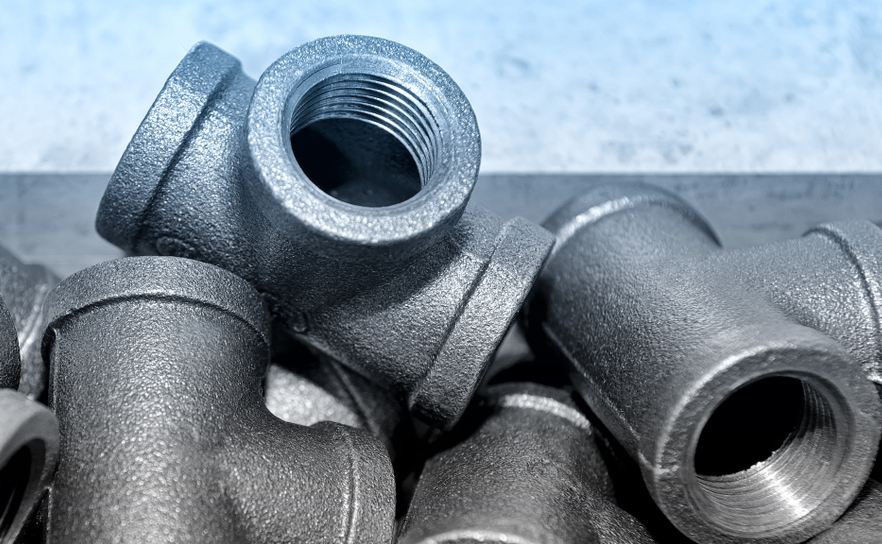
What you should know about forged threaded fittings: Forged Threaded 45-degree Elbows are said to be one of the oldest types of forged fittings that have been used for a long time. When pipes have a smaller bore and diameter, threaded fittings are used to connect them. A pipe with a threaded fitting should have a nominal diameter of around 2 NPS or less.
What is a threaded joint fitting that has been forged?
Forged Threaded 45-degree Elbows are said to be one of the oldest types of forged fittings that have been used for a long time. When pipes have a smaller bore and diameter, threaded fittings are used to connect them. A pipe with a threaded fitting should have a nominal diameter of around 2 NPS or less.
When a Forged Threaded 45-degree Elbow is used, the number of equipment types can be cut down.
By using threaded fittings, the number of joints can be cut down.
A male or female thread makes it easy to connect many different kinds of equipment.
A threaded fitting doesn’t need any special tools to be put in place.
Here are a few important things to remember when putting in forged threaded fittings:
Use a male PVC thread in a female PVC thread at all times. If you did this process backward, the pipe might break.
The thread tape should always be wound in the same direction as the thread. This ensures a safe and durable seal.
Don’t make threads out of hemp. When hemp is put in water, it grows bigger. The pipe could break if this keeps happening.
How forged threaded fittings are used
Always keep in mind that forged threaded fittings can’t be used in high-pressure situations.
So, here are some of the most common ways that Forged threaded fittings are used:
Cooling system for water distribution
Fire hydrants and fire safety, among other things.
Let’s look at a few different kinds of threaded fittings:
There are two main types of elbow fittings: threaded and plain.
90-degree elbow with threads
45-degree elbow with threads
Pipes that change direction by 90 degrees use threaded 90-degree elbows.
Pipes that change direction by 45 degrees need threaded 45-degree elbows.
Threaded Tee Connection Fitting: This fitting turns the main pipe into a 90-degree branch.
There are two kinds of tee fittings.
Equal tee: Both the Branch pipe and the Main pipe are the same size.
Reducing tee: The branch pipe is smaller than the main pipe.
A threaded cross fitting is a joint that connects in four different ways. This fitting has one entry point and three exit points. The flow of things goes in three different directions. Most cross fittings have female threads that make sure connections are secure.
Threaded Coupling Fittings: There are both full and half couplings for these fittings.
Caps with threads: Caps with threads are used to seal the ends of pipes.
Threaded Plug: A threaded plug is used to seal a joint or block it from being seen.
There are three kinds of plugs with threads:
Square plugs with threads
Plugs with a hexagonal head
Plugs with round tops
Threaded Bushing: These fittings have a head in the shape of a hex or hexagon, and they are used to connect different-sized threaded pipes.
Threaded Union: A threaded union is made up of three parts that are all connected to each other. There are mainly two kinds of threaded unions:
Male to Female
Female to Female
A lug nut holds the pieces of equipment together.
Read More :
Differences Between Copper and Beryllium Copper : Copper is a fragile metal, and beryllium copper is used for its superior quality. Beryllium copper gets the highest quality rating out of any copper compound.
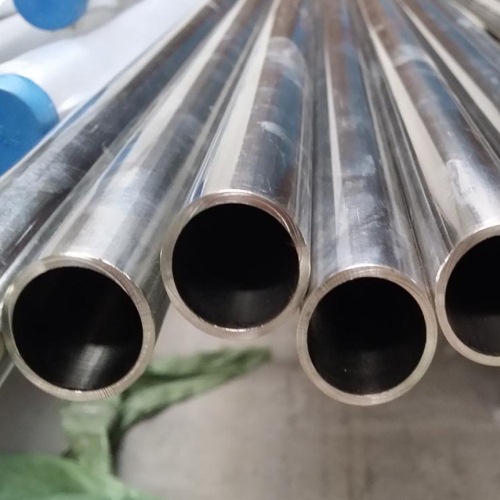
Since904L tubes are made of a high-strength nickel-chromium alloy, they can be used in heat exchangers and pressure vessels. Its chemical stability is not affected by sodium chloride or other dangerous chemicals. This makes it perfect for use indoors or in places where there is a lot of chlorine.
This high-alloy austenitic stainless steel tube is a popular choice because it works well in our climate and can also be used in harsh environments.
Because of its great mechanical properties, it can stand up to high temperatures and pressures without breaking or changing shape. Also, it is very resistant to fatigue, which means that it won’t break down quickly if it is used a lot or abused.
Benefits: keeps the air clean, helps the health care industry, makes chemical pulp and paper, makes metal, gets oil and gas out of the ground, cleans saltwater and brackish water.
For very demanding systems, a low-carbon alloy of stainless steel 904L with non-stabilized austenitic properties is highly sought after. Copperis also added to the high alloy stainless steel tube to improve its quality. This makes sure that the tube stays sharp and strong, so it always works well. In general, this steel is resistant to acidic reducing agents like concentrated sulfuric acid. It is also resistant to cracking, stress corrosion, crevice corrosion, and crack expansion, which makes it perfect for all climates.
How can 904L stainless steel tube help stop pollution?
Stainless steel 904L tubes are a good choice for pollution control because they do not rust. Chromium and molybdenum, which are found in the alloys that are used to make these tubes, make them resistant to corrosion.
Stainless Steel 904L Tubes are often used to make gas purifiers, carbon dioxide cleaners, and other machines that remove dangerous substances from the air or water. This material can also be used in chemical plants because it doesn’t rust when exposed to acids and bases.
SS904L tubes are used in many fields, such as chemicals, electricity, petrochemistry, sensing oil, and sensing. This material is used because it is resistant to corrosion and is easy to work with. Because it has a lot of molybdenum and nickel, stainless steel 904L can be used for things that need to meet certain requirements. It also keeps pollution out of the environment, which is why many industries use it as their main material.
The alloy also has a high specific strength, which makes it good for applications that use high pressure, like oil refineries that use high-pressure steam or gases.
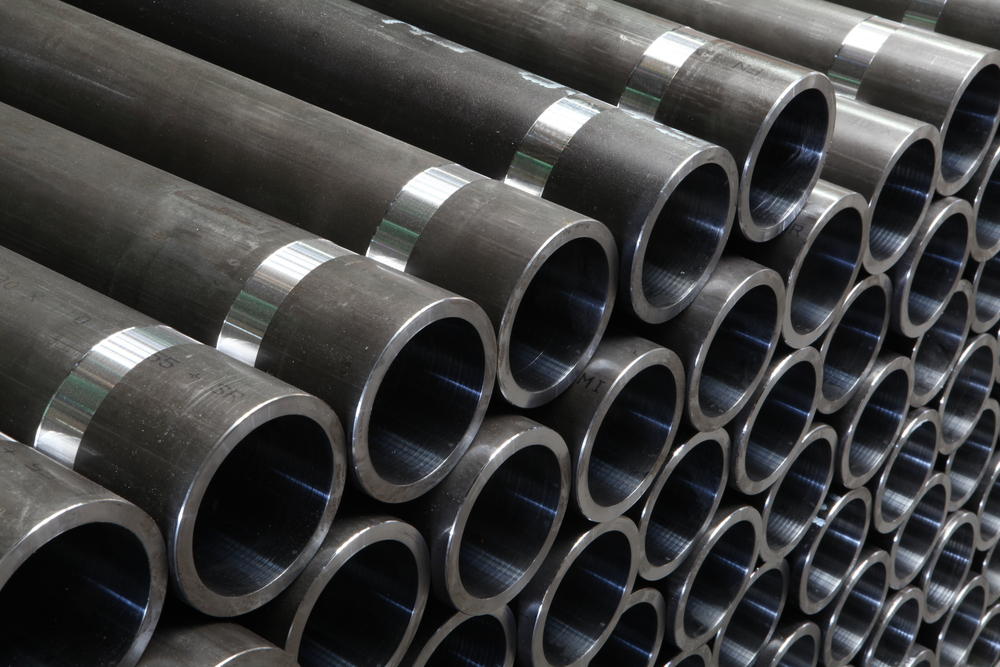
What is a Scheduled 40 Steel Pipe?: The most common pipe schedule is Schedule 40 steel pipe. It can be galvanized but isn’t required, and it’s commonly used in water and gas lines. It can also show up in spots that require decoration or support
Beryllium copper is a copper alloy containing less than 3% beryllium and occasionally additional elements. Beryllium copper combines great strength with non-magnetic characteristics and no sparking. This material excels at metalworking, shaping, and machining. It has advanced toxicology equipment, musical instruments, precision measurement devices, weapons, and aerospace applications. Beryllium alloys are hazardous when inhaled during the manufacturing process.
Typical Copper
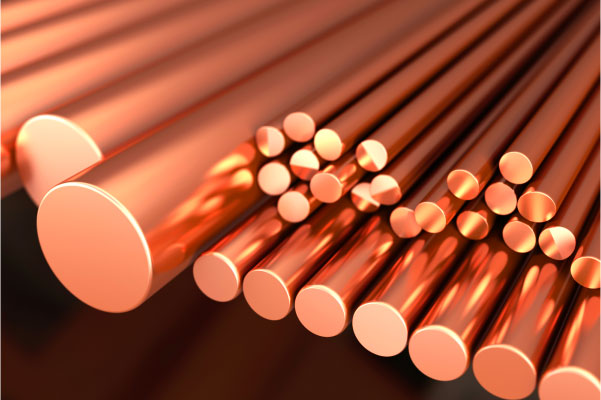
Copper, It’s a ductile, light metal with excellent thermal and electrical conductivity. The color of a freshly exposed pure copper coating is pinkish-orange. Copper is utilized as a heat and energy conductor, a construction material, and a component in a variety of metal alloys, including sterling silver for jewelry, cupronickel for naval equipment and coins, and constant for temperature computation in strain gauges and thermocouples.
Beryllium copper vs Regular Copper
Despite the fact that beryllium copper and copper have certain similarities in terms of nomenclature and qualities, it is clear that the two materials should not be used interchangeably. Beryllium copper (BeCu) is a copper alloy made up of cobalt, iron, nickel, zinc, and, in most cases, beryllium. Beryllium copper has unusual qualities that allow it to combine with other metals.
Copper is a fragile metal, and beryllium copper is used for its superior quality. Beryllium copper gets the highest quality rating out of any copper compound. Because the amalgam can be consolidated to extremely high hardness, beryllium copper is also utilized to deliver springs. Contrary to popular belief, beryllium copper can be produced using. Beryllium copper is recognized for its wide-going modern uses which are commonly utilized in the creation of inner segments. Copper is mostly used for aesthetic purposes, but Beryllium copper is used for hardness and weakness resistance.
Copper and beryllium metal have some characteristics in common, but they differ in other ways. The addition of these metals to copper gives it all of its unique characteristics (BeCu).
Thermal and Electrical Conductivity
Warmth and electrical conductivity are two properties of copper and beryllium copper. Copper has a 100 percent electrical conductivity, but Beryllium copper values range from 15 to 30% elsewhere. While Beryllium copper’s conductivity is slightly lower than copper’s, the combination of this degree of conductivity and the other beneficial qualities of Beryllium copper is unique for a metal.
Formability and Hardness
Because copper is porous and requires oxygen, it should be linked during welding. While copper is known for being a gentler metal, Beryllium copper is notable for its quality. To be honest, it has the highest copper-dependent obstruction of any combination. Beryllium copper, commonly known as spring copper, may be hardened to an incredible degree of hardness after being shaped into springs or other intricate shapes.
The copper of Beryllium, unlike certain other copper alloys, can be produced with or against the grain. This increases the amount of flexibility with which the metal may be manipulated.
Uses
Copper is most typically used in applications and products that are visually appealing. It’s sometimes utilized as a decorative element. Beryllium copper, on the other hand, is better known as an automotive product alloy and is commonly used in internal components. It is employed for its physical features, particularly its fatigue strength and hardness, rather than for its appearance.
Read More :
Why are tools made of beryllium copper so expensive? : From a structure point of view, no other material has its mix of physical and mechanical qualities that are so appropriate to explicit requesting applications. Notwithstanding, these equivalent beryllium copper properties can make machining troublesome.
Uses of Beryllium Copper in telecommunications and Electronic Industry: Beryllium Copper is a metal that is used in the production of electronics, telecommunications, and aerospace. It has many uses in these industries including using it as an electrical conductor, capacitor, and resistor.
Steel is one of the most adaptable materials, as it can be produced into virtually any shape. Do you know why the steel sector uses the welding technique more frequently? Welding is the process of joining two or more steel products together by applying pressure, heat, or both. Welding is the preferred method for manufacturing metals in the pharmaceutical, petrochemical, food, beverage, and allied industries, according to many steel dealers in India. One of the major issues with carbon steel is that it does not disperse heat uniformly. As a result, the carbon steel rusts, embrittles, and warps. Let us look at some welding tips for fabricating carbon steel for equal heat distribution in this post.
Right filler metal:
The most important welding tip for fabricating carbon steel is to select the appropriate filler metal. Unalloyed or alloy metals that are heated, melted, liquified, and allowed to flow between two joining metals are referred to as filler metals. This filler metal provides the essential strength and corrosion resistance to the welded metals. As a result, the filler metal you employ to weld the carbon steel might alter the quality and strength of the finished product. To select the appropriate filler metal, first, analyze the dimensions of both the welded metal and the filler metal. Otherwise, the weld will be too weak because the filler metal is too thin or equal to the base metal.
Similarly, because various chemical qualities can weaken the welding process, the base and filler metals should have the same chemical composition. Steel providers, for example, utilize 316L metal as filler metal when welding 316 austenitic stainless steel. Low carbon content and trace levels are indicated by the letter “L.”
Preparations:
Proper welding preparation is another fantastic piece of advice to consider when manufacturing carbon steel. Carbon steel is delicate steel that is quickly polluted by dirt and dust particles, as we all know. As a result, make sure your workstation and instruments are clean before welding the carbon steel. If proper preparation is not done, the metal’s corrosion resistance and strength will deteriorate over time. Use a brush made specifically for cleaning carbon steel. Kalpataru Piping Solutions provides the highest quality carbon steel for a variety of industrial and commercial applications.
Gas coverage:
Third, give the welding the most gas coverage possible to reduce oxidation. Instead of increasing the gas input, use enough shielding gas and a larger face shield when welding metal. Similarly, the input gas or shielding gas should be carefully chosen because it can impact the metals’ characteristics. Argon and carbon dioxide, helium, argon, and carbon dioxide, and argon and oxygen are the most popular shielding gas combinations.
As a result, follow these guidelines to properly produce carbon steel with optimum heat distribution. We are the greatest steel dealer in the city, providing high-quality and precise steel tubes, pipes, and other items.
Read More :
A Fantastic Industrial Product: Carbon Steel Pipe Fittings: There are numerous evaluations or qualities of carbon steel pipe fittings and they are accessible in various divider thicknesses. We have seen that reasonable pressure is utilized to figure out what divider thickness is required. The suitable pressure is a component of both the metallurgy of the material and the technique for the maker.
What Is the Difference Between Alloy and Carbon Steel: Alloy steel is a kind of steel that has the nearness of certain different components separated from iron and carbon. Carbon steel is otherwise called plain steel and is an alloy of steel where carbon is the primary constituent and no base level of other alloying components is referenced.
Pipes are used to managing a structure’s plumbing, sewage, electrical, and HVAC systems in a number of residential applications. Pipes are a versatile material in the home since they are designed to promote fluid transmission and flow. Most of the utilities in this sort of structure will not function unless these materials are present.
Pipelines come in a variety of shapes and sizes, and their utility varies based on the application. While pipes are most commonly used to transport fluids, they can also be utilized to store electric lines or even as ornamental elements. Continue reading to learn more.
Plumbing
Plumbing pipes are widely utilized to guarantee that plumbing systems are in place in residential environments. Every home has its own water distribution system. These materials are typically coupled to other components, such as water meters, which help determine the monthly water usage of the building. This information aids water service companies in billing and even fixing plumbing problems.
Steel pipes are the most preferred due to their various features, despite the fact that cast iron pipes are still utilized in older residences. Steel is a ductile metal that can be shaped into a variety of shapes. This makes pipe installation and maintenance much easier, which is helpful during repairs. Steel pipes also have the advantage of being long-lasting; they can last for up to five decades without being harmed.
Sewage
Sewerage pipes, which aid in the redirection of wastewater flow out of the structure, are another application that can be seen in homes. Typically, sewage effluent is stored in septic tanks. The waste materials might be disposed of in an external filtration plant or processed on-site in the tank.
Steel pipes, as previously stated, are strong enough to sustain unexpected pressure fluctuations in fluid flow. As a result, they’re a fantastic choice for sewage system material. They don’t leak, fracture, or develop pitting corrosion, which can cause leaks and seam breaks in pipes.
Steel pipes prevent undesired impurities from entering the soil when wastewater flows into it; after all, this might be detrimental to the foundation of the building. The pipes also prevent wastewater from being regurgitated into water basins or containers like sinks, bathtubs, shower floors, or other indoor drains.
Electrical Conduits
It is also possible to power all of the electrical utilities within a home with the proper installation and design of electrical equipment. This is accomplished by ensuring that all electrical wiring is well-organized and devoid of external objects that could disrupt the power supply of a structure.
Pipes can also be used to house electrical conduits in any home, so keep that in mind. Several variations may exist depending on the substance. Rigid metal conduit pipes, electrical metallic tubing, and rigid polyvinyl chloride (PVC) pipes are examples of these.
Electrical conduit pipes have lower diameters than sewage pipes, ranging from 20 millimeters to 32 millimeters, depending on the supplier. They protect wires from the elements and can be found in subterranean power lines or exposed wiring in homes.
Decorative
As a result, they can also be utilized as decorative items. Clothing racks, pen holders, flower pots, storage facilities, and a variety of other items can all be made out of repurposed pipes.
For ornamental reasons, steel pipes are better than other types of pipes because they can be recycled forever without losing their properties. You can create any custom-built object out of recycled steel pipes if you have the right tools and supplies.
HVAC Systems
Other residential pipe applications can be found in the HVAC systems of the building. Refrigerators, air conditioners, condenser units, water heaters, water pumps, and other forms of ventilation systems are examples.
Various pipe types—whether copper, cast iron, or PVC—are still extensively used in HVAC systems because of their ability to withstand pressure and temperature fluctuations without causing damage to the material. Steel pipes, for example, are fire-resistant because they do not burn. This is beneficial for any HVAC system that is solely for heating and cooling. Copper pipes, on the other hand, are perfect for outdoor air conditioning condenser units, while PVC-based pipes are typically found in ventilation equipment.
Read More :
Inconel vs Hastelloy: Inconel is a corrosion-resistant, oxidation-resistant alloy that performs well in high-temperature, high-pressure conditions. Hastelloy is a nickel-molybdenum alloy with a high melting point. It is available in a variety of grades, the bulk of which are nickel-chromium-molybdenum alloys.
What is Scheduled 40 Steel Pipe? : The most common pipe schedule is Schedule 40 steel pipe. It can be galvanized but isn’t required, and it’s commonly used in water and gas lines. It can also show up in spots that require decoration or support.