As a result, instead of 2023-24 as proposed in the scheme guideline announced in October, the release of incentives under the scheme would begin in 2024-25.
The application deadline for the Rs 6,322-crore production-linked incentive (PLI) scheme for specialty steel is set to be extended by a month, to May 30. Several changes to the system, including the inclusion of sub-categories and small players, have prompted an extension of the deadline, according to sources. The steel ministry has already held a meeting with the Cabinet Secretary to finalize the scheme’s adjustments.
The scheme covers five broad product groups and 25 product subcategories: coated or plated steel products, high strength or wear-resistant steel, specialty rails, alloy steel goods, and electrical steel.
The application deadline has already been extended once. Applicants were given a window from December 29 to March 29 to apply for the plan, but it was extended by nearly a month to April 30. The extension was granted to allow for some adjustments to the plan that were requested by the sector.
Meanwhile, the administration postponed the scheme’s implementation by a year in December. The five-year plan will begin in 2023-24, rather than the previously scheduled 2022-23. As a result, instead of 2023-24 as proposed in the scheme guideline announced in October, the release of incentives under the scheme would begin in 2024-25. In July 2021, the cabinet authorized the PLI program for specialty steel.
The incentive payable shall not exceed the budgeted allotment for the scheme because it is a fund-limited scheme. Furthermore, the annual incentive given across all product categories, including group firms and joint ventures, will be capped at ‘200 crore per qualified enterprise.
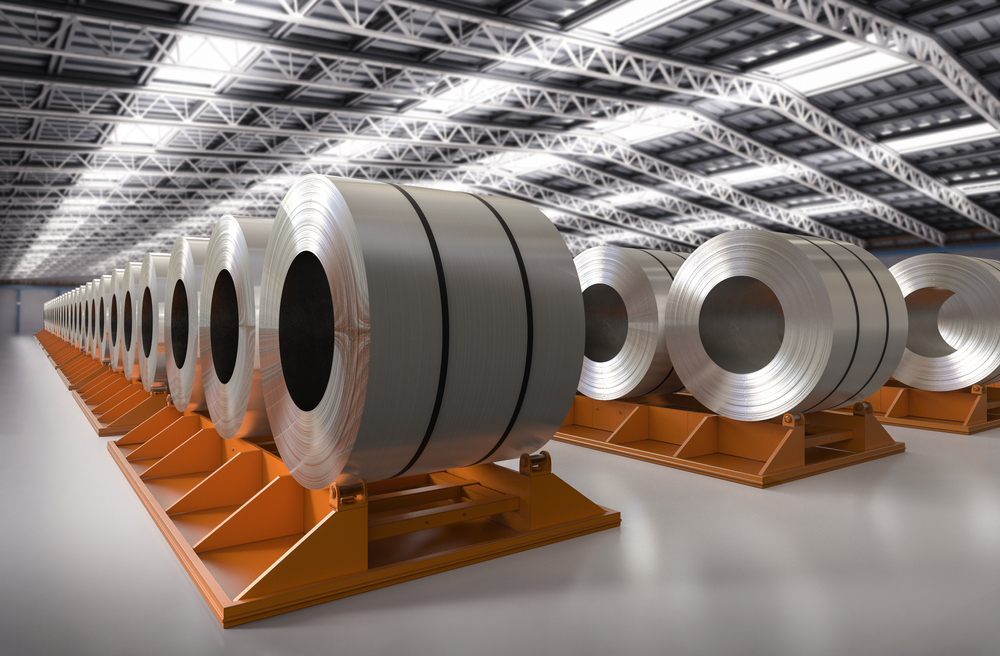
Specialty steel is a value-added variety in which conventional finished steel is transformed into high-value-added steel through the coating, plating, heat treatment, and other processes for usage in a range of strategic areas such as defense, space, power, and cars, among others. Imports worth around Rs 30,000 crore help India meet domestic demand.
The PLI scheme’s goal is to encourage domestic production of specialty steel grades and to assist the Indian steel sector is maturing technologically and moving up the value chain.
“Specialty of steel production is estimated to reach 42 million tonnes by the end of 2026-27.” This will result in the production and consumption of around Rs 2.5 trillion worth of specialty steel in the country, which would otherwise be imported. Similarly, specialty steel exports will increase to about 5.5 million tonnes from the present 1.7 million tonnes, generating forex of Rs 30,000 crore, according to the government.
Read More :
What is Scheduled 40 Steel Pipe, and what is it used for? : The most common pipe schedule is Schedule 40 steel pipe. It can be galvanized but isn’t required, and it’s commonly used in water and gas lines. It can also show up in spots that require decoration or support.
WHAT IS STEEL AND HOW IS IT MANUFACTURED? : Stainless steel has a wide range of applications in both the industrial and consumer markets due to its superior corrosion resistance, high strength, and appealing look.
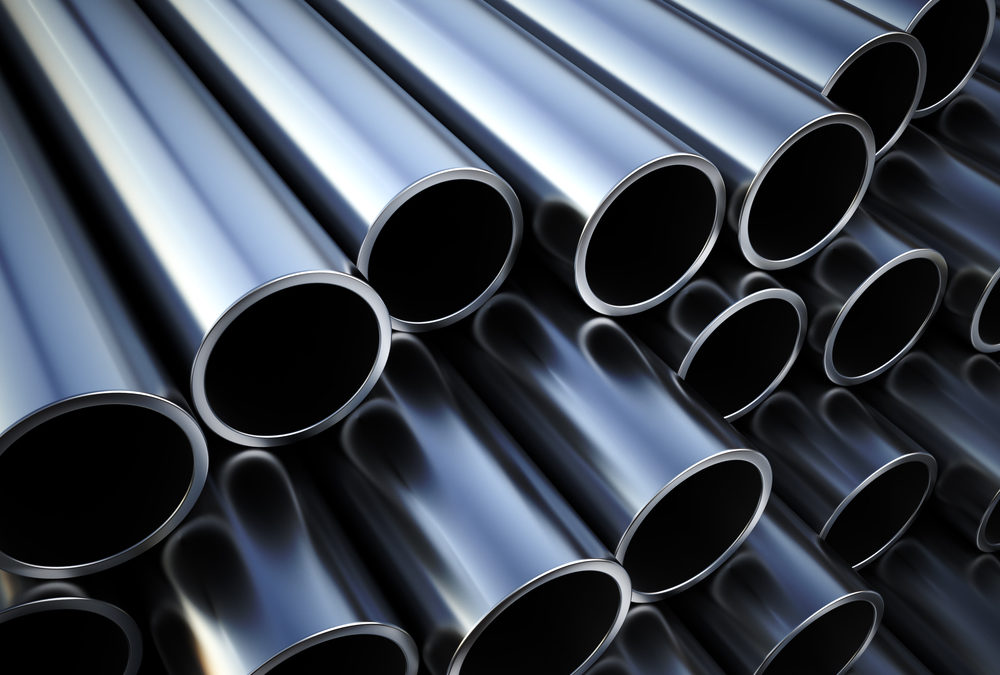
The most common pipe schedule is Schedule 40 steel pipe. It can be galvanized but isn’t required, and it’s commonly used in water and gas lines. It can also show up in spots that require decoration or support.
Because of its adaptability and performance strength, it makes an excellent pipe. Let’s talk about what schedule 40 steel pipe is and why it could be the correct choice for many projects now that it’s under so much pressure to perform.
What Is a Pipe Schedule and How Does It Work?
A pipe schedule (SCH) is a measurement of the nominal wall thickness of a steel pipe.
Metal fabricators previously employed three pipe sizes: standard, extra strong, and double extra strong. However, just having these three undefined dimensions wasn’t enough. Steel pipes are now available in 14 distinct schedules.
Schedule 40 is the most widely utilized.
What exactly does the term “schedule 40 pipes” mean?
The dimensionality of the numbers on the pipes is unknown. In other words, SCH 40 does not imply a pipe diameter of 40 millimeters or 40 inches.
The ASME B36.10M standard, which governs seamless and welded steel pipe dimensions, determines the characteristics for each schedule. The numerals that denote each size are determined by ASME B36.10M.
Schedule 40 Steel Pipe Grades
Mild steel is used to make the majority of schedule 40 steel pipe. This indicates that it contains between 0.2 and 0.25 percent carbon. This is extremely low, resulting in a mostly ferrous alloy.
Steelmakers galvanize SCH 40 steel pipe to increase corrosion resistance. Galvanizing implies coating the steel with a layer of zinc. If this isn’t an option, schedule 40 pipe is also available in stainless steel.
Although A53 steel pipe is the most usually associated with SCH 40 steel pipe, this schedule is also available in other grades.
Dimensions of Schedule 40 Steel Pipe
Wall thickness and outer diameter are used to determine thickness. A 1/8th-inch nominal size schedule 40 pipe, for example, has an outer diameter of 0.405 inches and a wall thickness of 0.068 inches. It weighs 0.245 pounds per square foot.
The 4-inch schedule 40 steel pipe is a more prevalent pipe. The outside diameter of this pipe is 4.5 inches, with a wall thickness of 0.237 inches and a weight per foot of 10.79 pounds.
When it comes to steel pipe, what size is schedule 40?
This steel pipe is available in a number of sizes. The pipe’s length, nominal diameter, real interior diameter, and actual exterior diameter all fall within acceptable limits.
For example, a 2.5-inch-diameter schedule 40 pipes will have a real internal diameter of 2.469 and an actual outer diameter of 2.875.
We can supply or cut scheduled 40 steel pipes in practically any length.
Schedule 40 Steel Pipe’s Weight
In general, the weight per foot is roughly 1.68 pounds.
What is the maximum weight that a schedule 40 steel pipe can support?
The amount of weight it can support is determined by a number of factors. A normal pipe, made of A53-grade black steel, has a yield strength of 30,000 pounds per square inch.
Given that knowledge…
Let’s say you have a four-foot span with a one-inch pipe. With a one-quarter inch permanent deflection, the center should be able to support 300 pounds. If you add another 50 pounds to that pipe, it will collapse on you.
Schedule 40 Steel Pipe Chemical Composition
The nominal wall thickness of the Schedule 40 pipe is not the same as the grade. As a result, the chemical composition of a pipe schedule is not always consistent.
Schedule 40 pipe, on the other hand, is made of low-carbon steel, often grade A53 steel pipe. The chemical composition of A53 steel varies depending on the type of weld, however as an example, type S seamless weld A53 steel looks like this:
Carbon – 0.25% (max)
Manganese – 0.95% (max)
Phosphorous – 0.05% (max)
Sulfur – 0.045% (max)
Copper – 0.4% (max)
Nickel – 0.4% (max)
Chromium – 0.4% (max)
Molybdenum – 0.15% (max)
Vanadium – 0.08% (max)
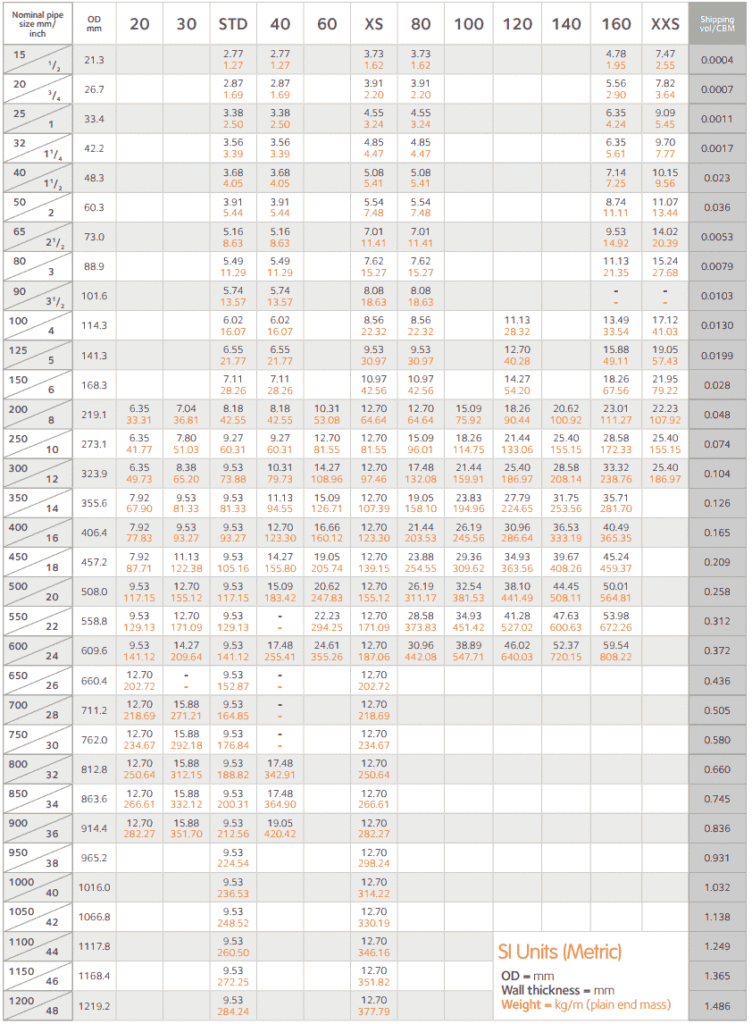
The dimensions, wall thickness, and weight of the Schedule 40 Pipe are listed below.
Nominal sizes
Outside diameter
Pipe Wall thickness
Weight Chart
inches
OD in inches
OD in mm
inches
mm
lb/ft
kg/m
1/8
0.405
10.3
0.068
1.73
0.24
0.37
1/4
0.540
13.7
0.088
2.24
0.42
0.84
1/2
0.840
21.3
0.109
2.77
0.85
1.27
3/4
1.050
26.7
0.113
2.87
1.13
1.69
1
1.315
33.4
0.133
3.38
1.68
2.50
1 1/4
1.660
42.2
0.140
3.56
2.27
3.39
1 1/2
1.900
48.3
0.145
3.68
2.72
4.05
2
2.375
60.3
0.154
3.91
3.65
5.44
2 1/2
2.875
73.0
0.203
5.16
5.79
8.63
3
3.500
88.9
0.216
5.49
7.58
11.29
3 1/2
4.000
101.6
0.226
5.74
9.11
13.57
4
4.500
114.3
0.237
6.02
10.79
16.07
5
5.563
141.3
0.258
6.55
14.62
21.77
6
6.625
168.3
0.280
7.11
18.97
28.26
8
8.625
219.1
0.322
8.18
28.55
42.55
10
10.750
273.0
0.365
9.27
40.48
60.31
12
12.750
323.8
0.406
10.31
53.52
79.73
14
14
355.6
0.375
11.13
54.57
94.55
16
16
406.4
0.500
12.70
82.77
123.30
18
18
457.0
0.562
14.27
104.67
155.80
20
20
508.0
0.594
15.09
123.11
183.42
24
24
610.0
0.688
17.48
171.29
255.41
32
32
813.0
0.688
17.48
230.08
342.91
A conversion chart below shows the relationship between pipe size, schedules, and wall thicknesses.
Metric diameter
Inch
Out diameter
Out diameter points to the thickness
A
B
ASME
STD
SCH40
SCH80
8
1/4′
–
–
–
–
10
3/8
–
–
–
–
15
1/2″
21.3
2.77
2.77
3.73
20
3/4″
26.7
2.87
2.87
3.91
25
1″
33.4
3.38
3.38
4.55
32
1.1/4″
42.2
3.56
3.56
4.85
40
1.1/2″
48.3
3.68
3.68
5.08
50
2″
60.3
3.91
3.91
5.54
65
2.1/2″
73
5.16
5.16
7.01
80
3″
88.9
5.49
5.49
7.62
90
3.1/2″
101.6
5.74
5.74
8.08
100
4″
114.3
6.02
6.02
8.56
125
5″
141.3
6.55
6.55
9.53
150
6″
168.3
7.11
7.11
10.97
200
8″
219.1
8.18
8.18
12.7
250
10″
273
9.27
9.27
15.09
300
12″
323.8
9.53
10.31
17.48
350
14″
355.5
9.53
11.13
19.05
400
16″
406.4
9.53
12.7
21.44
450
18″
457.2
9.53
14.27
23.83
500
20″
508
9.53
15.09
26.19
550
22″
558.8
9.53
–
28.58
600
24″
609.6
9.53
17.48
30.96
650
26″
660.4
9.53
–
–
700
28″
711.2
9.53
–
–
750
30″
762
9.53
–
–
800
32″
812.8
9.53
17.48
–
850
34″
863.5
9.53
17.48
–
900
36″
914.4
9.53
19.05
–
950
38″
965.2
9.53
–
–
1000
40″
1016
9.53
–
–
1050
42″
1066.8
9.53
–
–
1100
44″
1117.6
9.53
–
–
1150
46″
1168.4
9.53
–
–
1200
48″
1219.2
9.53
–
–
What is the meaning of NPS (Nominal Pipe Size)?
The NPS size represents the pipe’s approximate inside diameter; if the schedule number on a set size is changed, the inside diameter (ID) but not the outside diameter (OD) is affected (OD). Nominal Pipe Sizing was developed by the American Standard Association to replace the previously employed Iron Pipe Sizing. This North American standard is used for high or low-pressure and temperature pipes.
NPS
OD
SCH
Wall Thickness
ID
1.000”
1.315”
SCH 40
0.133”
1.049” (approx.)
1.000”
1.315”
SCH 80
0.179”
0.957” (approx.)
All pipes are identified by their NPS and Sch numbers. The schedule number is used to estimate the internal diameter.
Pressure Rating for Schedule 40 Carbon Steel Pipe
Steel Piping diameter od chart, wall thickness, and weight per foot are all available for free.
1 in (inch) = 25.4 mm
1 psi (lb/in2) = 6,894.8 Pa (N/m2) = 6.895×10⁻² bar
Maximum Allowable Pressure (psi) (kPa)
NPS
Outside Diameter (OD)
Schedule
(in)
(in)(mm)
40
1/4
0.5413.7
798555057
3/8
0.67517.1
660645548
1/2
0.8421.3
635843838
3/4
1.0526.7
527336357
1
1.31533.4
495634172
1 1/4
1.6642.2
413328497
1 1/2
1.948.3
373925780
2
2.37560.3
317721905
2 1/2
2.87573
346023857
3
3.588.9
302420850
3 1/2
4102
276919092
4
4.5114
258117796
5
5.563141
227315672
6
6.625168
207114280
8
8.625219
182912611
10
10.75273
166411473
12
12.75324
156010756
14
14356
153310570
16
16406
153110556
18
18457
153010549
20
20508
145510032
22
22559
24
24610
14059687
30
30762
32
32813
10547267
34
34864
9926840
36
36914
10217040
42
421067
8756033
Pipe Dimensions and Wall Thickness for Schedule 40
PipeSizes*
O.D.(in.)
Schedule (40) PipeWall Thickness (in.)**
Sch.40
Wall (in)
I.D. (in)
1/8″
0.41 od
0.07 in
0.269 id
Weight(lbs/ft.)
Steel
0.247 lbs/ft
Stainless
Aluminum
1/4″
0.54 od
0.090 in
0.364 id
Weight(lbs/ft.)
Steel
0.429 lbs/ft
Stainless
Aluminum
0.147 lbs/ft
3/8″
0.675 od
0.091 in
0.493 id
Weight(lbs/ft.)
Steel
0.570 lbs/ft
Stainless
Aluminum
0.196 lbs/ft
1/2″
0.840 od
0.109 in
0.622 id
Weight(lbs/ft.)
Steel
0.850 lbs/ft
Stainless
Aluminum
0.294 lbs/ft
3/4″
1.050 od
0.113 in
0.824 id
Weight(lbs/ft.)
Steel
1.13 lbs/ft
Stainless
Aluminum
0.391
1″
1.315 od
0.133 in
1.049 id
Weight(lbs/ft.)
Steel
1.68 lbs/ft
Stainless
Aluminum
0.581 lbs/ft
1-1/4″
1.66 od
0.140 in
1.380 id
Weight(lbs/ft.)
Steel
2.27 lbs/ft
Stainless
Aluminum
0.785 lbs/ft
1-1/2″
1.90 od
0.145 in
1.610 id
Weight(lbs/ft.)
Steel
2.72 lbs/ft
Stainless
Aluminum
0.939 lbs/ft
2″
2.375 od
0.154 in
2.067 id
Weight(lbs/ft.)
Steel
3.66 lbs/ft
Stainless
Aluminum
1.260 lbs/ft
2-1/2″
2.875 od
0.203 in
2.469 id
Weight(lbs/ft.)
Steel
5.80 lbs/ft
Stainless
Aluminum
2.000 lbs/ft
3″
3.50 od
0.216 in
3.068 id
Weight(lbs/ft.)
Steel
7.58 lbs/ft
Stainless
Aluminum
2.620 lbs/ft
3-1/2″
4.00 od
0.226 in
3.550 id
Weight(lbs/ft.)
Steel
9.12 lbs/ft
Stainless
Aluminum
3.150 lbs/ft
4″
4.50 od
0.237 in
4.026 id
Weight(lbs/ft.)
Steel
10.80 lbs/ft
Stainless
Aluminum
3.730 lbs/ft
5″
5.563 od
0.258 in
5.047 id
Weight(lbs/ft.)
Steel
14.63 lbs/ft
Stainless
Aluminum
5.050 lbs/ft
6″
6.625 od
0.280 in
6.065 id
Weight(lbs/ft.)
Steel
18.99 lbs/ft
Stainless
Aluminum
6.560 lbs/ft
8″
8.625 od
0.322 in
7.981 id
Weight(lbs/ft.)
Steel
28.58 lbs/ft
Stainless
Aluminum
9.88 lbs/ft
*Nominal sizes apply; Pipe Size is a generic Industry Size Standard that is solely used as a guide. ** Each manufacturer’s tolerances may differ slightly.
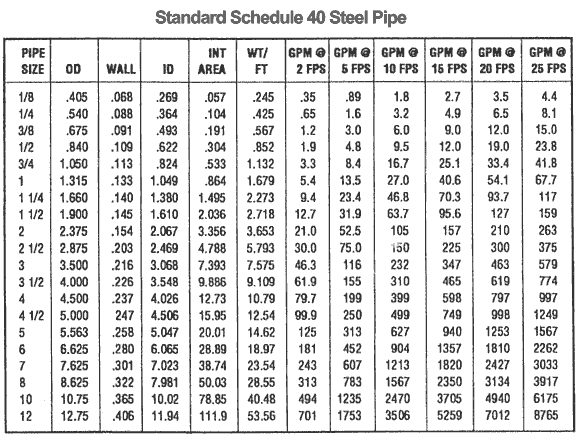
Schedule 40 Steel Pipe Sizes and Flow Rates
Nominal Wall Thickness of Schedule 40 Steel Pipe
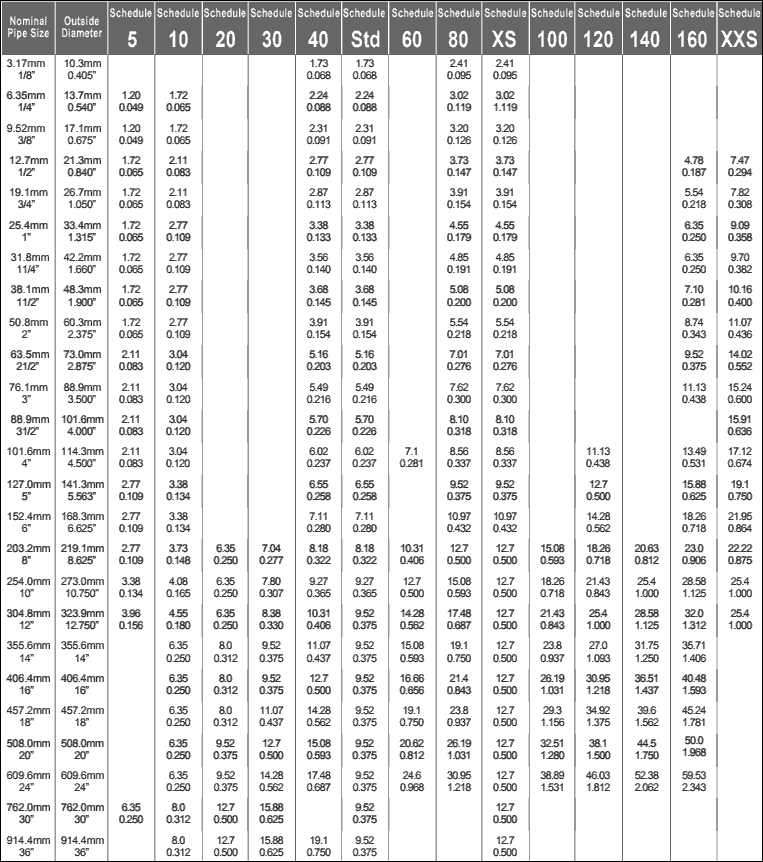
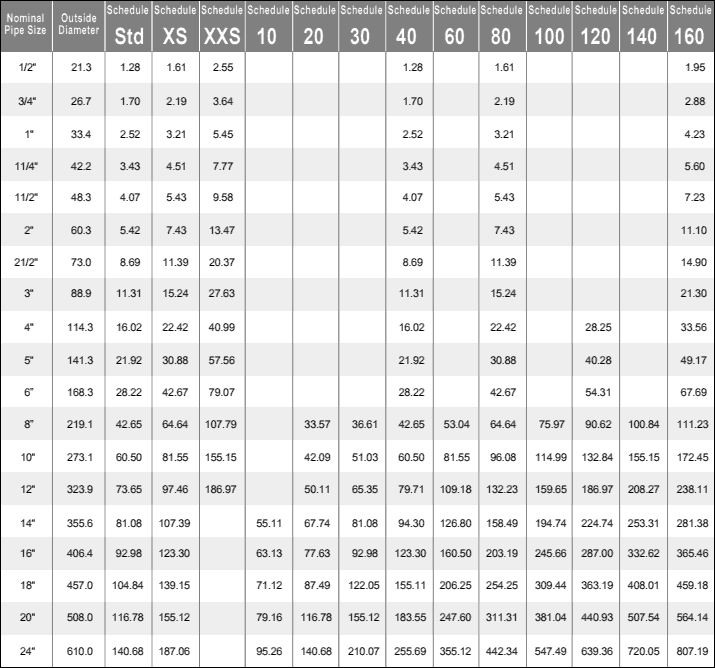
Pipe Schedule Chart ANSI/ASME B36.10M
Schedule 40 Carbon Steel Line Pipe Weight Chart
SCH 40 Nominal pipe size (NPS)
NPS
1/2
3/4
1
1¼
1½
2
2½
3
3½
4
DN
15
20
25
32
40
50
65
80
90
100
Notes:
The corresponding DN = 25 multiplied by the NPS number for NPS 4.
From NPS 12 onwards, the wall thickness between SCH 40 and STD differs, and from NPS 10 onwards, the wall thickness between schedule 80 and XS differs.
In India, you may get 2-inch Schedule 40 galvanized and black steel pipe at a low price.
INCH
NPS
Schedule 40 ASTM A106/ A53/ API 5L Grade B Seamless Pipe Price
MSL
ISMT
JSL
USL
BAO
Lontrin
SMTM
TENARIS
V&M
Wuxi
1/2
15
1,313.53
1,316.18
1,330.88
–
1,029.41
1,036.76
1,460.59
1,396.06
1,425.47
1,012.06
3/4
20
1,112.94
1,095.59
1,110.29
–
954.88
963.24
1,250.00
1,176.47
1,205.88
938.53
1
25
946.88
948.53
963.24
–
881.35
889.71
1,102.94
1,029.41
1,058.82
875.00
1.25
32
911.76
904.41
919.12
–
851.94
860.29
1,058.82
985.29
1,014.71
845.59
1.5
40
818.82
821.47
816.18
–
807.82
816.18
955.88
882.35
911.76
821.47
2
50
799.12
786.76
821.47
–
622.65
625.00
948.18
869.65
899.06
612.29
2.5
65
799.12
786.76
821.47
–
622.65
625.00
948.18
869.65
899.06
612.29
3
80
799.12
786.76
821.47
–
622.65
625.00
948.18
869.65
899.06
612.29
3.5
90
799.12
786.76
821.47
–
622.65
625.00
948.18
869.65
899.06
612.29
4
100
799.12
786.76
821.47
755.29
622.65
625.00
948.18
869.65
899.06
612.29
5
125
799.12
786.76
821.47
755.29
622.65
625.00
948.18
869.65
899.06
612.29
6
150
799.12
786.76
821.47
755.29
622.65
625.00
948.18
869.65
899.06
612.29
8
200
799.12
786.76
821.47
755.29
647.06
654.41
948.18
869.65
899.06
639.71
10
250
799.12
786.76
–
755.29
647.06
654.41
948.18
869.65
899.06
639.71
12
300
862.94
–
–
755.29
647.06
654.41
1,000.00
926.47
955.88
639.71
14
350
862.94
–
–
755.29
661.76
669.12
1,000.00
926.47
955.88
654.41
16
400
886.35
–
–
–
661.76
669.12
1,029.41
955.88
985.29
654.41
18
450
886.35
–
–
–
676.47
683.82
1,029.41
955.88
985.29
669.12
20
500
886.35
–
–
–
676.47
683.82
1,029.41
955.88
985.29
669.12
22
550
–
–
–
–
705.88
713.24
1,176.47
1,029.41
1,132.35
698.53
24
600
–
–
–
–
705.88
713.24
1,176.47
1,029.41
1,132.35
698.53
Difference Pipe is divided into two schedules: Schedule 40 and Schedule 80.
Pipes in the schedules 40 and 80 are quite similar. They’re so similar, in fact, that some people mix them up.
Schedule 40 pipe, on the other hand, has thinner walls than schedule 80. As a result of its ability to withstand higher pressures than schedule 40, schedule 80 is commonly employed in commercial applications.
How can you tell if a schedule 40 pipe can withstand the pressure?
You can use a mathematical formula to figure out if schedule 40 or schedule 80 is better for your project.
(1,000)*(P/S) = SCH
The internal working pressure of the pipe is P, and the amount of stress that the material can withstand is S in this equation.
For example, if your pipe has a S value of 12,000 and an internal working pressure of 450 psi, your equation would be:
37.5 = (1,000) * (450/12,000)
Because 37.5 is so near to SCH 40, you should be fine with that schedule.
Sch 40 Steel Pipe is used in the following industries.
Many companies, particularly those that require to provide air, gas, or water at high temperatures, use SCH 40 steel pipe. This schedule pipe is also commonly used in construction, where its diameter, strength, and reactivity make it a dependable option.
Sch 40 Steel Pipe is used in a variety of applications.
Schedule 40 steel pipes can be found in most hardware stores. This product is popular among DIYers for use in creative projects. Curtain rods, bookcases, coat hooks, floor lights, and magazine racks are all made from Schedule 40 steel tubing.
steel pipe, schedule 40
Of course, the oil and gas industry uses scheduled 40 pipes to carry high-temperature, high-pressure liquids for commercial and residential structures.
Steel Pipe Schedule 40 Prices
Schedule 40 steel pipe prices vary greatly depending on length, grade, and volume at the time of purchase. If you purchase a large quantity of pipe directly from a firm that provides quality fabrication services, such as Kalpataru Piping Solutions, your expenses will be significantly lower than if you purchased the identical product from Home Depot.
Read More :
HOW IS STAINLESS STEEL MADE? : Most stainless steel begins its existence in a similar way before being processed. The steel alloy’s numerous features are determined by this procedure, as well as the actual composition of the steel alloy.
Steel Pipe Scaffolding’s Benefits: Scaffolding is an important part of any project involving the construction, repair, or maintenance of a building. We use them to create a temporary platform for aid employees to work on the building’s hard-to-reach areas. Steel pipe scaffolding is one of the most common types of scaffolding,
Stainless steel has a wide range of applications in both the industrial and consumer markets due to its superior corrosion resistance, high strength, and appealing look.
But how does stainless steel get from trash or refined ores to its ultimate shape and use?
Most stainless steel begins its existence in a similar way before being processed. The steel alloy’s numerous features are determined by this procedure, as well as the actual composition of the steel alloy.
So, in order to comprehend how stainless steel is made, we must first examine its composition.
HOW DOES STAINLESS STEEL WORK AND ITS MEANING?
Stainless steel is a chromium-iron alloy.
While stainless steel must have at least 10.5 percent chromium, the specific components and ratios will differ depending on the grade desired and the steel’s intended application.
Other common additives include:
Nickel
Carbon
Manganese
Molybdenum
Nitrogen
Sulfur
Copper
Silicon
To guarantee that the steel exhibits the desired properties, the exact composition of an alloy is measured and assessed during the alloying process.
Some of the most common reasons for adding other metals and gases to a stainless steel alloy are as follows:
Corrosion resistance improved
Resistance to high temperatures
Temperature resistance is low.
Increased power
The weldability has been improved.
Formability has improved.
Magnetism management
However, the content of your stainless steel isn’t the only aspect in defining its distinct qualities…
The characteristics of steel will be altered much further depending on how it is manufactured.
WHERE DOES STAINLESS STEEL COME FROM?
In the later phases, the exact method for a grade of stainless steel will differ. The way a grade of steel is shaped worked and finished has a big impact on how it appears and functions.
You must first make the molten alloy before you can make a deliverable steel product.
As a result, most steel grades have similar initial stages.
1) Melting
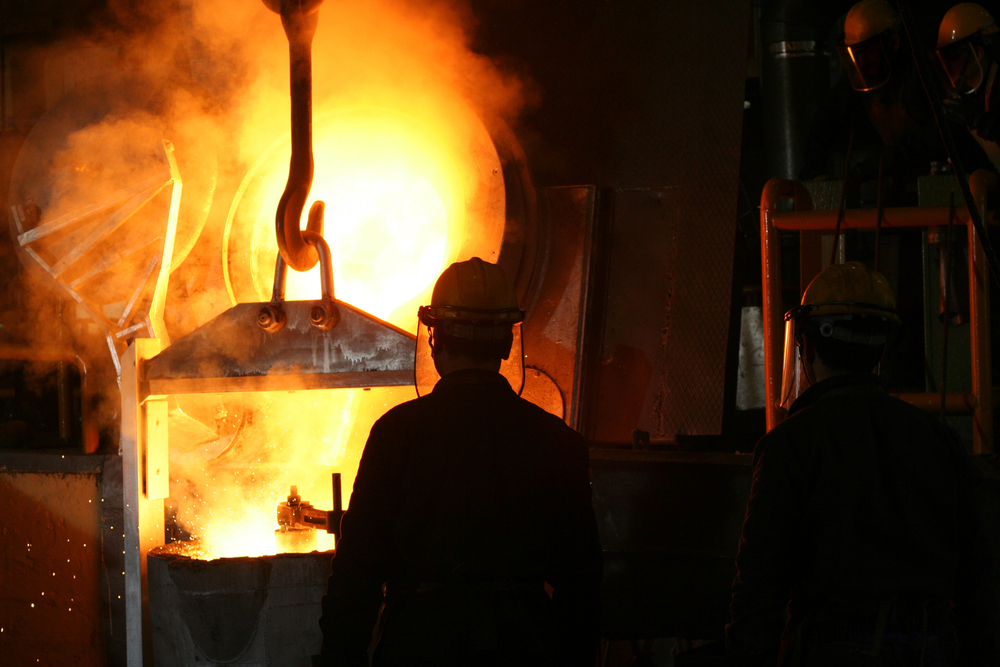
Scrap metals and additives are fused together in an electric arc furnace to generate stainless steel. The EAF uses high-power electrodes to warm the metals over a long period of time, resulting in a molten, fluid slurry.
Because stainless steel is 100% recyclable, many stainless steel orders incorporate up to 60% recycled steel. This not only helps to control expenditures but also helps to lessen environmental effects.
Depending on the type of steel utilized, temperatures will vary.
2) Carbon Content Removal
Carbon contributes to iron’s hardness and strength. Too much carbon, on the other hand, might cause issues, such as carbide precipitation during welding.
Calibration and reduction of carbon content to the right level are required before casting molten stainless steel.
Foundries can manage carbon content in two methods.
Argon Oxygen Decarburization is the first method (AOD). The carbon content of molten steel is reduced by injecting an argon gas combination into it, with minimum loss of other critical constituents.
Vacuum Oxygen Decarburization is another technique employed (VOD). This procedure involves transferring molten steel to a separate chamber where oxygen is introduced into the steel while heat is applied. The vented gases are then removed from the chamber using a vacuum, decreasing the carbon content even more.
Both processes allow for precise carbon content management, resulting in a correct mixing and precise properties in the final stainless steel product.
3) Tuning
After reducing carbon, the temperature and chemistry are finally balanced and homogenized. This guarantees that the metal fits the specifications for the grade it was intended for and that the steel’s composition remains consistent throughout the batch.
Samples are tested and evaluated. The mixture is then tweaked until it satisfies the desired quality.
4) CASTING OR FORMING
The foundry must now produce the rudimentary shape that will be utilized to cool and work the molten steel. The final result will determine the exact form and size.
The following are examples of common shapes:
Blooms Billets Slabs Rods Tubes Forms are then labeled with an identifier to keep track of the batch as it progresses through the various operations.
Depending on the target grade and final product or purpose, the next processes will vary. Plates, strips, and sheets are made from slabs. Bars and wires are made from blooms and billets.
Steel may go through some of these procedures many times depending on the grade or format specified to achieve the required appearance or properties.
The steps that follow are the most common.
Rolling in the heat
This procedure, which is carried out at temperatures greater than the steel’s recrystallization temperature, aids in the setting of the steel’s rough physical dimensions. Throughout the procedure, precise temperature control keeps the steel pliable enough to operate without affecting the structure.
Repeated passes are used to gradually modify the steel’s dimensions. In most cases, rolling through many mills over time will be required to attain the correct thickness.
Rolling in the Cold
Cold rolling is a precise process that takes place below the steel’s recrystallization temperature. The steel is shaped using multiple supporting rollers. This method produces a more appealing and consistent finish.
It can, however, deform the steel’s structure, necessitating heat treatment to restore the steel’s natural microstructure.
Annealing
After being rolled, most steel undergoes an annealing process. It is necessary to use controlled heating and cooling cycles. These cycles aid in the softening of steel and the alleviation of internal stress.
The actual temperatures and periods involved will vary depending on the steel quality, with heating and cooling rates having an impact on the finished product.
Pickling or descaling
Scale forms on the surface of steel when it is processed through various processes.
This accumulation isn’t just unsightly. It can also affect the steel’s stain resistance, durability, and weldability. This scale must be removed in order to create the oxide barrier that provides stainless corrosion and stain resistance.
Descaling or pickling is a method of removing scale that involves either acid baths (acid pickling) or controlled heating and cooling in an oxygen-free environment.
The metal may be rolled or extruded again for further processing, depending on the ultimate product. This is followed by annealing phases until the necessary characteristics are achieved.
Cutting
After the steel has been processed and is ready, the batch is cut to order specifications.
Mechanical methods, such as cutting with guillotine knives, circular knives, high-speed blades, or pounding with dies, are the most prevalent.
Flame cutting or plasma jet cutting, on the other hand, may be utilized for more intricate shapes.
The optimum solution will be determined by the steel grade demanded as well as the desired shape of the finished product.
Finishing
Stainless steel comes in a range of finishes, ranging from matte to mirror. One of the final processes in the manufacturing process is finishing. Acid or sand etching, sandblasting, belt grinding, belt buffing, and belt polishing are all common processes.
The steel is now gathered in its final state and ready to be shipped to the buyer. Large quantities of stainless steel are commonly stored and shipped in rolls and coils for use in various industrial processes. However, the final shape will be determined by the type of steel required as well as other order-specific parameters.
FINAL CONCLUSIONS
Understanding the appropriate stainless steel grades and kinds for various uses and environments is critical to achieving long-term performance and cost savings. There’s a stainless steel alloy to meet your demands, whether you need something strong and corrosion-resistant for marine situations or something beautiful and easy to clean for restaurant use.
Read More :
The Benefits of Using Steel Pipe Scaffolding: Scaffolding is an important part of any project involving the construction, Scaffolding is a temporary structure used to gain access to portions of a building that are high up or far away.
Three Surprising Places to Look for Steel: Steel is a metal that can be used in a variety of applications. Infrastructure, machinery, and appliances are the most typical uses for steel. Even those categories have a wide range of uses.
High-performance materials are required to meet the demands of the vastly expanding industries in order to achieve maximum efficiency. Ordinary steels and alloys are unable to achieve these greater levels of performance. That’s where the high-performance alloys and complicated alloys come into play. They can withstand oxidising conditions and high temperatures with ease. Superalloys are what they’re called.
Nickel, cobalt, and iron are the most common matrix components in these superalloys, and they are classed accordingly. Refractory metals (Nb, Mo, W, Ta), Chromium, and Titanium are among the alloying elements found in them. They have strong mechanical strength, creep resistance, and corrosion resistance, especially at high temperatures. Because of these qualities, they are more difficult to manufacture and more expensive than other alloys. However, they are extremely important for aircraft components.
SOME SUPERALLOY PROPERTIES –
Because superalloys are employed in high-temperature applications, they must keep their shape at temperatures near their melting points (over 650oC or 1200oF). Superalloys can maintain high strength, stability, and corrosion and oxidation resistance at extreme temperatures because they are alloyed with specific elements.
SUPERALLOYS EXAMPLES –
The high-temperature qualities of superalloys are achieved by alloying the matrix element (Ni, Co, or Fe) with several additional elements such as Chromium (Cr), Titanium (Ti), Aluminum (Al), and Boron (B). Some refractory metals, such as Molybdenum (Mo), Cobalt (Co), Niobium (Nb), and Zirconium (Zr), are also included in some situations.
SUPERALLOY PROCESSING –
SUPERALLOY PROCESSING – Superalloys are typically processed using one of two methods: casting or powder metallurgy.
Superalloys are typically prepared using one of two methods: casting or powder metallurgy.
Investment Casting
Wax models or replicas are mostly employed for intricate shapes and are used to build a casing for molten metals. It was the first method to improve upon the previously widespread cold-rolling procedures.
Vacuum Induction Melting (VIM)
Raw metallic materials are melted in a vacuum using electric currents. This technology is referred to as an enhancement over investment casting since it allows for more control over chemical composition.
Secondary Melting
An additional melting step is used after the VIM process to promote homogeneity. It eliminates issues that arise during the first process.
Conversion
This method is used to make the superalloy ingots produced by secondary melting suitable for mechanical purposes. There are various stages of heat deformation in this process.
Direct Solidification
The alloy is allowed to nucleate on a low-temperature surface due to the presence of a thermal gradient. Greater creep resistance is obtained in the grain direction.
Single Crystal Growth
A monocrystalline superalloy component is slowly grown from a seed crystal.
Powder Metallurgy (P/M)
A series of operations are completed in order to produce alloys for critical fatigue applications. A combination of metal powders is used to make superalloys. To bond these metal powders into pieces, chemical forces are used.
Application of Superalloys
Aircraft components, petrochemical equipment, vehicle equipment, chemical plant equipment, and power plant equipment are all examples of superalloy applications.
Future Trends of Superalloys
The synthesis of nanoparticles and lowering the high cost of making unique and complex parts are two potential directions in this sector.
Read More :
Titanium Alloys: Their Benefits and Drawbacks : This progress metal has a silver shading and is portrayed by the low thickness and high quality. These novel properties make it ideal for a scope of various applications, just a couple of which were already mentioned. Titanium is a tremendously helpful metal. Its interesting properties mean it sees broad utilization in a variety of basic applications.
List of the advantages of employing steel pipe scaffolding.
Tough and long-lasting
Increased load carrying capacity
It’s easy to set up and take down.
Can be utilized for larger projects
Has traditional geometry and shapes.
Provides a strong, stable foundation.
Friendly to the environment
Scaffolding is an important part of any project involving the construction, repair, or maintenance of a building. We use them to create a temporary platform for aid employees to work on the building’s hard-to-reach areas. Steel pipe scaffolding is one of the most common types of scaffolding, but why is that?
Here are some of the many advantages of steel scaffolding, as well as reasons to employ it for your next construction job.
What exactly is Steel Pipe Scaffolding?
Scaffolding is a temporary structure used to gain access to portions of a building that are high up or far away. Scaffolding’s main purpose is to provide a mobile platform for staff to carry out their duties and transfer materials and supplies at varying heights. Without this structure, it would be difficult to carry out construction, repair, and maintenance work on a building.
Scaffolding is usually made of a variety of materials, such as aluminum, wood, and bamboo. Steel pipe, on the other hand, is the most commonly used due to various advantages of using steel in this application:
Tough and long-lasting.
Steel is one of the toughest and most long-lasting metals on the market. Steel outperforms other materials in terms of weather, fire, wear, and corrosion resistance. This means it can survive harsh conditions including heavy storms, searing sunlight, and a lot of foot traffic.
It has a longer lifespan than other scaffolding materials due to its hardness. You can trust your steel pipe scaffolding to last for many tasks – and many years – without sacrificing quality or performance. As a result, it is one of the safest and most long-lasting platform options available, which is why it is so widely used in building projects.
Enhanced Load Capacity.
As previously said, steel pipe scaffolding is a very durable material. Due to its enhanced strength, it has a higher carrying capacity than other materials. Steel pipe scaffolding is capable of supporting heavier loads. It might, for example, sustain a large number of workers as well as their equipment and construction supplies without swaying or wobbling.
Steel is also a heavy-weight material, which contributes in the development of a structurally sound foundation. Even when strained, it is unlikely to break or deform. It can also withstand the weight of people and equipment in difficult conditions, such as windy areas.
It’s easy to set up and take down.
Despite their strength and hardness, steel pipe materials are lighter than you might assume. As a result, they’re easy to put together and take apart on the job site. Steel pipe scaffolding is also considerably easier to transport to and from the job site because it can be shipped in large quantities and is straightforward to load and unload on a truck.
It has a substantial advantage over other materials because of this. Scaffolding must be constructed rapidly so that construction can begin as soon as possible. Steel pipe scaffolding speeds up the construction of the temporary structure, making the job more efficient.
Can be utilized for larger projects.
Steel pipe scaffolding’s structural stability is another important aspect. As a result, manufacturers may offer steel pipes in a wide range of designs and sizes, which can subsequently be joined in a variety of ways.
Steel pipe scaffolding, in both single and double scaffolding designs, can be erected to incredible heights. Other materials, such as wood and bamboo scaffolding, are more difficult to get. As a result, steel pipe scaffolding may be used to build platforms of any height, making it ideal for construction projects on bigger structures.
Has traditional geometry and shapes.
Steel scaffolding materials follow the same shapes and geometries as standard steel pipe products. Steel pipe scaffolding supplies may now be ordered, manufactured, and assembled much more easily. Furthermore, because they use standard geometrical sized parts, obtaining the necessary 90-degree angles — which are critical for building a stable platform — is simple.
Provides a Sturdy, Solid Foundation.
Steel pipes, including scaffolding, are among the most robust and durable materials used in construction projects. Steel pipe scaffolding provides a safe and robust platform for any construction job.
It is less prone to corrosion, rust, and cracks, which can shorten its lifespan. As a result, there’s less chance of it collapsing, being built incorrectly, or getting loose, which means fewer accidents involving both personnel and passers-by.
Friendly to the Environment.
One of the lesser-known advantages of using steel products is that they are environmentally beneficial. When compared to other metal and wood products, it is extremely sustainable. Scaffolding made of wood, for example, has a considerable environmental impact because it contributes to the problem of deforestation.
While producing scaffolding products, the steel industry, on the other hand, is capable of recycling obsolete scaffolding material, conserving non-renewable resources, and reducing the consumption of primary energy. Because of this, as well as its long lifespan, steel pipe scaffolding is an environmentally benign material.
The Most Important Takeaway.
Steel scaffolding has various advantages that ensure your and your employees’ safety, efficiency, and comfort during your construction project.
Read More :
Three Surprising Places to Look for Steel : Steel is a metal that can be used in a variety of applications. Infrastructure, machinery, and appliances are the most typical uses for steel. Even those categories have a wide range of uses.
Sustainable transportation: Steel lines the way : To promote future social and economic development, it is vital to develop sustainable mobility solutions, Steel is well-suited to creating sustainable transportation solutions in this context.
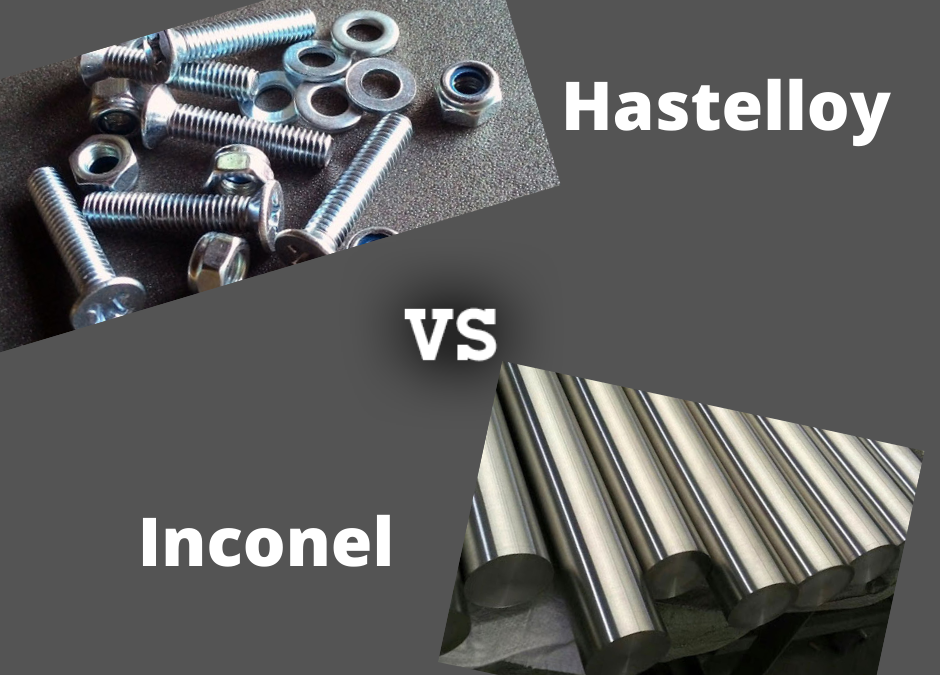
Inconel is a corrosion-resistant, oxidation-resistant alloy that performs well in high-temperature, high-pressure conditions. When Inconel alloy is heated, it develops a thick, stable oxide coating on the surface, which protects it from further attack. Inconel’s strength extends over a wide temperature range. Depending on the alloy, it achieves high temperature strength through solid solution strengthening or precipitation hardening. Inconel is a high-temperature metal widely used in a wide range of applications.
Chemical Composition of Inconel
Inconel Grade
Carbon
Manganese
Sulfur
Phosphorus
Chromium
Silicon
Molybdenum
Niobium
Cobalt
Copper
Aluminum
Titanium
Nickel
Iron
Boron
Inconel 600
0.15
1.00
0.015
–
14.0–17.0
0.50
–
–
–
0.50
–
–
72.0max
6.0–10.0
–
Inconel 617
0.15
0.50
0.015
0.015
20.0–24.0
0.50
8.0–10.0
–
10.0–15.0
0.50
0.8–1.50
0.60
44.2–56.0
3.00max
0.006
Inconel 625
0.10
0.50
0.015
0.015
20.0–23.0
0.50
8.0–10.0
3.15–4.15
1.00
–
0.40
0.40
58.0max
5.00max
–
Inconel 690
0.019
0.35
0.003
–
30.0max
0.35
–
–
–
0.01
0.02
–
59.5max
9.20max
–
Inconel 718
0.08
0.35
0.015
0.015
17.0–21.0
0.35
2.8–3.3
4.75–5.5
1.00
0.2–0.8
0.65–1.15
0.30
50.0–55.0
balance
0.006
Inconel X-750
0.08
1.00
0.01
–
14.0–17.0
0.50
–
0.7–1.2
1.00
0.50
0.4–1.0
2.25–2.75
70.0max
5.0–9.0
–
Mechanical Properties of Inconel
Inconel Grade
Tensile Strength
Yield Strength (0.2%Offset)
Density
Melting Point
Elongation
Inconel 600
Psi – 95,000 , MPa – 655
Psi – 45,000 , MPa – 310
8.47 g/cm3
1413 °C (2580 °F)
0.4
Inconel 601
Psi – 80,000 , MPa – 550
Psi – 30,000 , MPa – 205
8.1 g/cm3
1411 °C (2571 °F)
0.3
Inconel 617
≥ 485 MPa
≥ 275 MPa
8.3g/cm³
1363°C
0.25
Inconel 625
Psi – 135,000 , MPa – 930
Psi – 75,000 , MPa – 517
8.4 g/cm3
1350 °C (2460 °F)
0.425
Inconel 690
≥ 485 MPa
≥ 275 MPa
8.3g/cm³
1363°C
0.25
Inconel 718
Psi – 135,000 , MPa – 930
Psi – 70,000 , MPa – 482
8.2 g/cm3
1350 °C (2460 °F)
0.45
Inconel 725
1137 MPa
827 MPa
8.31 g/cm3
1271°C-1343 °C
0.2
Inconel X-750
1267 MPa
868 MPa
8.28 g/cm3
1430°C
0.25
Equivalent Grade of Inconel
Standard
WNR
UNS
AFNOR
JIS
BS
EN
Inconel 600
2.4816
N06600
NC15FE11M
NCF 600
NA 13
NiCr15Fe
Inconel 601
2.4851
N06601
NC23FeA
NCF 601
NA 49
NiCr23Fe
Inconel 617
2.4663
N06617
Inconel 625
2.4856
N06625
NC22DNB4M
NCF 625
NA 21
NiCr22Mo9Nb
Inconel 690
2.4642
N06690
Inconel 718
2.4668
N07718
Inconel 725
–
N07725
Inconel X-750
2.4669
N07750
What precisely is Hastelloy?
Hastelloy is a nickel-molybdenum alloy with a high melting point. It is available in a variety of grades, the bulk of which are nickel chromium molybdenum alloys. Regardless of the use for which each Hastelloy grade was developed, they are all exceedingly corrosion resistant. Hastelloy becomes stronger and tougher at elevated temperatures when alloyed with, making it ideal for welding applications. It’s simple to shape and assemble. Due to its ductility, they can be forged and cold wrought. Due to its exceptional resistance to highly oxidizing and reducing chemicals, Hastelloy is an excellent choice for high-temperature applications. It is extensively used for pipes and valves in the chemical and petrochemical industries. It is a wonderful material for heat exchangers and pressure vessels, as well as nuclear and chemical reactors.
Chemical Makeup Hastelloy
Alloy
Carbon
Cobalt
Chromium
Molybdenum
Vanadium
Tungsten
Aluminium
Copper
Niobium
Titanium
Iron
Nitrogen
Other%
B
0.10max
1.25max
0.60max
28.00max
0.30max
–
–
–
–
–
5.50max
Bal
Mn 0.80; Si 0.70
B2
0.02max
1.00max
1.00max
26.0-30.0
–
–
–
–
–
–
2.00max
Bal
Mn 1.0, Si 0.10
C
0.07max
1.25max
16.00max
17.00max
0.30max
40.0max
–
–
–
–
5.75max
Bal
Mn 1.0; Si 0.70
C4
0.015max
2.00max
14.0-18.0
14.0-17.0
–
–
–
–
–
0.70max
3.00max
Bal
Mn 1.0 ; Si 0.08
C276
0.02max
2.50max
14.0-16.5
15.0-17.0
0.35max
3.0-4.5
–
–
–
–
4.0-7.0
Bal
Mn 1.0; Si 0.05
G
0.05max
2.50max
21.0-23.5
5.5-7.5
–
1.00max
–
1.5-2.5
1.7-2.5
–
18.0-21.0
Bal
Mn 1.0-2.0; P0.04; Si 1.0;
N
0.06max
0.25max
7.00max
16.50max
–
0.20max
–
0.10max
–
–
3.00max
Bal
Mn 0.40; Si 0.25; B 0.01
S
0.02max
2.00max
15.50max
14.50max
0.60max
1.00max
0.20max
–
–
–
3.00max
Bal
Mn 0.50; Si 0.40; B0.0009; La 0.02
W
0.06max
1.25max
5.00max
24.50max
–
–
–
–
–
–
5.50max
Bal
Mn 0.050; Si 0.50
X
0.10max
1.50max
22.0max
9.00max
–
0.60max
–
–
–
18.50max
–
Bal
Mn 0.6; Si 0.60
Mechanical Properties of Hastelloy
Alloy
Tensile Strength
Yield Strength (0.2%Offset)
Density
Melting Point
Elongation
Alloy C22
Psi – 1,00,000 , MPa – 690
Psi – 45000 , MPa – 310
8.69 g/cm3
1399 °C (2550 °F)
0.45
Alloy C276
Psi – 1,15,000 , MPa – 790
Psi – 52,000 , MPa – 355
8.89 g/cm33
1370 °C (2500 °F)
0.4
Alloy B2
Psi – 1,15,000 , MPa –760
Psi – 52,000 , MPa – 350
9.2 g/cm3
1370 °C (2550 °F)
0.4
Alloy B3
Psi – 1,15,000 , MPa –760
Psi – 52,000 , MPa – 350
9.2 g/cm3
1370 °C (2550 °F)
0.4
Alloy C4
783
365
8.64 g/cm3
1350-1400 °C
0.55
Alloy X
655 MPa
240 MPa
8.22 g/cm³
1355°C
0.35
Equivalent Grade of Hastelloy
Alloy
WNR
UNS
GOST
JIS
EN
C22
2.4602
N06022
–
NW 6022
NiCr21Mo14W
C276
2.4819
N10276
ХН65МВУ
NW 0276
NiMo16Cr15W
B2
2.4617
N10665
–
–
–
B3
2.46
N10675
–
–
–
C4
2.461
N06455
–
–
–
C-22
–
N07022
–
–
–
C2000
2.4675
N06200
–
–
–
X
2.4665
N06002
–
–
–
Read More :
Is it better to use Inconel or Monel? : Which Alloy Is Best For You? : As a result, it is only used when no other metal is capable of performing the same task. Monel 400, for example, is one of the few alloys that retains its strength at sub-zero temperatures, therefore it’s used in a variety of applications, Read more to know further.
Monel Fittings in a Variety of Industries : Because of their high strength and resistance, Monel Tube Fittings are frequently utilized in pneumatic, hydraulic, and other applications. In marine applications, these tube fittings provide corrosion protection, To know more read further.